 5:43
DJ Lesson on Mixing a Radio Dance Track of 3.30 Seconds Urban New Releases CD Pool Jan 2016
Contents of the video
0:01 Exactly what's going on, what
Alright guys, first of all a demonstration then I'll explain exactly what's going on, what to do, how to do it and let's leave it at that. So check out a couple of tunes here from CDPort Underground releases January 2016. Track 6, disc number 1, track 2 on this side, disc number 2. Okay so two tracks on the left hand side from disc 1. We had DJ Fresh and High Contrast featuring Dizzy Rascal, a track entitled How Love Begins. On this side here, track number two, which was Missy Elliott and Pharrell Williams, a track entitled WTF. I'm not going to explain what that is, you should really know if you're of an age where you can understand English. In brackets, Where They From, and also in brackets, The Clean Version, so I presume in that track they're not going to say What TF.
1:52 5.5 minutes up to 5 years, not literally, maybe 10 minutes max
In its full text. Okay, so what was going on? Now first of all, a lot of radio tracks are played three and a half minutes long, so you don't have much of an intro and outro, you don't have much of an instrumental break. Quite often, a radio version is the squeezed down version of an extended mix. Extended mix could be anything from... 5.5 minutes up to 5 years, not literally, maybe 10 minutes max. There are probably a couple of tracks a lot longer. Average 6-7 minutes. But what you do find with the extended versions is the instrumental break could be 8 or 16 bars, the intro could be 8 or 16 bars, the outro... Could be 832 bars. Who knows? Let's have a listen to the beginning of Missy Elliot and count how many bars there are before vocals come in. 1, 1, 2, 3, 2, 1, 2, 3, 3, 1, 2, 3, 4, up, there you go. You see? Do you see what I mean? Now that can be very confusing. 1, 2, 3, 4, 1, 2, 3, 4.
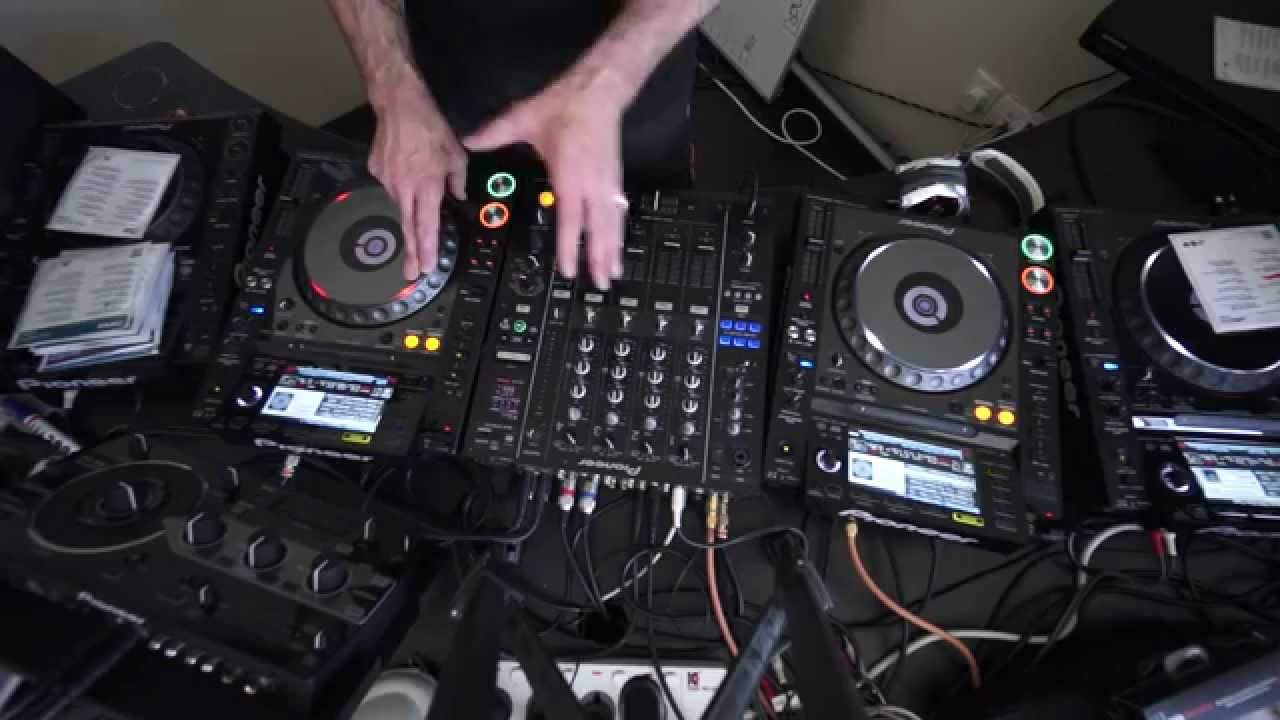
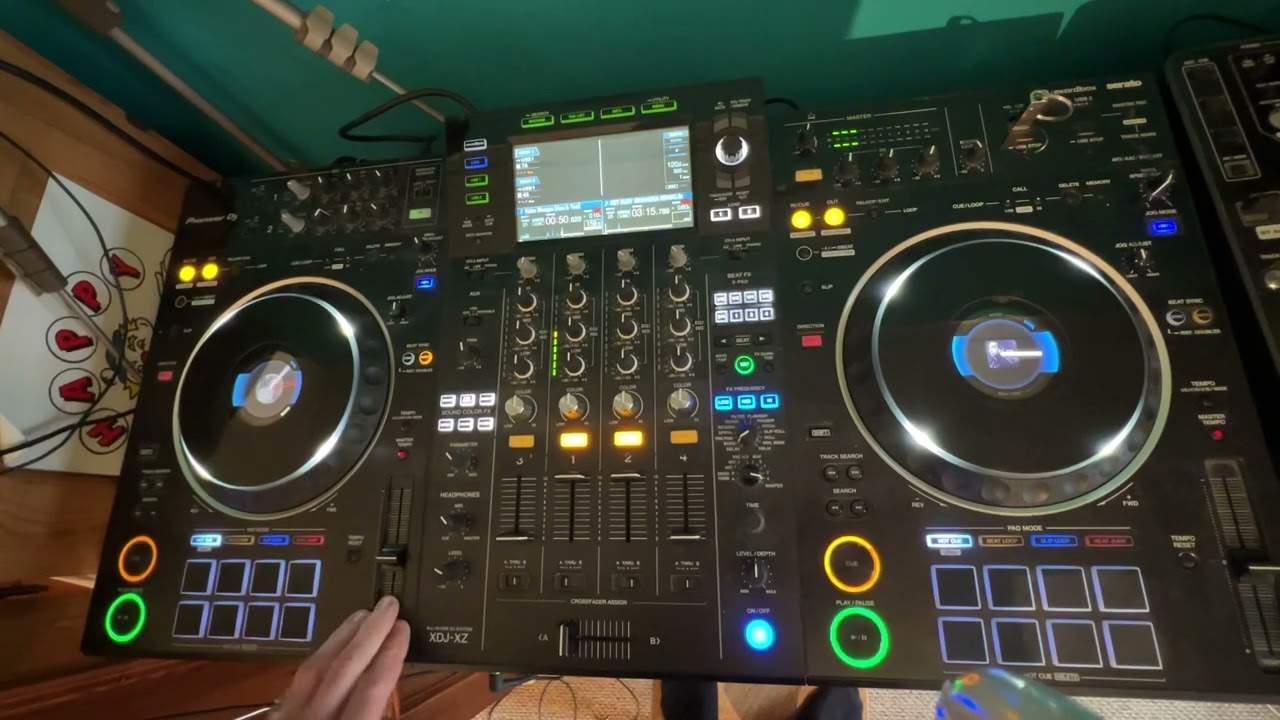
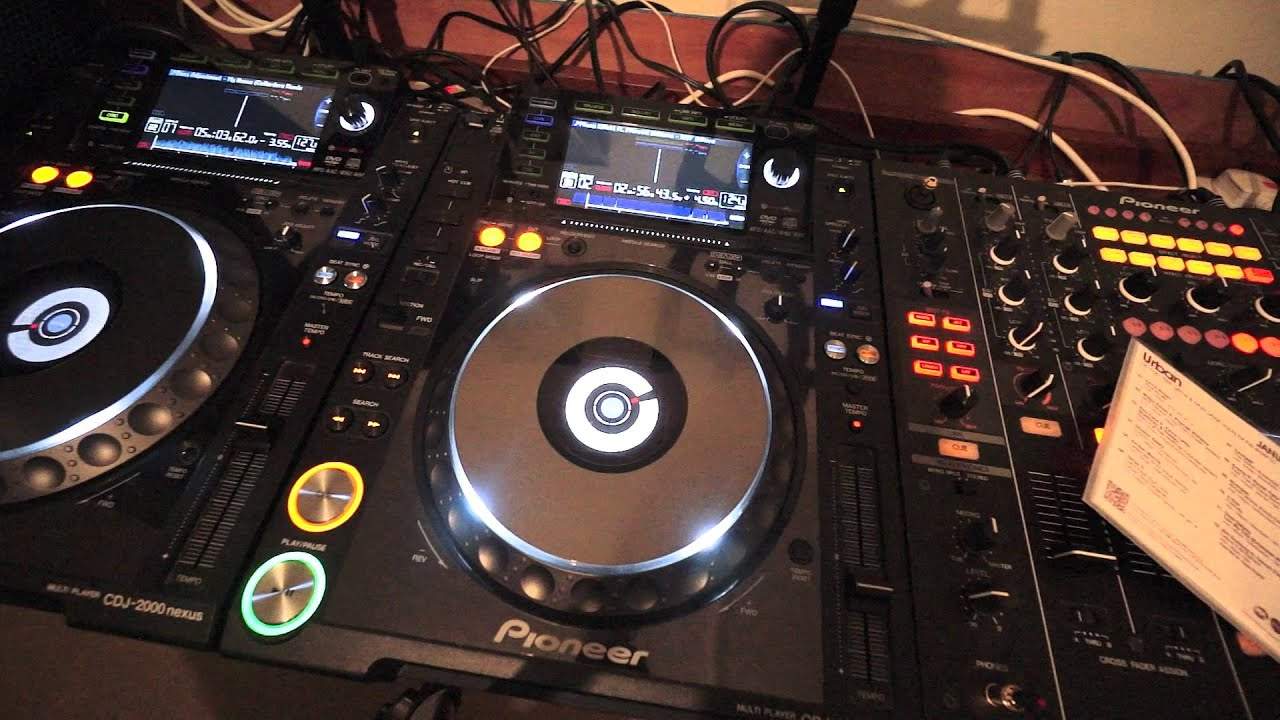
This is something that does not normally happen, where you start getting vocals in on a third bar or on a fifth bar or a seventh bar. So how do we compensate for this? How can we get around having a clash of vocals? Very simple, form a loop. Now what I'm about to show you can be done with most modern day CD players. Also, practically every single controller out there that's got a PC program on the likes of Traktor, PCDJ, VirtualDJ, Serato and so on. So all I've done is the first beat, the track is on the first beat, and I am going to loop two bars. Two, three, four, one, two, three. Now there is, I think there, there is a tiny... That's slightly better.
3:54 We've got a loop
Okay, so we've got a loop. Let's go back to the DJ Fresh, wang it forward towards the end of the track. Of course I've had to re-loop, do apologise. To you how long you want to keep the loop in, check out the link in the description. It'll take you to cdpool.com and also information on how you can get one-to-one Skype lessons by myself. There is a small fee attached but I'll put an email address. Just check me out, give me a message, send me a message should I say and we'll get in touch and hopefully all be well very soon. We'll give you some Skype lessons. Practice and enjoy. Thank you very much.
This transcript was produced automatically from the audio of the video and may contain mistakes.