 9:30
DJ Lesson on Mixing a Radio Track in to a Club Track Using Loops
Contents of the video
0:00 It's the original mix from Karmic Power Records
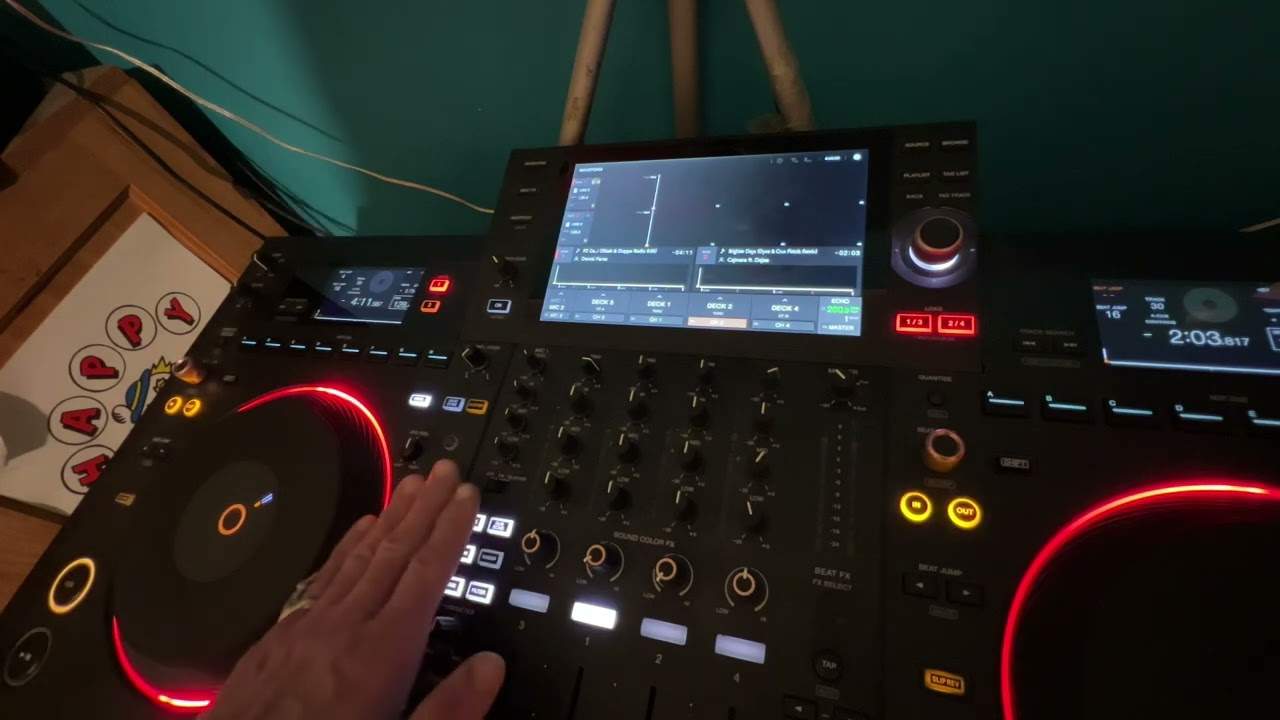
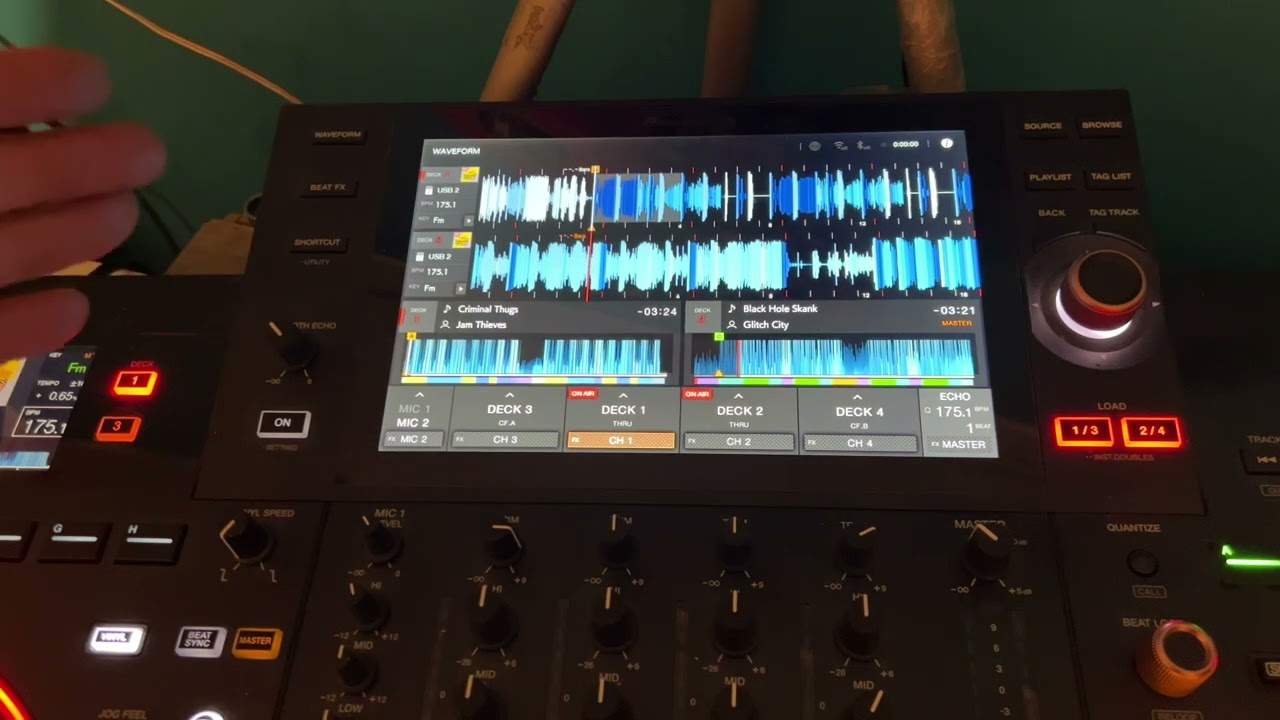
All right guys, in this video I'm going to help you to use a loop to mix a radio version of a track into an extended version. So on this side, the left-hand side, we have Lenny Fontana presents The Starlets, a track entitled On His Mind. It's the original mix from Karmic Power Records. It's KPR 191. There will be info in the description. I nearly fell over my bike. On the right, yes, I have a bike in this room because there's no other place to put it. On the right-hand side, we have exactly the same track but the radio version. So what's going on here? Why am I doing this video? Well, it's to help people who are, let's say, have to mix a radio version of something into an extended version of something else. Now, all right, why are we doing this? What's going on?
Well, an extended version or the club version, a lot longer. This track on the left, the... The original mix is over seven minutes long, so you can have a long intro, a long outro. The phrasing is going to be a lot longer or bigger, more bars in there. So for example, the intro could be 1632 bars. The outro could be 16 or 32, whereas the radio version on most tracks of today, they have very short intros. There's not much time to mix the track in. So how can we... How are we able to get a mix perfectly in time with the radio version without messing around and thinking, I've only got four bars to bring it in, get it in beat, get it in phrase, and make sure it works perfectly? So using this technique, it will help you immensely. And we're going to use loops.
Now what I have done, I have set a four-bar loop on the beginning of the radio verse.
1:56 Let's have a listen to that first
So let's have a listen to that first. So one, two, three, four. Two, two, three, four. Three, two, three, four. Four, two, three, four. Back again, two, three, four. Two, three, four. Three, two, three, four. Four, two, three, four. Right. So that's a four-bar loop. But a four-bar loop is the count of 16. Let's count to 16. One, two, three, four. Five, six, seven, eight. 6, 7, 8, 9, 10, 11, 12, 13, 14, 15, 16 and so on. You can hear it. Right now this is the important part. This is where a lot of people stumble even I do still to this day is how and when not so much really how but when to come out of the loop. Now let's imagine that we wanted to play that twice but we wanted then to be able to come out of the loop because the phrasing on the other track meant that
The loop on this side 16, the count of 16 we count 16 twice and then we come out in other words 16 and 16 32. We come out of that loop and then we are in phrase with the track leaving the mix. Now this is what you do. You do not come out of the loop once it's played twice. You come out of the loop at the same time. Second time. So all right people are thinking but that's what you just said no I didn't. What I said was you do not want to let the loop play once, twice and then come out of it because all you're doing then you're playing it three times so the objective is to make sure it plays once, twice and then during this is the key here during the course of it playing second loop that's when you come out of it so for example here partially sighted I
4:24 Vocals finish, play, press
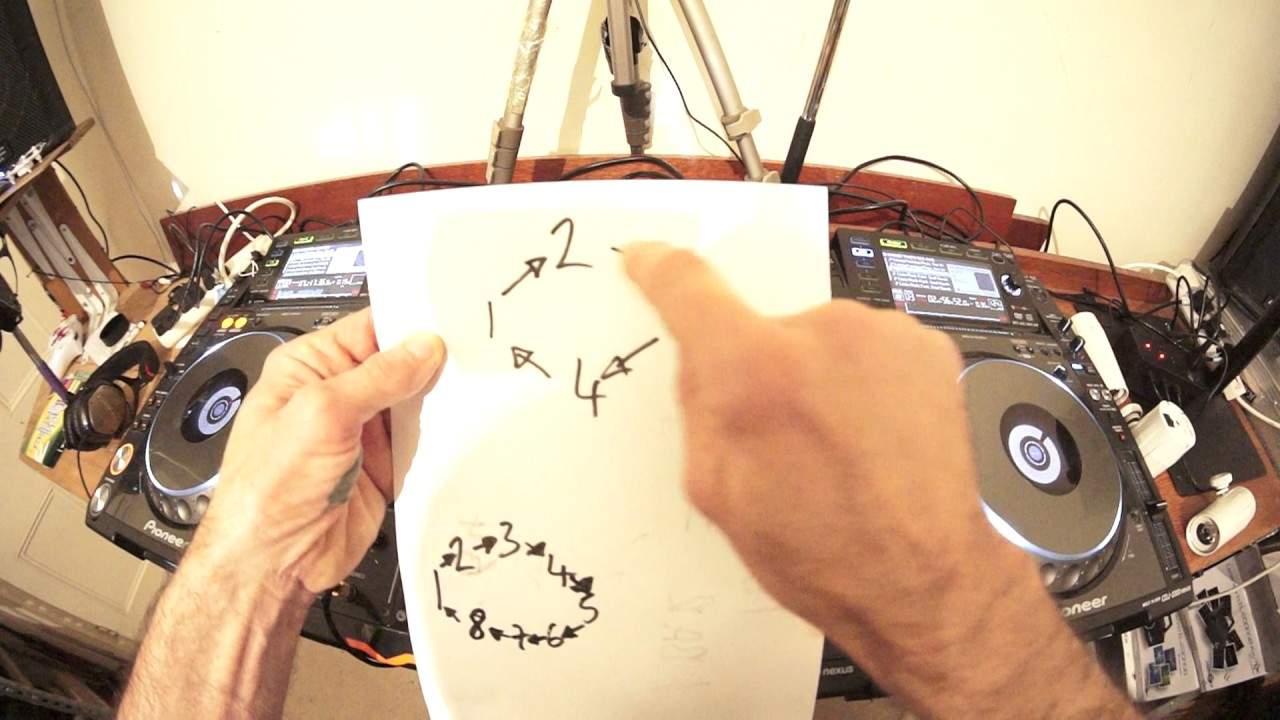
Will explain, I have 1 2 3 4 written on a white piece of paper in between 1 and 2 there's an arrow going from 1 to 2 there's an arrow from 2 to 3 and an arrow from 3 to 4 and 4 back to 1. So this is a one bar loop 1 2 3 4 1 2 3 4 and so on. Below that pretty much exactly the same but I have one to eight instead of one to four. So two bars are played at the end of the loop then they're put back into the middle of the loop. bar loop any time during the course of this loop if I press the out then the loop will no longer play it will carry on playing so even if I press the out in between one and two so long as the loop has started again as soon as you get to eight you will go out of that loop so what I've done then I set a hot cue for
My own reference at the end of the the version or what was it sorry the the original version on the left hand side there and now you can have a listen so this is the phrasing there two three four now what we've got here is we've actually got beats before the vocals finish so I'm going to play from my hot cue and count 64 for you
56 47 48 49 50 51 52 53 54 55 56 76 78 69 61 62 63 64 and there so that's where I want my vocals to come in now let's have a listen to this loop again one two three four one two three four one two three four one two three four okay so four fours sixteen and Now, what I need to do, I need to be able to play this loop enough so when I eventually come out of that loop then I will have the vocals starting on this side but the vocals finish on that side. But that's not the end of it because after this loop there is a little bit more of the track. Let's have a listen to the track without having any loop whatsoever. So let's just start play. Press play. Easy. 1, 2, 3, 4, 2, 2, 3, 4, 3, 2, 3, 4, 4, 2, 3, 4, 5, 6, 7, 8 and there.
7:06 With the track you're bringing it in to
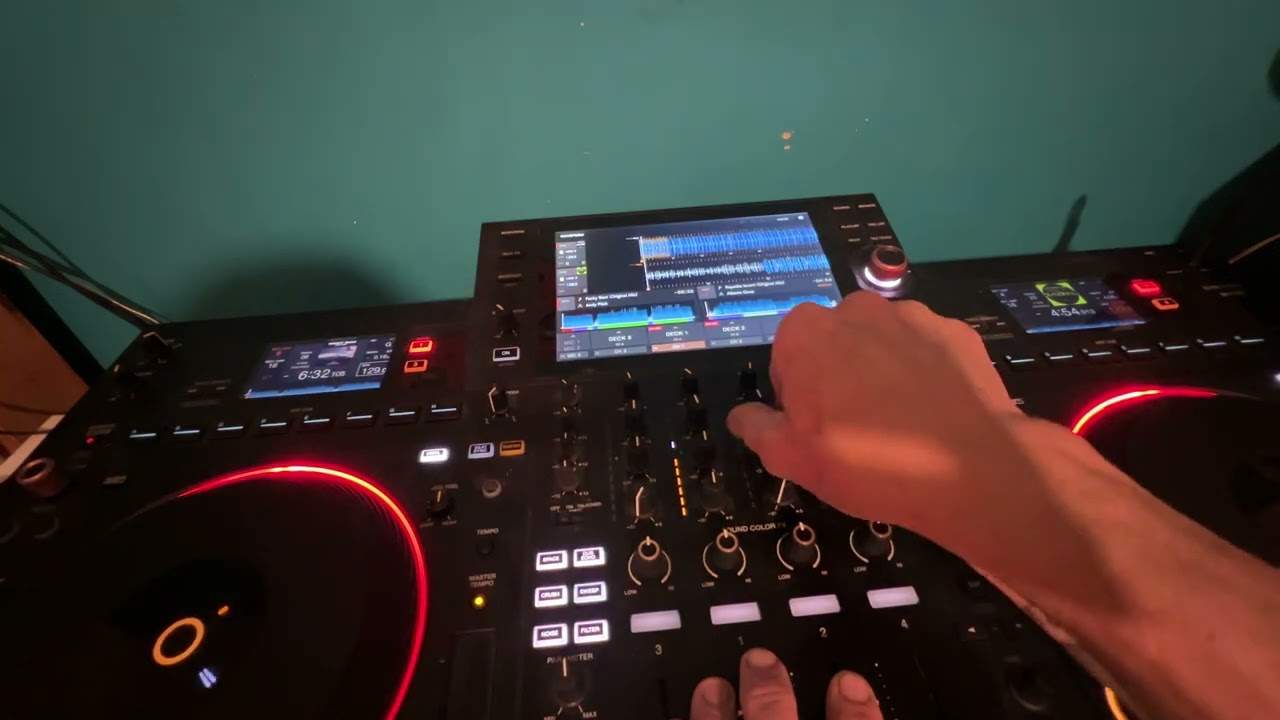
Okay so what I'm going to do is I'm going to come out of that loop at the correct time because that loop is the count of 16. But after that I have another count of 16 then the vocals come in. So the idea behind this tutorial stroke demonstration is, and this is the key point here, forming the loop gives you enough time to beat match it, to get ready on your headphones but you've just got to make sure you come out of that loop at the correct time in the phrase so your phrasing in the mix works perfectly. Okay. With the track you're bringing it in to. So I'm going to go back a little bit, give myself a little bit of a count in and press play there. So let's start my loop. There. So at the moment now this gives me enough time to keep it in beat at the loop now.
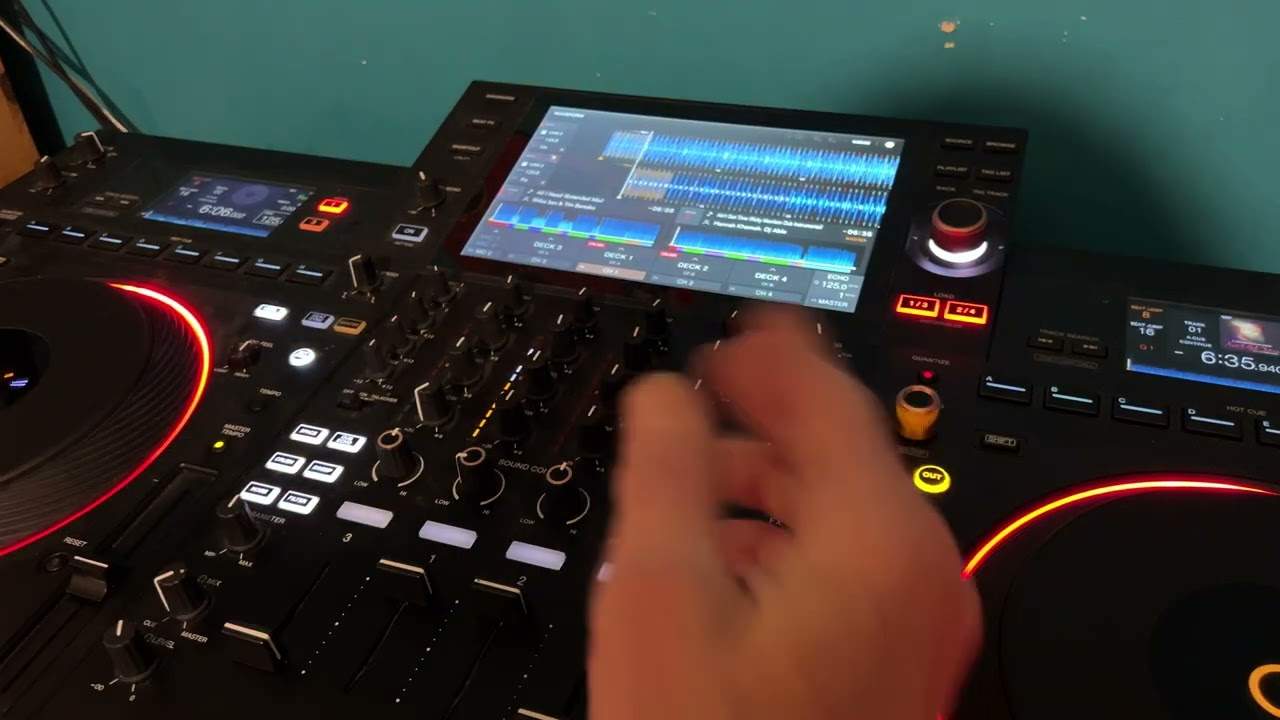
So I've gone from an extended version into a radio version. But because I worked out the phrasing and the timing and used a loop, I was not only able to get it perfectly in phrase but also in beat. But I was able to beat match it while the other track was playing using the loop of the beginning of the track. Now I hope that's been a help. Don't forget check out the link in the description to Karmic Power Records. Practice and enjoy. Thank you. Bye.
This transcript was produced automatically from the audio of the video and may contain mistakes.