 11:02
DJ Lesson on Mixing Bhangra Tutorial 2 BY Ellaskins the DJ Tutor
Contents of the video
0:00 Tutorial number two on mixing Bangra music
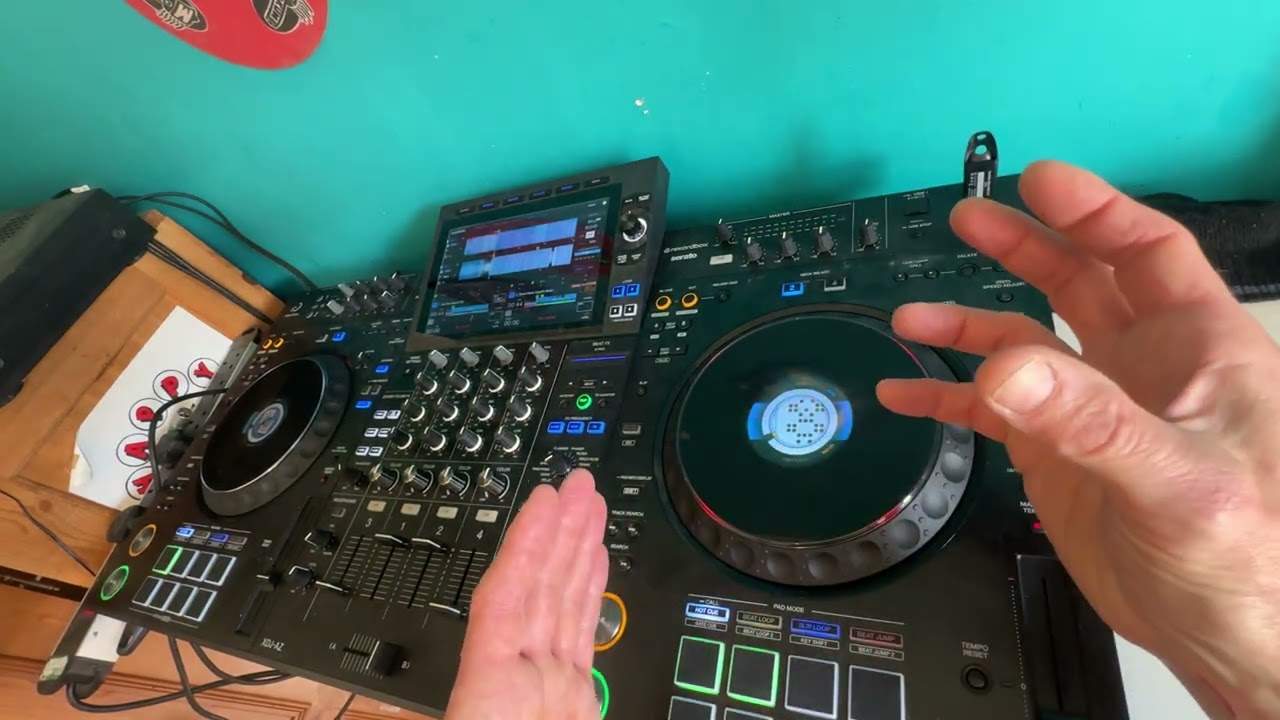
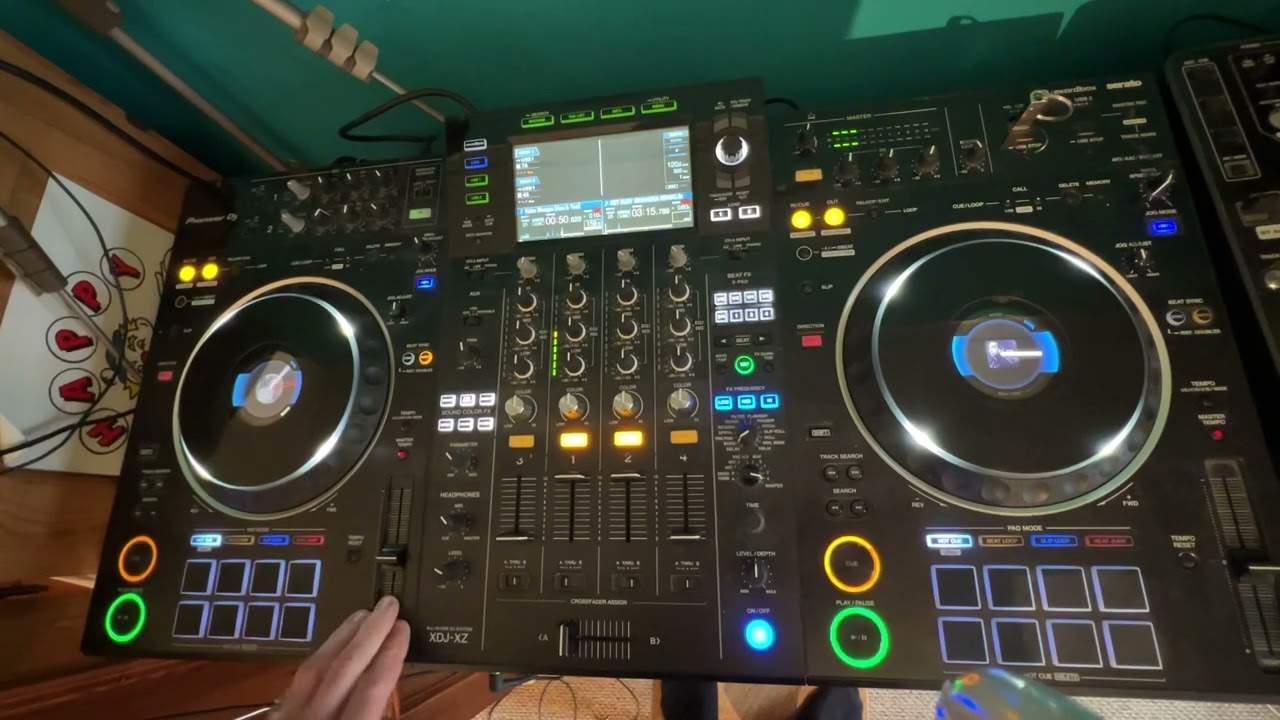
Alright guys, tutorial number two on mixing Bangra music. If you want any information on the tracks that I'm using don't hesitate look in the description, you'll get the names of the tracks and the artists. We're going to mix from the track here on the left into this track on the right hand side. This is the intro. Now first of all with mixing Bangra
A lot of DJs who mix this in a working environment will mix just, there'll be a continual supply of mixing. What you do find in Bangra weddings is they do not want to listen to a track, the whole track. They don't want lots of intros and outros, they just want energy continually. So normal mixing with EDM electronic dance music is you have a track playing and then maybe you mix the next one in and maybe there's the transition period of just the beat or maybe the bass lines overlap for a while and then you go from one track into the other into the other. What you do find with Bangra is that it's energy into energy, into more energy into more energy. The energy is up here continually and if it doesn't, if it's
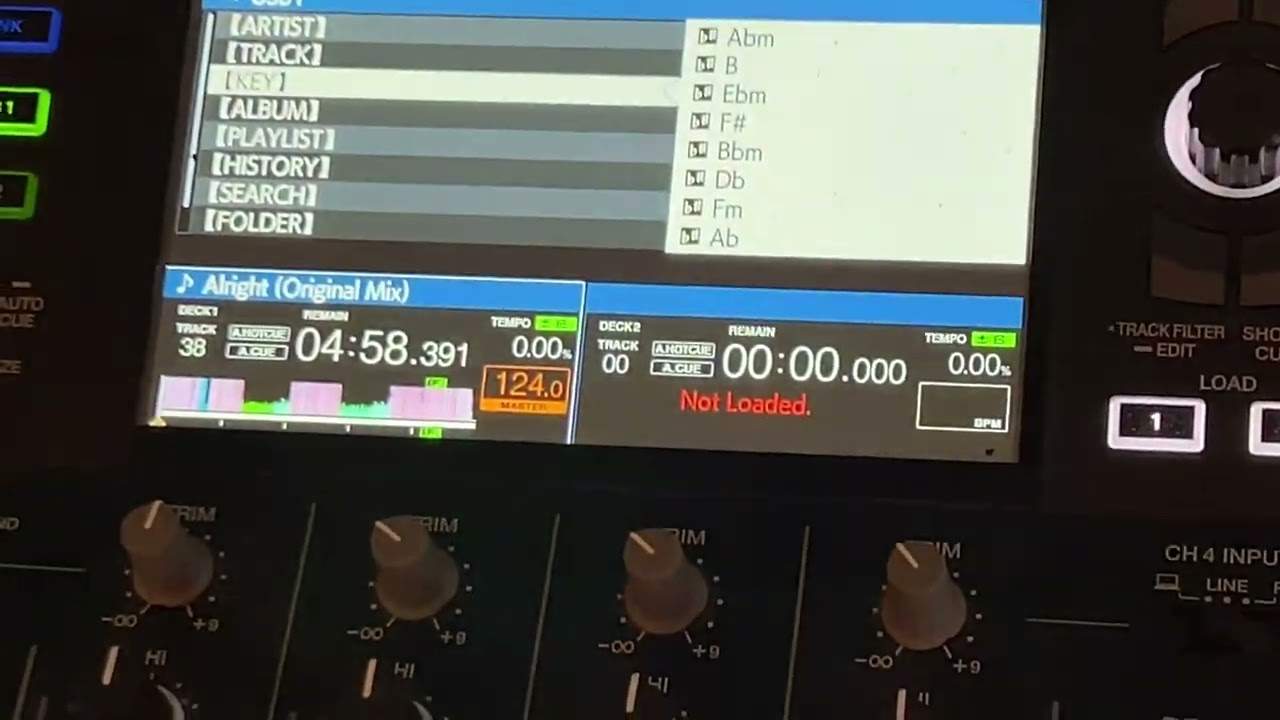
Not here it doesn't go down, it goes up, it carries on going up. It's full of vibe so that's what we want to do with our mixing. When we mix Bangra we need to make sure we keep the vibe alive. Now a lot of things we'll cover in this video. Most important facts is of course making sure keys work. Also if you're going to do a proper beat mix transition it's got to be in time. Now I'm going to do this particular mix in two ways. One is mix the two tracks together so there will be a track, there will be a mix and then there will be another track. The other one is I will just chop from one to the other. It's a good way of mixing tracks if you don't know how to beat mix. So there will be three ways sorry I'll do this. One
2:47 Will be the transition you won't
There will be the mix. The second one, oh the mix you will hear. The second one will be the transition from one to the other. The mix you won't hear but you will hear one track go directly bang straight into the other. The other one, the third one is something that anyone can do if you can't beat mix and it will be a straight cut from one bang straight into the other. So the timing will be exactly the same. The beat matching everything will be the same. The differences is of course one is the transition that you will hear. The second one will be the transition you won't hear but there will be a mix. The third one will just be from one track straight to the other. So let's have a listen to the first track. First thing
I've got to do of course is to beat match them. I'm going to do this live so to begin with it will sound a little bit off but then it will be in time. Ok that's the one track this is the other one. What I need to do which I did earlier is set a cue point at the part where I feel comfortable about bringing the track in which is here. So that's where I'm going to set it. That's where I'm going to start mixing in. So for first few seconds you're going to hear maybe it all over the place but you'll see what I'm doing. I will have to move the pitch to align them at the correct position so they are both in time and the BPM, the beats per minute match perfectly. Here we go. This is a demonstration. That's what I'm going to do. I'm just going to move the pitch to
Align them at the correct position so they're both in time and the beats per minute match perfectly. That will pretty much do it for me. The next thing I have to do is find the correct place on the first track to bring in the second track. There's no point bringing the second track in anywhere because with Bangra there's a lot of vocals, there's a shit load going on and if you, pardon me, if you bring the second track in at the wrong place you have vocals clashing over vocals and it could sound terrible even if it's in key, it's in time. It just could sound off so there's a lot going on here. So the next thing of course is to make sure we find the right place and I did this earlier. Yes, here we go. Have a listen.
5:40 One, two, three, four
Two, three, four. One, two, three, four. One, two, three, four. One, two, three, four. Okay so we have four bars and then we have some sort of break. Now let's have a listen to the cue point, the hot cue point I set on this track here. One, two, three, four. One, two, three, four. One, two, three, four. One, two, three, four. Right now even before I've done the mix for anyone out there who has DJed you should be able to work out how this video is going to move forward so let's just move the volume down. I'm not gonna use the headphones for this transition what I'm going to do is play the first track. Bring it close towards the point where I'll be bringing the second track in. Bring the bass down slightly. See, I missed my cue point. This is it with Bangra. It is so intricate.
It takes quite a while to get used to it but once you are used to it, it's plain sailing. There's our first mix. You heard the mix two tracks playing. I'm going to do exactly the same thing now. What I'm going to do though, I'm gonna have to use my headphones because of course I'm going to be listening to the track you're not listening to but then as soon as I have the mix after the four bars, I'm going to chop straight into the second track. So I'll just grab my headphones, put them on and using this sort of technique there's no need to mess around with bass mid or treble because we're not having the mix. The crowd aren't listening to the mix. All we're doing is we're doing a cross from one straight to
8:56 I've got the track ready
The other so we'll go back to the track. Let's make sure I'm at the right place. I'll just pause it there. Make sure I've got it in the right place. I'll just pause it there. Make sure we've got the track ready here. Okay I'm ready so cross fade over, both channels up. So I've set, I've assigned the cross fade now right to right deck, left to left deck. Here we go. Oh dear I missed it but never mind I'm not going to edit this. Okay that was our second mix. Now if you can't beatmatch, if you cannot beatmatch to save your life don't worry about it. You can still mix these two tracks. I'll show you how. So we'll do exactly the same thing. So I've got the track ready. I'm going to go back to the track and I'm going to start
Counting from B. So what I'm going to do is instead of mixing this track in all I need to do is a couple of things. I can either start this track from C or I can count forward to where I would have mixed it in in the last two tries and just knock it straight in at that point. So that's what I'll do now. So from this hot cue point C, I'm going to count four bars. Volume up, sorry hold on, cross fade over, start it again. One, two, three, four. One, two, three, four. One, two, three, four. One, two, three, four. So that's my cue point there, hot cue. Sorry I keep on saying cue point, hot cue. Right so let's have a listen. Right so that's it. I can leave that alone now. I don't have to think about that at all. All I have to concentrate on now is going back to the first one and counting
Four bars from point B. So let's have a listen. One, two, three, two, three, four. One, two, three, four. One, two, three. That's it alright. Simple but intricate. I hope this has been a help. Video number two on mixing Bhangra. Thank you to DJ Naveen. Practice and enjoy.
This transcript was produced automatically from the audio of the video and may contain mistakes.