 10:23
DJ Lesson on Three Turntable Mixing
Contents of the video
0:00 First of all, or most importantly, is volume on your mixer
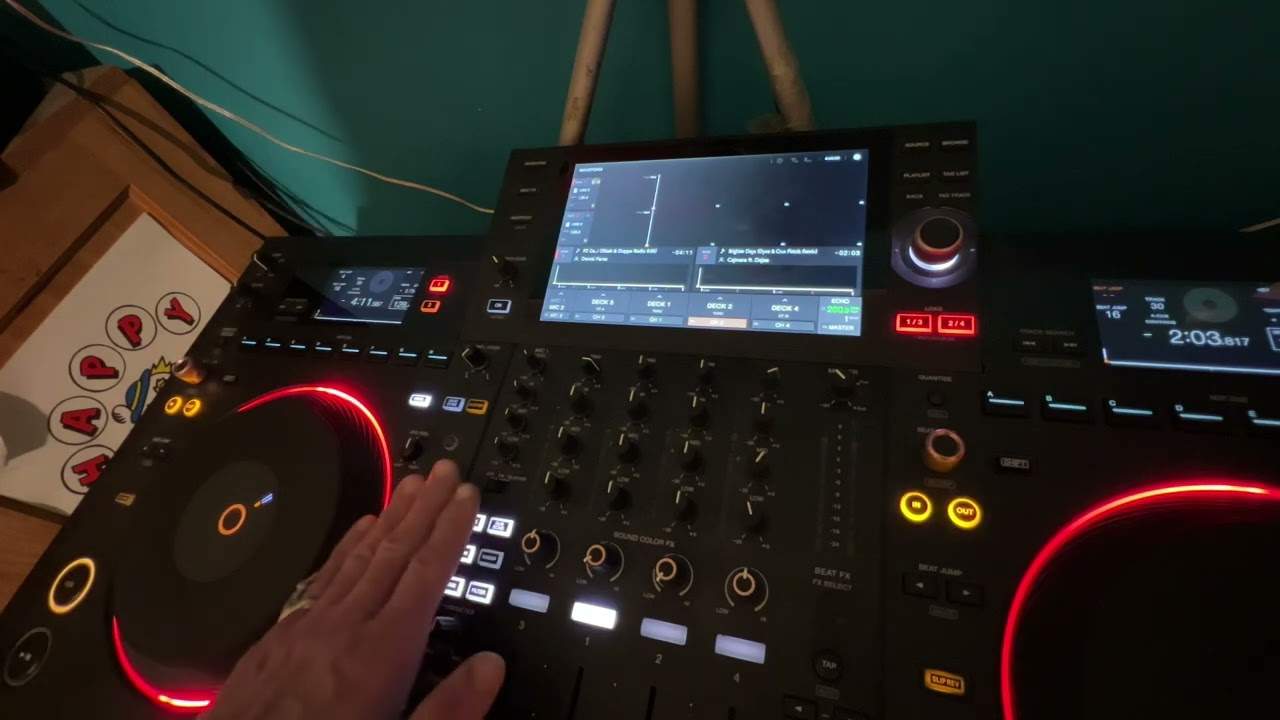
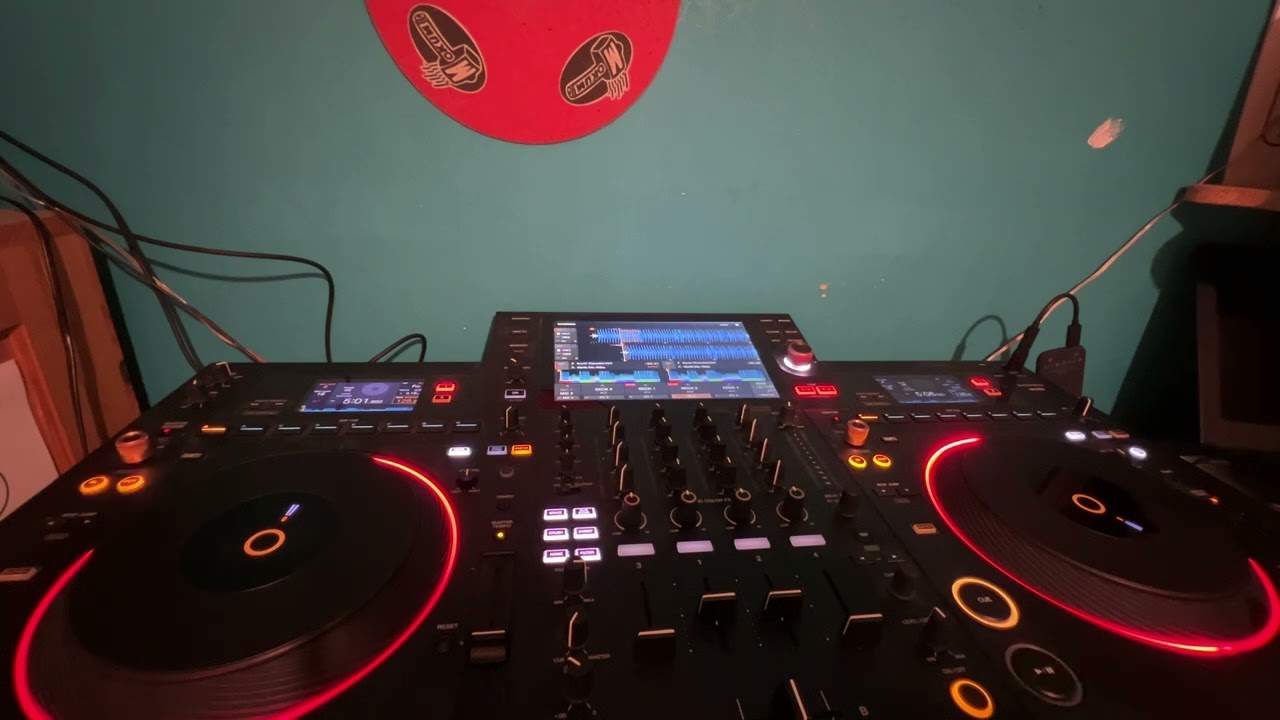
Alright ladies and gentlemen, a lot of people have been asking for 3-deck mixing lessons, so here we go. This is more of a demonstration really, but hopefully it will give you an insight into what to expect or what you should do if you want to start doing some 3-deck mixing. Now first of all, or most importantly, is volume on your mixer. Seriously, volume on your mixer. Well actually there's loads of important stuff, isn't there? Thank you, it's alright, it's my mate here. Lots of important stuff, but if we start from the very basics, it's going to be your volume on your mixer. Now the last thing you want to do is something like this, into the red. As soon as you start going into the red and everything else is into the red, it means you've got no headroom.
You can't start to maybe increase... ...another volume on another channel because everything's so loud, you won't be able to and when you start lowering the volume too much, then people are going to notice the fact that it's going to go or that the sound is going lower. People are less likely to notice that the volume is going slightly higher as opposed to a lot lower if everything's cranked up. And also, you get a better sound quality, especially if you're using a good quality mixer. The last thing you want to do is something like this. What I'm going to do is having everything in the red. Red is basically dead, so what I would do is something like this. If we just press play on all of them and I'm going to set them now so they are tapping into say number one of the amber.
1:50 Red, greeny and bluey bits
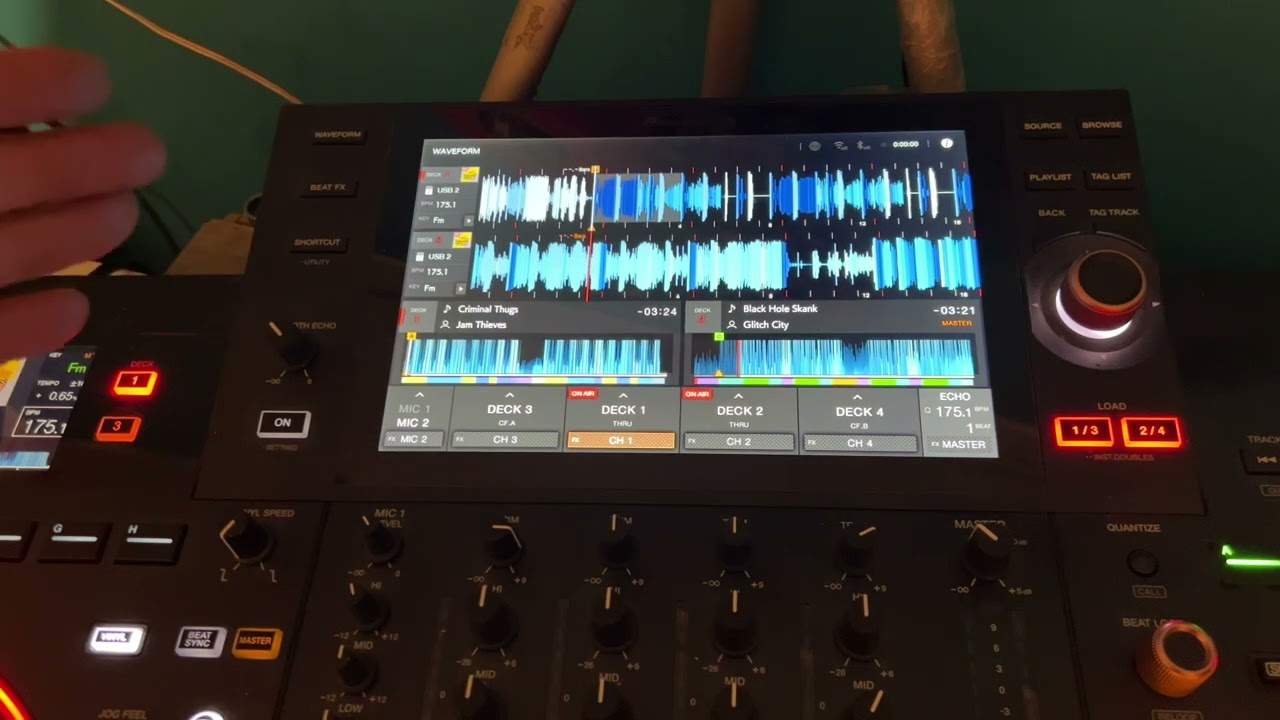
So normally on mixers you have green, amber and red. I class red as dead. Amber is okay, green is fine. The zero is 0dB which is pretty much how the track would be made in the studio. Anyway, so that's your first port of call is you want everything tapping nicely around about green 0 to 1dB or number one on the levels. But sometimes they've got 10, 20 and 30 but there you go. You've seen it just zoom in and have a look at the red, greeny and bluey bits. Blue? Okay, so that's the first thing. The second thing, of course, is the tracks that you're going to be using now. There's no point. Having three big, bold, massive tracks with loads of production, loads of instruments and trying to mix the three together because there'll be too much going on.
You want to try and keep maybe one or two of the tracks to a minimum. Have a big track but then have maybe a more mellow techie track in the background. Of course depending on genres don't bother doing that if you're going to be doing drum and bass or trap or dubstep. Maybe the other one could be an acapella. A good way of starting to learn how to 3-deck mix is to play two tracks. Try and get two tracks that work together for quite a while, known as a mash-up. And then have an acapella over the top. Try and keep your ear on or your headphones on the acapella and try and keep that in time. Reason for doing that is if the acapella does go slightly off then it doesn't matter. If the two tracks go slightly off then your ears are more in tune to keeping two tracks perfectly beat matched which means if one of those goes off
Then your ears are more easily tuned to getting those back into beat. And then of course the acapella, if that goes slightly off it's not going to sound as bad as if you have three decks going off because if you have three starting to go off-beat it's an absolute nightmare. For this demonstration I'm not going to be using headphones. The first thing is to get them beat matched. You're probably thinking oh he's already done it so if I just put that one down there... It's okay he's just getting throttled out the back there. It's okay, we do it all the time. So three tracks if you want to know what they are... Shazam! This one here... This is Andre Apollini Nuggets And this one here is Alessian Main Cocker's Craz I think.
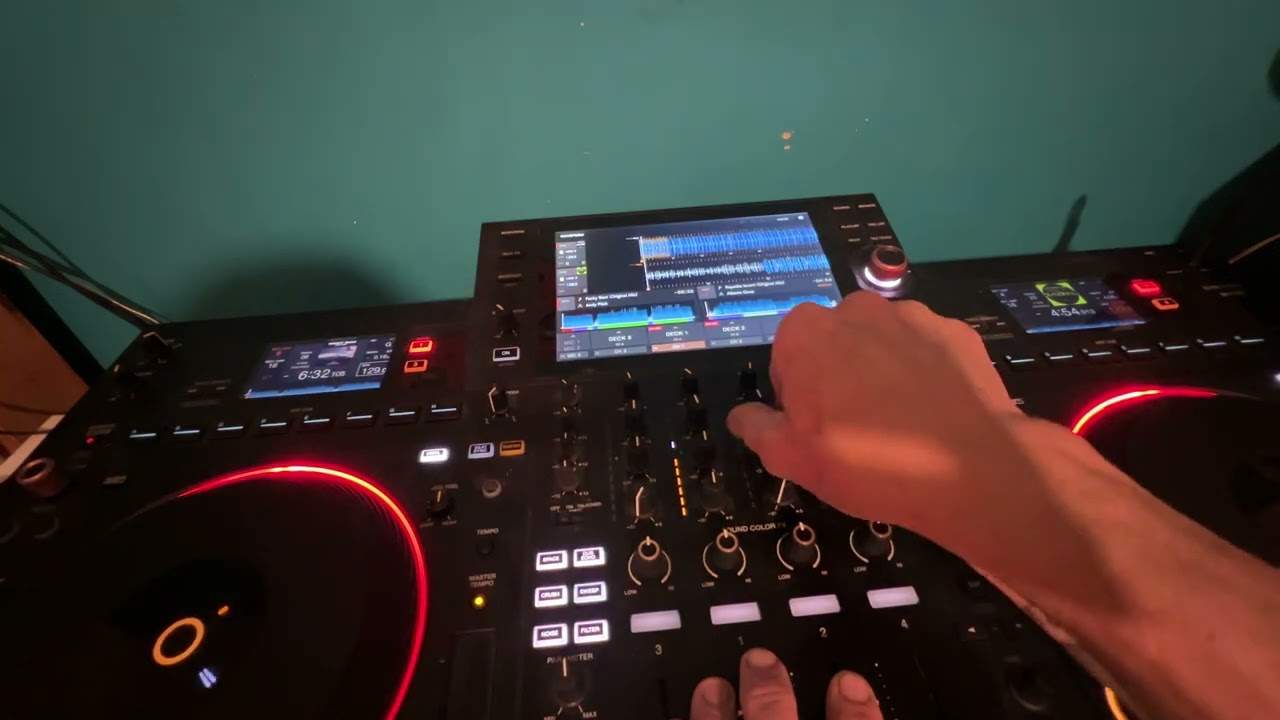
Tech house tunes anyway. This one here is quite good as well. Shazam this one if you want to. What I'm going to do is cover that over. Cover that over and cover that over. The next thing of course is to beat match them. Just pause that. Alright, three deck mixing as well. Before we do anything over there it may go off but this is a demonstration. Three deck mixing. How? Why? What? How do you mix them together? When should you mix them together? Now imagine you've got a track playing. Halfway through that track you bring in a second track. Bring in the second track maybe two thirds of the way through. So you now have two tracks working together. Then half of the way through the second track. Towards the latter part of the first track that will be starting to finish.
5:11 Excuse me, a bit of lunch from earlier on
You bring your third track in. By that time once the third track is mixed in perfectly over the second and the first. The first one may start to fade out. But by that time it's started to fade out where it has faded at. Excuse me, a bit of lunch from earlier on. I keep it down in the back there. It's great I've got a little pouch. By that time or by the time or just prior sorry. This is where three deck mixing has to open your mind quite considerably. It's a little bit like decibels yeah. 120 dp is very loud 125 db is very, very loud. It's not five times as much it's a lot more. So three deck mixing is near enough the same. It's really difficult. So by the time the first track is starting to disappear out.
You need to already get to the point where you know what track. To bring in next. Because if you do want to do very good three deck mixing. You want to make sure that virtually all the time three decks are working. So again while the first one is starting to disappear. And by the time the third one's gone. You want to make sure bang you've got a fourth one bringing in at that point. So of course by that time the second one is virtually fading out. And the third one is maybe half the way through or coming towards the end of it. The end of its track so of course then you have to start thinking. Is there another one coming in? This is why it's great to use the likes of acapellas. And also this is where the sync function does work.
6:57 Towards the end of this particular video it was pretty much like look
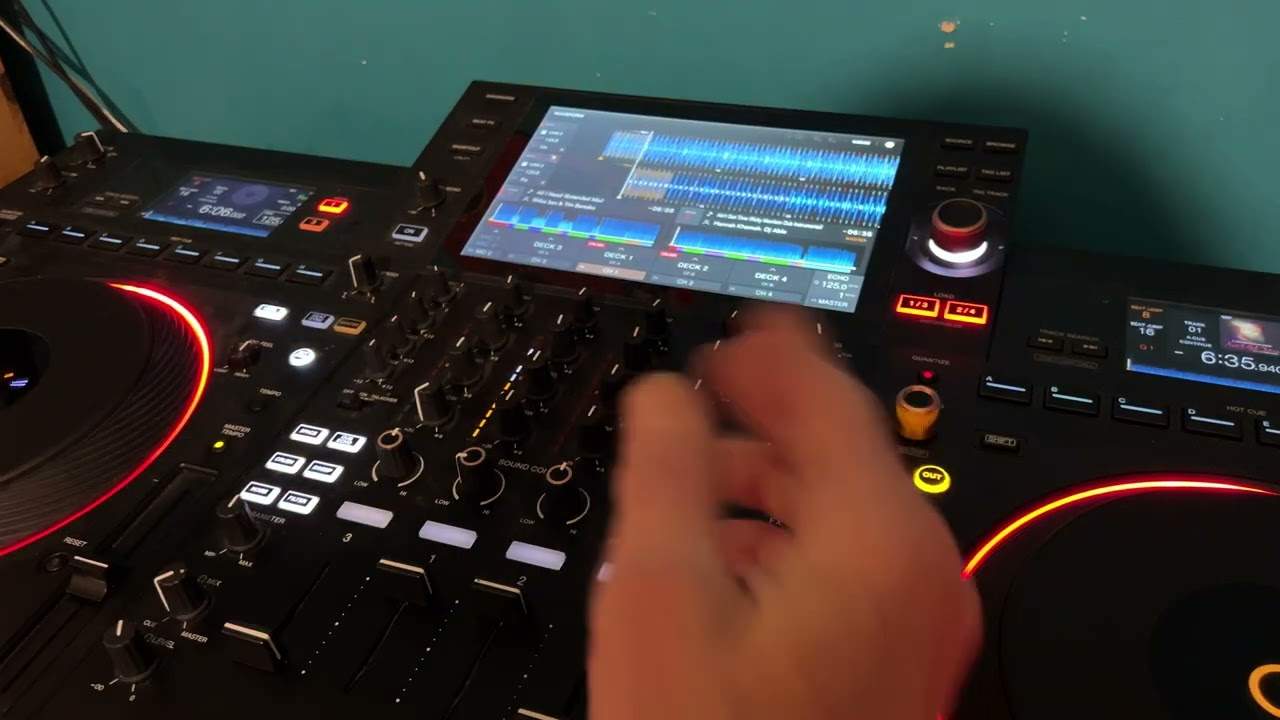
Because it means you can forget about beat matching. And you can concentrate more on the music aspect. Instead of thinking are they in beat, are they in beat. Four deck mixing even better because sync I say use the sync. Because it means then you can start to experiment more with the sounds. The feel the vibe acapellas. And you don't have to worry. You don't have to spend the energy on beat matching them. As I'm going to do for you now. So let's play this one. Towards the end of this particular video it was pretty much like look. There are three decks sort of working together. But hopefully I've given you at the beginning. And during the course of this video, this tutorial. Some of the ideas some of the ways three deck mixing will work.
Now I'm going to try and practice what I preach. Well not try I'm going to do it. Stop saying try. I'm going to practice what I preach. And do a proper three deck mix and construct it correctly. Practice and enjoy. Oh yeah.
This transcript was produced automatically from the audio of the video and may contain mistakes.