 11:22
DJ Lets Mash up Some Tech House Demonstration Tutorial Slapfunk Raw Joints Vol 4
Contents of the video
0:00 What I'm going to do in this demonstration is a mash-up with two tunes
Alright, what I'm going to do in this demonstration is a mash-up with two tunes. Now, this can be done with any genre. It can be done with house, hip-hop, soul, R&B, techno, trance, electro, funk, reggae, anything. Of course, there are certain rules. Firstly, you've got to make sure that the two tracks are the same speed because a mash-up is about bringing two completely separate elements and putting them together overlapping each other. Also, you've got to make sure they are the same time, they match musically and also the elements of each track. Now, this is where the important part. The elements of each track complement each other as the mash-up progresses. So, what you don't want, for example, is vocals over vocals.
You don't want a clash of melodies. You do not want a clash of bass lines. You don't want a clash of anything. Now, the likes of minimalistic house or tech house is great to use because it's very minimal. There's not much going on. So, let's imagine, for example, you've got two jugs full of water. They're both chock-a-block full of water. Now, you cannot then pour the water from one into the other. Guess why? Because it's going to overflow. On the other hand, if you've got two jugs, let's say half full of water, then, of course, you can pour one into the other and so on. That's pretty much exactly what's going to happen here. We have got two tracks that are quite minimal. So, by overlapping the two of them, you're not overpowering each track.
You're not overpowering the mix and it's palatable to the ears. OK. So, I've got my piece of paper here with the correct names. So, two tracks I'm using is one of my favourite tracks at the moment, which is just amazing, which is Lockley to Track & Tile Keep Going. And also, we've got Larry DeCat, a track entitled, I think it's Drum You Drums.
2:21 They're both from Slap Funk Records
Druno You Drums. Something like that. I do apologise. They're both from Slap Funk Records. Various artists. Raw Joints No. 4. There will be a link in the description to where you can get these tracks. Now, I paid for these tracks. I downloaded them. I paid €7 because I think they're wicked. OK. And also, I would like to thank Slap Funk Recordings for letting me use these tracks in some of my tutorials. Now, let's have a listen first of all to the Larry DeCat tune. Now, this kind of mash-up as well, you probably want to do at the beginning of a mix and again as I've said in previous tutorials, if you think about it, if you're wanting to do a mix and you're wanting to impress somebody, don't just start playing a track and leave
That track playing for like... five minutes and bring something else in. You're going to pull people to death if you think about it. The likes of, say, a James Bond film never starts with a love scene and a slow kind of progression into the movie. You always get bangs and booms and gunshots and car chases that gets you going. It's almost as though, right, I've got your attention and then it calms down into the track. Same with a mix. If you can start your set with two tracks. At the same time, you are going to get people's attention. So skip this one forward a bit, a nice kind of rolling bass line, minimal kind of, you know, differences in the drum pattern. We've got a nice kind of hi-hat feel there in the background, a little bit of vocals
Going on now. Let's have a listen to Locklead.
What a tune! I mean... This is just amazing. Skip it forward. I think what I love about this tune is that kind of melodic, eerie melody in the background and then you've got that twisted, twisted vibe as well.
It's just a tune.
5:04 What I've done, put them pretty much at the same BPM
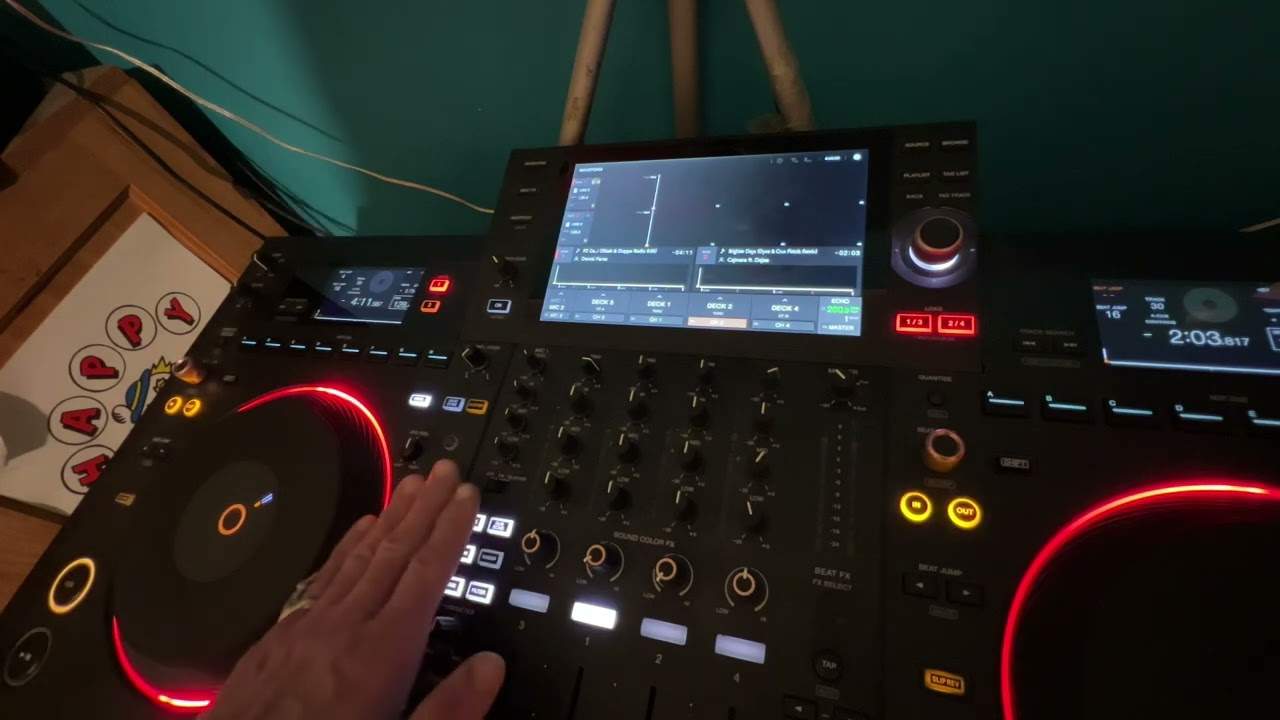
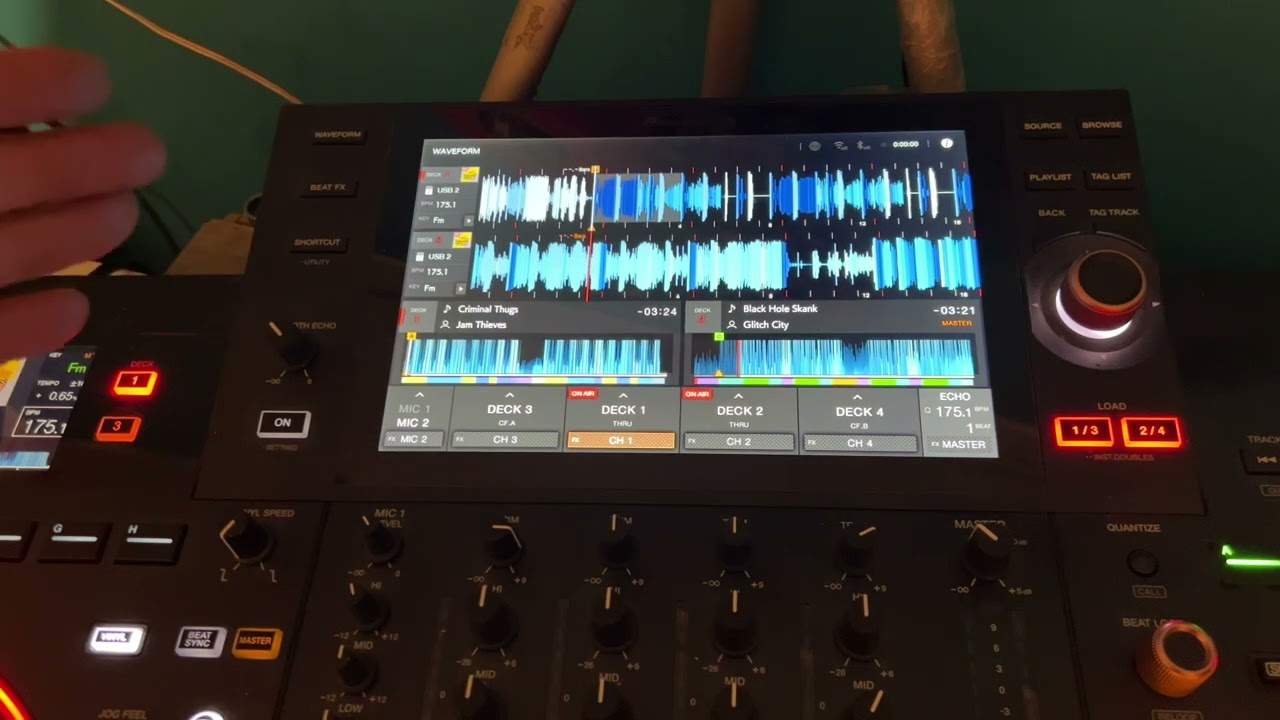
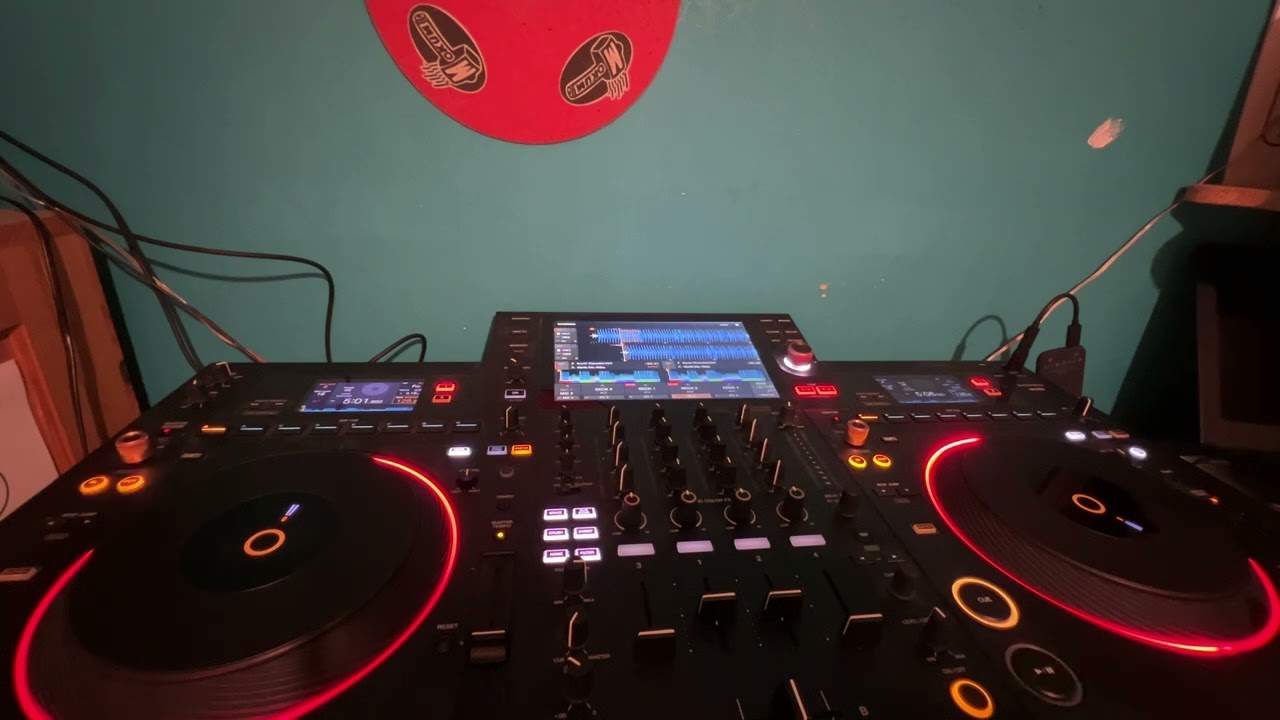
OK, so what I've done, put them pretty much at the same BPM. Now also again, I have noticed, made note of the track on the left. It's big, it's bold. Track on the right. The Locklead track. The beginning of the cut is minimal, you know, all we've got here, we've got a small wave format, which tells me that there is not much going on. We haven't got any bass line there. We haven't got any kick drum. So I can quite happily overlap these two knowing that the one isn't going to overpower the other and by adding the two together, we're not going to have a lot of kick drum. We're going to have that two jugs full of water and trying to fill one jug when they're already both full. Here we go.
Now, if I wanted to at this point, I can start taking away maybe the bass and starting to use the EQ.
Got that vocals, increase the mid on Larry the Cat.
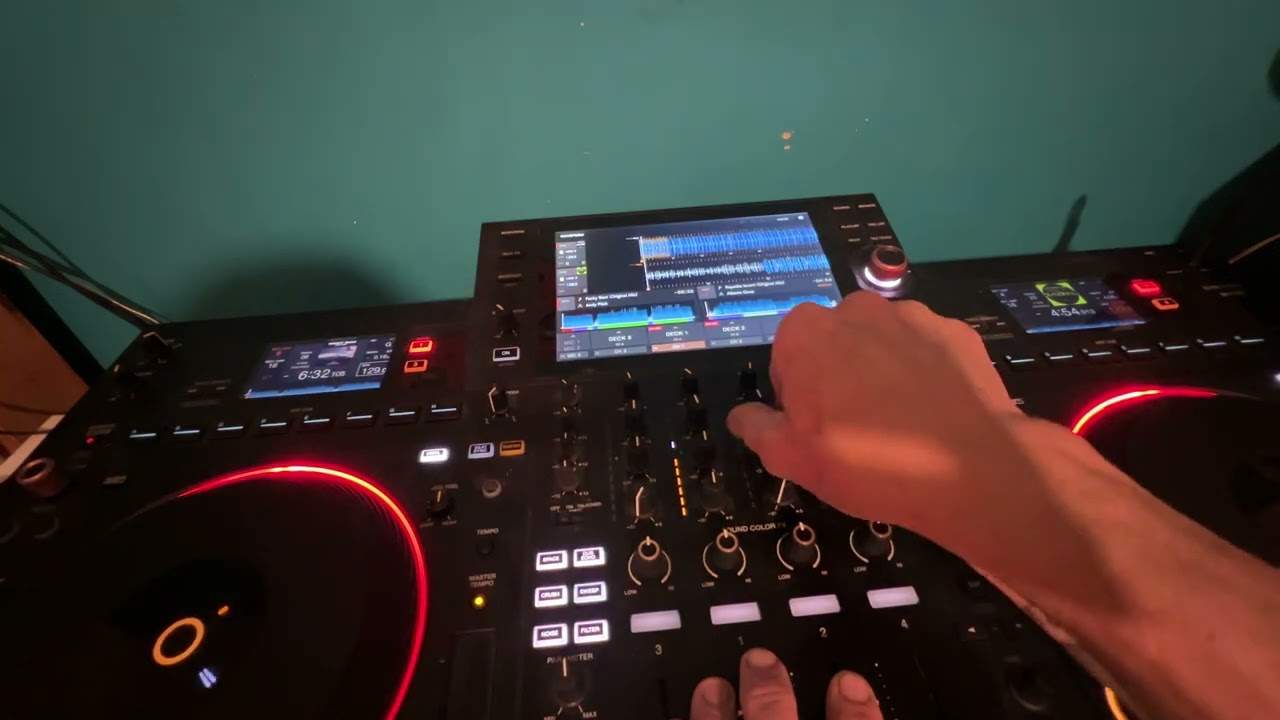
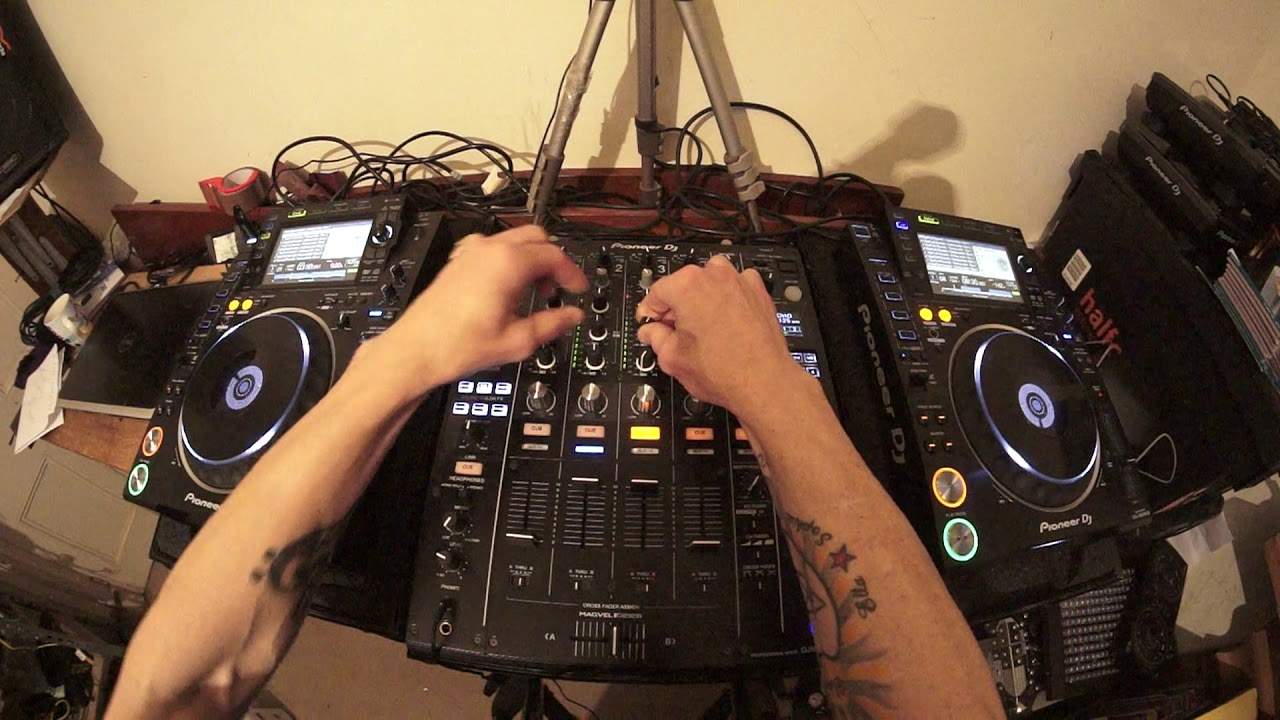
I've also got on the mixer, the isolator, which means if I turn any of these down, I'm going to if I turn any of the dials to the seven o'clock position, it will completely kill that frequency.
You see, so what's happening now is I'm now being the producer of this mashup.
7:15 I've increased the mid on Locklead
I've increased the mid on Locklead. All the bass has gone a little bit more.
8:14 The bass, Larry the Cat
The bass, Larry the Cat.
OK, so really when you're doing a mashup. Like I said earlier, a lot of things to remember about the two tracks you're using. Make sure that they're not big tracks. You know, they need to be tracks that will complement each other. If you've got two like, for example, big room tracks, loads of piano, loads of vocals, loads of melody, and you mash up two tracks like that, you're going to cause havoc with the mix because they're too big, too much going on. . With minimal tracks like this, it works because they are minimal. So you can add elements of each track. And also that's when you can go to town with the bass, mid and treble because you can start taking away the mid from one. You can add the mid from the other.
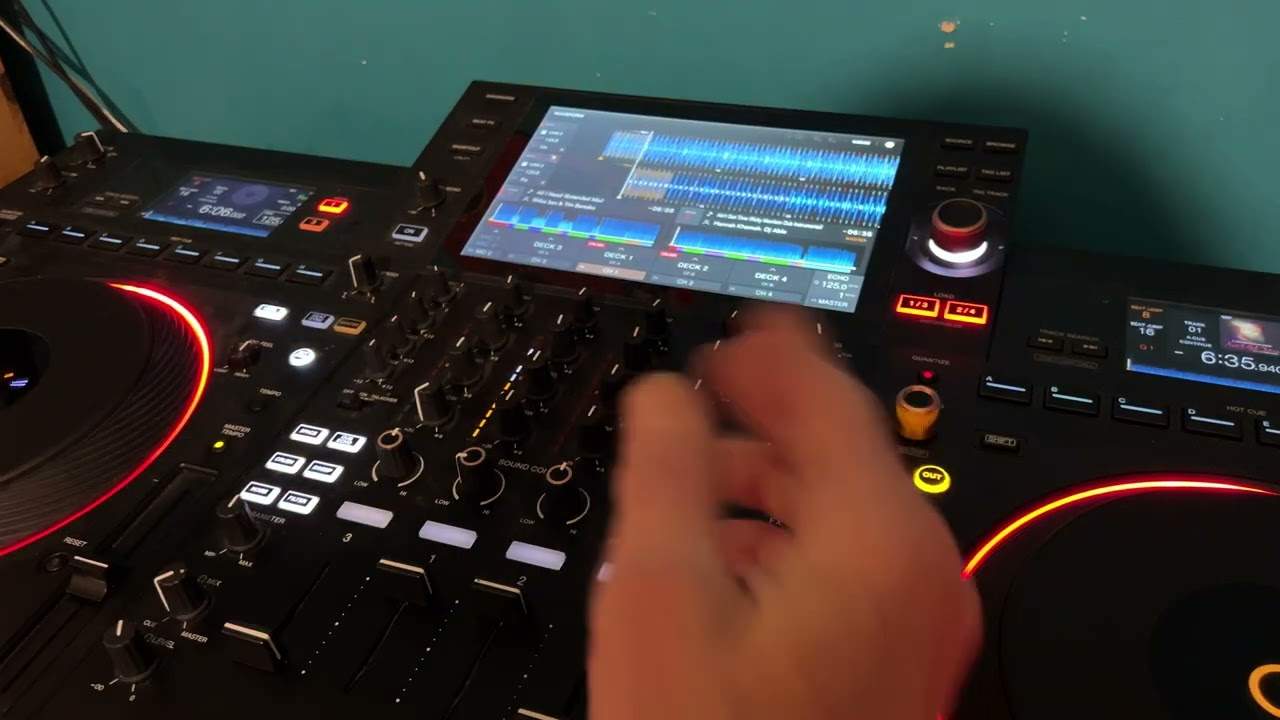
You can maybe look at it. I like the bass line from that one. Let's bring the bass line in and just chuck it in a little bit. So for example, you know, this is when we can really tweak those dials big time. So listen, here we go. . Just, you know, I'm like almost teasing that bass and then the mid treble. Now again, I did move the mid and the treble all the way to the five o'clock position, which is max. Now, the only advice I give you there is if you're going to do that on a big sound system, be wary because you do not want to destroy any speakers. Not. A good idea. Okay, so this video is about mashing two tracks up together, experimenting, having some fun when you start to do mashups, you are no longer a DJ.
You're becoming a producer because you are putting two tracks together. You can't just put them together, let them play. You've got to listen to the elements of each track and think, yeah, I like the sound of the keyboards on. On the right hand deck. But if I play that over the melody on the left hand deck, it's going to be too much. Take the mid away from one or the mid away from the other. All right. I hope that's been a help once again. Check out the link in the description to slap funk records practice and enjoy. Thank you.
This transcript was produced automatically from the audio of the video and may contain mistakes.