 10:46
DJ Mix with -26DB or Complete Kill on the EQ What Is Better?
Contents of the video
0:00 This is KPR278 from Lenny Fontana track entitled Space Walker
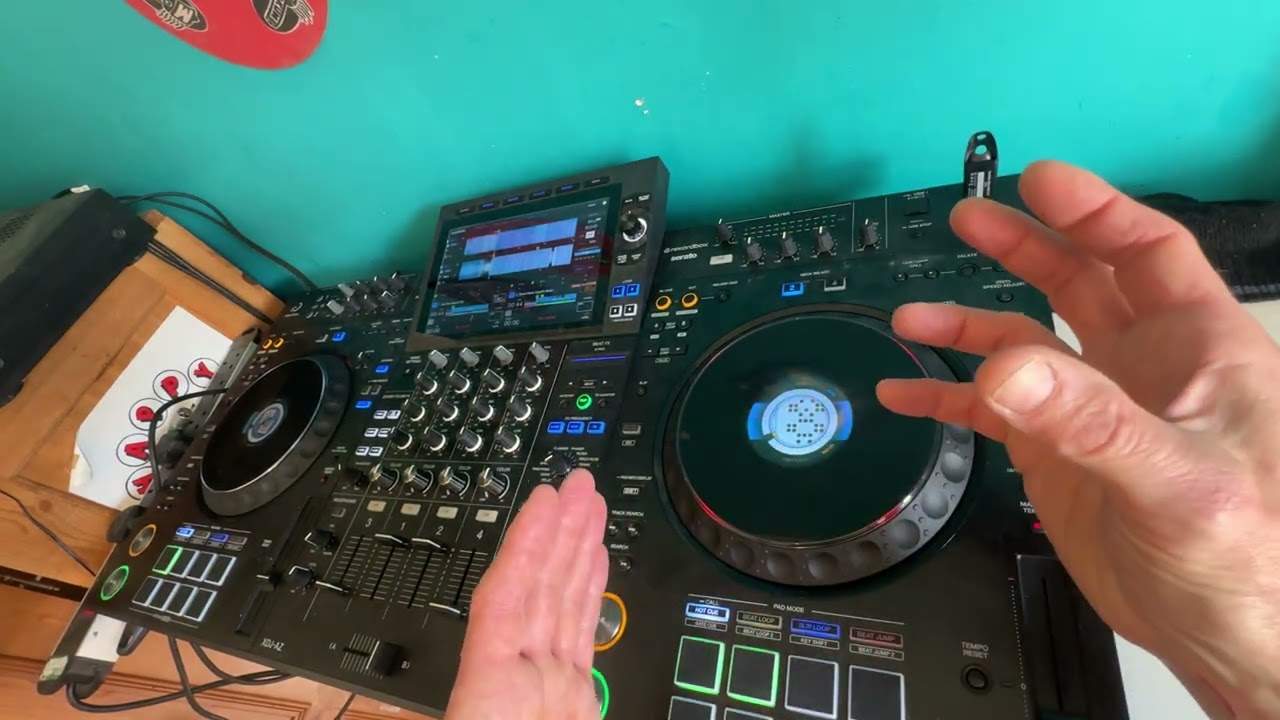
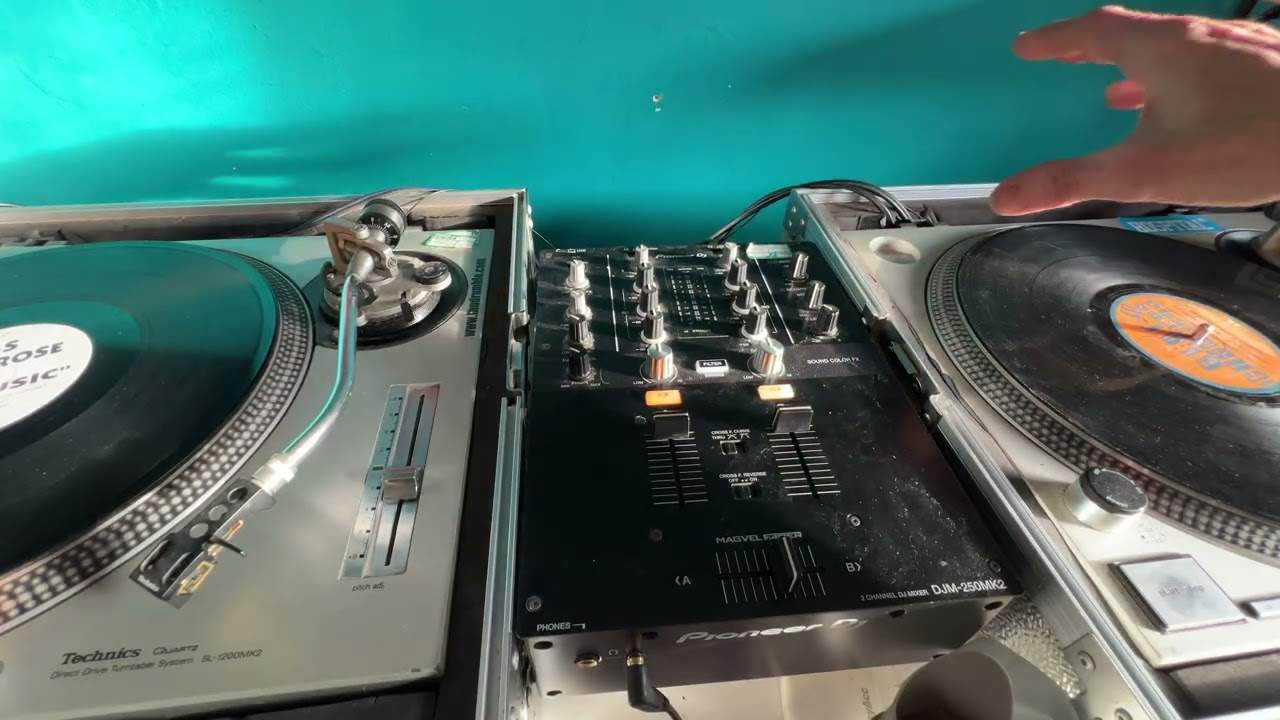
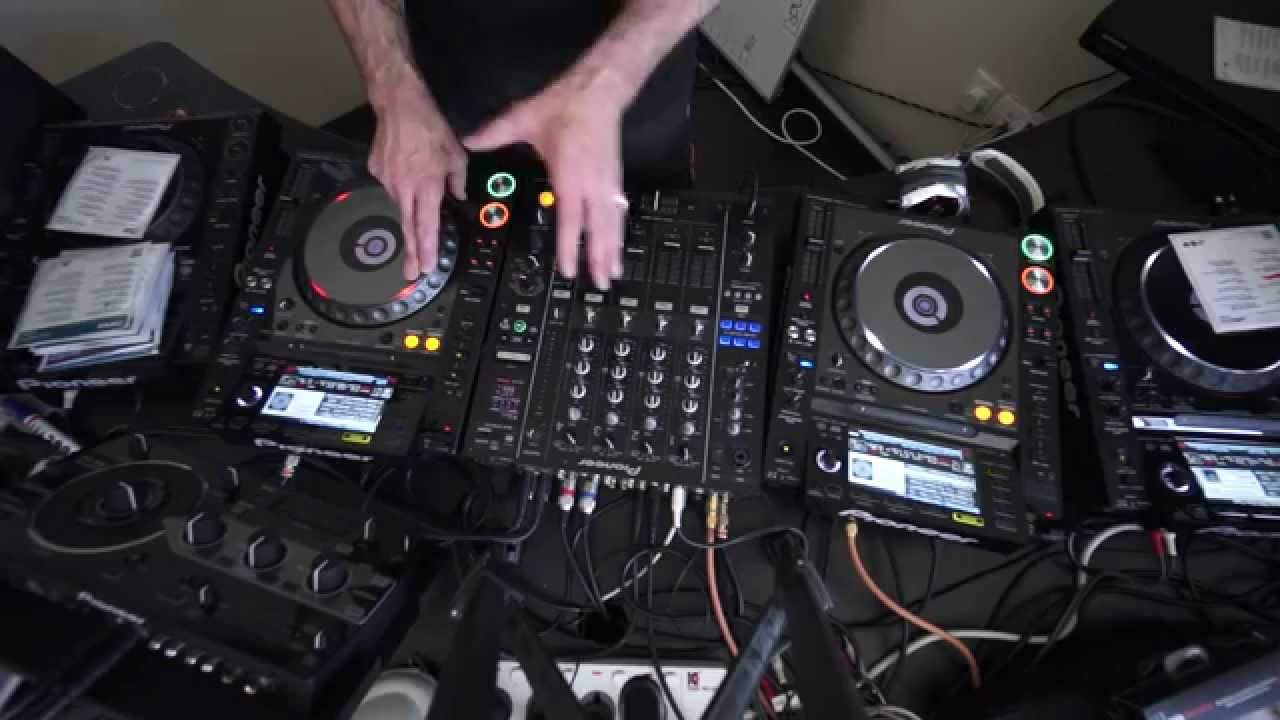
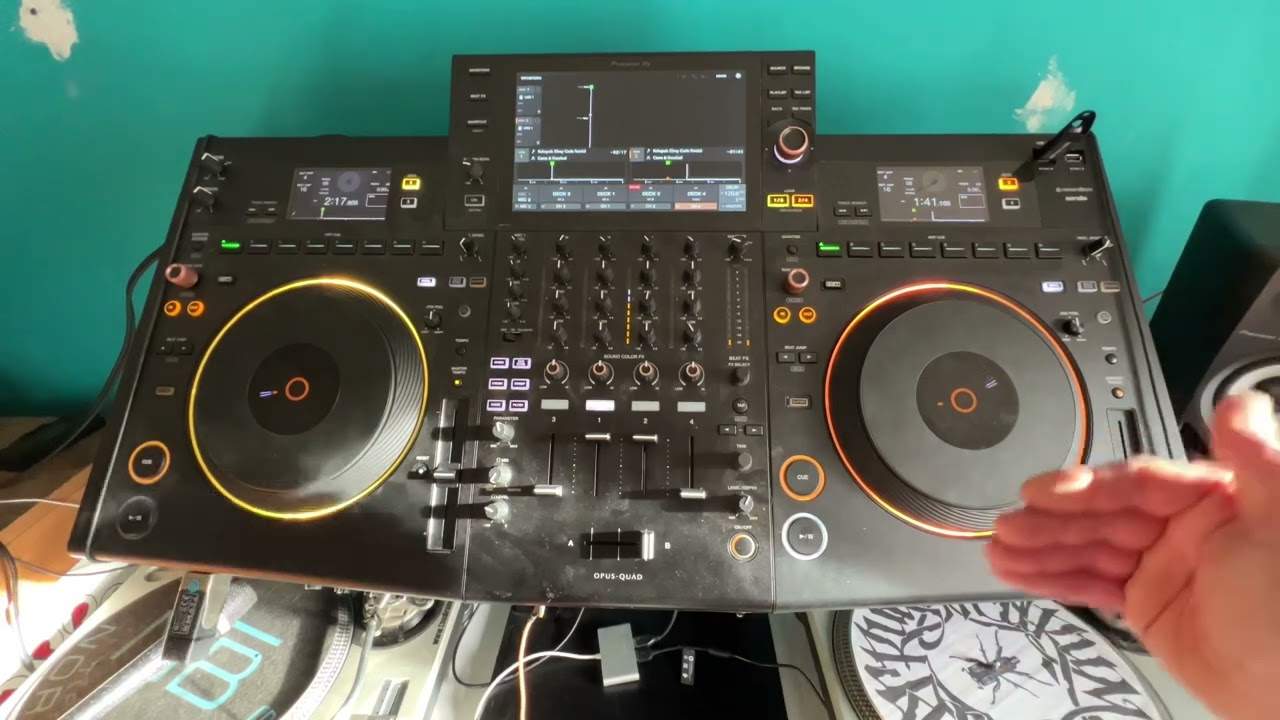
If you're into your housey, jazzy vibes, look no further. This is KPR278 from Lenny Fontana track entitled Space Walker. Right, again, thank you very much to Karmic Power Records, Mr. Lenny Fontana for letting me use his tracks in my videos. Again, it's all about tutorials and demonstrations. If you like this cut, there will be a link to Karmic Power Records in the description of this video. Right, so what are we going to do? We are going to form two transitions. One of them, we are going to, well both of them, we're going to use the bass, mid and treble. But the first one, we're going to use them where the bass, mid and treble cuts out at a certain amount of decibels. I believe it's 26 decibels. And then we're going to do the same transition but with complete kill. Will we have a difference?
Now, this is a little bit... It's a little bit like, let's say, stick or automatic. Some people like driving automatic vehicles. Some people like driving stick. One says the other one's bad and the other one... You know what I mean. It's really about you, okay? Now just, let's go with a few, well, the biggest point here is that when you are going to use, say, the minus 26 decibels or if you have a mixer, where you can do either complete kill or you've got the option of just reducing that frequency, then you're left with the question, do you want to cut out the sound completely or do you want to have it bleeding through slightly? So before we do these mixes, let's have a listen to what it sounds like with both options. So at the moment now, we're on minus 26 decibels, okay?
2:44 Hold on, where are we now?
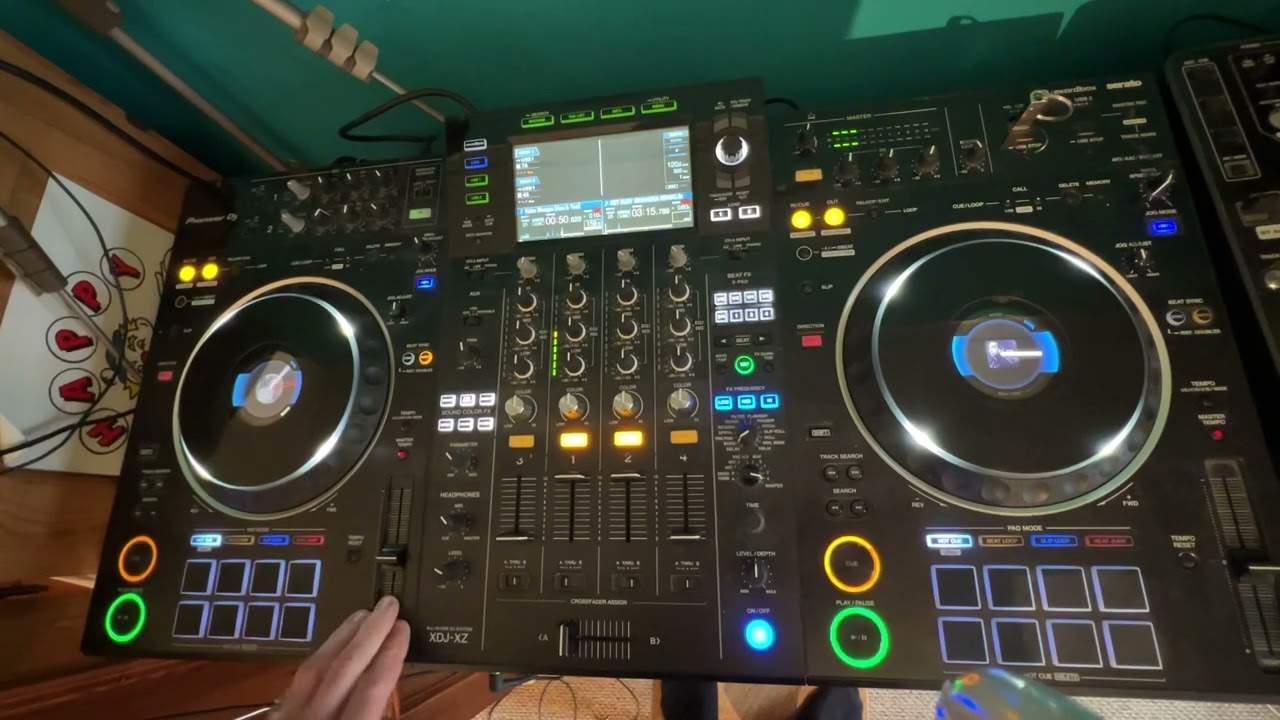
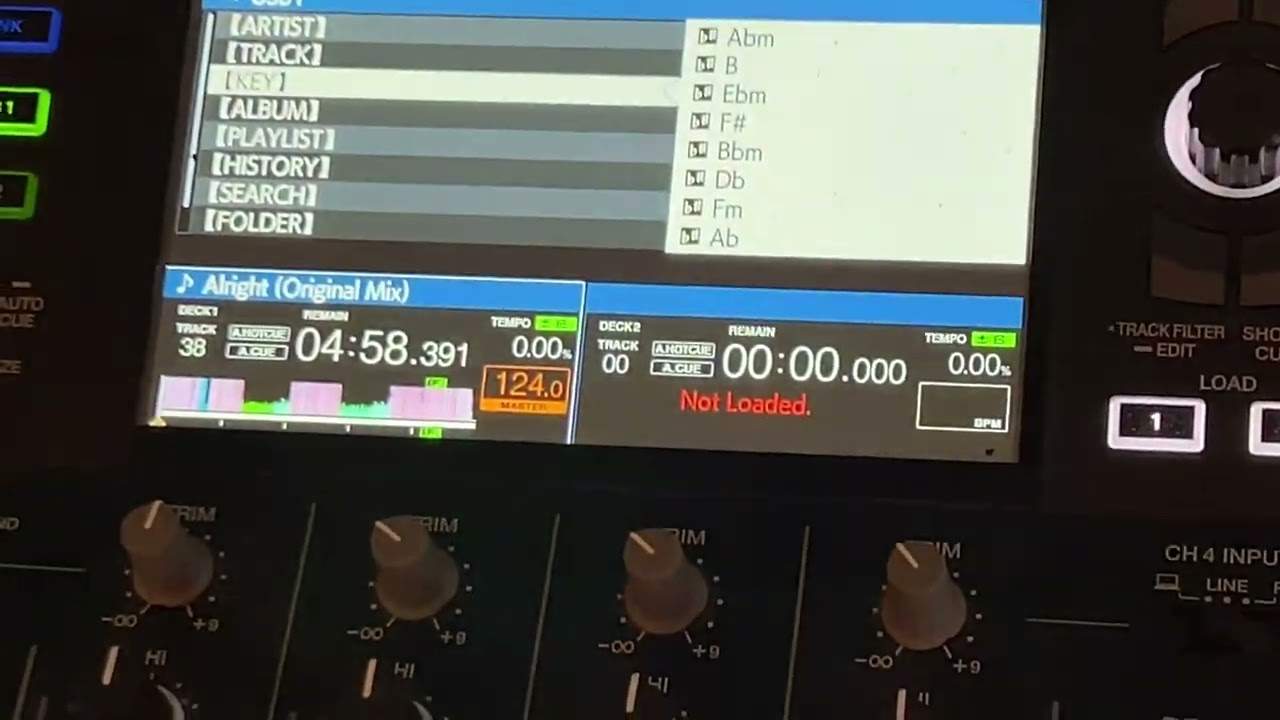
Let's take away the top, mid and bass. Bass and top, bass and mid, now top and mid, top and bass. Now all of them. Okay, so that's... It sounds a bit like just the volume's turned down. So if you listen to that, it's the equivalent of that, alright? So what I'm going to do, I'm going to press the menu button, go to utility and let's go down. I'm going to... Hold on, where are we now? Hold on. Not equalizer, master... I'm being really thick here now, aren't I? Where are we now? Equalizer curve, that's it. Sorry, der. Right, isolator, that's where I want it, okay? That's what I like about these videos, they're just natural and we all make mistakes. Right, now we're on isolator which means that I can have complete kill.
No treble, no mid, no bass. No bass, no mid, just treble. No bass, no treble. Just bass and now absolutely bugger all. Now straight away I have noticed one hell of a difference. I did notice a difference when we took away the top. There was a nice sort of crisp sound... We were sort of missing... Listen. All right, so what I'm going to do now, I've got them on complete isolator so let's just get this on the one. Okay, just using the basic files, I'm not using Rekordbox. All I'm going to do is a sort of a mix in time but it won't necessarily be in phrase so what I'm going to do, bearing in mind now we're on complete isolator which has completely taken away all of said frequencies, I'm going to take the bass out,
5:00 I want to be fair to everyone so
Leave a bit of the mid and leave the treble at 12 o'clock. Now I could probably do this video a thousand times and have these set at different places but, you know, I just want to experiment here which is what it's all about, it's you experimenting. Like I've said many times, you give 100 DJs the same tracks every single DJ will come out with a different mix and feel or different transition points of those tracks. So... 3, 4, 1, 2, 3, 4... Actually what I'm going to do is... It's very difficult there to get any kind of separation of the sounds because it's sounding the same anyway. So let's have a... Let me think, what can we do here? I want to be fair to everyone so... Ah right, might be better here because there's a difference in the track.
8:38 Track, move bass, bass line
Okay, so again bass out mid at 9 o'clock but I do like the feel of that. How, you know, you've got one punching in and the other one punching out. Not this kind of well I'm still here in the background sort of feel. Alright, I'm going to keep the same places. Probably it would be better to have two completely different tracks but hopefully you'll get what I mean. Right so go from isolator now to equalizer. So now we are at minus 26 dB not complete kill so go to that rough position again Oh sorry yeah Bass out mid at 9 o'clock Right down there That was terrible God Let's start that again A phrase, but what did you think? I think it's personal preference to be quite honest But I suppose in a way after doing this myself
What you could think about is this If you want to form a really nice smooth transition from one track to the other then I'd be probably more inclined to go with the not complete kill because you've still got that little wisp of the track going out and also you've got that wisp of the track coming in if you've got bass out So for example on the right hand side let's imagine this track is coming in and you have indeed, let's say got your mid to about sort of I don't know 8-9 o'clock You've got your bass completely out well actually still in slightly at 7 o'clock and then you're your left track is playing so depending on if you use up faders or cross fade you bring your volume up and then you slowly start to maybe move the bass
Like so So while you're moving the one you're one clockwise you're moving the other one anti-clockwise similar kind of motion and the same then with the treb sorry, with the mid But you see this what I'm doing here going back to the artist not the artist analogy but the DJ analogy of forming those mixes 100 DJs, same tracks each one is going to have a different mix and feel And I've said this time and time again So it's not about there is a golden rule as to how to use bass mid and treble It's about you and the tracks you're playing That is the important thing Not about move the bass then this and that and the other And what you have to remember as well is that if you have got your mix exactly in phrase and the one track
Is finishing its bass line and the next track is starting its bass line The bass line is the bass So there's probably no need to move the bass anyway Alright, hope that's been a help Don't forget Check out Karmic Power Records Practice And enjoy Thank you
This transcript was produced automatically from the audio of the video and may contain mistakes.