 16:43
DJ Mixing 80's Grooves on Vinyl the Hard Way Tutorial Demonstration
Contents of the video
0:01 Real vinyl, real 12-inch and no laptop or screen, nothing at all
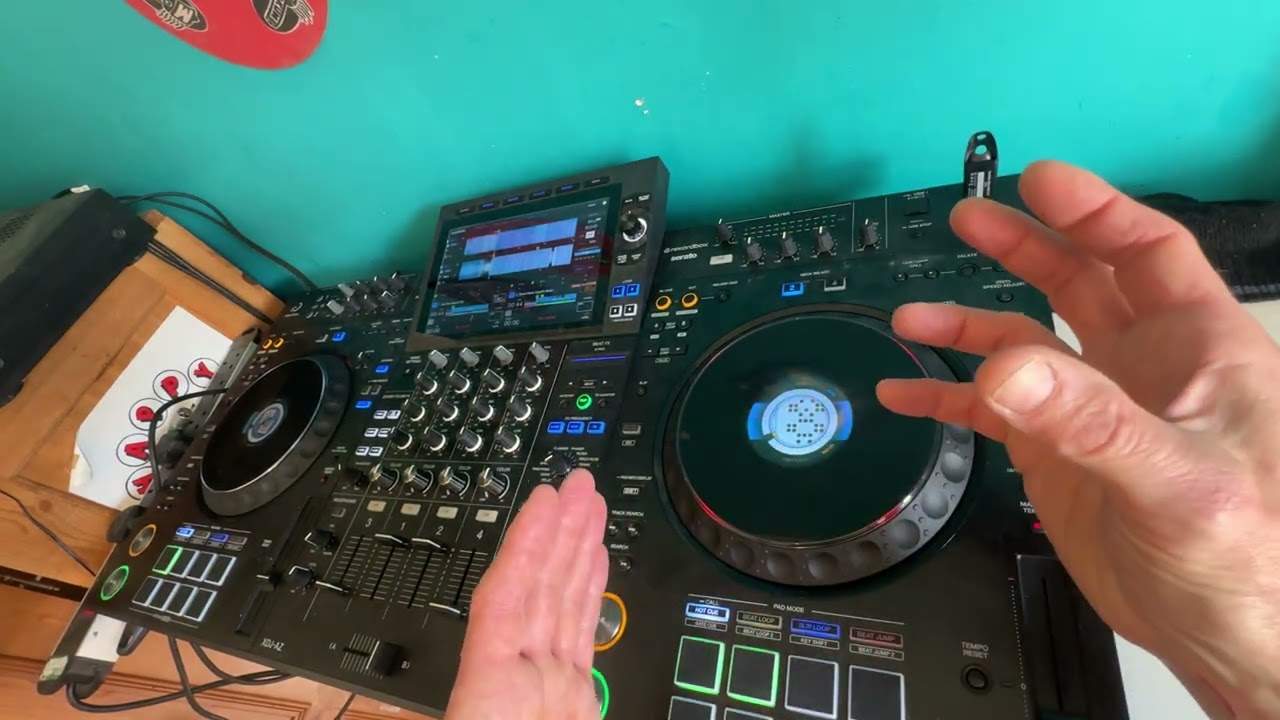
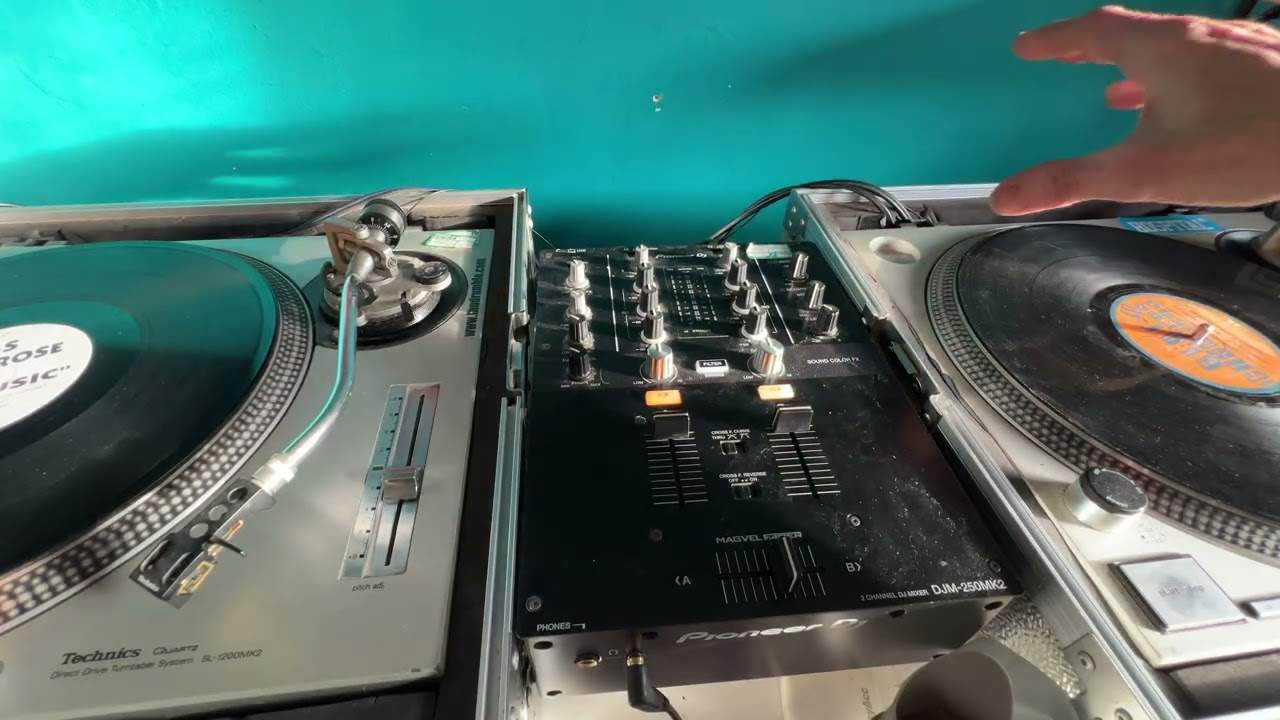
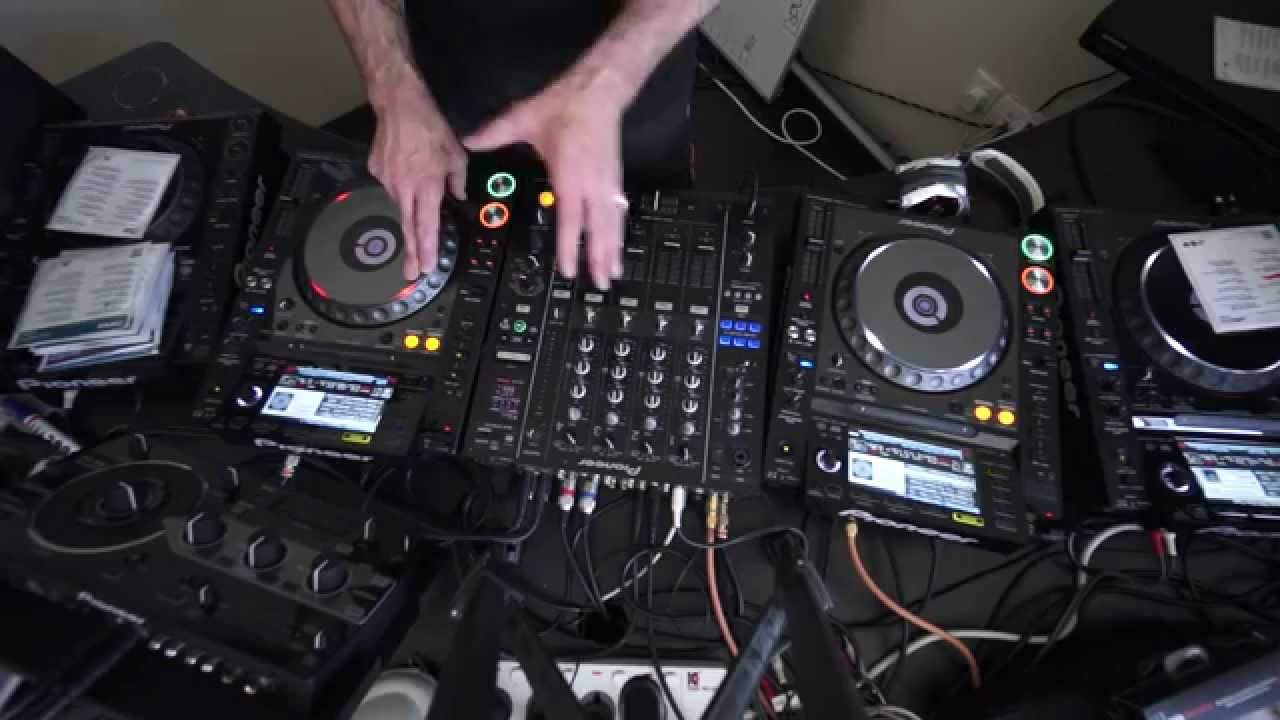
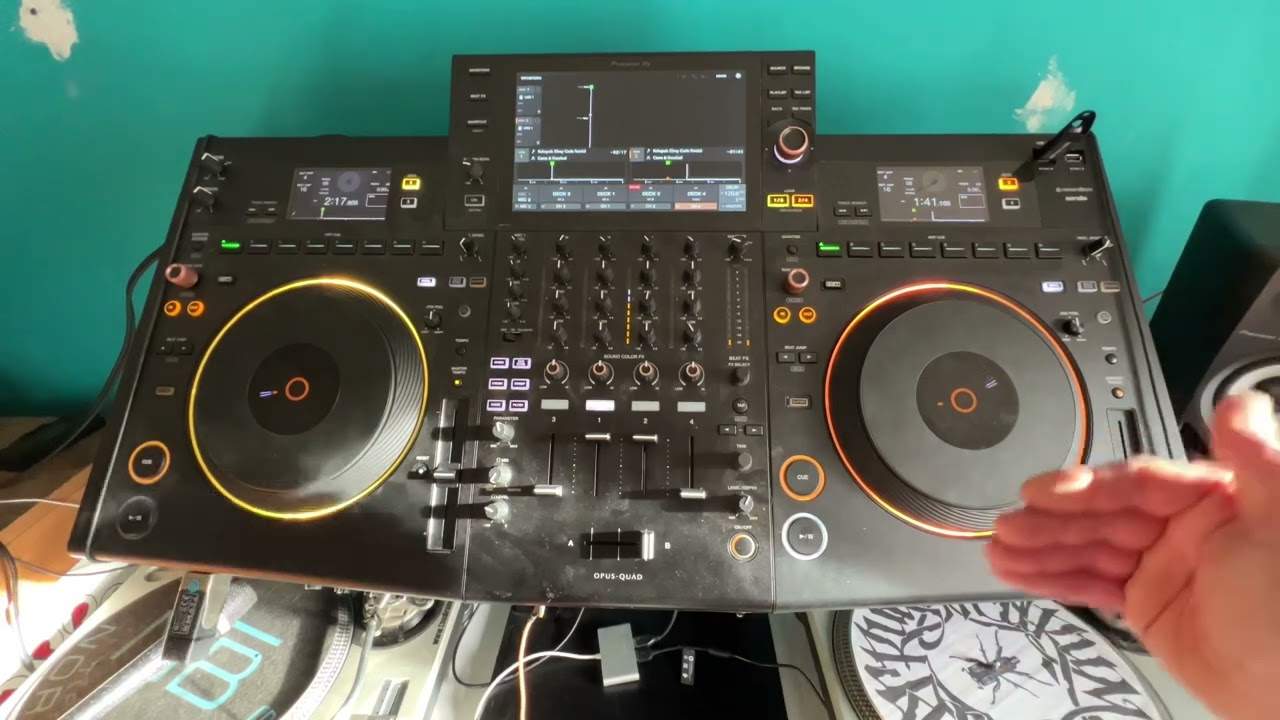
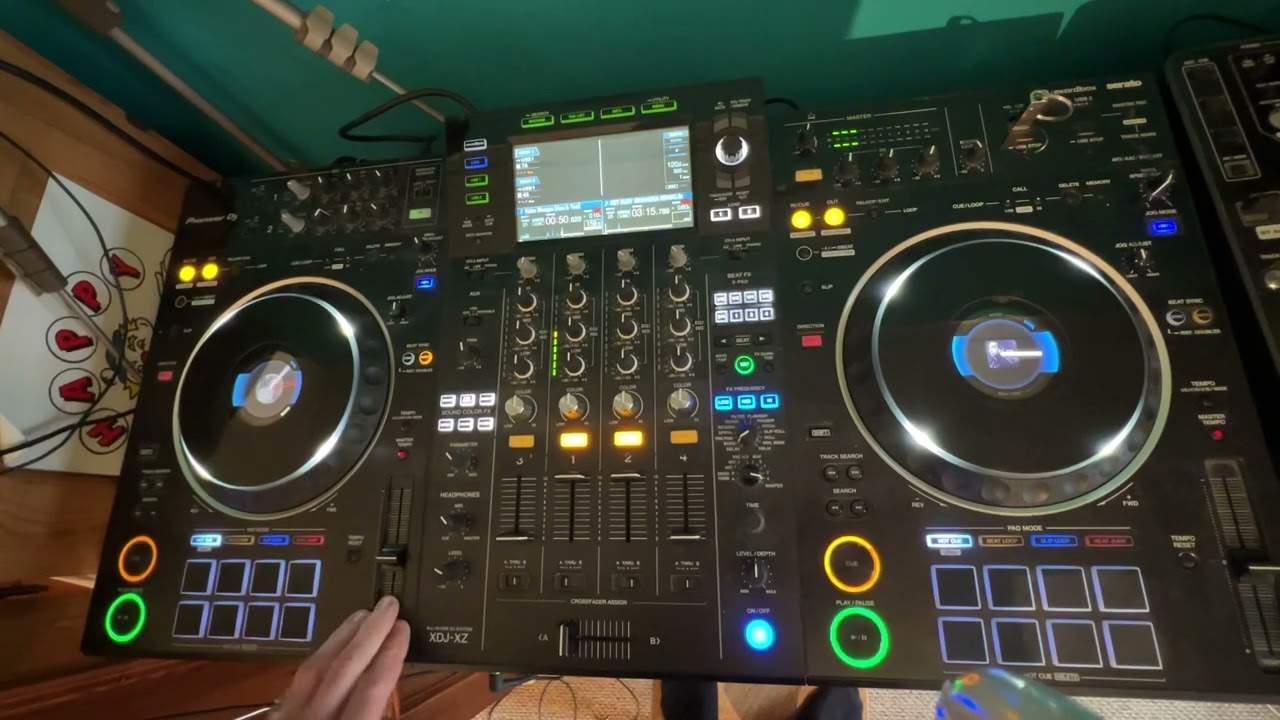
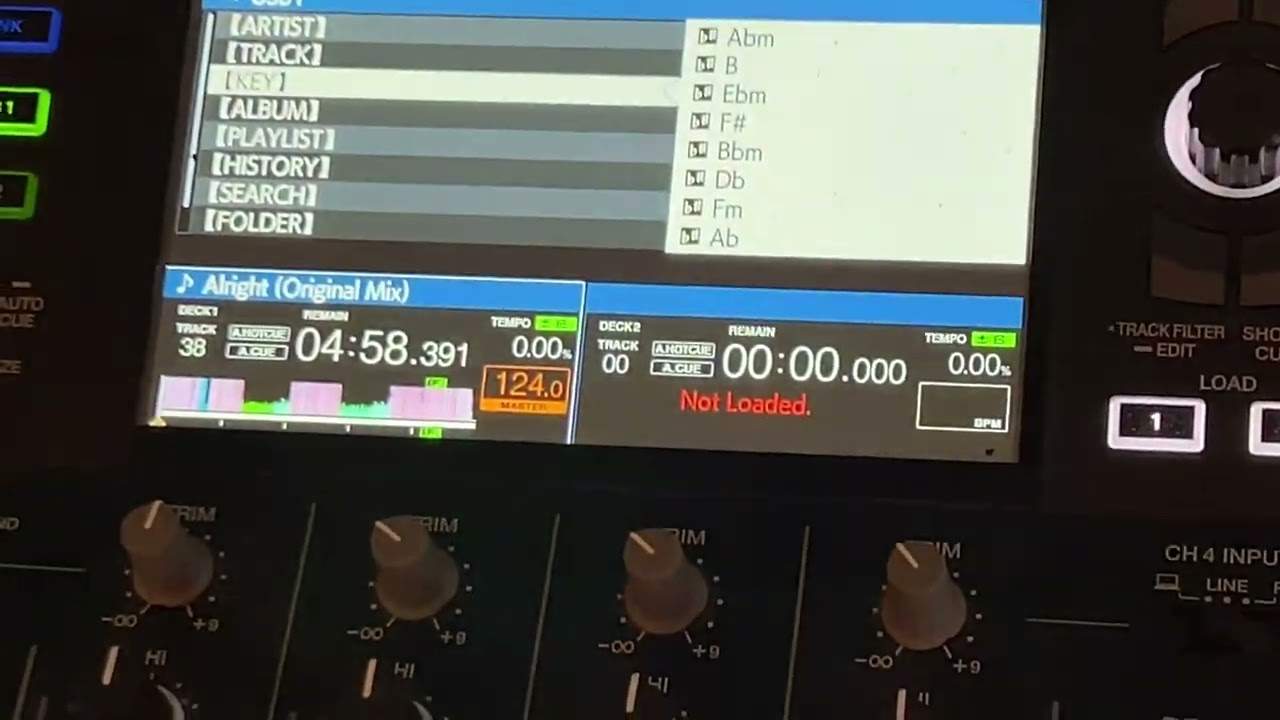
Okay, so I've been asked to do more videos on learning how to mix 80s, but what we're going to do is we're going to go into the ethics of mixing, which is with vinyl as well. So real vinyl, real 12-inch and no laptop or screen, nothing at all. It's just basically hope for the best. Well, it isn't really because you should sort of know what you're doing anyway. Now then, the thing is with today's DJing is I would hazard a guess to say that the greater percentage of modern day DJs, or for that matter, the greater percentage of DJs today will be using some form of technology as in a screen showing them what to do, when to do it, how to do it and why you should do it. In other words, all the information is on the screen and all you really have to do quite often is press A.
Now with using real vinyl, you haven't got that, so it is a lot more difficult and I mean, you can agree with me or disagree with me, please in a comment tell me if this is right or wrong. But I would say that a lot of DJs who've never used vinyl have only used controllers and a screen. You put them in front of a couple of turntables, give them a bunch of records and they couldn't do it. All right, they just wouldn't have a clue. They would not be able to even form some kind of mix and I'm not saying that's a bad thing, but what I'm trying to say here is, you know, by all means acknowledge and embrace technology, but it's always a good idea to look where it started, where it originated from, do some research, do your homework and maybe go back to basics.
1:59 Music and I've got Oliver Chetnam
All right, let's move on to music and I've got Oliver Chetnam, Get Down, Saturday Night, which are the originals. Now, when you mix old school tunes, okay, now this is general, this isn't just these tracks, the variation in music during the course of the track does change. So you may find you could have a track that just doesn't sound right at the beginning of the other song, but then halfway through. The other song, this track that you want to mix in seems to work well there, but then later on it doesn't. So that's something, first of all, which is a big hurdle because you're playing a track and say, for example, I am playing Raw Silk Do It To The Music and I'm thinking, what will go with that? And I put another track on the other side, I think, no, it won't, it won't work.
But then later on during the course of Raw Silk Do It To The Music. It then sounds as though it will mix in because of the music changing. Now, this does happen with modern day music, but not as much now with dance music, because what you find with a lot of modern day dance music, it will be at one key. There may be a bridge there, it may change slightly, but generally it stays the same key at the same sound. Therefore, when you bring another track in. That's the same sound. You can bring the other track in anywhere during the course of the first track and they'll mix harmonically. Now, that's the first hurdle with old school music about finding the precise moment or the moments when you can bring in the next track.
But of course, then we've got to add to that another hurdle, which is being able to beat myself. What's the right BPM to match it? What's the right BPM? So, for example, let's say I set Get Down Saturday Night into Raw Silk Do It To The Music at the beginning and it was beat matched. OK, fine. I've beat matched it by ear because, of course, that's all you've got to do only to find that when I do eventually bring it in, it's now offbeat because old school tunes on all of them. But a lot of them. Most of them are offbeat. I don't really know the percentage will have a variation in BPM as well. So you need to think about that. Now, this is where I've learned through my years of experience how to mix and beat match on the fly because back in the day, that's what you had to do.
4:50 You couldn't beat matches at the beginning
You couldn't beat matches at the beginning. Think right. It's in beat and then throw it in only to find that it's in beats when it's now out. And it's now out of beat. So there are all these variations and it's a minefield. This is why, as I said earlier, a lot of modern day DJs, you stick them in front of a couple of turntables and they just like wouldn't have a clue. So again, I'm not going to use much of these tunes because of copyright issues. And again, I ask on the odd occasion, but I don't make money from these videos. So if they are helping you, there is a link in the description. To a donation button and it's through PayPal. So it's all legit. And if you want to chuck us a couple of quid because you enjoy my videos, thank you.
On the other hand, you can just send me loads of verbal abuse via a message down there. Anna, thank you. I'll just reply with more verbal abuse. Right. OK, so let's have a look. So I'm going to play little bits of this. So hopefully I'm not going to get any copyright issues, but you'll get a general idea. So raw silk. Do it to the music. You see now back in the day as well, when it was mostly analog. If the DJ or the producer mainly wanted to re-edit the track, they had to cut up tape and slice the tape together. So there wasn't any computers. It was literally cut and sliced. So for example, if they, you know, if it was on the beat, you know, one, two, three, four, and they sliced it on the one and then they brought the one in where they got the other segment of the track and join those two bits of tape together.
7:00 That break where I'm going
Even though by ear it may sound as though it's in time, the actual micro timing of that slice could have been two or three milliseconds out, which means you've got a slight jump and a variation in the time signature of the BPM. I know it sounds bizarre, but it's true. OK, so. What we could do here is just get the beginning here. We could just do a chop, get it ready. I've got my hand there. All I'm going to do is chop it in something like that. But don't do that. Alternatively, if we go back again, let me just show you that break where I'm going to bring Oliver Chetnam in. But what I'm going to do is I'm going to have to throw that one in and I'm going to take the bass out. So if we go, bring the needle back.
Got my headphones on.
9:32 Next level now about changing
Something like that. So again, the mixes quite often with old school vinyl are very quick. You know, you haven't got that extended kind of 32, 64 or even 16 bar break. You do have them. But then when you have those breaks, as I said earlier, the DJ stroke producer or maybe again, the producer at those back in the 80s may have had to splice slice that break in. So as soon as you go from the chorus verse chorus verse to the break, the you could the beat could be off a few milliseconds. It's it's an absolute. It's an absolute minefield. But once you get the hang of it, you know, you seem to it. Everything happens automatically. It's almost as though you expect the unexpected and you're ready for the unexpected.
Now this this is where we can go to the next level now about changing the actual key of the track to match the other track. So what I've got here is I've got two classic cuts. This is the Jones Girls, Nights Over Egypt. And I've got they're both amazing tunes. Murphy's Law. So have a listen to these two. And then Nights Over Egypt. Absolute classic tune. OK, so what I'm going to do here is I'm going to have to bring the speed of Nights Over Egypt up. To match the sound of Murphy's Law. So something like this, something like this. Just let it play a little bit longer. Hold on. Maybe put it forward. Something like this. Something like that. I'm just going to bring it up to sort of plus three percent now again.
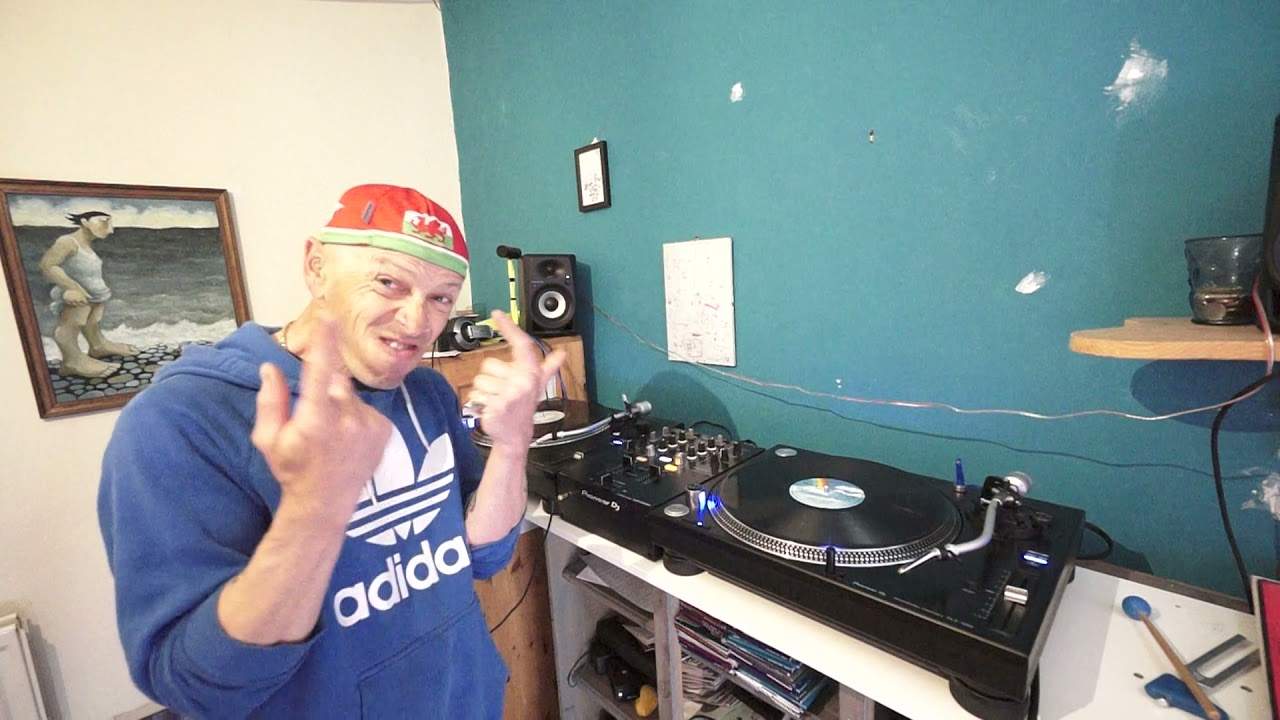
So the rule of thumb with vinyl at the moment, I've got plus and minus eight. I'm using the PLX 1000s from Pioneer DJ. And you can set the pitch to plus 16 and plus 50. But when you do that, I would more so use 16 and 50 if I was going completely digital and using some sort of software. Eight is definitely a must if you're only using vinyl. Because if you do increase or decrease by anything above or below three percent, you will indeed start to change the overall sound of the track. So again, this is something that doesn't happen with the likes of laptop stroke controller DJing because you have this wonderful feature called Key Lock or Master Tempo. So it doesn't matter how fast or slow it is. So long as Master Tempo Key Lock is engaged,
You will keep the sound of the track. So let's have a go here. So what I'm going to do is, as you can see, I haven't touched the pitch there.
12:45 It won't mix at this speed
I'm going to get this one ready.
Let's put it back a bit. So first of all, show you it won't mix at this speed. You can hear that sounds pretty crap. So let's bring it back again. OK, again, maybe slightly a little bit rough, but I had to speed that one up and I had to slow that one down for them to even mix harmonically. So again, another nightmare with mixing old school grooves.
14:17 Number one, it's about finding tracks, again, that are similar BPM
I probably could have done that a bit better, but there you go. But again, it's about finding, if I'm going to finish this video off with a couple of words. Number one, it's about finding tracks, again, that are similar BPM. Also that do mix harmonically. But you see, for example, if you've got two tracks that sound great together, in other words, the sounds, the keys are the same, but they're definitely different variations of BPM. One's like 115 and the other one's 130. Then the only way of really mixing those in is to chop them in. So for example, the slow one is 1-2-3-4 and then 1-2-3-4 bang straight in with the other one. Because if you start to form some kind of long transition, you're going to have to speed the one up,
Slow the other one down so they match in the middle. So now they may actually be in beat, but they may be out of key and they're also going to sound different because if you listen to the likes of say classic tunes like Michael Jackson, Robin Airs, anything ABBA, any sort of old school tune, Queen, stuff like that. If you start slowing it down too much or speeding it up too much with vinyl, you may be able to mix said track, the other track you want to bring in, but you're just going to make the original track you've slowed down or made faster sound just ridiculously stupid. Whereas as I said earlier, you don't have that with modern day technology. That's why this, if you can do this correctly, you know, you're in,
I would say you're in the 10%. Okay? Anyway, it's not to say it's a bad thing, but I hope this has been a help. Don't forget, leave some comments. And again, there is that icon if you want to send a little, I don't know, you want to send a donation because you think I'm doing a good job. Otherwise you could just ask me for money. But anyway, thank you for watching. Don't forget to like and subscribe more videos like this to come. And if you do want more videos on vinyl and mixing the likes of 80s and maybe even 70s or 60s or disco or soul or Motown or anything like that, then give us a shot and I will do my best. Practice and enjoy. Thank you.
This transcript was produced automatically from the audio of the video and may contain mistakes.