 5:51
DJ Mixing in Key Analogy to Help You Understand the Importance of a Smooth Transition
Contents of the video
0:00 Jonathan here, The DJ Tutor
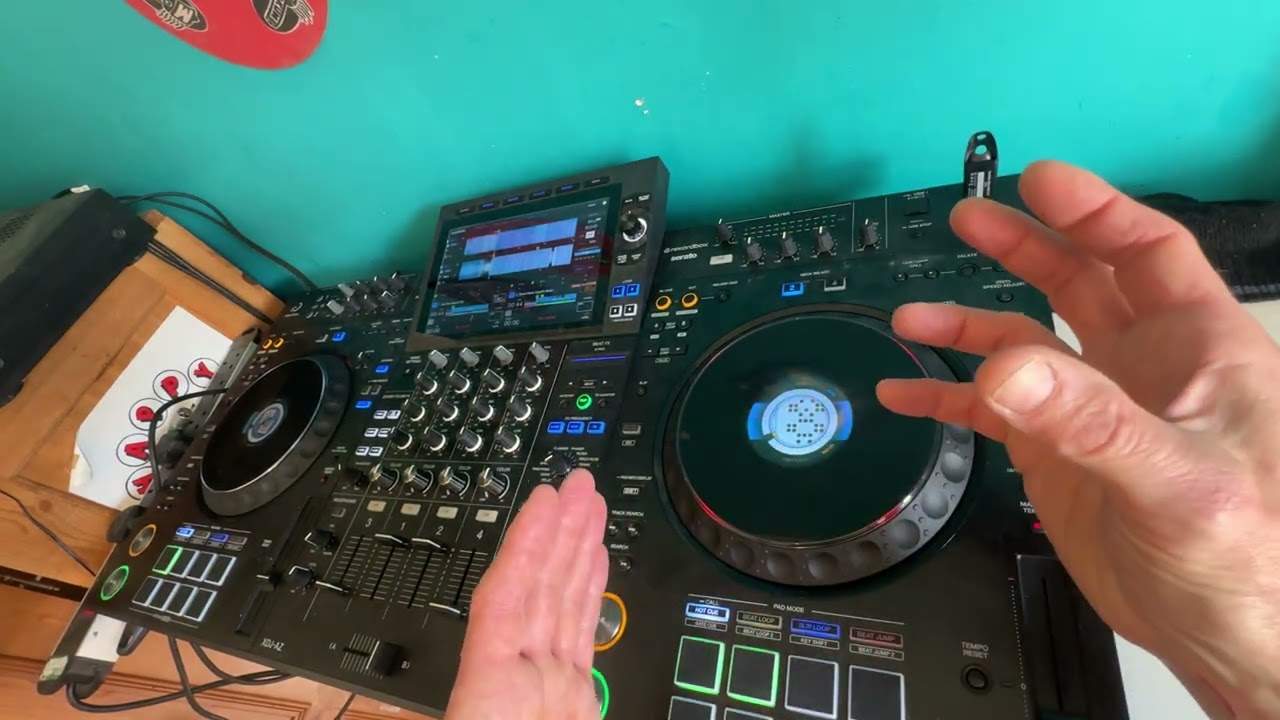
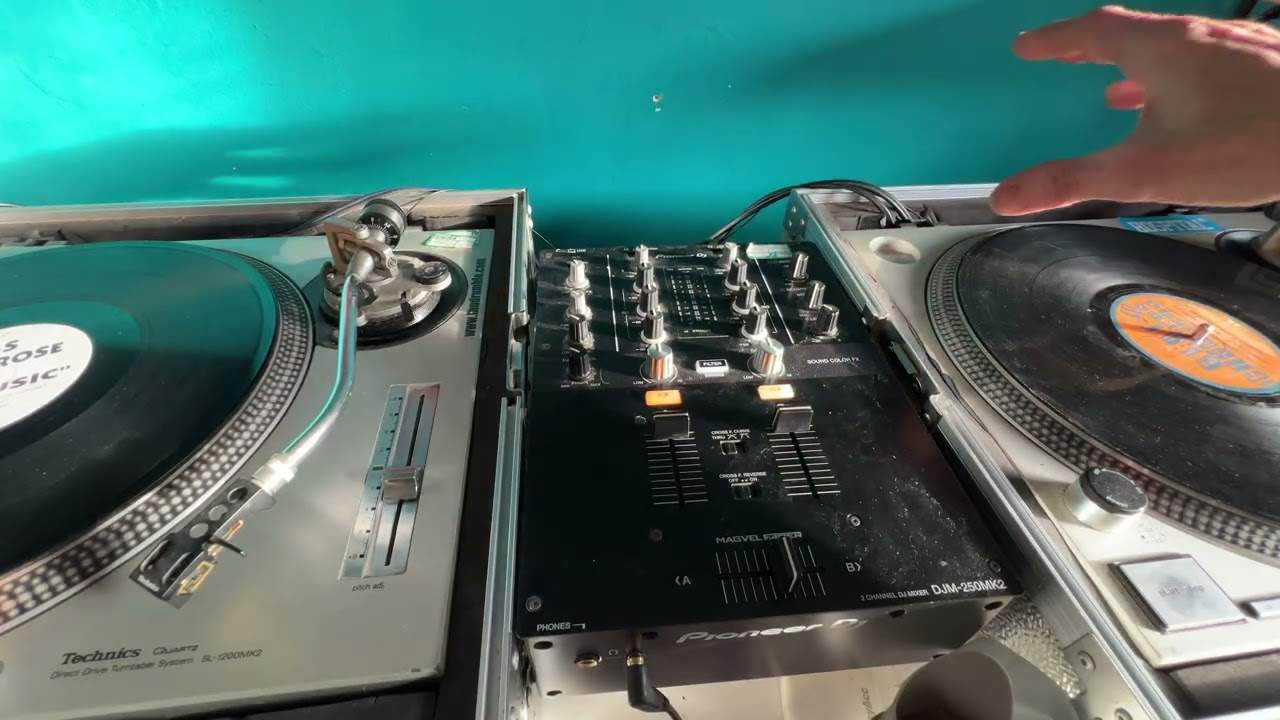
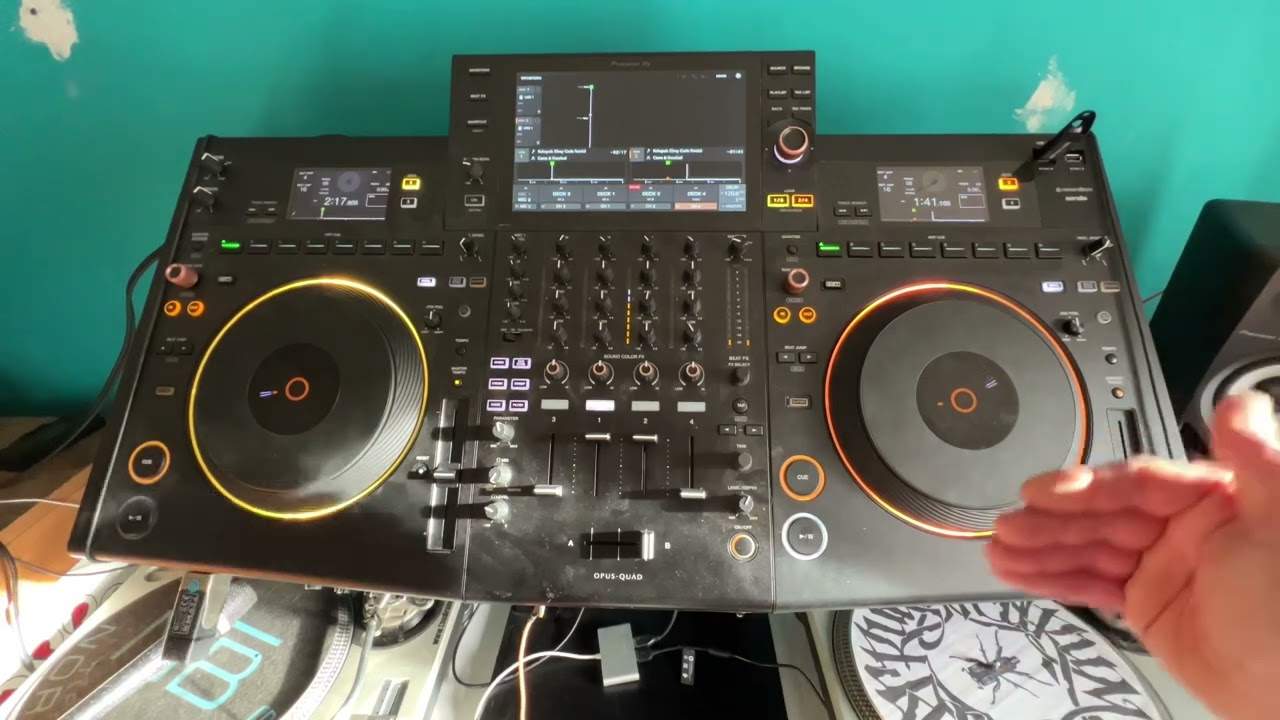
Alright guys, Jonathan here, The DJ Tutor. I'm going to give you an analogy on mixing music and I personally think this is the best analogy in the world and if you can understand this analogy, you will understand about mixing music. Close your eyes. Close your eyes. I want you to picture in your mind three rooms. One on the right, one in the middle and one on the left. Now these three rooms are separated by walls. There are walls all the way around the rooms and you only have two doors from the middle room. From the middle room there is a door to the right leading into the right room and from the middle room there is a door on the left leading into the left room. You are in the middle room and as you move
From right to left, you are the crossfade. The door on the right hand side is the up fader on the right deck and the door on the left hand side is the up fader for the left deck. As you open the door on the right and you open it more and more, that's the equivalent of you moving the up fader on the right hand deck up or down. The more you open the door, the more the up fader is higher. The more you close your eyes. The more you close the door, the more you'll bring the up fader down. Exactly the same on the left. The more you open the left hand door, keep your eyes closed, you are bringing the up fader on the left hand side up and the more you close the door, you're bringing the up fader on the left hand side down.
1:49 Playing wonderful, doors open, hear
Now then, three rooms. Each room is perfectly soundproofed except of course for the doors being opened. Now bearing in mind you're the crossfade and you can go from right to left. Now this is very important because the analogy I believe is perfect because the more the doors are open or closed, the more the crossfade you move from right to left, the more you can hear of one side or the other or both of them together if the doors are open and you're right in the middle. If the doors are open completely. If the faders, the up faders are all the way up to the top. Now then, let's sit, stand, whatever you want to do in the middle of the middle room with both doors closed. Now then, all of a sudden we've got two TV screens in front of us
And we can see a right hand TV screen and a left hand TV screen for the right and left deck. On the right hand side we can see someone playing a wonderful Steinway piano playing some wonderful tune but we can't hear them because the door is closed but we can see them exactly the same on the left hand side. We can see on a television another person playing another Steinway a beautiful tune but we can't hear it but we can see them on the television. Now what we're going to do with ourselves we're going to move to the right hand side as you would with the crossfade we're going to slowly open that door we're going to bring the up fader up and now we can hear that sound and it's a wonderful sound it's nice, it's melodic
It's in key it sounds fantastic We're now going to close that door bring the fader down and we're going to move back into the middle of the room of the middle room and now we're going to move to the left hand side and we're now going to do exactly the same with the left hand side we're now going to open that door very slowly and we're now starting to hear the left hand guy, lady, whatever playing a wonderful symphony and it sounds fantastic We're going to bring that we're going to close that door bring the fader down go back into the middle of the room What we're going to do now is we're going to make sure that they can see us there's a camera directly in front of us and we're going to do this We're going to move our hand up and down in time
3:53 Both, sounds, time
Now, both of these pianists can now see the timing of our hand and they will keep that time so they will both be in perfect time We're now going to go back Don't get me wrong This is really good We're now going to go back across to the right hand side open the door and listen to the symphony on the right hand side We're now going to move over in the middle room to the left hand side We've gone to the right we're going to move to the left and we're now going to open that door and listen to that sound But all of a sudden it sounds terrible because no longer are we only listening to one closing the door and listening to the other closing the door We're now listening to two sounds The sounds are in time It's a wonderful piano
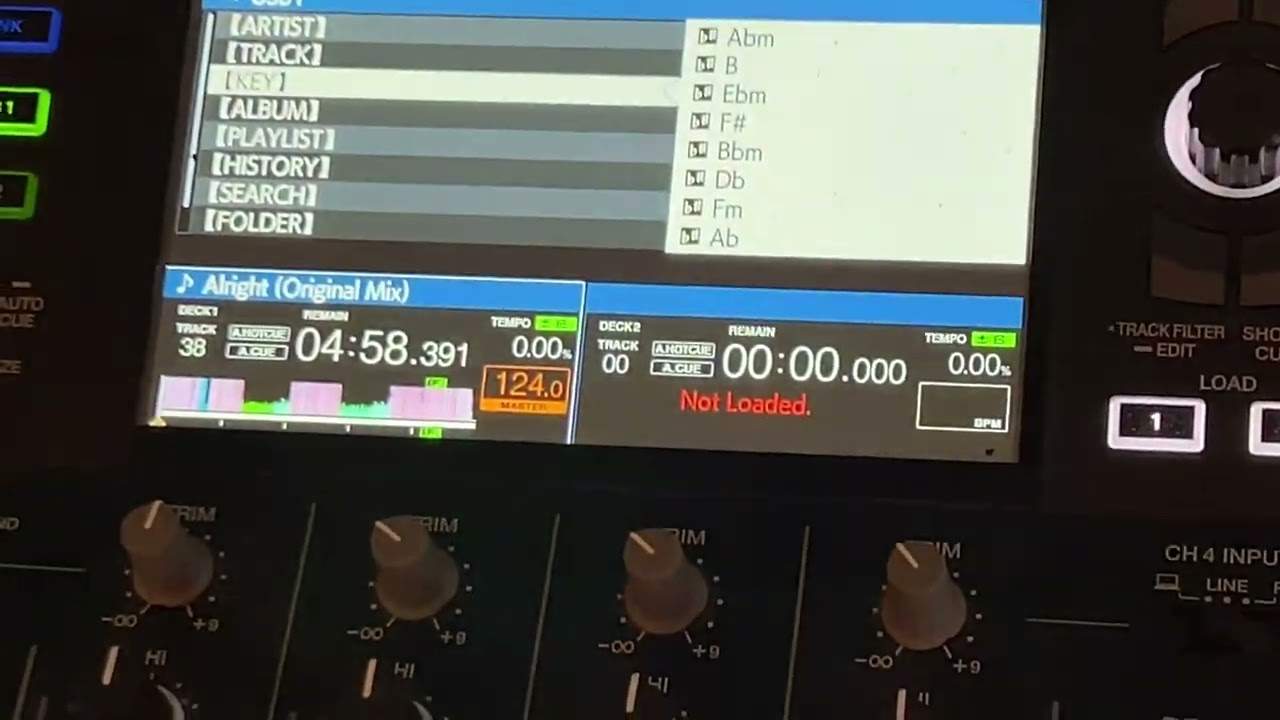
Both wonderful pianos perfectly tuned but they're not in key The sound isn't right Now this is mixing in key It doesn't matter how great the one sound is or how great the other sound If the two sounds do not work together they're not in key So let's have a look at the camelot wheel We want the sounds to be correct We want the sounds to be perfect Now let's say the guy on the right is playing in key A1 and the guy on the left is playing in, say, B2 It's highly likely that those are going to clash big time So what we need to do We need to explain to both of them either both play in B2 or both play in A1 Let's imagine they both play in A1 Exactly the same You're in the middle room right in the centre of the middle room
Both doors are closed You do that You move your arm up and down so they're both in time They can see you You can see them You open the right hand door You open the left hand door All of a sudden now you seem to have a nice melodic sound The sound of each piano complements each other This is mixing in key Practice and enjoy Thank you
This transcript was produced automatically from the audio of the video and may contain mistakes.