 8:42
DJ Mixing in Key Is Still Not Enough for a Smooth Transition
Contents of the video
0:00 And show you in greater detail
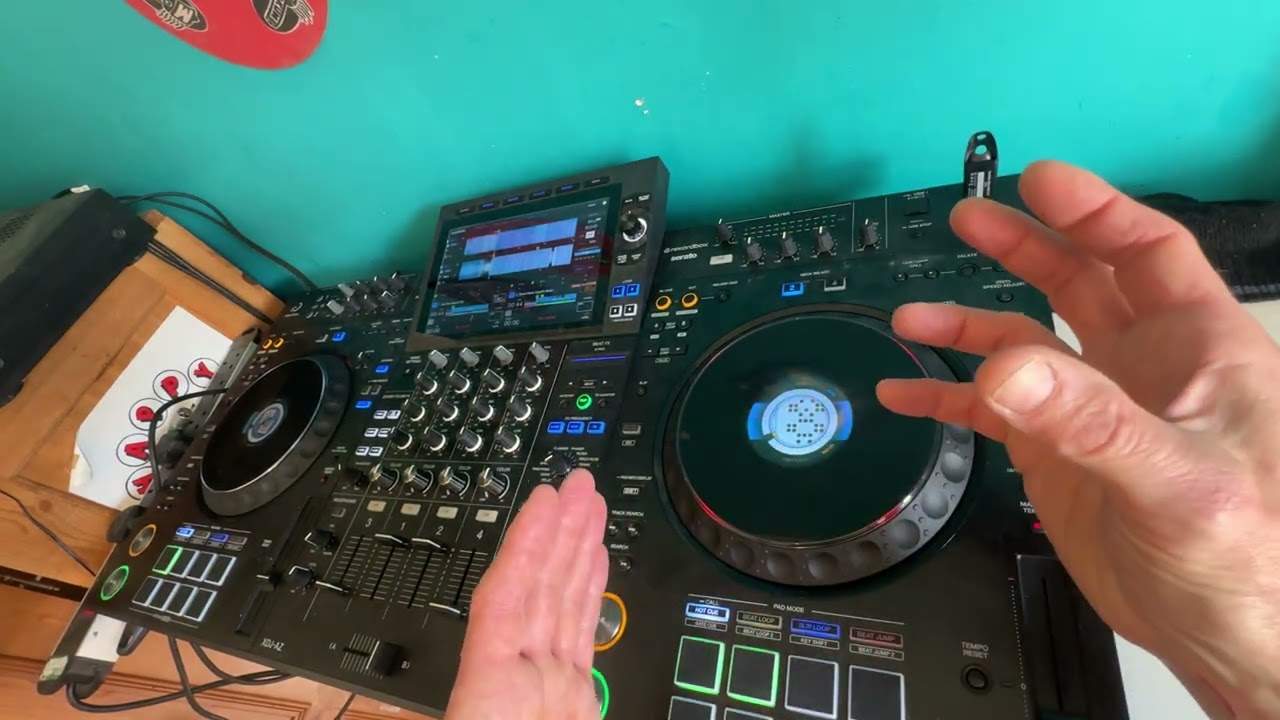
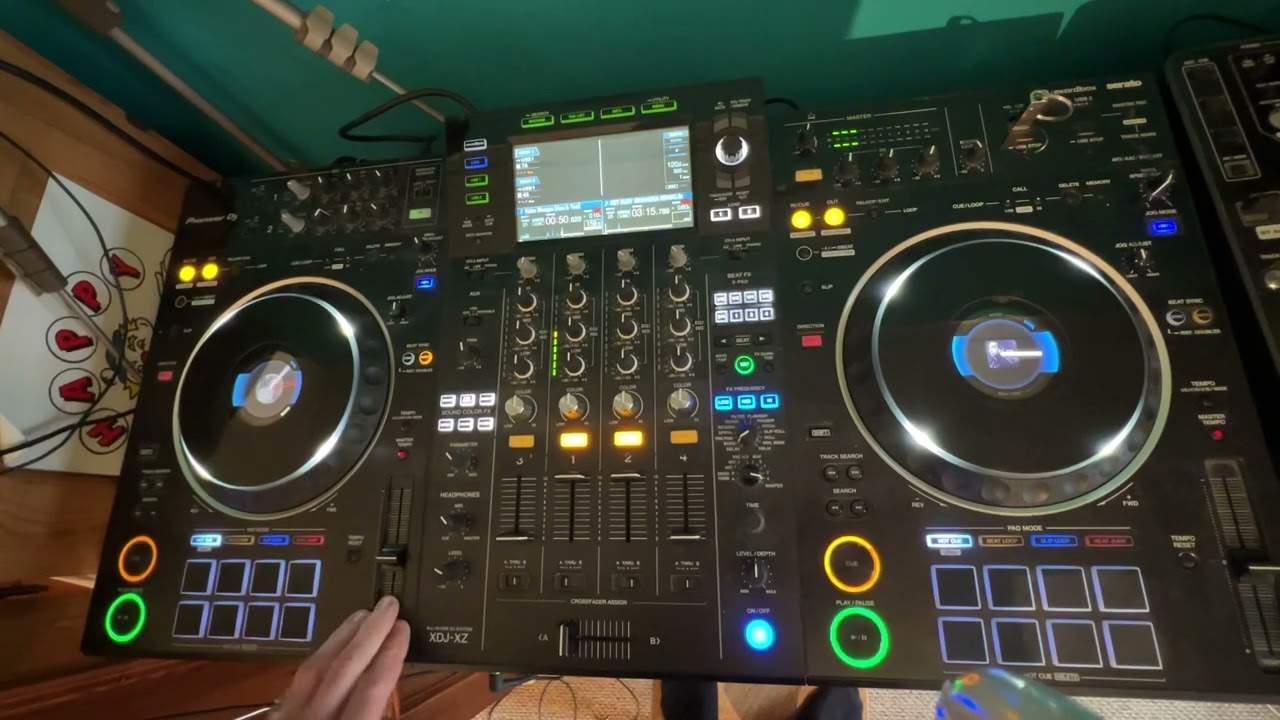
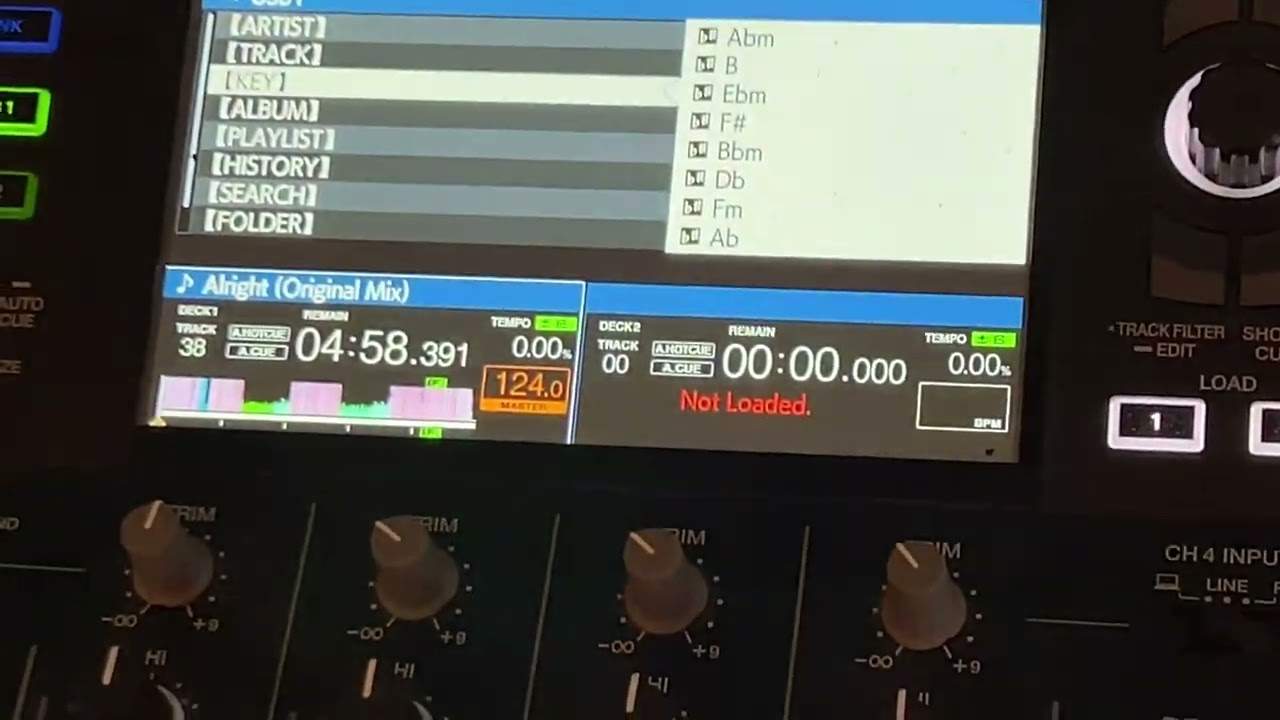
Alright guys, there's going to be a lot going on in this demonstration. So I'll give a demonstration first. The track or tracks may start and stop. You may see me sort of moving things around, trying different tracks. But after I've had a mess around and a bit of a mix, I will explain and show you in greater detail with the explanation. I'll pretty much explain exactly what I was doing, why I was doing it and what the hell was going on. So let's just play this track here. And I'm going to skip to something else. Just a matter of interest as well. All of these tracks are in the same key. So just bear that in mind. Okay, I'm now going to do another mix. So I'm just going to set a different cue point to give me a bit of a counting to the track.
So I've got that point there, which we can class as the beginning and or end of a phrase.
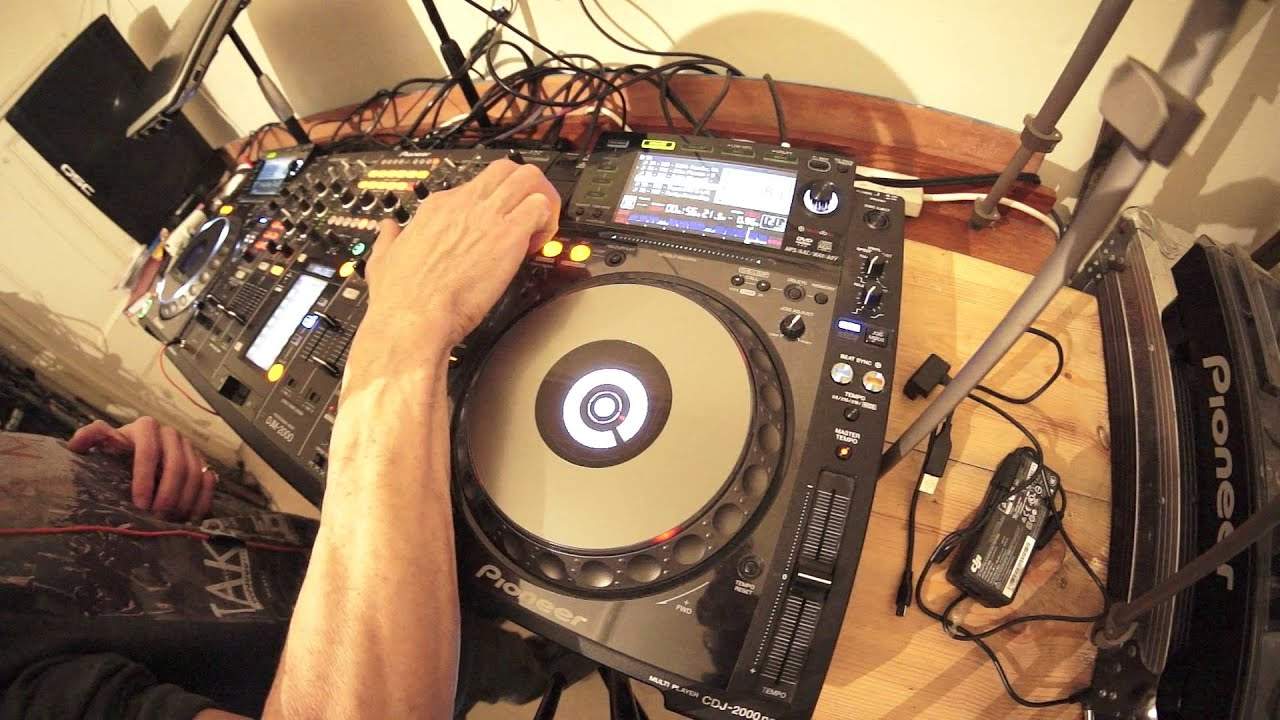
Anyways, I've got the deck like this so I can get my hand in.
Okay, third mix. So here we go.
4:58 Promova, P-R-O-M-O-N-O-V-A is going to be the original mix
Promova, P-R-O-M-O-N-O-V-A is going to be the original mix.
Okay, so the explanation on what the heck was going on there.
So three mixes using the same first track, three different tracks. Now a lot of people... seem to be getting confused about mixing in key. It's a great thing to do, to mix in key. And I've said in not many videos, in a lot of videos, we all make mistakes. I sometimes bring in a dodgy tune and think, you know what? I shouldn't have brought that one in. It may be in beat, in phrase, but it may not sound right. If it doesn't sound right, it's highly likely it's out of key. But imagine this if it was in key, but it still didn't sound right. What is going on? Well, this is where we're taking your mix to the next level. Where not only do we want it in key... It's asthma, don't worry about it. Not only do we want it in key, but we need to keep that vibe, the flow, the energy.
So the first track, it was in phrase. It sounded relatively okay. But there was something missing, the second track again, the same. There was something missing now. Okay. Yes. The third time I mixed, I formed a loop at the end to just elongate the last bit before you had that guy sort of say a few words and it finished. But listen back and you'll hear that the third track seemed to keep the same kind of vibe. Now, a good way of listening. To it is close your eyes, just close your eyes and relax and try and imagine that you're on some form of which I do sometimes. It's a good way of imagining the vibe. Imagine you're on a boat and you're on water and the water is gently swaying you from side to side. Now, the analogy here is very simple.
The boat is the kit you're using and the water is the music, the energy that you're getting from the surrounding music. So even though you're using the same kit, you're in the same boat. If you change that music, give the music you're bringing into the mix a slightly different energy. What will happen is the boat may start to rock a little bit more or even slow down. Now, of course, there is another way of looking at this. Maybe you do want to change the energy of the mix. Maybe you do want to make it higher or lower. You can do so. But this tutorial. Is about keeping that beautiful flow, that line. So if, for example, you have in your collection a thousand tracks in F major or a thousand tracks in B3 in the Camelot wheel,
That does not mean to say that all of those thousand tracks will mix perfectly together and you can do a blinding set. They may be able to mix harmonically together, but if you mix just one key all the time, it's going to sound very bad. Very boring. Not only that, if you choose the wrong track into the one beforehand, it's not going to keep a good flow. Therefore, constructing your mix prior to or maybe knowing your tunes is the key. Practice and enjoy. Thank you.
This transcript was produced automatically from the audio of the video and may contain mistakes.