 4:58
DJ Mixing Lesson on a Long Transition with Future House Sounds
Contents of the video
0:00 It's that long smooth transition
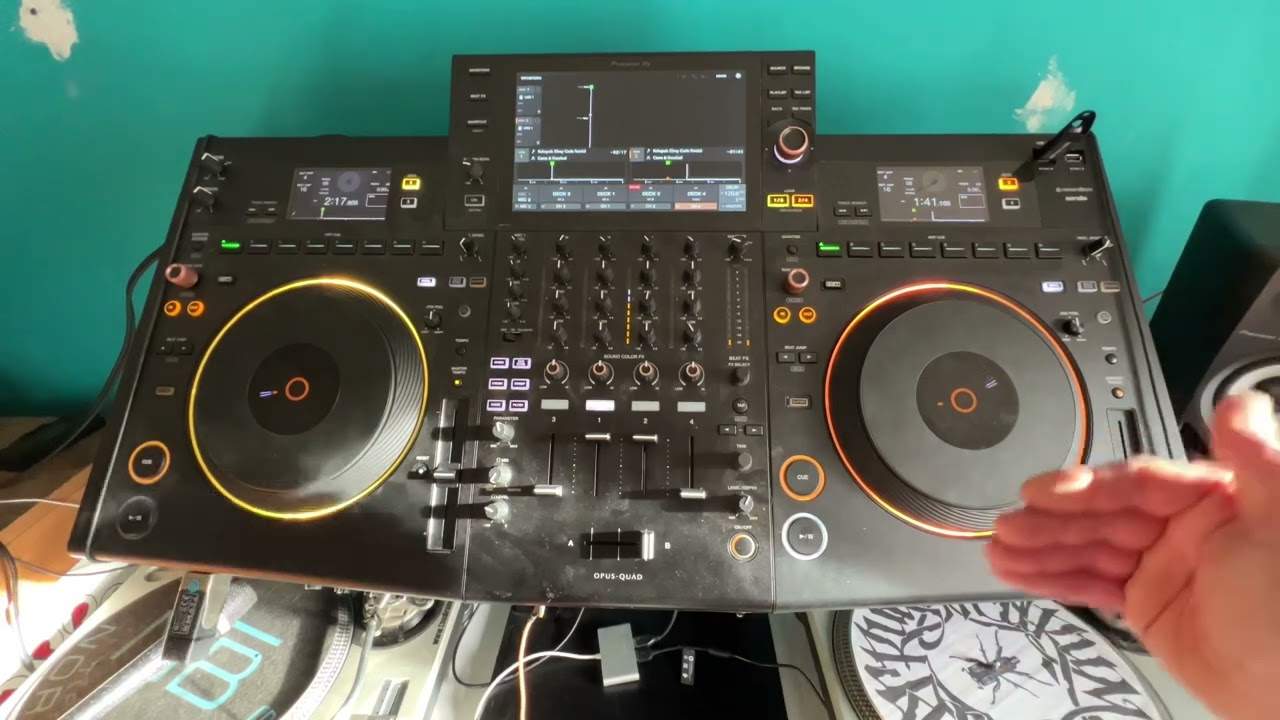
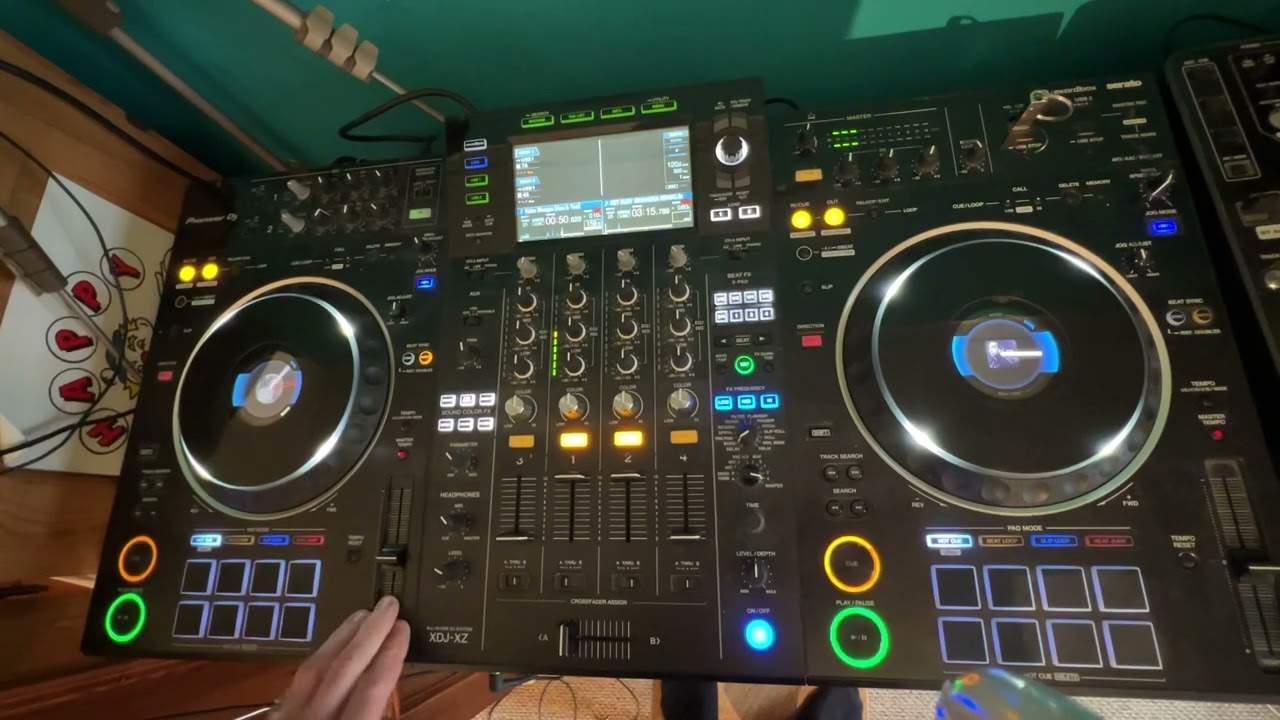
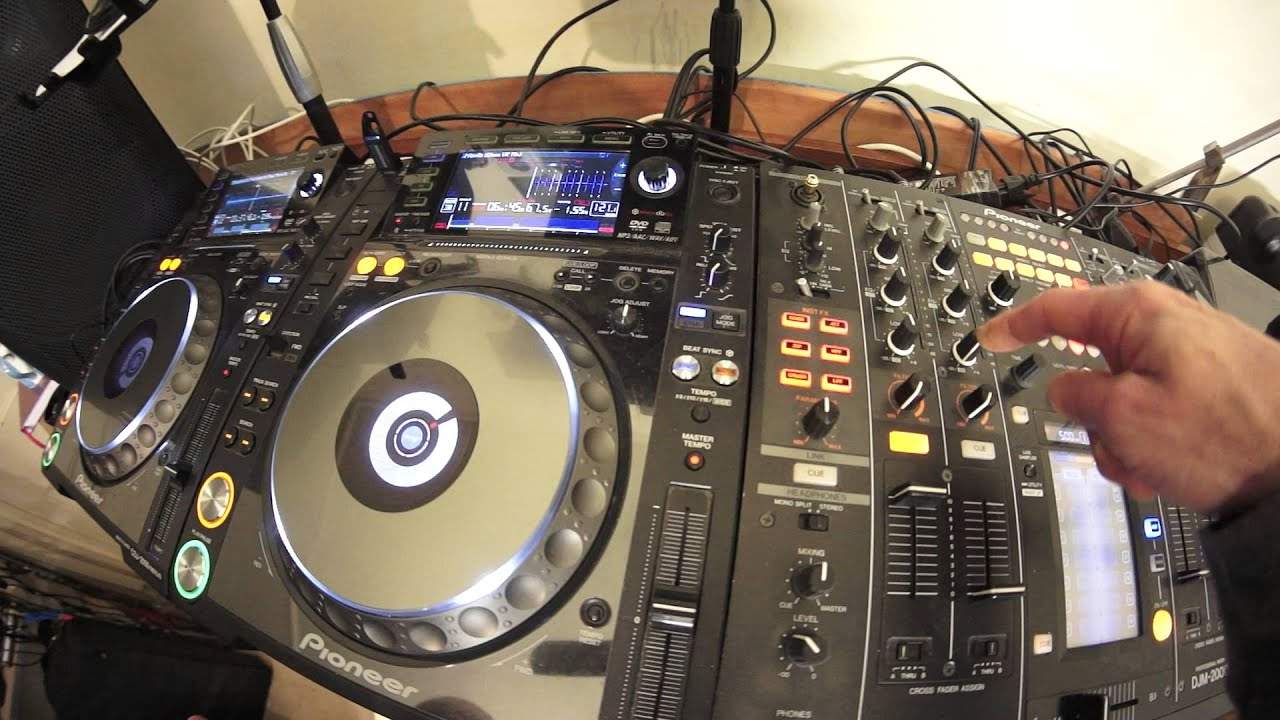
Alright guys, in this tutorial we're going to be doing one of those mixes that 99% of DJs aspire to doing. It's that long smooth transition. Two tunes I'm using is Apollo, this one on the right hand side you can't hear at the moment, Slave UK mix. On the left hand side, Everybody Put Your Hands Up by Mr Lenny Fontana. A wonderful tune from Karmic Flower Records, I'll put a link in the description. So, long mix. First of all we need to make sure that the two tracks we're using are slightly minimal maybe. There's not a lot going on because if you imagine if you're going to have a long transition with two tracks running together, the last thing you want is a lot happening. If you've got too much going on then of course what that means is you will have too much in the mix.
The analogy I give you, it's a little bit like having two separate brass bands. One you can listen to, fantastic, the other one by itself of course you can listen to. You put those two brass bands together and if they're not playing in time, they're not playing in key, they're not playing correctly together, it's just going to sound too much. It's going to be, the mix is going to be too big, completely too big. The next thing is of course you've got to make sure that you've got enough bass. You've got to make sure that where you mix the one track into the other one, the track you're bringing in has got a nice long introduction. Now we're not on about inches here, we're on about bars, more importantly phrases.
1:39 The last part of let's say the last few phrases
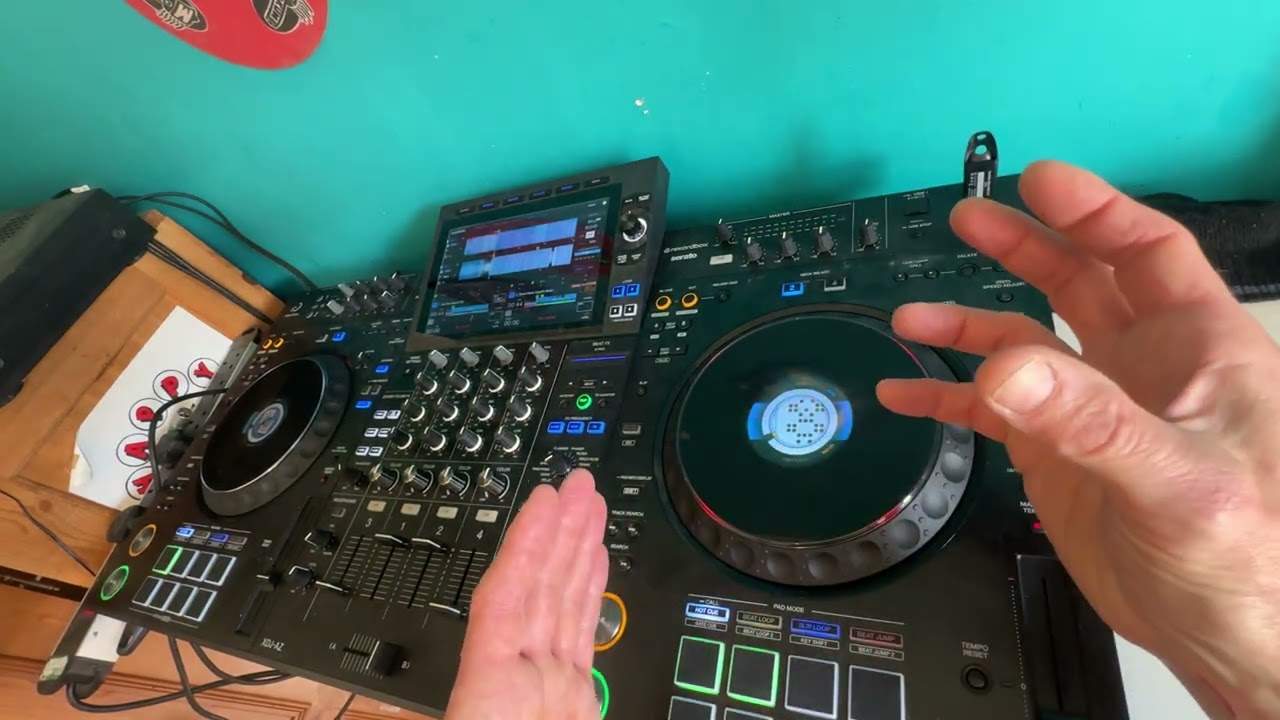
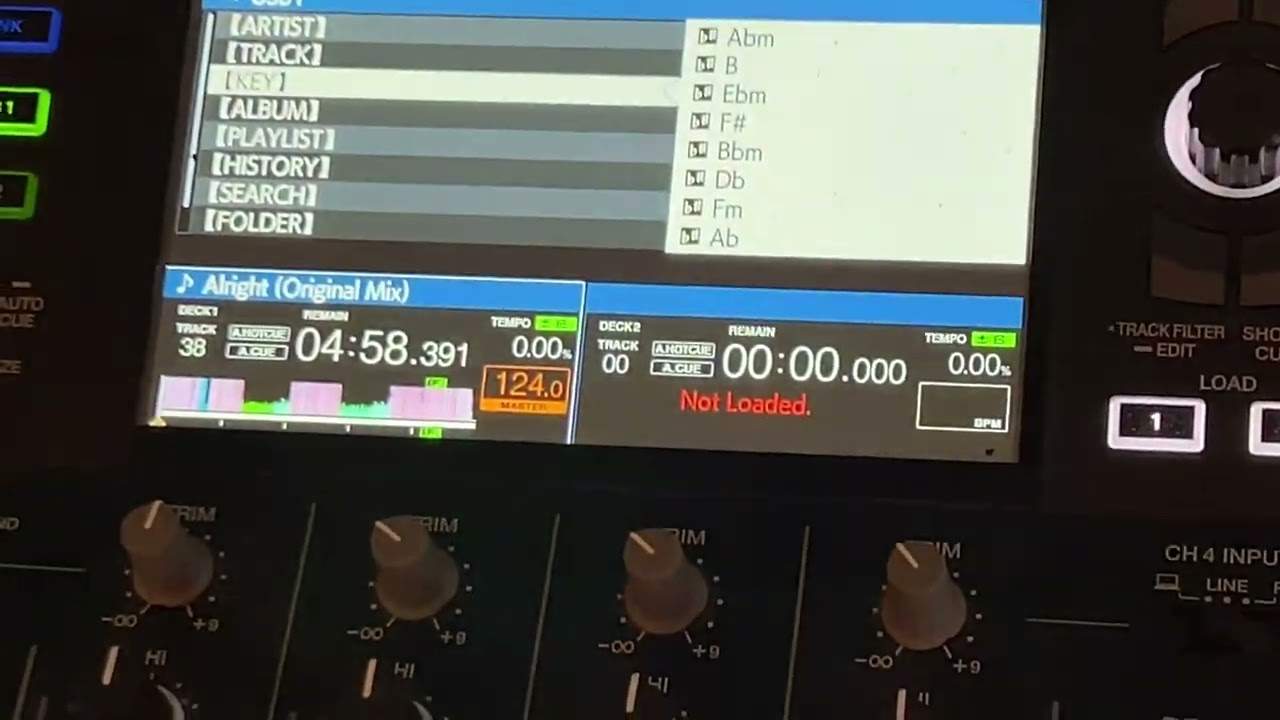
Now this track here, the Apollo track has probably got 32 bars before it kicks in. So what we need to do is work out how many bars we've got with the track that is going out of the mix and see if we can match up bars and phrases. So everybody put your hands up, this is, we're getting towards the latter part of the track and there's quite a bit of this track left before we get to the end of the track itself. The last part of let's say the last few phrases. Okay so there is a slight subtle change in the track here. I'm just going to set a hot cue point here. What I'm going to do, I'm going to start to bring the next track in at that point. Also what I'm going to do is I'm going to reduce the low on the track that I'm going to be bringing in.
3:17 Match them with the track in and slowly increase the bass
I'm also, I'm not going to be using the crossfader, I'm just going to be using the up faders and what you'll see me do is not just have bring the up fader on the track that's coming in all the way to the top. I'm going to slowly bring it into the mix. I want to have a smoother transition as possible. Okay, so I'm going to go to point A again. Go back a little bit. Just give me a bit of time to count the track in. Point as well on the cue. Match them with the track in and slowly increase the bass. Increase the bass on the track coming in. Decrease the track going out. Bring the volume up a little bit more on the bass on the track coming in. Bass slightly out on the track leading out. Going out. And then we're in with the break of the next track.
So as soon as everybody put your hands up, finished, we leaded that in with a break and then followed kicks. If you need help, check out my channel.
This transcript was produced automatically from the audio of the video and may contain mistakes.