 7:42
DJ Mixing Lesson on Bhangra and Bollywood Styles BY Ellaskins
Contents of the video
0:00 Or maybe describe a Bollywood tune
Alright guys, Jonathan here, The DJ Tutor. First of all, Namaste. Now, I must explain, I am in no way fantastic at mixing the likes of Bangra, Bollywood or any form of, let's say, Punjabi music. But what I can do is I can help you and show you. Now, let's first of all look at or maybe describe a Bollywood tune or a Bangra tune. What you'll find is that in some of the tracks, the phrasing is very short, there's a lot of vocals, there is a lot of music, there's a heap full of music, there are very few breaks and there seems to be very few points in tracks where you can mix another song in. It's an absolute, it can be, an absolute minefield. Now, in this video I'm going to show you one way of many how you can mix one track into the other. The names of the tracks will be in the description of the video.
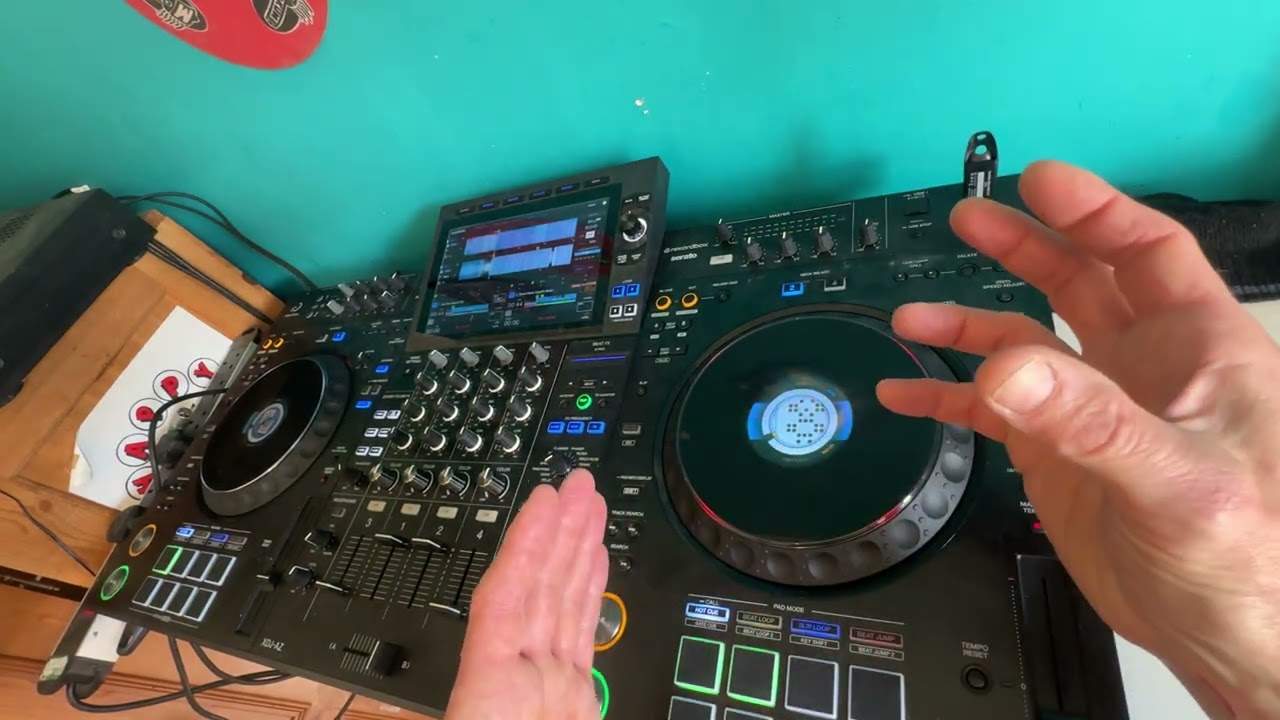
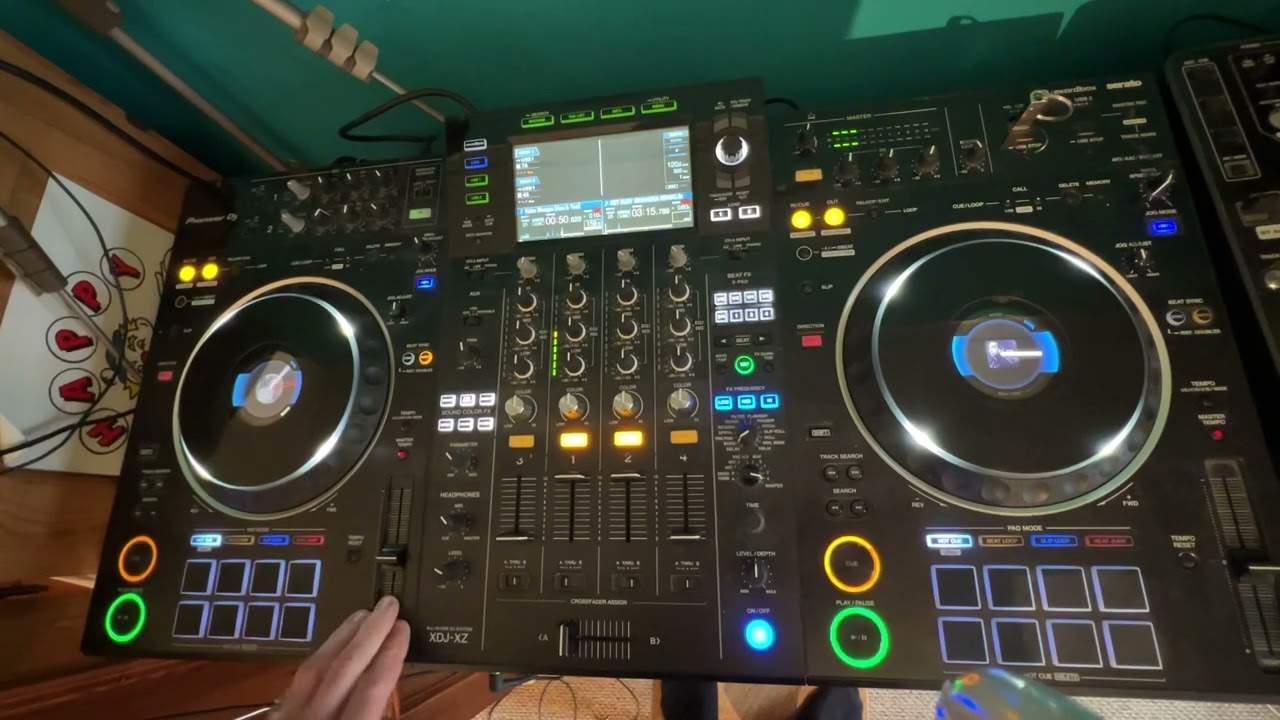
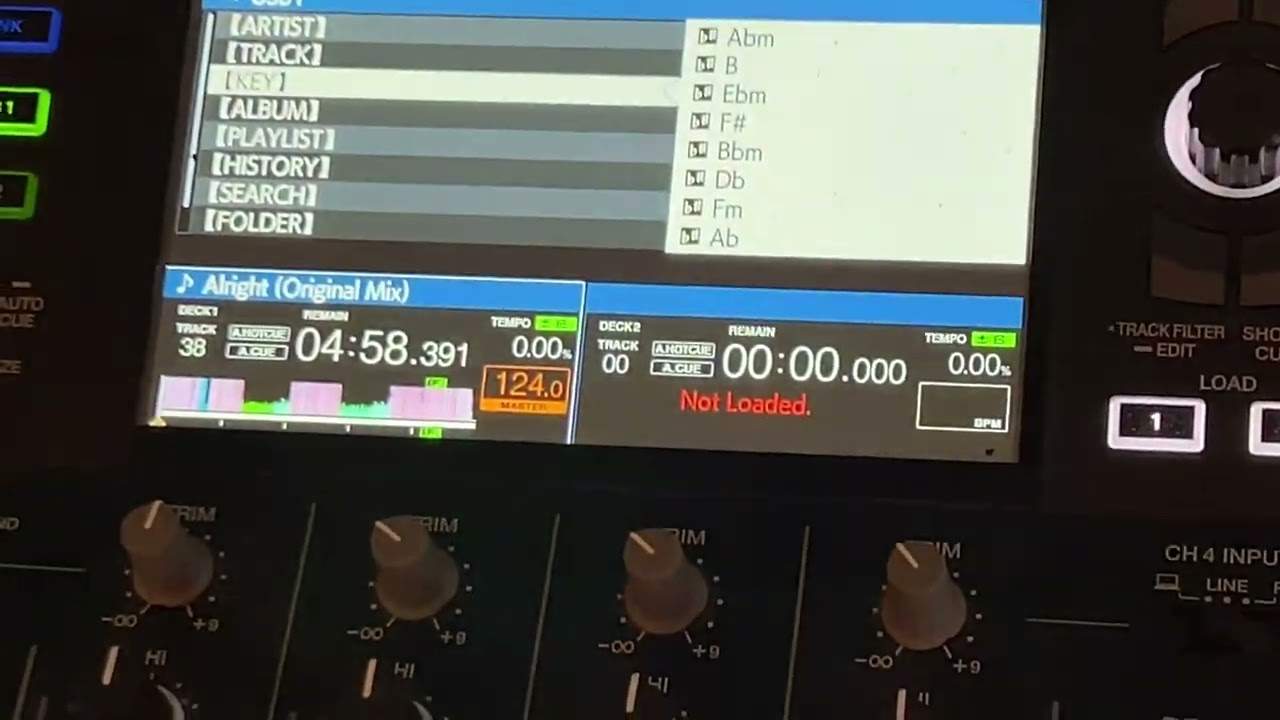
Okay, so let's just put the camera down about there. In fact, I'm going to try and put the camera a little bit closer and anyone who watches my videos knows that they are very random. And anything can happen, which undoubtedly does. Right, I've just moved the screen so I can see what I'm doing. Okay, so what I've done is I've set a cue point here. Have a listen. Vocals come in. Now, first of all, let's have a listen to how the track originally started. So now for a lot of people you may find there's no timing there. You know, what's going on? Well, we could class that. Yes, it's the beginning of the track. It's the introduction. But you'd be a bit of a muppet if you started to try and mix there. I'm sure people can do it.
2:36 This for the partially sighted
But what you need to do first of all is find a point in the track where you have a definite one. The one. The beginning of a bar. The beginning of a phrase. Some think where you know. Do you know what? I can hear something. I can hear some form of structure in the track. That's exactly what I did here. So let's start from the beginning again. Now, I don't know if you noticed as well. I'm going to explain this for the partially sighted on the LEDs on the channel that tracks coming through when you have that beginning. It was really, really low. So imagine this. You're listening to the track for the first time and you're thinking, Crikey, that's low. Turn it up. And then if you do turn it up or you did turn it up.
When this part of the track comes in, it's going to be completely overpowering. I'll demonstrate that by turning the volume down as well. So let's start from the beginning again. OK, so. OK, now turn that down a little bit. So the LEDs are just tapping into zero one plus two. Now that boom straight in the red. So that's another reason maybe just this track itself not to start the track right away. Right at the beginning. OK, I have got that track now set at the count of one in a bar. So what I'm going to do now is count how many bars we've got before the vocals come in. One, one, two, three, two, one, two, three, three, one, two, three, four, one, two, three. OK, vocals come in after four bars. Now again, something with Bangra that is very important.
4:38 Bridge where it changes slightly
You will find that in a lot of modern day dance music, you've got a steady flow of one key. Now this isn't general. This is no, I suppose it is general. You do get the odd track that won't have this format, but you will have modern day dance music. It will be generally in one key. You go to the bridge where it changes slightly and you go back down to the original key, the original sound and away you go. What happens a lot of times with Bangra and Bollywood? Style is there will be a bridge. There'll be quite a few bridges in the track high up, down, up, down. So of course, if you start mixing your next track in at the wrong point, even though where you started to maybe listen to the track that's playing and you thought, you know, the other track I'm bringing in sounds fantastic.
If you start mixing the track in at the wrong point, you may be mixing in at the bridge and it may sound off musically off. So what I'm doing here is making sure. That the track on the right is coming in at the right point with the track on the left. Let's have a listen to the track on the left here. DJ Freestyler go back a little bit there. That's where I'm going to bring it in. I'm going to do exactly the same here with the track on the left. I'm going to count how many bars we've got before the end of a phrase or a change in the track. So from here, one, one, two, three, two, one, two. Three, three, one, two, three, four, one, three, five. One, two, three, six, one, two, three, seven, one, two, three, eight, one, two, three, finish.
Okay, so this is very basic, basic mathematics for an eight. So all I'm going to do, I'm going to let this track play for four bars. Start the track on the right. Guess what? Vocals finish, vocals start. Boom! We've got hopefully a very good transition. Headphones on and I'm just going to wing back a little bit on the DJ Freestyler. So here we go. One, one, two, three. Everything is only as easy as you make it. All right, I hope that's been a help. Check it out and by the way, love this style. Practice and enjoy. Thank you very much. Namaste. Thank you.
This transcript was produced automatically from the audio of the video and may contain mistakes.