 7:37
DJ Mixing Lesson on Getting the Prefect Transition Every Time
Contents of the video
0:00 How you can pretty much get
Alright ladies and gentlemen, I've got a bit of a demonstration for you. In this demonstration stroke tutorial I would class this as beginner to intermediate DJ lesson. I'm going to show you how you can pretty much get a perfect mix even if when you bring in the next track it is out of phrase. So for example, 99.9% of dance music is structured in phrases. A phrase could be 2 bars, it could be 4 bars, 8 bars, 16, 32. But what you'll find if you randomly select 2 or 3 of your best dance tracks and start to count how many bars are in a certain part of the track. For example, maybe the instrumental break, maybe... a part of the track where there's loads of percussion. So start where the percussion starts and then finish counting where the percussion finishes.
Maybe start counting when the vocals start, finish counting when the vocals finish. What you'll find is you'll have groups of bars. 4, 2, 8, 16 and so on. Very rarely do you have a 3 or a 1. So let's imagine that you're not very good at knowing where you need to bring the next track in and you're pretty stumped. So what would you do? What would happen if you brought the next track in at the wrong time before or after a phrase? Then it's highly likely that when the transition is taking place, the track that's coming in, there are parts of that track that will be overlapping in the wrong place of the track that's going out. For example, the track that's leaving the mix could be halfway through a phrase, the track coming in could be two thirds of the phrase in.
So you haven't got a good mix. You have a good transition. It could be matched perfectly musically, it could be in beat but if it's not in phrase, it's not going to sound correct. Using this technique you can always get it in phrase no matter what happens. Of course that's depending on if you know how and when the phrase finishes. I need to say this. I just thought about it that split second. You need to know of course when the phrase finishes on the track that's leaving. That is quite important. If you don't know that, then you may cock it up anyway. But hopefully you do know that. So of course going back a little bit, if you bring the track in at the wrong time but you do know when the phrase finishes on the track going out, then this will help immensely.
It's going to help anyway. Alright so let's have a listen to the track that's going to be leaving the mix, the one on my left. If you want to know the name of the tune just shazam it.
2:46 This is the point at which I want to bring in the next track
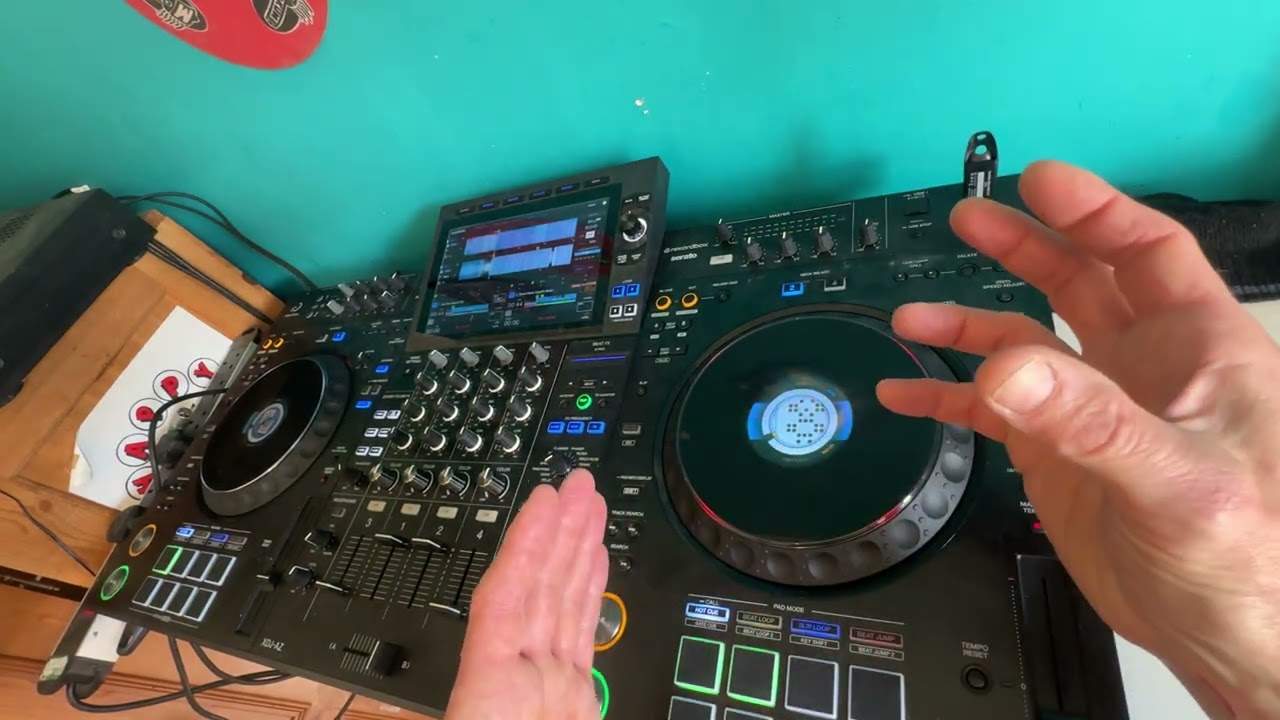
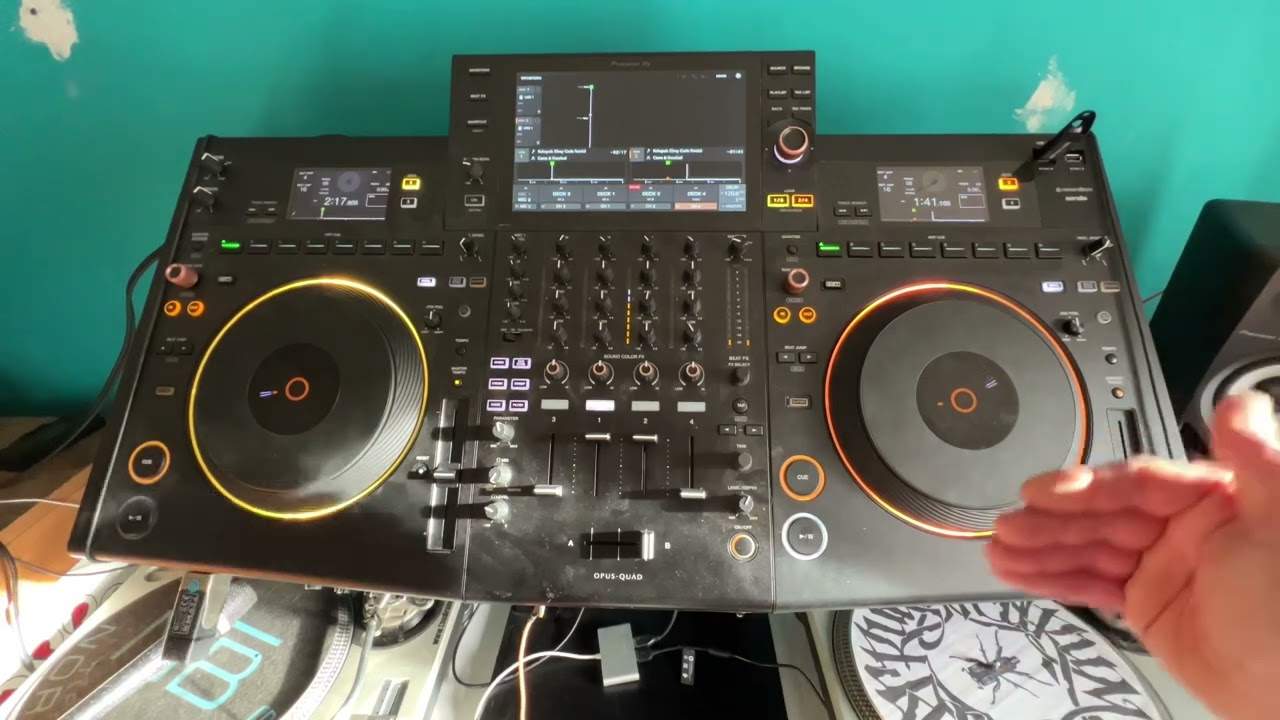
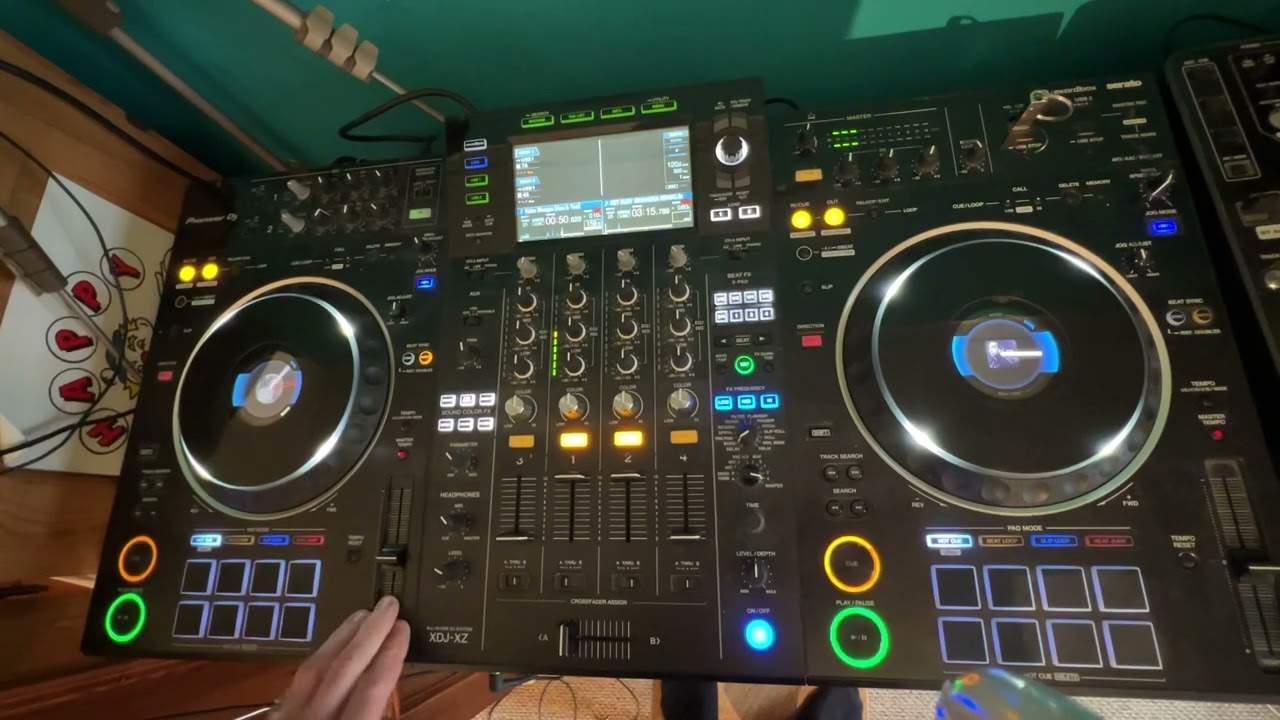
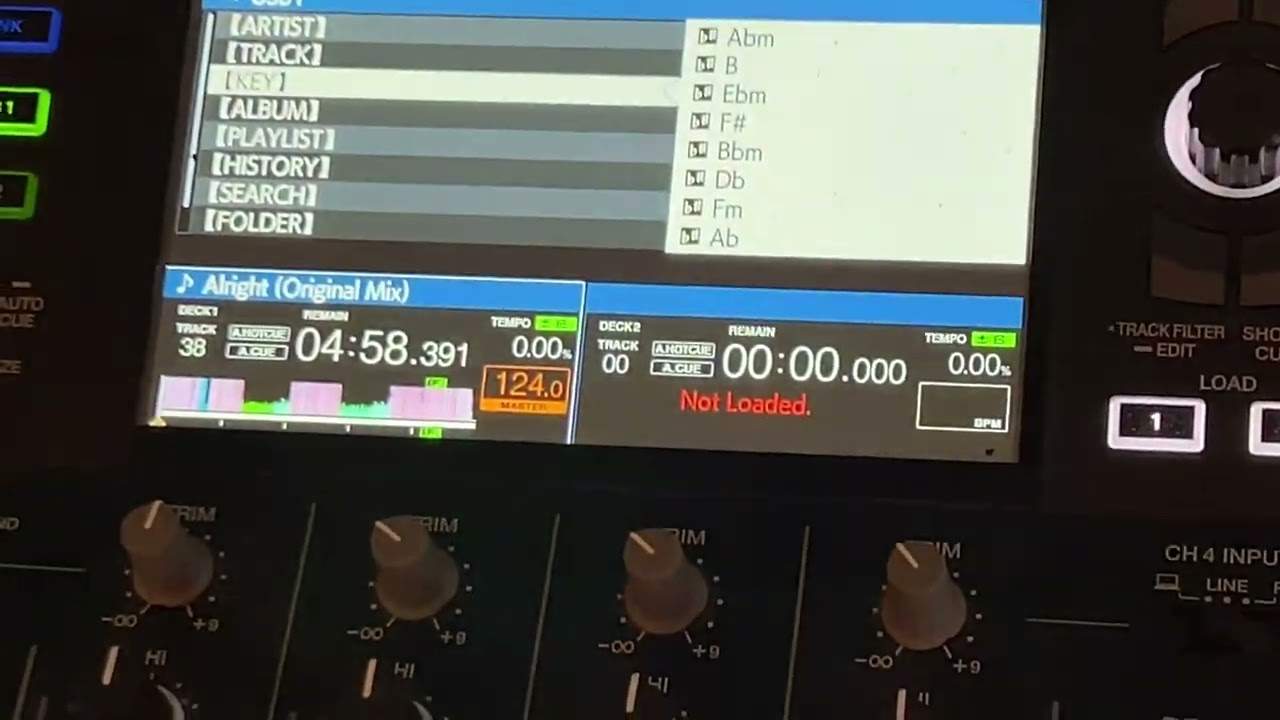
Now what I've done. I've set a cue point. This is the point at which I want to bring in the next track. But I want to start to bring in the phrase or the beginning of the phrase of the next track should I say. So about here, there, down, back. So there. That's my point there. And that pretty much should be the same place A and B. Yeah so what I'll do just to give me a little bit of timing in. I'm going to cue that up. Alright so the next thing I need to do is I need to form a loop on my track that's coming in. And this track, press play. Pretty much just a beat. So what I'm going to do is go into loop mode. You can do this with most of you players now. You've got a loop mechanism. You can just start and stop it.
Alternatively if you've got a controller you can form a loop using most softwares. I'm going to form the loop by the way just with the beat on this track. So press play again. Loop mode and hit number eight which will give me a two bar loop. I'm then going to transfer that into hot cue A. So if I then press record call, I'm slightly off there. It's not snapping in time but this is a demonstration anyway so I'm not really that bothered. I'm going to press record call again because now what I want to do. I want to form another hot cue at the point where I want the transition, the perfect transition point in this track to take place. So I'm pretty much going to record the point where I want bang, I want this track to come in.
5:47 In a way I'm able to start this phrase whenever I want to
So let's press play again. I think it's there. That could be a slight introduction. Actually I'm going to have to count that because that's quite a funny introduction there. So one, two, three, four. One, two, three, two, three. One, two, three, four. One, two, three, five. One, two, three, six. One, two, three, seven. One, two, three, eight. There. Yeah I thought that was one before so I'm glad I did that. So now what I've done, I've got a loop. Now some of you may be, oh I get it now. By the way if you do want some one to one DJ lessons by myself Jonathan then check out in the description there's my email address. I give one to one lessons via Skype. If you're interested, send me an email and we can have a chat via email.
Alright so let's get this sorted. So what I'm going to do now is prior to the point where I want the mix to take place I'm going to start mixing my loop in. Now because it's a loop you can pretty much start mixing it in anywhere but like I said earlier I need to know the point where the phrase finishes because at that point I'm then going to snap in B which is the beginning of the phrase in this track. So in a way I'm able to start this phrase whenever I want to. I could start it anywhere but I actually want to start it end of phrase, beginning of phrase so there's not a gap, it's just snap. One finishes, one starts. Finish ye, bye bye, hello and stuff. Right so let's press play. Okay so let's just bring in our loop.
It's coming up to the end. There you go. So you can use this technique with any kind... Excuse me, any kind of music at all because you are... You're not cheating. You're just making sure that you have the exact point where you want to bring the next track in because you have designed it. You've got that point in one of the hot cues. Hope that's been a help. Practice and enjoy. Thank you very much.
This transcript was produced automatically from the audio of the video and may contain mistakes.