 10:29
DJ Mixing Lesson Using the Gate Effect on the Pioneer XDJ-RX
Contents of the video
0:00 Bit of a demonstration and a tutorial
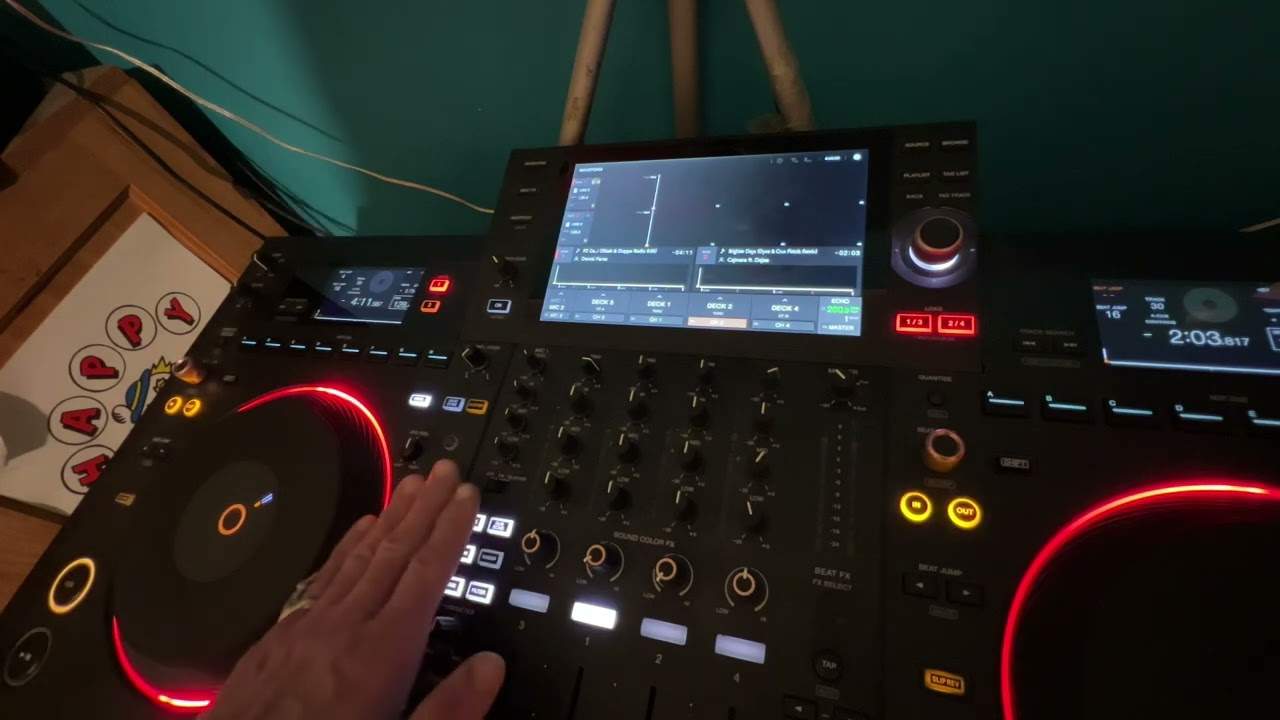
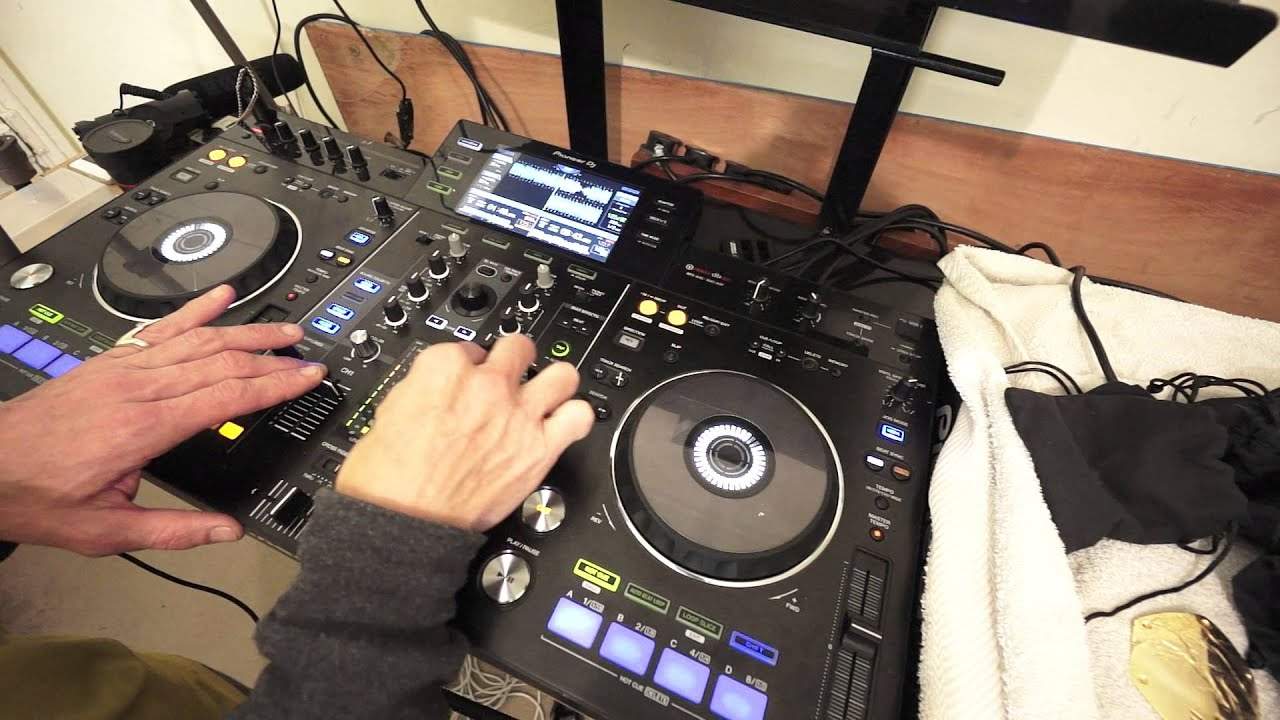
Right guys, bit of a demonstration and a tutorial. In this video we're using the Pioneer XDJ-RX. Also going to be talking a little bit about V-Moda 3D Shields and the lady in the middle there. It's her birthday in a few days. Ella, dad loves you a million, kisses to you and I hope you have a lovely day. I will also be saying happy birthday on your birthday as well. Alright? It's a shame I can't see you but you know where I am. Okay, so in this video we're going to be mixing this track here, Love Brings Us Back, together with another track entitled Feel the Bass. It's the original mix. So I'm just going to go back a little bit and I want to talk to you a little bit first of all about V-Moda and their 3D Shields. Now then, this is very, very, very important. This is exceedingly important.
Now, first of all, I don't really like contradicting myself but... Okay, the 3D Shields, here's one of them, will not make you better DJs. If you get the V-Moda 3D Shields, it's not all of a sudden going to make you be a superstar DJ. And as soon as you put your headphones on, you're going to be able to hear everything and you're going to go from this level up to there. What it might do though, and this is psychological, it may boost your confidence because you're different. Now, every DJ wants to be different. Every DJ wants to be unique. And the 3D Shields, if you have your own design on them, will be unique. So by adding them to maybe the likes of the M100 or the LPs or even the SX because you can get smaller ones as well, the extra small, then you will have a bit of individuality. Now check that out.
2:20 I want to talk more about self-confidence
Okay, right. Now these are actually solid silver and these ones here. I believe are gold plated. Okay, so not only will you have something that's completely unique or well, of course it will be unique if you make your own design. But you'll have a bit of individualism. You'll feel as though you do have something on your head that is completely different to everybody else and that hopefully it just might boost your... Well, I don't want to talk about ego here. I want to talk more about self-confidence. Self-confidence when you're in the mix. So have a think about that, right? So in this video, as I said, we're going to use the RX. Now I again out of all... I mean, I get loads of kit to demo and to use, and I have to be honest with you, I've got to be really honest.
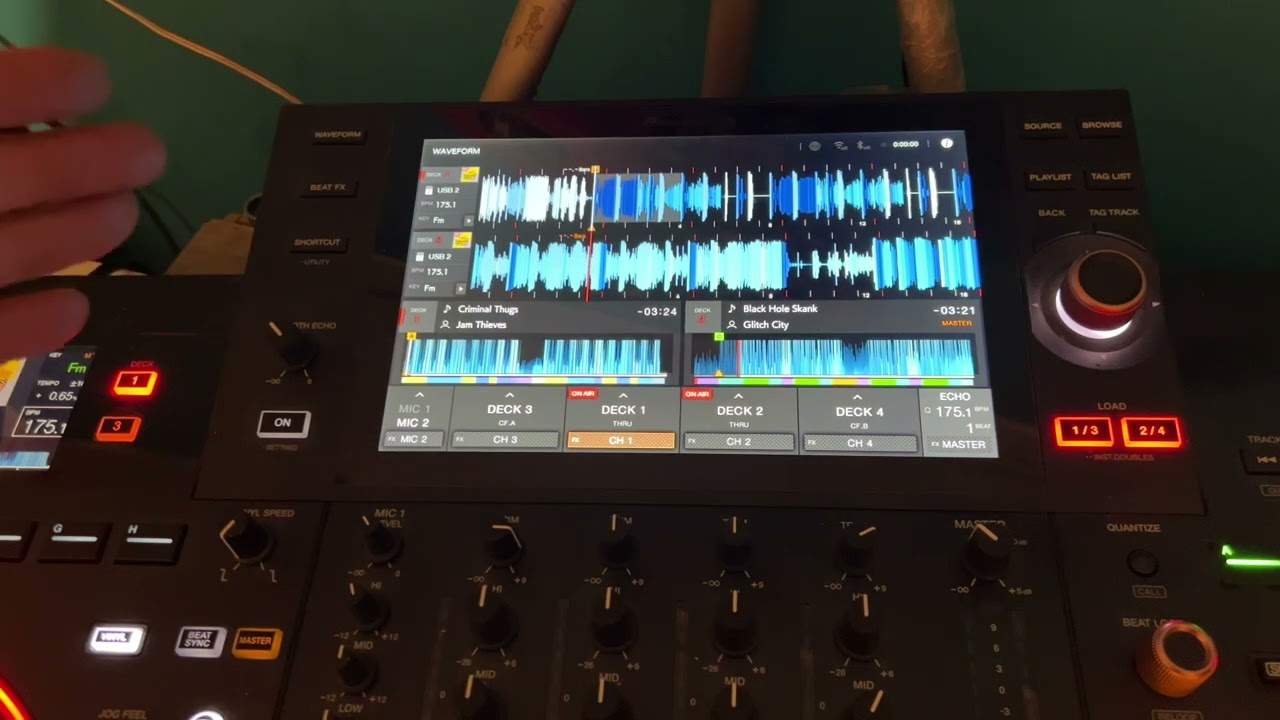
I do like the 2000s. They're great to play with. The Nexus 2000s. A lot of fun. Yeah. Functions. But what I like about the RX, it's all in one. It's very compact. You don't have to have a laptop, so you haven't got the problem of the laptop possibly crashing bungie files on a USB stick it in the left hand side or the right hand side play from either side while you're playing from either side. You can even record on the right hand side as well. So for those boring days inside all those long trips down the motorway, you've got a mix to listen to make sure you've got a USB. Okay, so what we're going to do in this lesson, we're going to use an effect that I really like, known as the compression gate. We're also going to add an echo over the mix as well.
No, let me talk about compression gates. First of all, it's actually two separate effects compression when I turn it to the right and gate when I turn it to the left now, what the gate does is again, I have explained this before. I've explained this before. In another video, but let's imagine a real gate and you'll let the gates wide open and you've got 50 sheep. Yeah, okay, we're in Wales, whatever 50 sheep, the one side you want all those 50 sheep through to the other side. And let's say for example that the sheep are lined up in lines of five, so five a breath and they're walking towards you. Um they can get through because five can get through the gate, the opening of the gate. Let's say you reduce the size of that gate will only one or two can possibly get through depending on how much you reduce the gate.
Now let's look at that with music. Let's imagine now that the five sheep is the whole spectrum of the track while it's playing. Well, as you close the gate, you're going to start to lose some of the music and you're gonna end up with just a time. Yeah, yeah, yeah. Tiny part of the music. That's what the gate does now. I'll show you now, so I'm going to bring the camera a little bit closer and actually don't have to look at my mug. And it's Ella, hi Ella, happy birthday Ella for a few days, should I say? Okay, so just press that button. So gate.
5:30 Oh God, do you know what?
I was using. Oh God, do you know what? Sometimes I wonder what I'm doing. I actually turned down the low. I need to turn down the color dial. I'm not going to edit this. What's the point? Here we go.
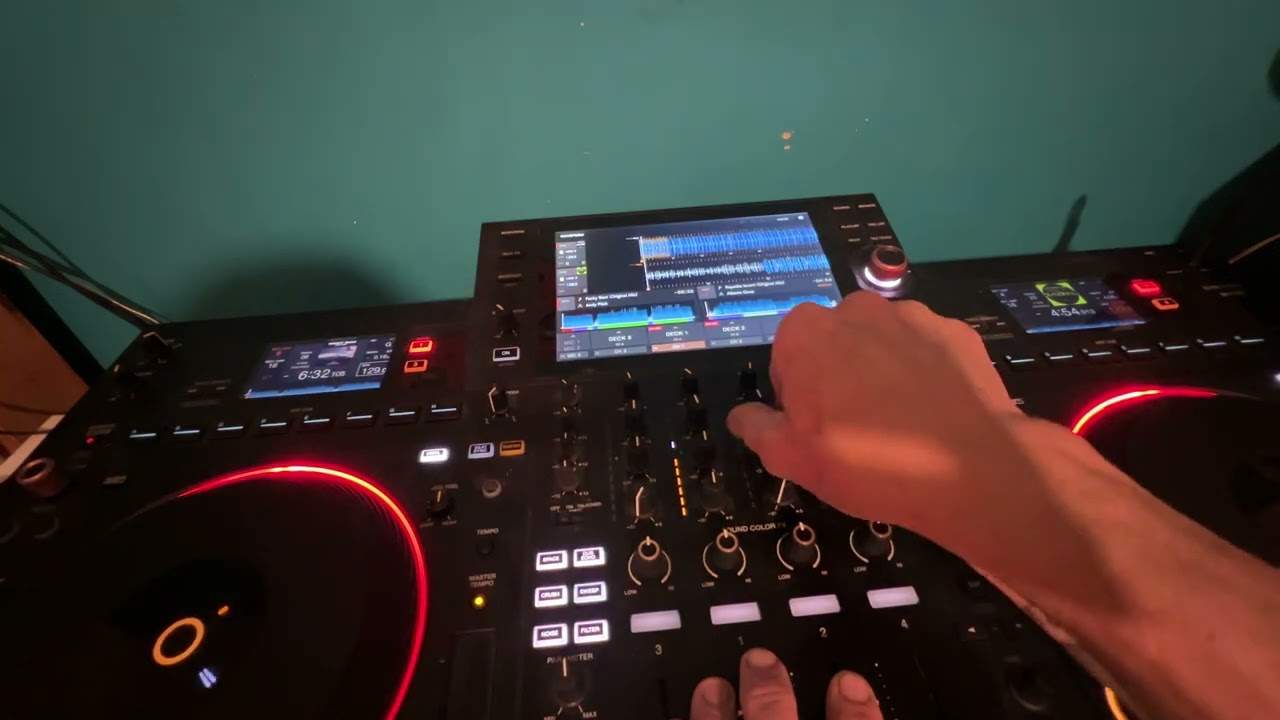
I was actually thinking nothing is going on at the time. I was looking at the camera as well, so that's my excuse. Looking at the screen so can you hear we've still got that sound? We still got the track, but we haven't got all of the track. We've only got parts of it right for this demonstration because I want to talk more. Really, instead of concentrating on the headphones, I am going to do that ridiculous thing of going master and sync. It just means that I don't have to concentrate on beat matching. The RX will do it for me, so I'm going to increase now the gate compression to 12 o'clock, the dial, the color dial. So now even though the gate compression effect button is flashing. Also known as the sound effect button.
Also known as the sound color effects, it's not engaged because when the color dial is set to 12 o'clock, you won't get any effect at all. So just bear that in mind. So let's start the track from about there.
Now what I'm going to do is I'm going to turn the color dial to around about half eightish something like that.
Let's wait for our next phrase, probably about here, yeah, there, about there. So that's my, I just set a cue point and at the moment that is just going to be my reference. So I'm going to get ready with the next track. Okay, I'm bringing the next track in at that cue point there.
What we're going to do now is reduce the bass. One love brings us back together and start to bring the color dial up.
8:32 Filter, I'm going to filter up
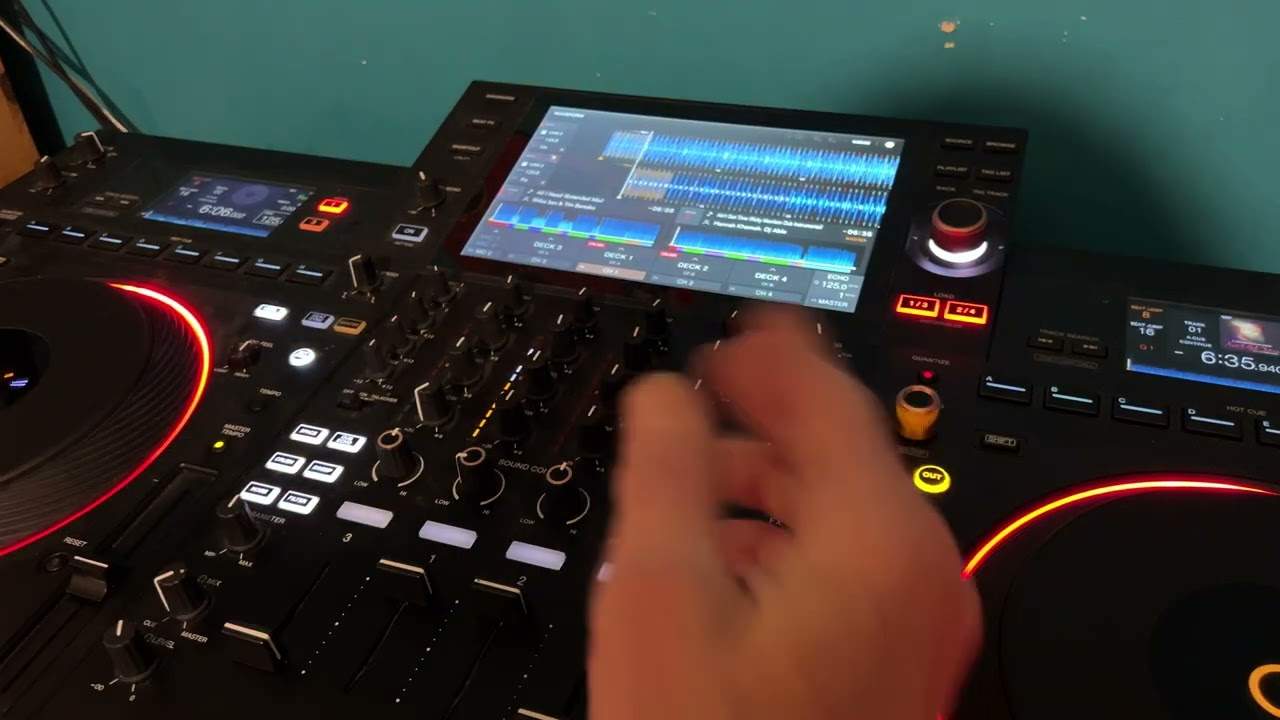
Now I'm going to go to filter, I'm going to filter up. Love brings us back together, bang, there you go. Oh, class that is a damn near perfect transition. All right, so let's just go back a little bit now and let's listen to feel the bass. Sorry, feel VAT bass. The original mix. By itself with the gate set and press play. Let's have a listen to the beginning of the track, so nothing else. Just the beginning of the track with gate engaged volume up.
So that's what it sounds like slowly turn the color dial up to 12 o'clock at 12 o'clock now. Okay, so what was going on? Why use the gate first of all, and then why as you bring up the color dial, reduce the low? Well, like I said, what's happening is when you use the gate, you're taking away quite a bit of the audio sound. Not not the signal you're taking away parts of the track. So by starting to increase the color dial, you're bringing the track in, you're bringing more of the track in and you're compensating for that by taking the low away. So as we're bringing something in, we're taking something out. So we're trying to keep a nice balance. Now I hope that's been a help. I will put the names of the two tracks in the description and I will finish off with Ella.
Dad loves you practice and enjoy. Thank you.
This transcript was produced automatically from the audio of the video and may contain mistakes.