 7:33
DJ Mixing Vocal Tracks Tutorial Radio Songs with Lots of Lyrics
Contents of the video
0:00 How, well one way actually
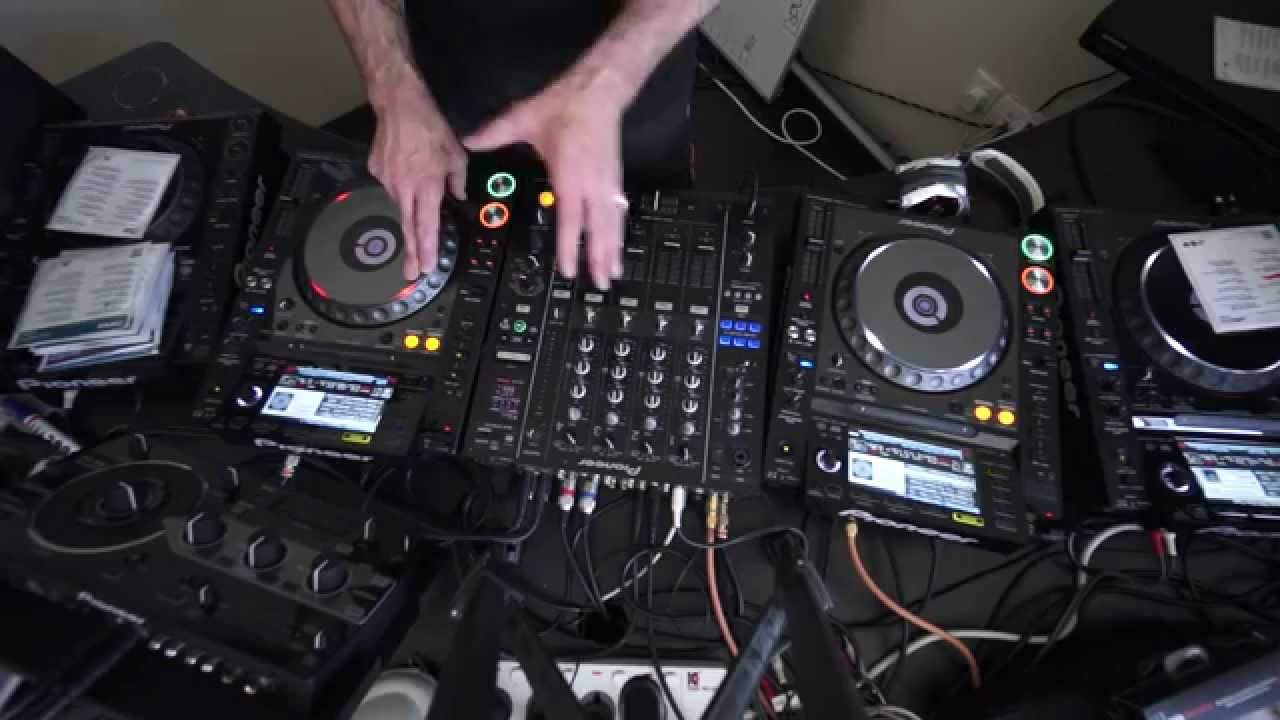
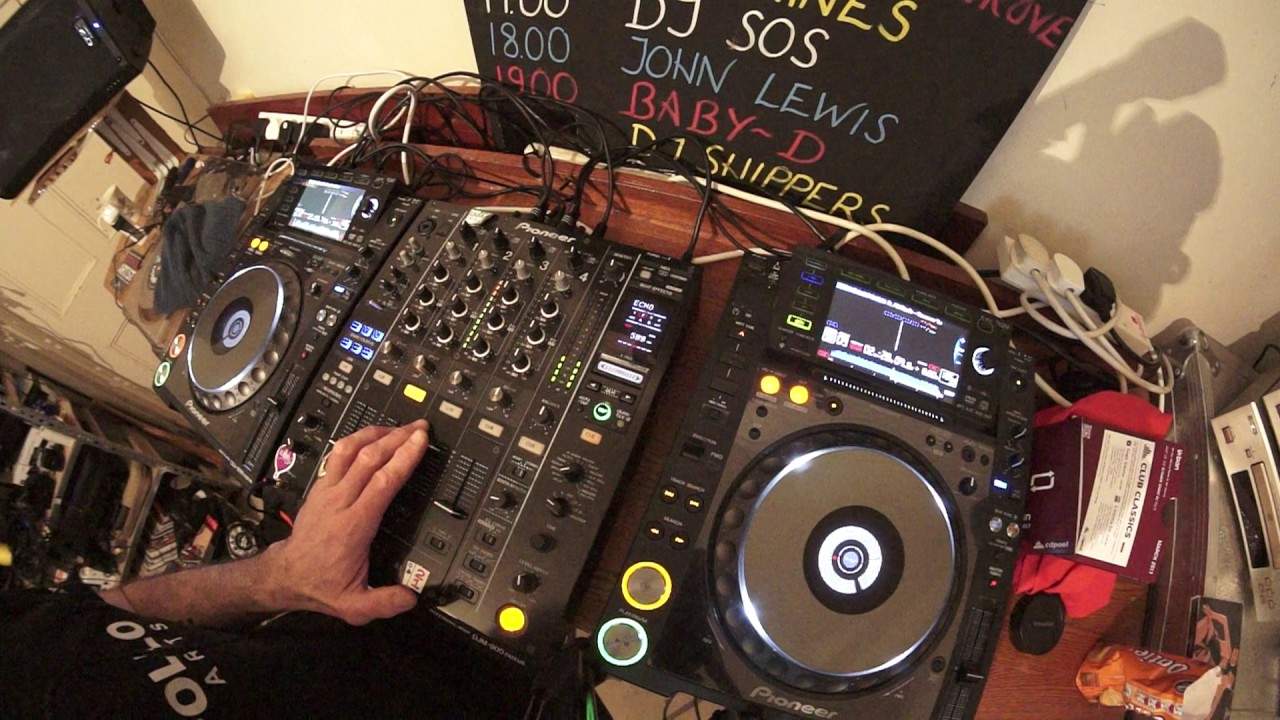
Alright guys, in this tutorial I'm using a couple of the Urban releases from Citypool March 2017. In this video I'm going to show you how, well one way actually, of mixing the radio edits of tracks. Now this is probably, or these tracks are probably the hardest things to mix because radio versions, you know, anything from 3 minutes up to this one here which is 5 minutes, but you'll see exactly what I mean with this track as well. Generally with radio versions, very short intro, very short outro, loads of melody, loads of vocals and very little time to form those sort of transitions. I have from CD number 2 track 9, The Sound Principle, and on the left hand side I have from CD 1 track 2, Gecko Drunk On You, The Radio Mix.
Now let's have a listen to the beginning of Sound Principle.
Okay, we've got... Nice introduction, but there's no sort of steady like just beat with nothing else. Melody, there's a little bit of female vocal in the background and then pretty much all the way through this is the structure of the track. Okay, you get the idea. Let's have a listen to Gecko. Okay, so you get the idea, you know, we've got a lot going on in a very short space of time. The difference between this... These styles and let's say techno, trance, funky house and so on is you've got much more of an introduction. You know, you've got your 16 bars of a kick, then 16 bars of a kick and a bass line and a melody and then about five years later, you know, you've got a little bit of vocals with someone going ooh and that's it.
2:30 What I'm going to do is just form a loop
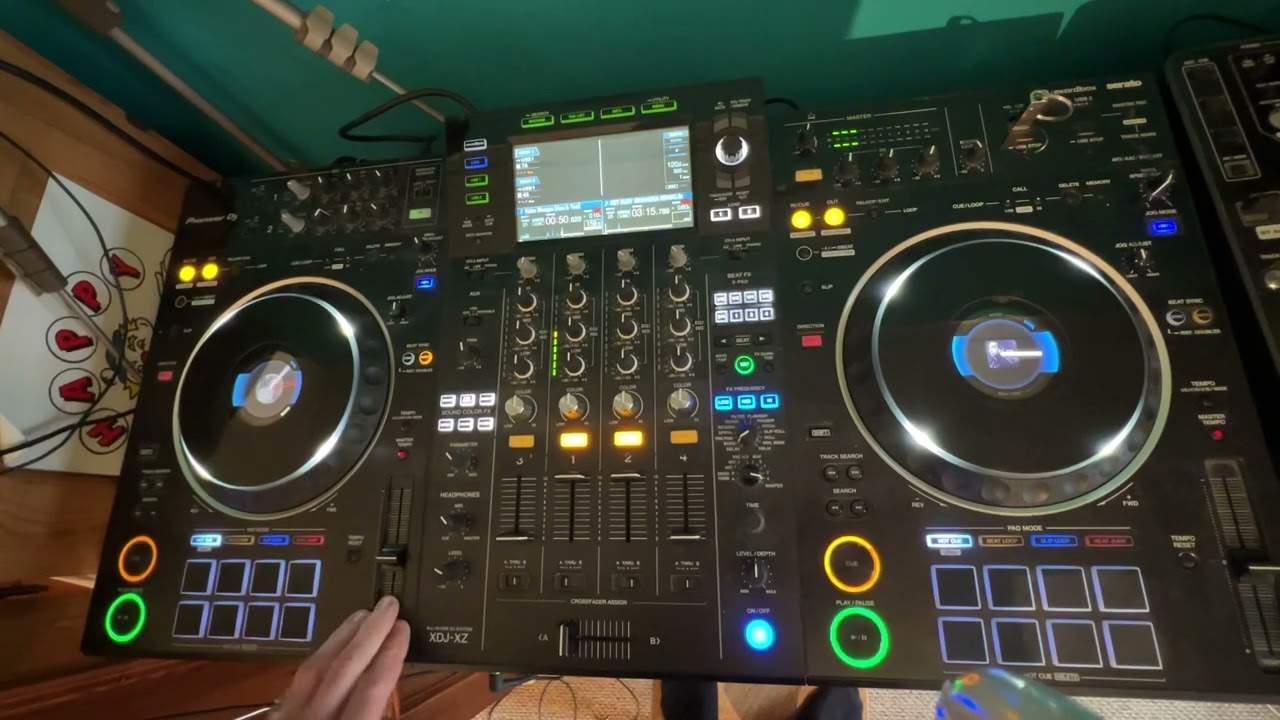
So there's loads of ooh, eh, eh, er, so you've got loads of time to like go do the washing up. So what I'm going to do is I am going... Let's have a listen to the sound principle. Again, some people may think, oh, there we go, it started there. Now that's a bit of a vocal before the one. So what I'm going to do is just form a loop. I'm going to put that into a hot cue. Now this isn't as easy as it looks. You've got to find... This is where the key to listening to the track comes in. You've got to try and find the right place where to bring this loop in. So what I've done, and again, everything I do now on these players, you can do pretty much on the cheapest of the cheapest controllers as well. So long as you can form a loop.
So I formed a loop at the beginning of that track. I can come out that loop bearing in mind now what I've done now on this side I could be doing while the other side is playing not the track I'm mixing into, but the one prior to bringing this track in. So in other words, if I had three tracks, we'd have track one playing. The sound principle would be track two and Gekko would be track three. Just bear that in mind. OK, so just going to get Gekko ready.
4:16 We've got the bridge
Got that ready. So, you know, we're playing it. We've got the bridge. Then again, always be careful about mixing into the bridge because you may find the track mixed harmonically earlier on may not mix harmonically into the bridge. Always make sure that you well, you know what's going on. OK. OK, so again, with a lot of my tutorials, a little bit of rough around the edges because it's a tutorial, it's a bit of a demonstration, actually, it's a bit of a demonstration. But with practice, you know, you can refine these moves. So in a nutshell, what are we looking at? We're looking at two tunes, loads of vocals, loads of music, loads of stuff going on. What we're trying to do is find a point in one of the tracks where we can form some form of a loop,
Ideally more than one bar. Otherwise it's going it is going to sound very repetitive. If you can four bars there, I chose two bars. And then when that track is playing through, when you come to a point when you feel it's a great time to bring that loop in, then hit hot cue so long as you're in time with your phrasing and then as quick as you can, then make sure you bring the next track in. But again, I can't remember if I did it or didn't. The loop played for two bars, so it might have been an idea. I think I did it to let the loop play twice. If it's two bars and you let it play twice, it's going to play over four bars and then bring the other track in on the fifth bar. Now, again, a lot of people thinking fifth.
Why fifth? Well, think about it, you know, one, two, three, four, one, two, three, four. One, two, three, four, one, two, three, four and bring it in. OK, so I hope that's been a help. Check out the link in the description to CDPool.com. Practice and enjoy. Muchas gracias. Thank you very much. Tusen tak. Dankeschön and sod off. Thank you very much.
This transcript was produced automatically from the audio of the video and may contain mistakes.