 9:27
What the mid and top are for
On YouTube this video is called DJ Turorial, Mid and top on a DJ mixer, how to use them.
What this lesson teaches
He states the beginner's rule in the first thirty seconds, and if you take nothing else from this stage, take this.
The rule
The track coming in: bass off.
The track playing: bass on.
Then during the overlap, slowly bring the bass up on the incoming track and slowly bring it down on the outgoing one.
That is the bass swap, and it is the first transition technique worth drilling properly.
Why only the bass
Because the low end is where records fight.
Two melodies playing together can be pleasant or at worst odd. Two basslines together are neither - the frequencies are close, both are loud, and the result is a shapeless rumble with no definition. The kick drums smear into each other and the mix loses its floor.
Everything else can overlap to some degree. The bass cannot, and one of the two has to be out at any moment.
Then move on
Once the swap is automatic - and he means automatic, as in you do it without deciding to - start listening to what the mid and treble are doing, which is what the rest of this lesson is about.
He works deliberately without the crossfader here, disengaging it and using the channel faders alone, which forces the EQ to do the work rather than the fader.
Find the place first
A habit he repeats and it belongs with every technique in this stage: before starting, find the optimum point on the playing track to bring the other one in.
He locates it, listens to it, and only then sets up the mix. The EQ work during the overlap is much easier when the overlap begins somewhere the two records already suit each other.
The order of learning
Worth setting out, because it is the shape of this whole stage:
1. Beatmatch, with the EQs untouched. 2. Add the bass swap, and do nothing else. 3. Add the mid, to hand the melody over cleanly. 4. Add the treble, for texture and air.
Each stage only once the one before it needs no thought.
Contents of the video
0:00 Another tutorial for you on messing around with the EQ
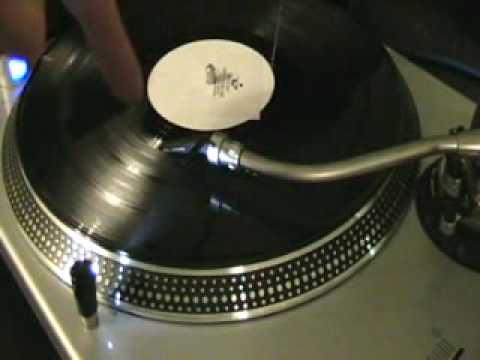
Alright folks, another tutorial for you on messing around with the EQ. Now as I've always said for the beginners, the best thing to do from let's say a beginner's point of view is track coming in to the mix, have the bass off. Track that's playing, have the bass on. Then when you're in the mix, the best idea is the one that's coming in slowly bring the bass up. The one that's going out, slowly bring the bass down. Now that's the first thing you need to practice, but as you get more into mixing and you start listening to different parts of the tunes, then it's a good idea to maybe mess around with the mid and the treble as well. So what I'll do, we'll pause the camera, we'll have a look at the kit and we'll do a bit of a mix. Right, first up, the tunes we're using is In Your Day, a track entitled Keep Pushing. It was out 2003.
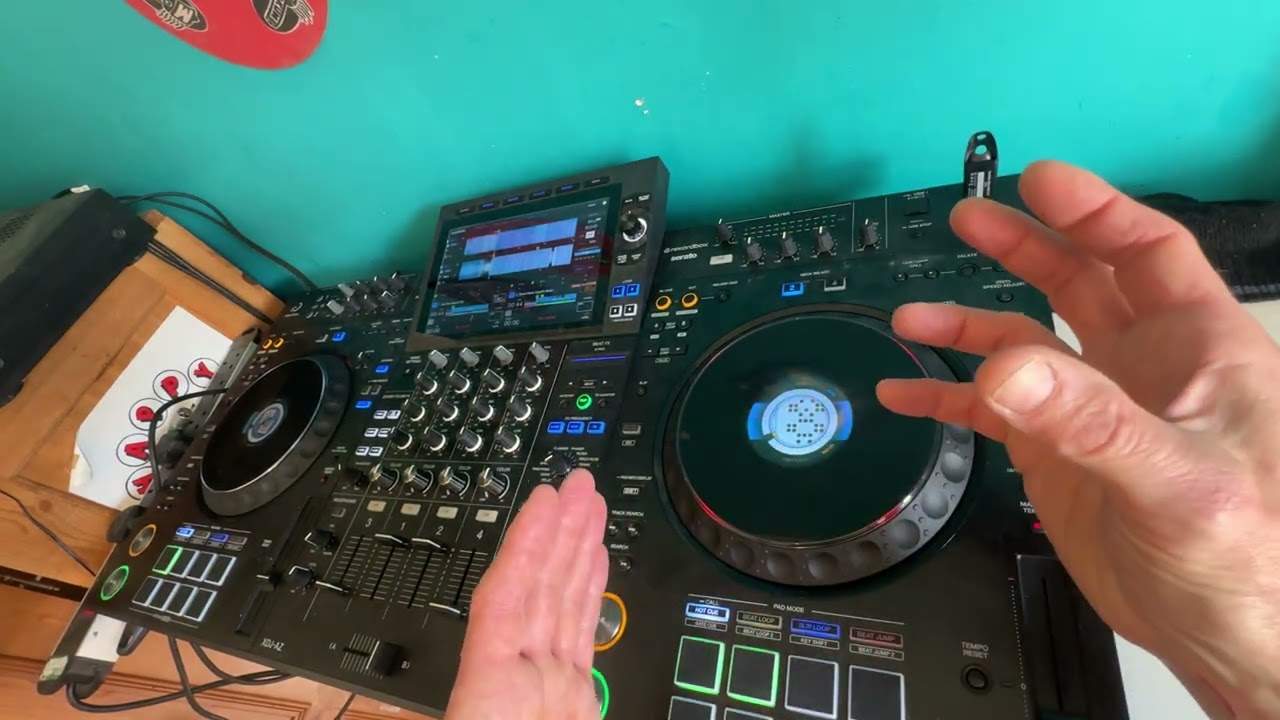
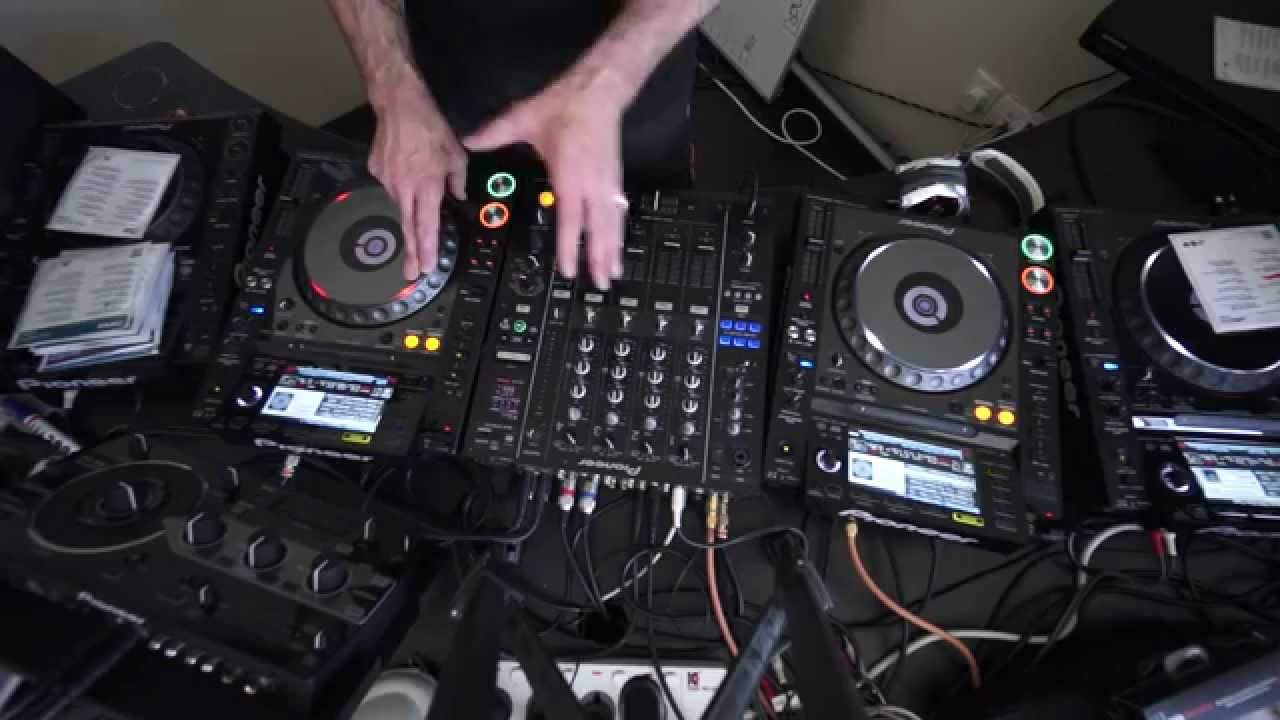
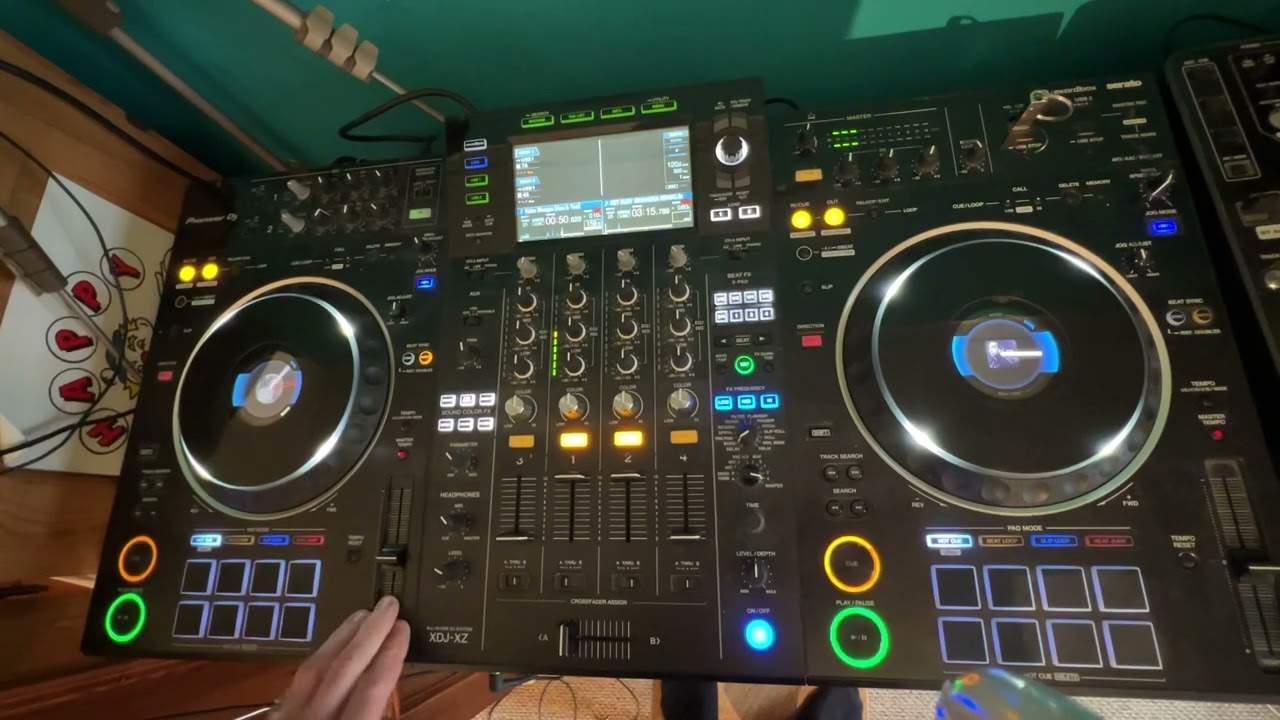
And this over here is an absolute stonker. Anyone out there? I mean, come on, this is a classic track. On rule records, here we go. Tracks on the Rocks by Thomas Bangleterre and it's volume 2. Alright, what I'll do now is put the camera in some sort of position. By the way, the decks are the Cam DDX 5000s and the mixer This is the American Audio Cue Record, so we'll play this one first, have a listen to this, here we go. This is the In Your Day track. Right, and then we'll put this one on, and you'll see where I'm coming from here, they work really well together. Tell you what, sometimes I think I do need a camera man because it's outrageous trying to move everything about. Right, let's just put that there. I don't know, where am I? Hey, here I am. Right, what we're going to do is mainly concentrate on the mid, which are these two guys here, and the treble. Now, just to let you know as well,
I've disengaged the crossfade, so all I'm going to do is use the sliders. I'm not going to concentrate on the bass, just the mid and the treble. Now what I've done, I've found the optimum place on this guy here to bring in that guy over there. So what I'm going to do now, I'm going to play where I'm going to start to bring the other track in. And we'll start here with this guy. So it's around about there. Let's have a listen. There. Where am I going to bring it in?
2:49 Tell me if I'm wrong
Now, as I've said many a time before, when you're messing around with a bass, mid and treble, it's always a good idea not... Well, alright, this is my opinion. Tell me if I'm wrong. It's always a good idea to stay, you know, treble. If you imagine bass, mid and treble, that's 12 o'clock, alright? Let's say, for example, you like to tweak it. You want to make it go higher. Well, it's a good idea not to go, say, over 2, half past 2. The reason being, if your PA system is really loud... All your monitors in your bedroom are really loud and you start tweaking it all the way to say 3, 4 and 5 o'clock, you could knack your speakers, which is not a good idea. Of course, you can go anywhere from 7 o'clock... I'll show you, hold on. The best way is if I just show you. Right, let's put the camera like that.
See, anyone watching me for the first time, this is Punk TV. If you want it nice and clean and crisp with some bloke going, Hi, how are you today? Then I suggest you turn off and watch telly. Right, so there is 7 o'clock, down there is 6 o'clock, 12 o'clock and guess what, that's 5 o'clock. Is it blinking out? I need to go to bed. Ideally, what you need to do is maybe tweak to around about here. That's the most you want to go to. But you can work anywhere around there. That's fine. That's no problem at all. But if you start going over here too much bass and you start going over here too much mid and over here too much treble, you possibly, I'm not saying you will, you may knack your speakers. So just bear that in mind.
4:56 Without trying to contradict myself, you can in essence s
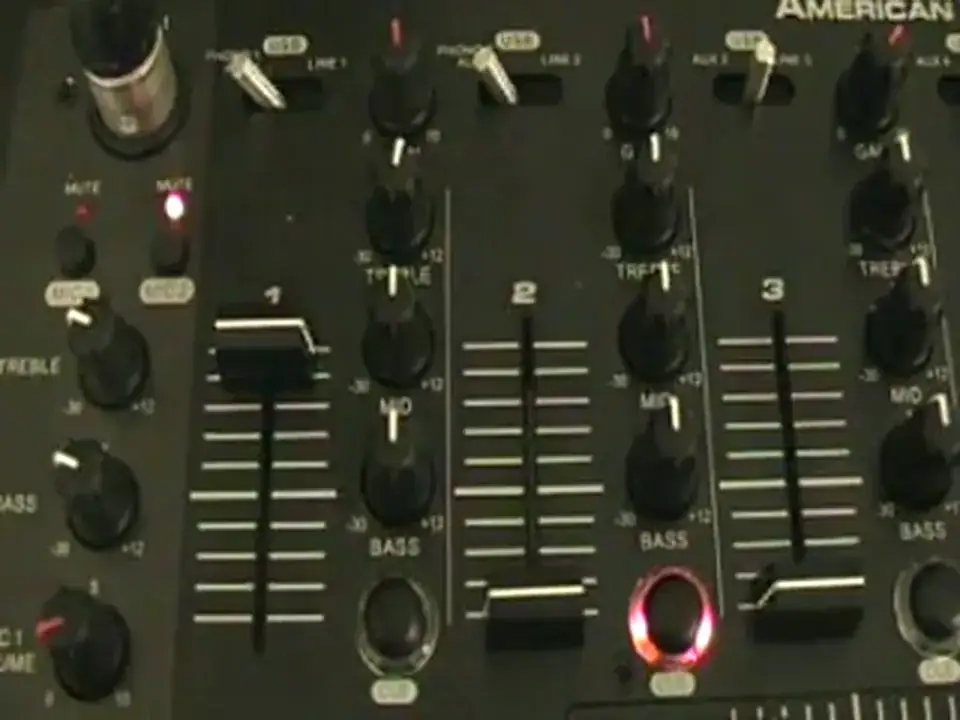
There you go. And I'll get that one set up. No, in fact, no, I'm not going to put it there. You want to look at these damn things. Duh. Hello. Brain. OK, right, that's what we're going to concentrate on now, isn't it? OK, so for this tutorial, mainly we're going to concentrate on the mid here and the treble. Now, there's parts of this record here, slight, slight contradiction, but hopefully you will understand what I'm on about. When you've got a track... With loads of mid, loads of bass, loads of treble, there's loads of volume, there's loads of sound, there's loads of emphasis with everything. But when you've got part of a track where there's just mid and treble, then your speakers aren't going to be doing as much. In other words, if you've got this boom, boom, boom, boom, boom, everything's going boom, your speakers over there are going to be going boom, boom, boom, boom, boom like that. But if all of a sudden the bass is taken away, then the speakers are going to be working less. So,
Without trying to contradict myself, you can in essence start to turn up the mid a little bit more and the treble a little bit more. I'll show you because at the end of this track here we've got a part where there's no bass. I'll show you. It's around about here. Now the thing is that I need to emphasise this over that track. So of course if we've got loads of bass, mid and treble And I don't emphasise this one enough, then we may not hear this one clearly. Or, I'll reiterate, maybe we won't have this one over that track enough, enabling the person or people listening to get the full potential of the mix. Right, so, here we go. Let's start this one over here and I haven't got any headphones on so you'll have to bear with me. If the beats go off a little bit, it's like tough titties. Right, here we go. Sorry, I nearly said shit there.
6:31 Let's bring the camera
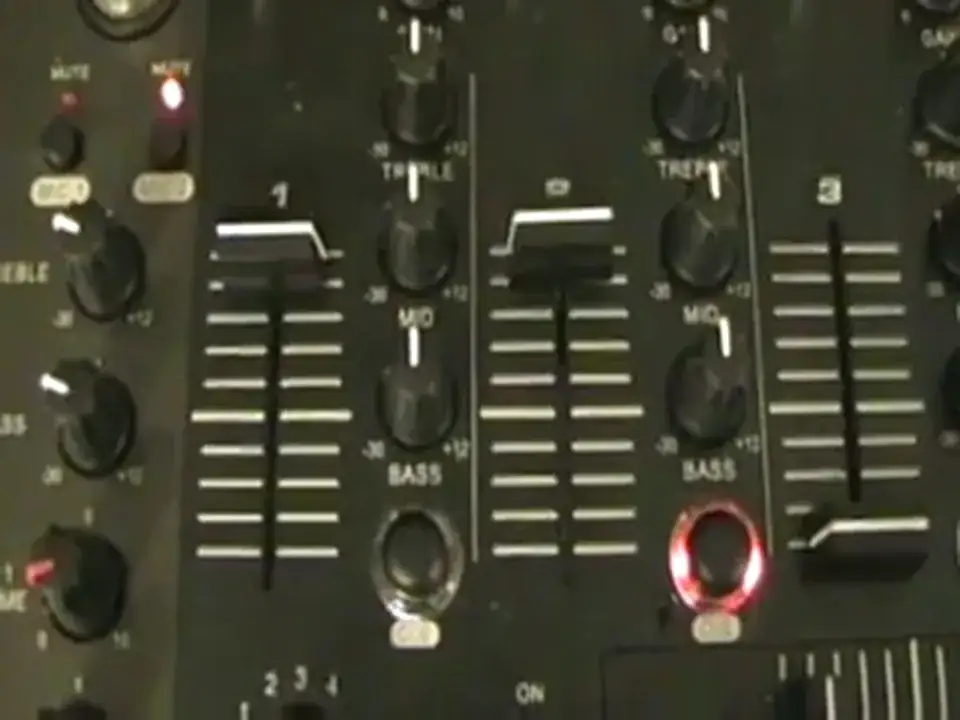
Oh, guys, everything's going now. Right, let's bring the camera... Oh, blimey, I need a cameraman. Or woman. Any offers? No, right. So, anyway, right, I'll start that one. Get this one ready. Crossfade working. Emphasise the mid. That one. Now maybe emphasise to keep on pushing. To keep on moving a bit. It's only sort of an idea, but... Right, let's move the camera back again. I'm just going to pause it. Right, there you go. I mean, people tell me, they ask me all the time, you know, what do I move first? Do I move the bass, the mid, the treble, etc.? But for the beginner, it's so difficult because you're thinking, what do you do? What do you touch? What do you mess around with? But, listen, I'll tell you this now. If you're a beginner, you'll probably wonder what the hell I'm on about. But maybe a year or two years from now, you'll think, I get it. The tune will tell you. That is what it's all about.
Don't look at other DJs and copy them. Don't think you have to move the treble because they moved the treble. You've got to scratch your bum because they did it at the same time. Sorry. You know, you have to do what you feel you need to do because the tune is telling you what it wants to do. I hope you get where I'm coming from. Practice and enjoy. Thank you.
This transcript was produced automatically from the audio of the video and may contain mistakes.