 3:16
A trick to throw in mid-mix
On YouTube this video is called Dj Tutorial, A trick to throw in during the mix.
What this lesson teaches
Two minutes on something he describes accurately as very subtle, and worth knowing because the idea generalises further than the trick does.
The convention
When you bring a record in, you bring it in on the bass beat - the kick, the one. Everything in this curriculum up to now says so, because it is right.
The variation
Bring it in on the high beat instead: the hat or the snare that sits between the kicks.
So instead of the two records' downbeats landing together, the second record's downbeat lands on the other record's offbeat. The result is a beat that interlocks rather than doubles - boom-chh-boom from the first record, with the second's kick arriving on the chh.
He is clear about the scale of it: a tiny, tiny difference. But it is the difference between two records playing at once and two records playing with each other.
What it needs
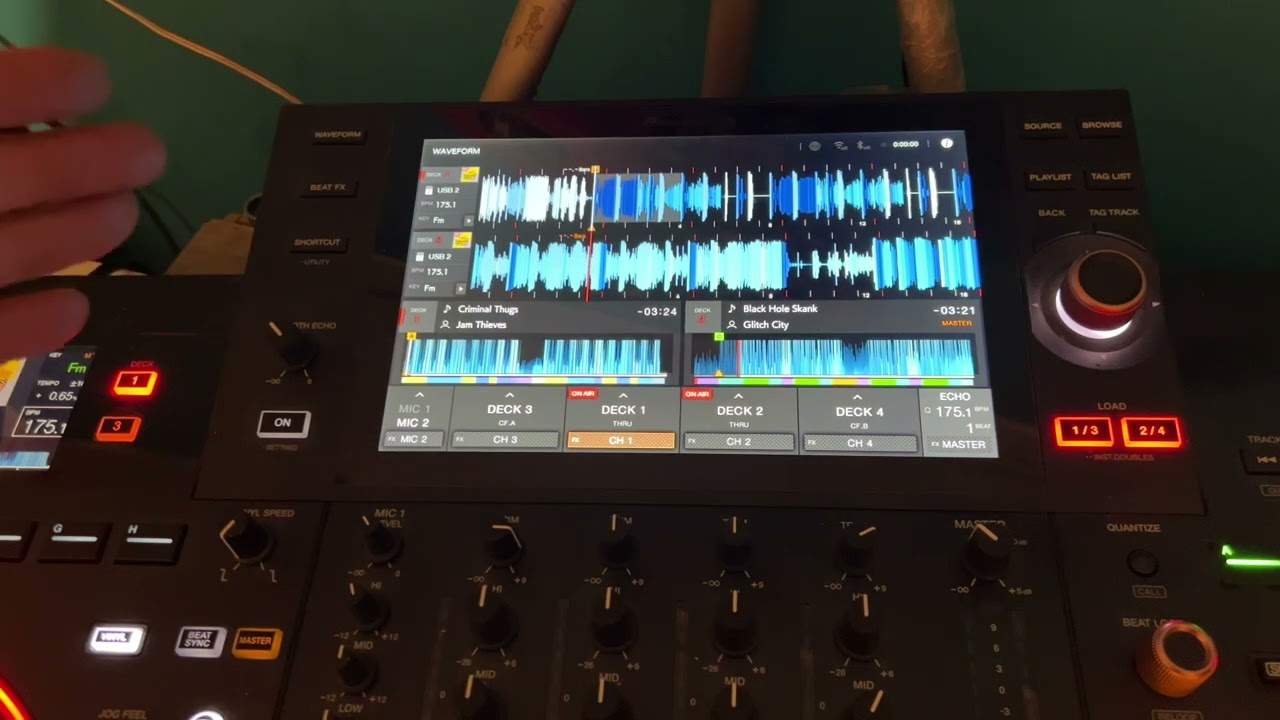
Matched tempo. The two must be at the same BPM or the offset drifts and the interlock falls apart.
Counting. His emphasis: you can do this anywhere in the mix, but keep it in time with the bars and it will sound far better. An offbeat entry that is also off the phrase is just a mistake with extra steps.
And a nice note on material: it does not matter if one is house and one is breakbeat - if the beats are slightly different in character it is more interesting, because the interlock is more audible.
The cue-hold technique
The mechanical tip, and it is the one to take away even if you never try the offbeat entry.
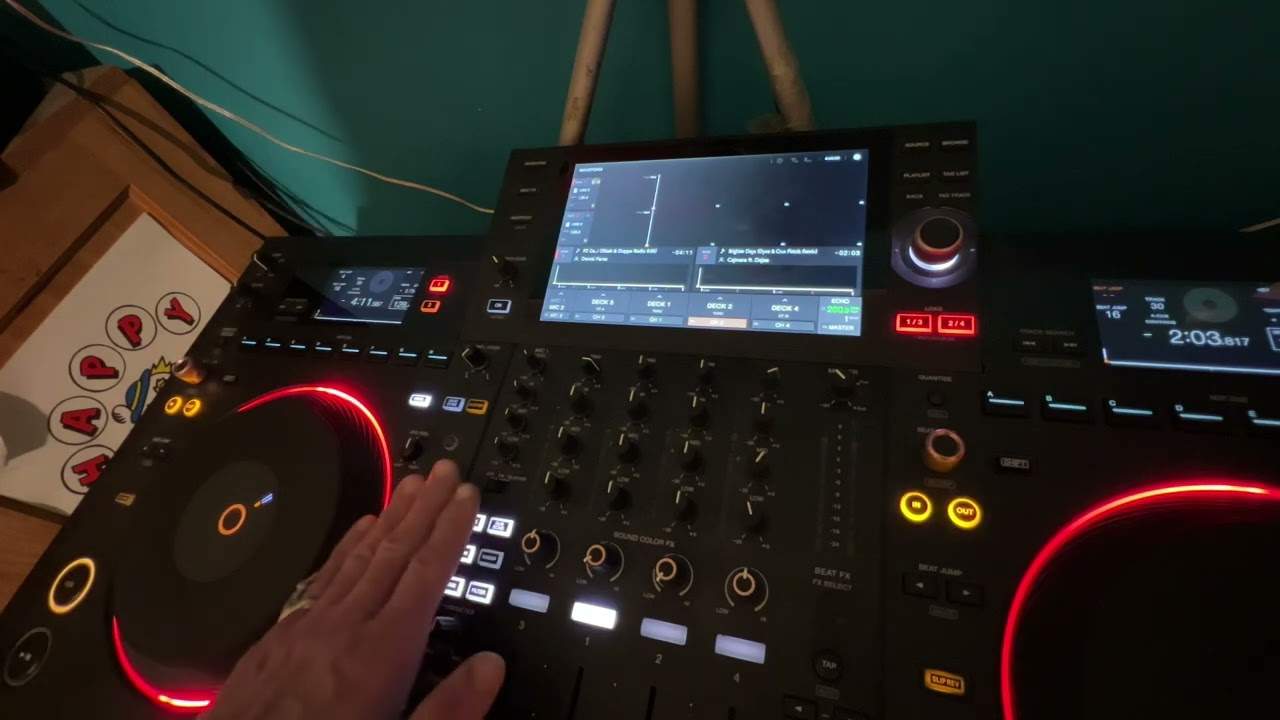
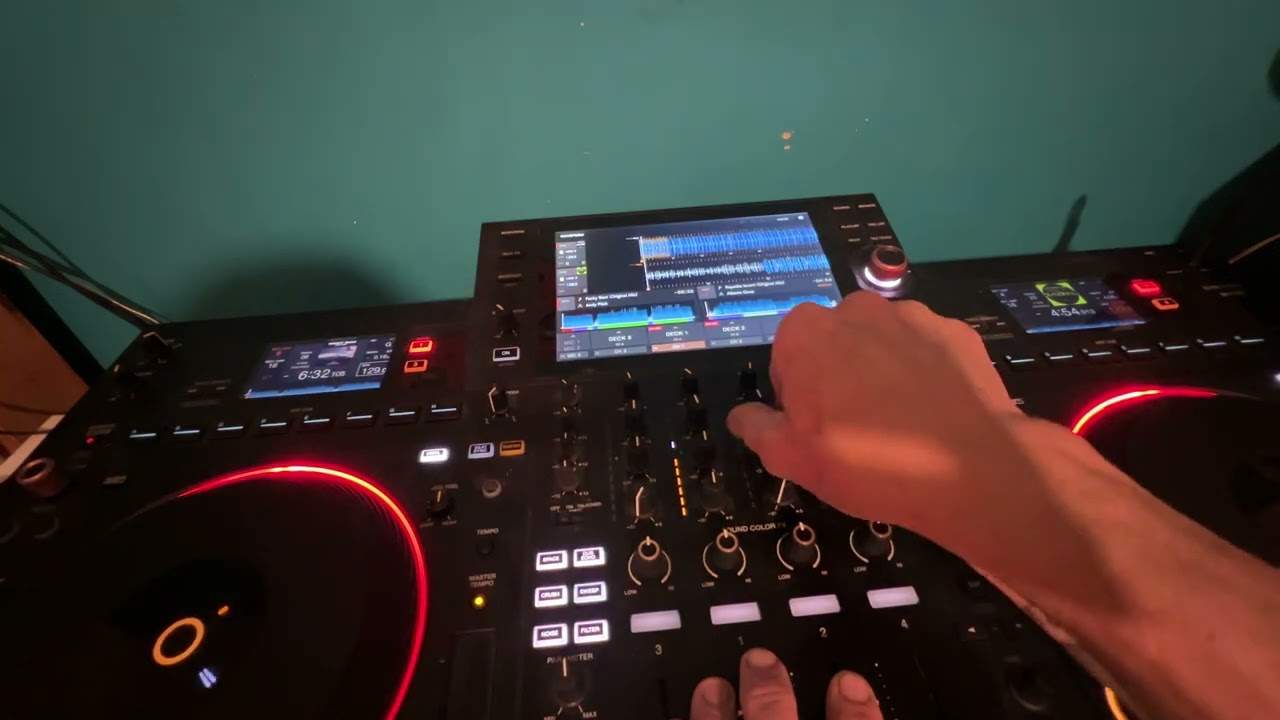
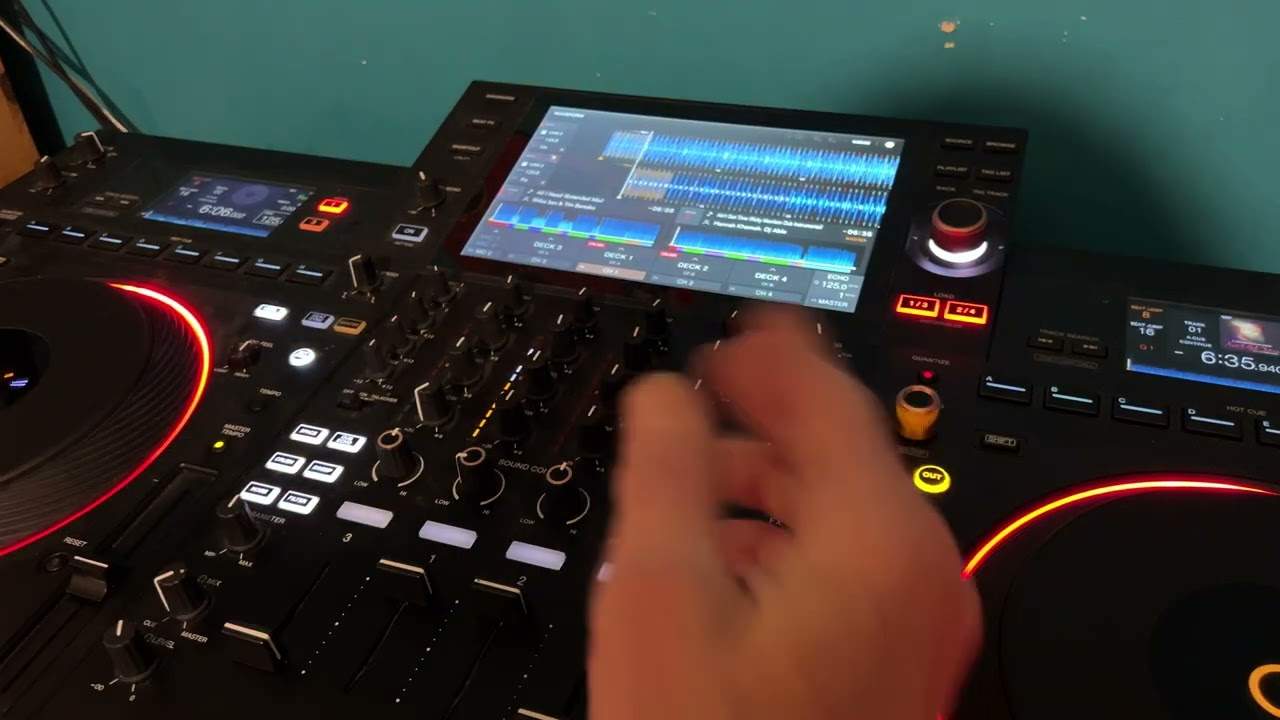
Hold the cue button and the track plays. Release it and the track snaps straight back to the cue point.
Which means you can audition an entry as many times as you like without resetting anything, and you can stab a fragment in and be instantly back at the start, ready to go again.
For experimenting with exactly this sort of thing, that is the whole workflow: cue held, listen, release, adjust, again.
Contents of the video
0:00 A couple of pointers
Alright folks, Jonathan here. A bit of a tip for you, also a tutorial but mainly this is something where you can have a little bit of fun. A couple of pointers. First of all, you need a track that is in beat with the other track. Two particular songs which are the same beats per minute. Secondly, it doesn't really matter if one's a house track, one's a breakbeat track or anything like that. In fact, if the beats are slightly different it makes it more interesting. Now, with regards to this particular tutorial, what you need to take into consideration, very important, is the actual timing. Because you can, in a sense, do this anywhere in the mix. But if you keep it in timing with bars and with the actual counting, it will sound a lot better. Right, I'll show you what we're going to do. Very simple, but very, very subtle. And quite a good effect if done correctly in the mix. Let's first have a listen to one particular track. Here we go.
1:32 The next track, you're going to bring in 1, 2, 3, 4
The house track, now you can hear... Now here's the other track. Now what we're actually going to be doing is sort of beat juggling. Now normally if you think about it, if you bring one track in, you're going to actually be bringing, or I'll start again, you're playing one track and if you bring a second track in, you're going to theoretically bring it in on the bass beat. Bam! So you hear the first track playing. 1, 2, 3, 4. Now the next track, you're going to bring in 1, 2, 3, 4. 1, 2, 3, 4. 1, 2, 3, 4. So in other words, bam, shh, bam. You're going to bring it in there, there. Now using this idea, you don't bring it in on the bass beat, you actually bring the other track in on the high beat. So, shh, you'll bring it in there. Now I'll give you a demo. Here we go. And again, by just pressing the cue and keeping your finger on the cue.
You don't necessarily have to press the play because you press the cue and the music will carry on playing. As soon as you take your finger off the cue, it will go back to the beginning. So what we'll do, we'll start that again. Have a listen. Very, very subtle. Only a tiny, tiny difference there. But, again, it's another tiny little trick that you can bring into the mix. Hope it's been a help. Practice and enjoy.
This transcript was produced automatically from the audio of the video and may contain mistakes.