 8:36
Dropping one in and fading one out
On YouTube this video is called DJ TUTORIAL, Dropping a toon in and fading one out
What this lesson teaches
A reply to an emailed question, and it sets out the minimum requirements for a transition that is not a full beatmatched blend.
No rules about the shape
He is clear at the start: there is no rule about what you should do. Drop in and fade out, fade in and drop out, or any combination - it is up to you, and the variations are the interesting part.
The three things that do matter
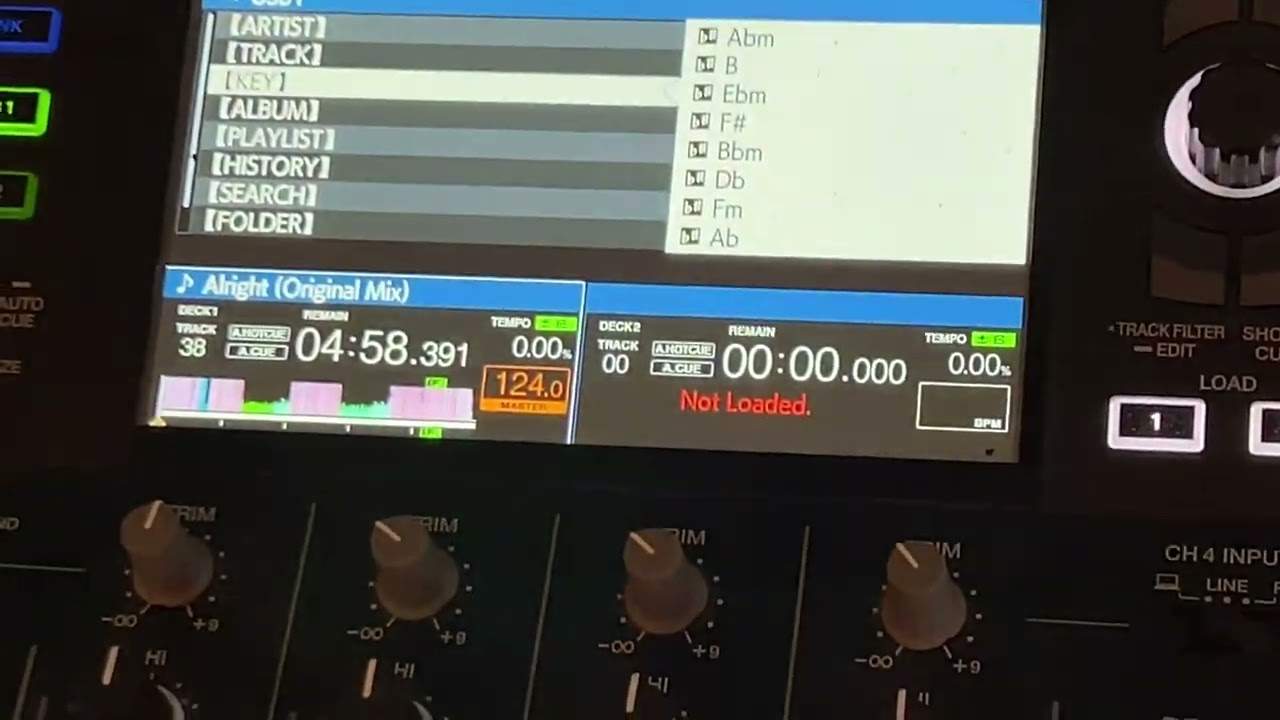
Key. The two tracks do not have to be in exactly the same key, but they have to be in keys that work well together. That is a real distinction and it is the subject of a whole course later in the curriculum.
Beat. They have to be in beat - unless there are no beats at all at the point you are mixing, in which case what has to agree is the melodies.
That exception is worth noticing. It is the same observation as the beatless-intro lesson: where there is no rhythm to clash, the constraint moves to the tune.
Bars. There has to be continuity in the timing. One, two, three, four on one side has to mean the same thing as one, two, three, four on the other.
Get those three right and almost any shape of transition will sound deliberate. Get one wrong and no amount of smoothness will rescue it.
Do not become a clone
His closing warning, and he means it seriously: do not watch a superstar DJ, decide you want to be like them, and end up as a copy.
The argument is the same as the one in the vinyl course - aim precisely at somebody else's style and you get their mannerisms without the taste that produced them. Experiment, have fun, and find out what you do.
Which sounds like a platitude and is actually the practical consequence of the previous lesson: if there is no correct mix length, then there is no correct style either, and copying one is copying an answer to somebody else's question.
Contents of the video
0:00 Vinyl turntable, mixer, CDJ over there
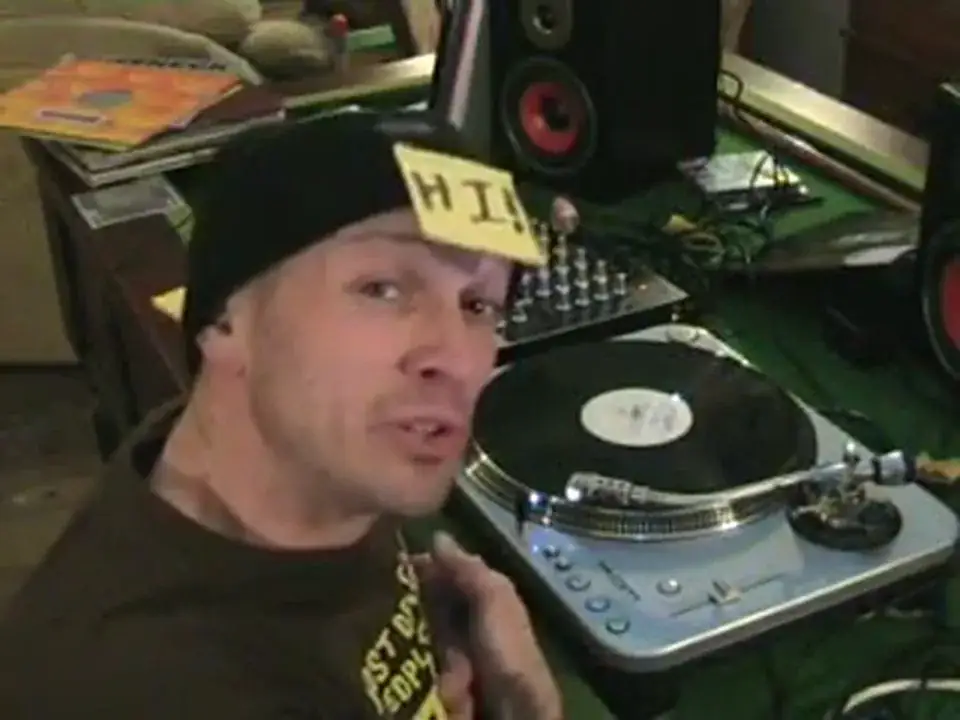
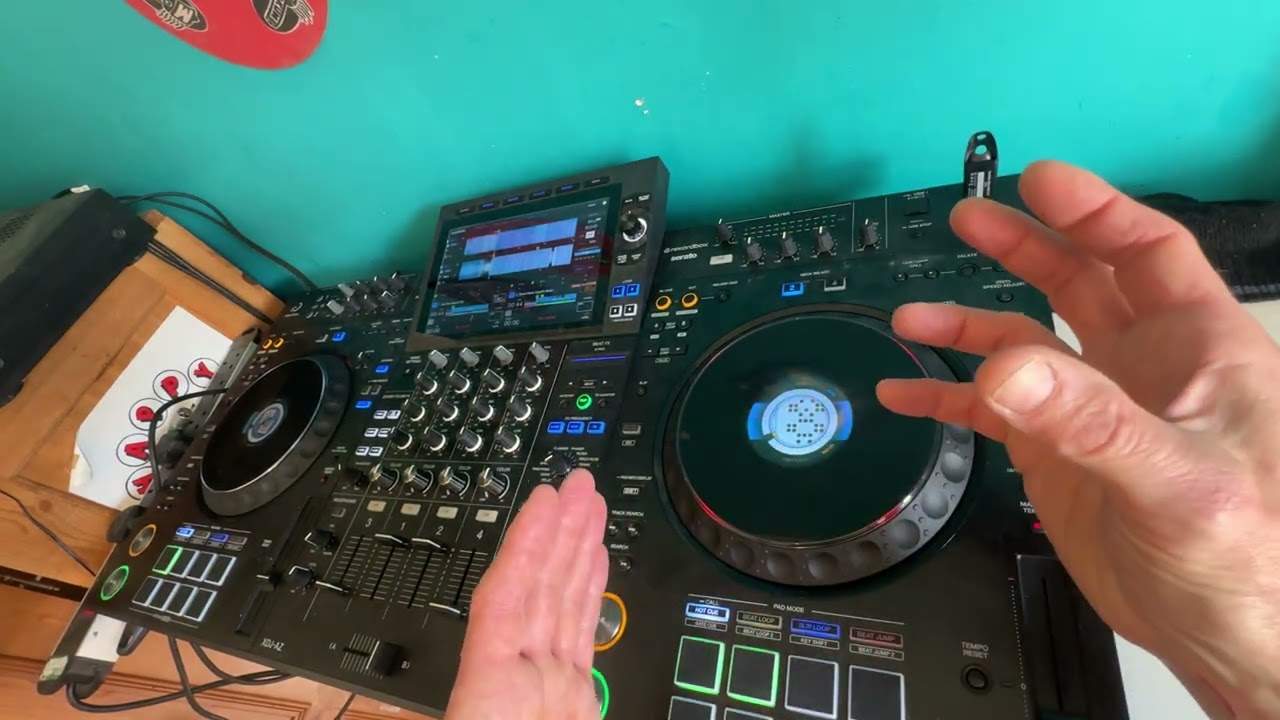
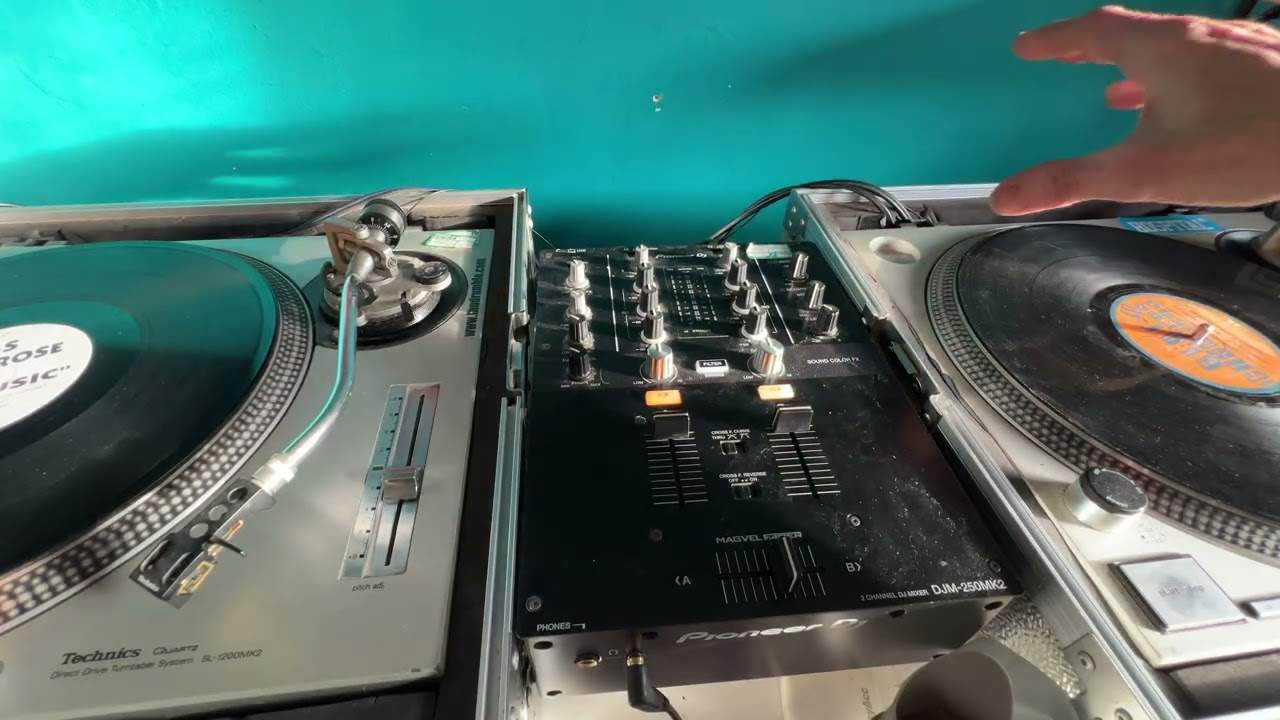
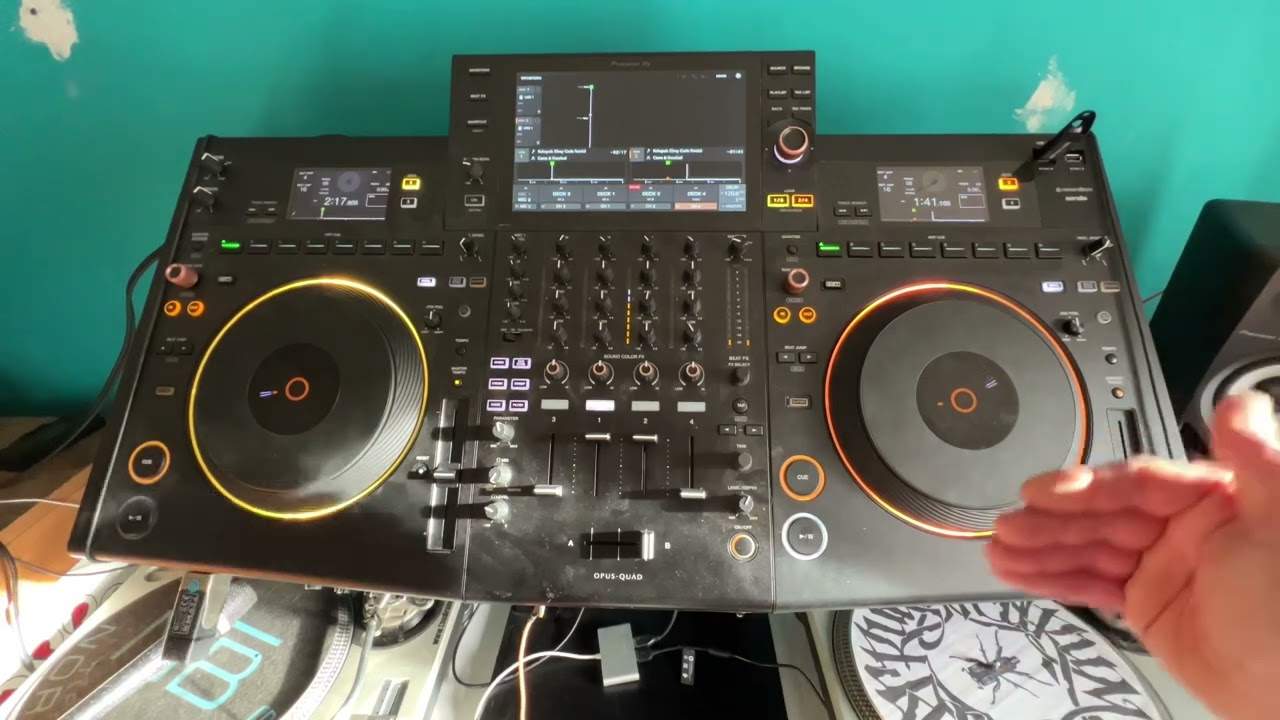
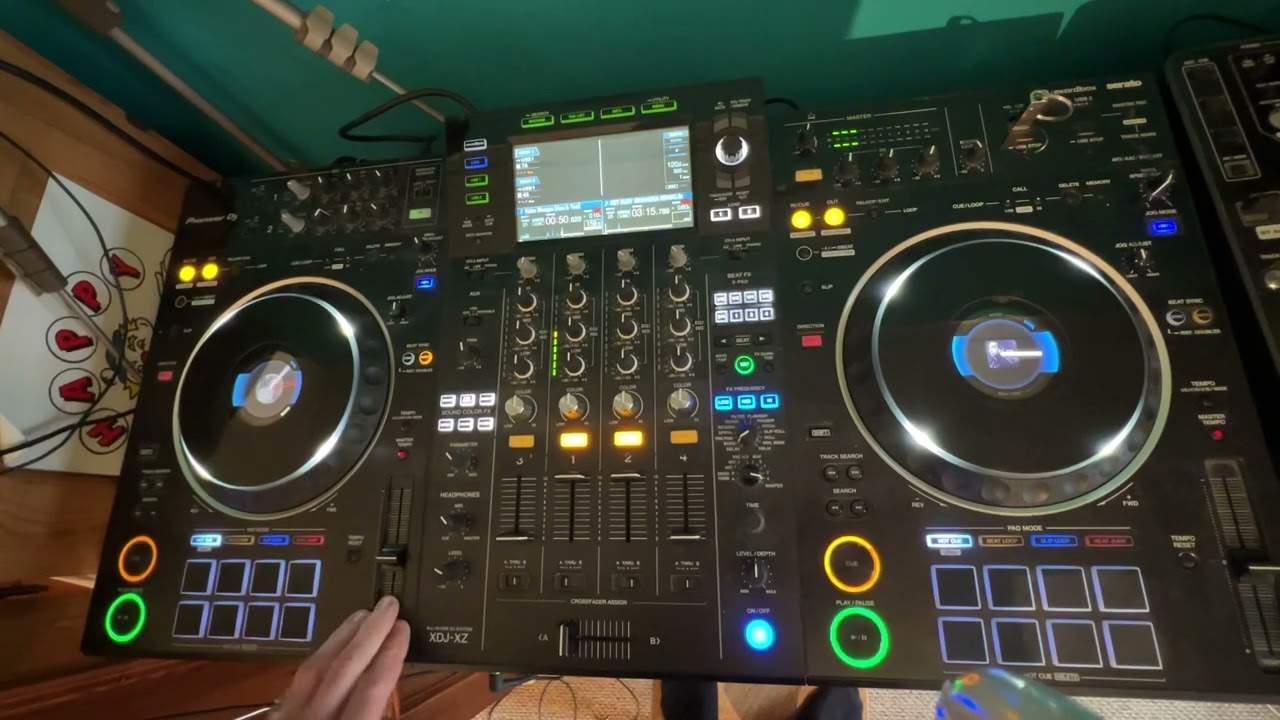
Alright folks, this video is going out to DJ Noice from Birmingham and also the person who emailed me asked me about dropping in and fading out. Now first of all, dropping in and fading out doesn't mean you're dropping it at someone's party, you open the front door and you walk into the front room and there's someone fading out on the couch because they've drunk too much vodka. Well it sort of does mean that but what we're on about here is the music. Vinyl turntable, mixer, CDJ over there. The idea here is dropping a track in and fading one out. Now there's no rule to what you should, or in a sense shouldn't do, because the whole idea about you dropping a track in and fading one out is it's up to you. A couple of things you have to take into consideration. One is of course the key of the music. They've got to match. They haven't necessarily got to be exactly the same key.
But they have to be keys that work well together. The other one is they've got to be in beat, unless of course you don't have any beats there at all, it's just a melody and the melodies have got to match. Also, the timing bars, 1, 2, 3, 4, 1, 2, 3, 4. You've got to have some continuity where the bars are concerned as well. So what I'm going to do here now, look to the side of the video, that sort of direction for the actual track names. What I'll do, I'll put vinyl turntable track and CDJ track. Now I'll give you a sort of relative idea of let's say dropping in, fading out or maybe even fading in and dropping out. But again it's up to you what you want to do. Experiment, have fun. Please for goodness sake don't watch a superstar DJ and watch how they do it and say I want to be like them.
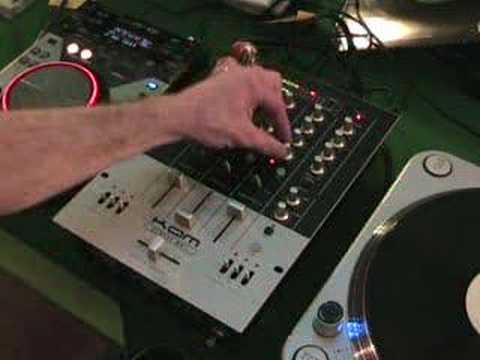
And just end up being like them, a clone of them. Be yourself. That's what it's all about. If you think you've got a little style, then follow that style. Just stick to the principles of key, beatmatching and bars. Not cheap, but one, two, three, four. Right, I'll pause the camera and we'll have a closer look at the mixer. Hold tight. Alright, here we go folks. We're sort of around about the end of the particular track here on the CDJ and we're going to bring in the vinyl turntable. And again, I mean, alright, you know, what is dropping in and fading out? Well, dropping in is almost like bang, bang. You're dropping in the track. Hopefully that's what the particular person is on about. And then fading out, in a sense, is let's say, you know, you're halfway through the mix and they're both playing. Fading out is more you're just teetering away, you're moving the crossfade over and then you're fading out.
2:52 What I'm going to do, near enough exactly the same thing
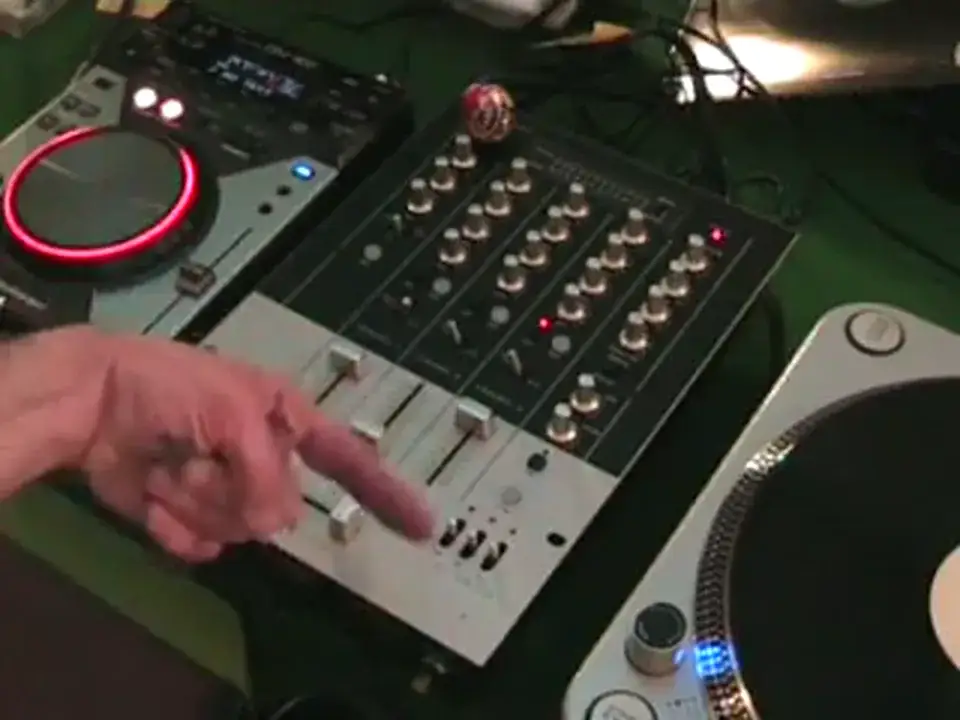
Right, I hope you can actually see what was going on. The difference, well the problem is because I'm the cameraman, the grip, the best boy, sound engineer and goodness knows what. Right, so what I'm going to do, near enough exactly the same thing. This time though, I've got no bass at all on that track and to compensate, I've actually increased the mid very slightly. So what we're going to do now, we're going to start this one off near enough exactly the same time, bring this one in hopefully near enough exactly the same time and do something slightly different but bearing in mind like I said earlier, it's about you experimenting. Put it this way, if you copy The superstar DJ all the time, then you will end up being exactly like them, not necessarily earning the same amount of money and working in the same clubs, but you'll almost be a clone of them. You have to try and do your own thing. You will find your own way. That's what it's all about. It's about practicing and enjoying. Here we go. So I don't see headphones, do this one. And here we go. No bass on that side.
5:59 Cross bass in the middle
No bass at all. Cross bass in the middle. Bring the bass in on this side, take the bass out on that side. But while I'm moving the bass up, I've got to move the mid down here, otherwise too many frequencies. Take the bass out from that side. Bass still in the middle. Pause the camera. I've got to be honest with you, dropping in and fading out, well what's it all about? Well basically, you drop one track in and you fade the other one out. There are so many different scenarios. You could, well actually I could spend not 10 minutes, not 20 minutes, I could spend possibly 20 years describing every single scenario of dropping one track out, fading the other one in or vice versa, it doesn't really matter.
Like I said earlier, it's all about what you want to do. It's about actually listening to the music, listening to every single individual track and listening to those tracks and working out maybe that particular track, the one that you're bringing in, maybe you should take the mid-hat a tiny bit, maybe the one you're taking out, well, you know, maybe increase the treble. It's all about listening to the songs. In other words, I suppose really the way of chucking all this video all together and that is that the song will tell you what to do or the songs. Practice and enjoy.
This transcript was produced automatically from the audio of the video and may contain mistakes.