 8:41
Mixing different genres of dance music
On YouTube this video is called DJ Tutorial, Mixing different genres of dance music.
What this lesson teaches
Part discussion, part tutorial, and openly part opinion - which is the right framing, because this is an argument rather than a technique.
The convention
For as long as anyone can remember, a set has meant a genre. Hip-hop night, play hip-hop. House night, play house. Techno, techno. Trance, trance.
And he is careful to concede the obvious: context is real. Walk into a hip-hop club and drop a house record and people will look at you strangely. Walk into a drum and bass night and play Agadoo and, in his estimation, you will probably get shot.
So the convention exists for a reason and ignoring it in the wrong room is not bravery, it is misreading the job.
The argument
But look at what the genres actually are.
House is a four-to-the-floor beat. Electro house is house. Techno has the same format. So does trance. Four to the floor, structured in eights and sixteens, broadly similar tempos.
They are mixable with each other in every technical sense. The only thing keeping them apart is the habit of keeping them apart.
Why it is worth doing
His practical case: people constantly ask how to produce a set that stands out from everyone else's.
The answer is that everyone else is playing within one lane. A set that moves - house into techno into trance and back, with the transitions handled properly - is doing something the person before and after you is not, and it is noticeable without being a gimmick.
How to start
Pick two genres you play that share a tempo range, find the records in each that sit nearest the other, and build a set that crosses once. Then twice.
The records that work as crossing points tend to be the ones that were always slightly outside their own genre - the techno record with a melody, the house record with no vocal. Finding those in your own collection is most of the work, and they are usually records you already like for reasons you could not explain.
Contents of the video
0:00 Set and they would talk about
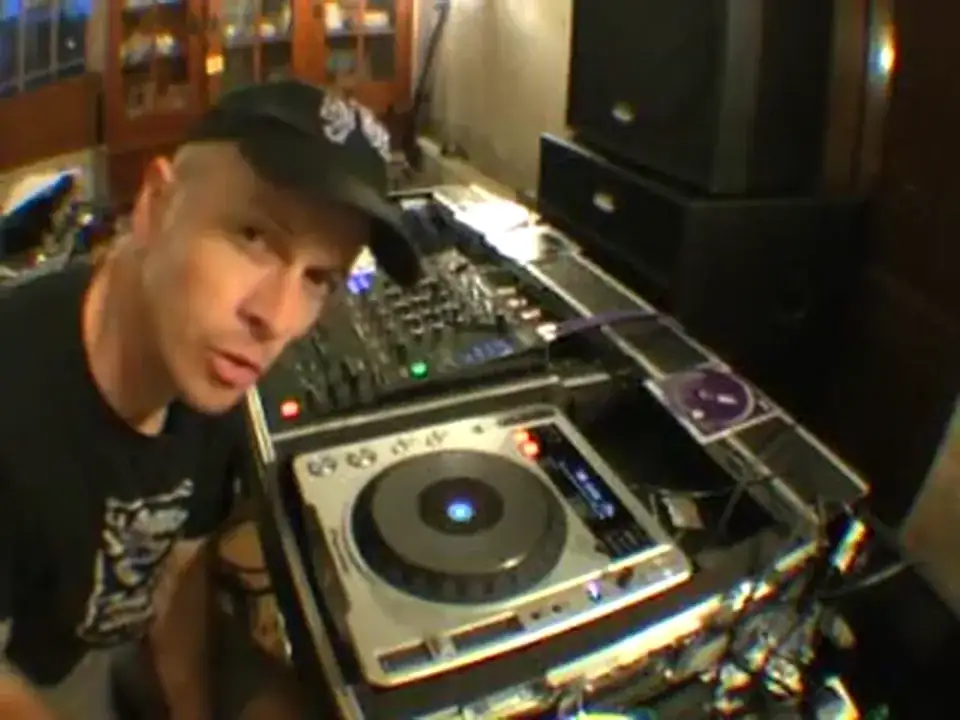
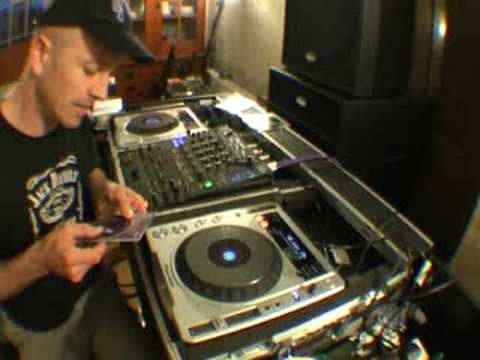
Alright folks, this video is a bit of a discussion, a bit of a tutorial, but also I suppose in a sense my personal opinion. Now for years and years, not just today as in 21st century, but you know 80s, 70s, 60s, 90s people would talk about a set and they would talk about playing one particular genre in that set. In other words, hip-hop, just play hip-hop. House, just play house music. Techno, just play techno. Trance, just play trance. Now that's all well and good. If you go into a nightclub that plays hip-hop, then people are going to look at you rather stupid if all of a sudden you start playing a house tune. Or, for example, if you go into a nightclub that will just play drum and bass, they're going to look at you rather potty if all of a sudden you start playing Agadou or something like that.
You'll probably get shot. But, here's the deal. House music. What is house music? House music is a 4-4 beat. What is electro house? Well think about it. Electro house. It's house music. Techno, trance, all those types of genres have near enough exactly the same format, a 4-4 beat. So I put it to you. I'd like you to mix and mash up a set. And bung it as a response underneath this. I'll delve into this particular subject towards the latter part of the video. But what am I on about? Now, first of all, a lot of people are saying, you know, how do I get a good set? How can you get some sort of fantastic set that will stand out from anyone else's? Well, I'll tell you. Instead of you just playing electro house all the way through or just playing house or just playing hip hop, try and mix.
A tiny few other amounts of genres in there. Now, there are certain criteria to work around. Let's say you're playing hip-hop. Well, hip-hop, slow BPM. You can't all of a sudden bung in a house track. You can bung in a drum and bass track because even though drum and bass is very fast, if you get the right timing then hip-hop can almost be classed as half time compared to drum and bass. So for example if You get a drum and bass track of 180 BPM. If you find a hip-hop track that's 90 BPM, then you'll be able to mix them in. But when we look at, say, the likes of, say, Electro House, you're going to have problems if you want to try mixing a drum and bass track into that. So, you know, you may be able to do it. Who knows? But, you know, it could be a little bit difficult. What I'm on about here is the likes of, say, club music.
2:55 Techno, trance, that kind of genre
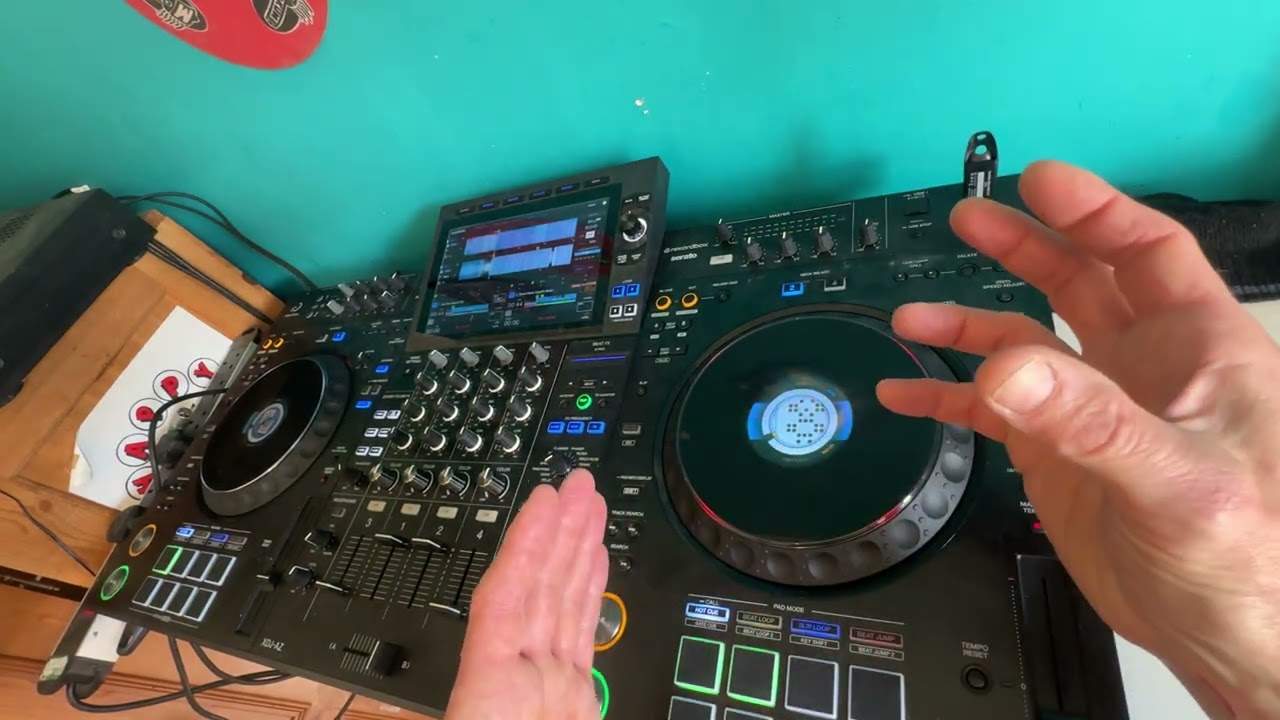
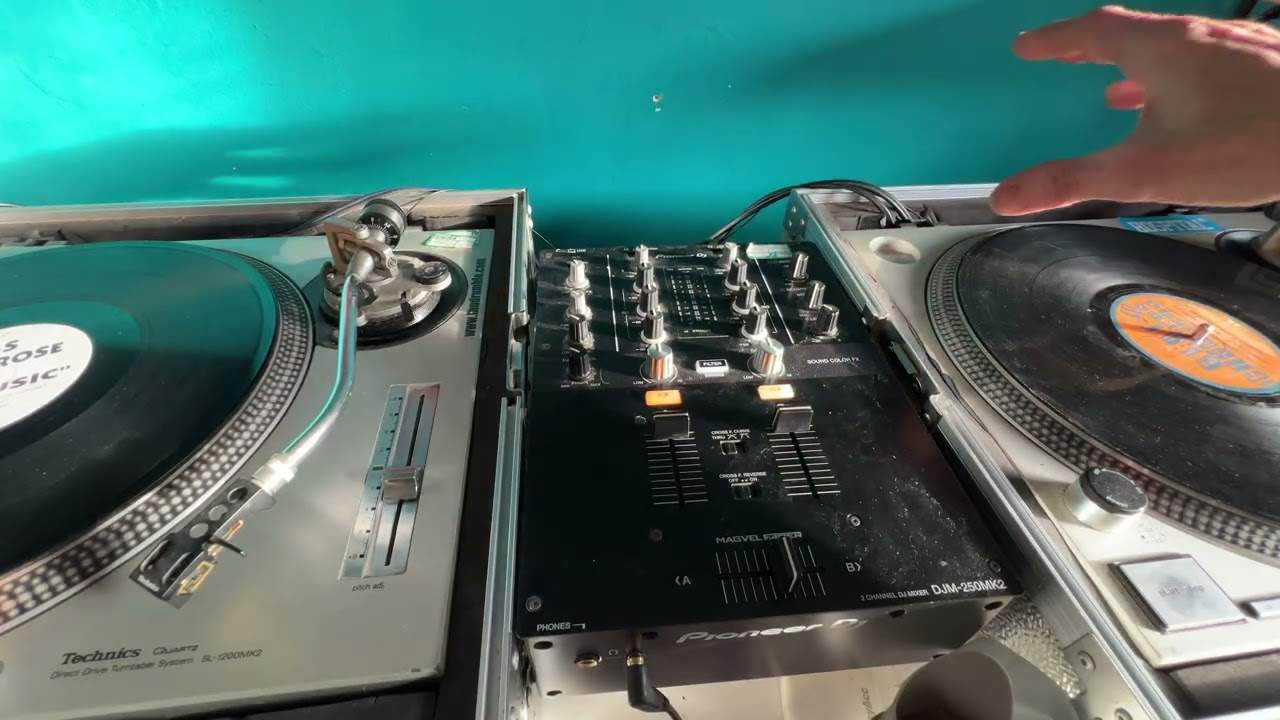
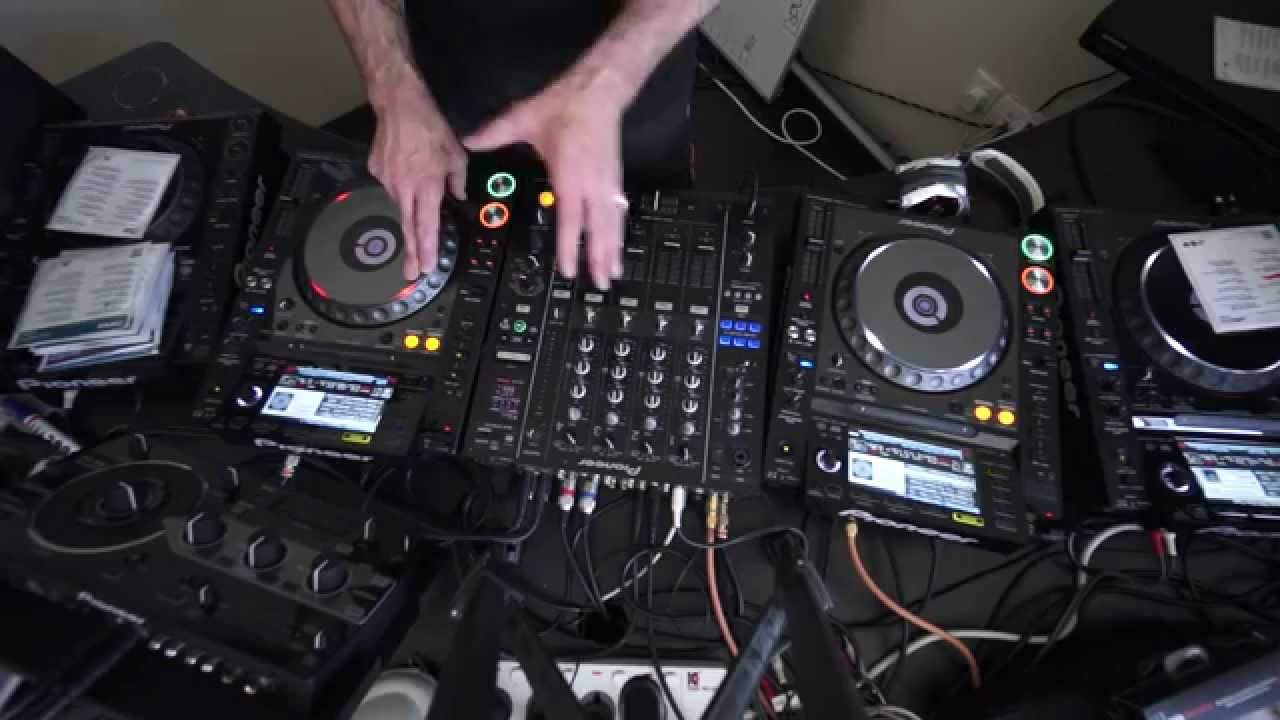
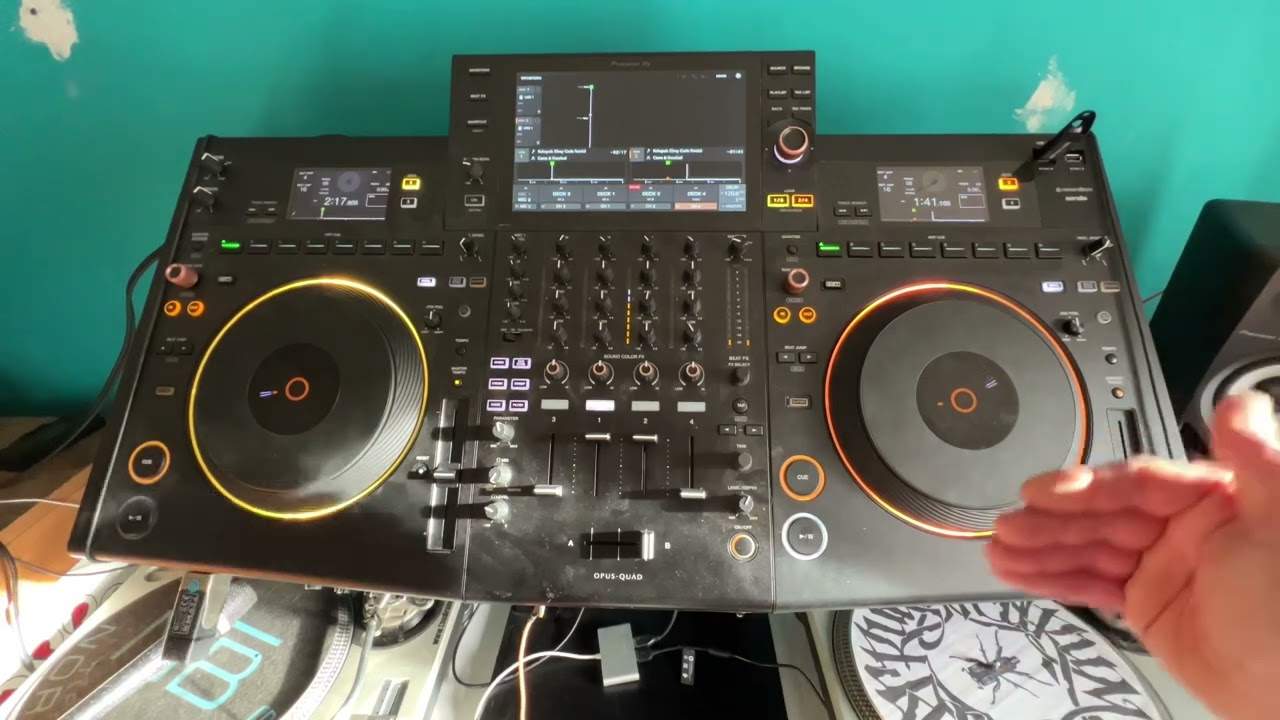
Techno, trance, that kind of genre. Have a go at mixing different genres for full time in together. Because what it will do, it will brighten up your mix. It will make it sound a little bit more bubbly and more interesting. In other words, instead of like starting your set playing Electro House and Electro House, Electro House, Electro House, Electro House, Electro House, all the way through to the end. Why don't you do Electro House, Electro House, bung a techno tune in and then... I've got tracks from CD Paul. I've got one here From the House CD from March 2008. Now this is the one I'm going to start off with. It is... where are we now? What are we going to do? We're going to start off with track number four, which is Topaz, New Millennium. And then I'm going to play this one from here, which is the club issue, June 2008. I'm going to play the Freemasons featuring Catherine Ellis, When You Touch Me.
With a track here from the Underground compilation, which is track 4, which is Danny Dove and Richard Cyril, highs and lows. Now I'm not going to use any headphones, I'm going to try and do this live, but give you a general idea. Now of course there are criteria to work around, they've got to sound well together, in other words we've still got to listen to the key, the tone etc. But the emphasis is to experiment, have a bit of fun. You may not get it spot on first time. It could be all over the place. But again, it's about practice and enjoy. Here we go. I'm sitting on a speaker here. Right, that's that one. This one was... What were you doing with this one? Ah, track number one. What I'll do, I'll wang this one forward a bit. OK, we've gone from that. We're into this one, which is supposedly a club track. Take this one out there, the house track.
6:34 Sort of sound
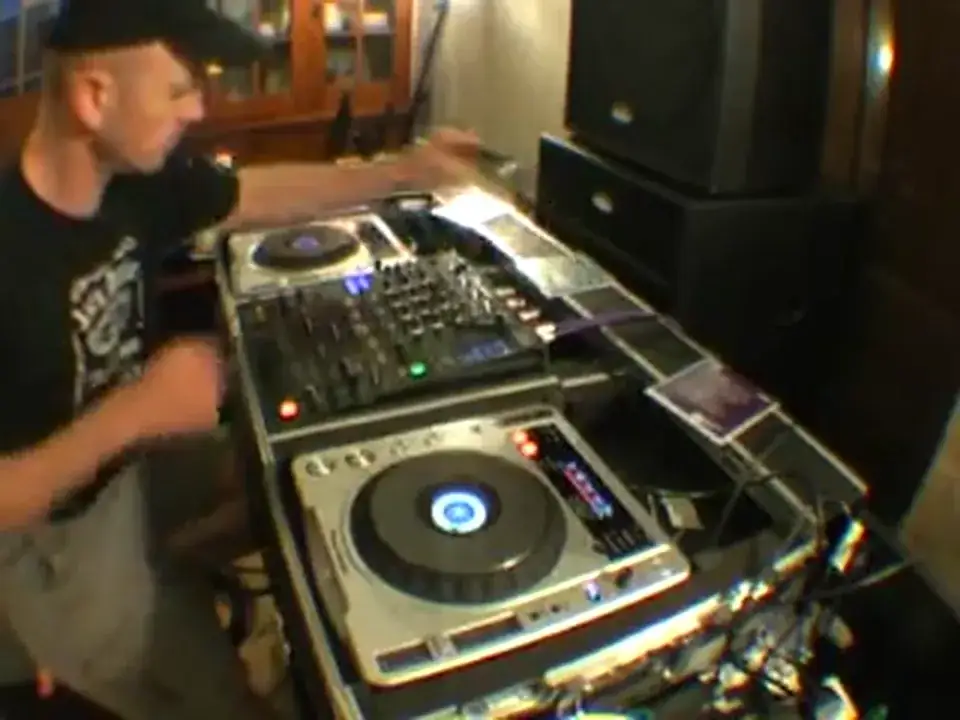
And we'll put the underground track on. Show you sort of sound. It's a really soulful, housey track to something a bit more underground and electro. And now we're going to go to a track that's classed as very underground. Let's see what we can do. What have I proved here? Probably absolutely nothing. But what I'm trying to prove is I want you guys out there to start experimenting. Don't just stick to one genre. In fact, if you broaden your horizons, look to other genres, mix them into your set, and it could take you that one next. Step higher, practice and enjoy.
This transcript was produced automatically from the audio of the video and may contain mistakes.