 4:49
DJ Tutorial on Adding a Looped a Cappella over a Mix BY Ellaskins the DJ Tutor
Contents of the video
0:00 We've got a basic transition here with a little bit of a twist
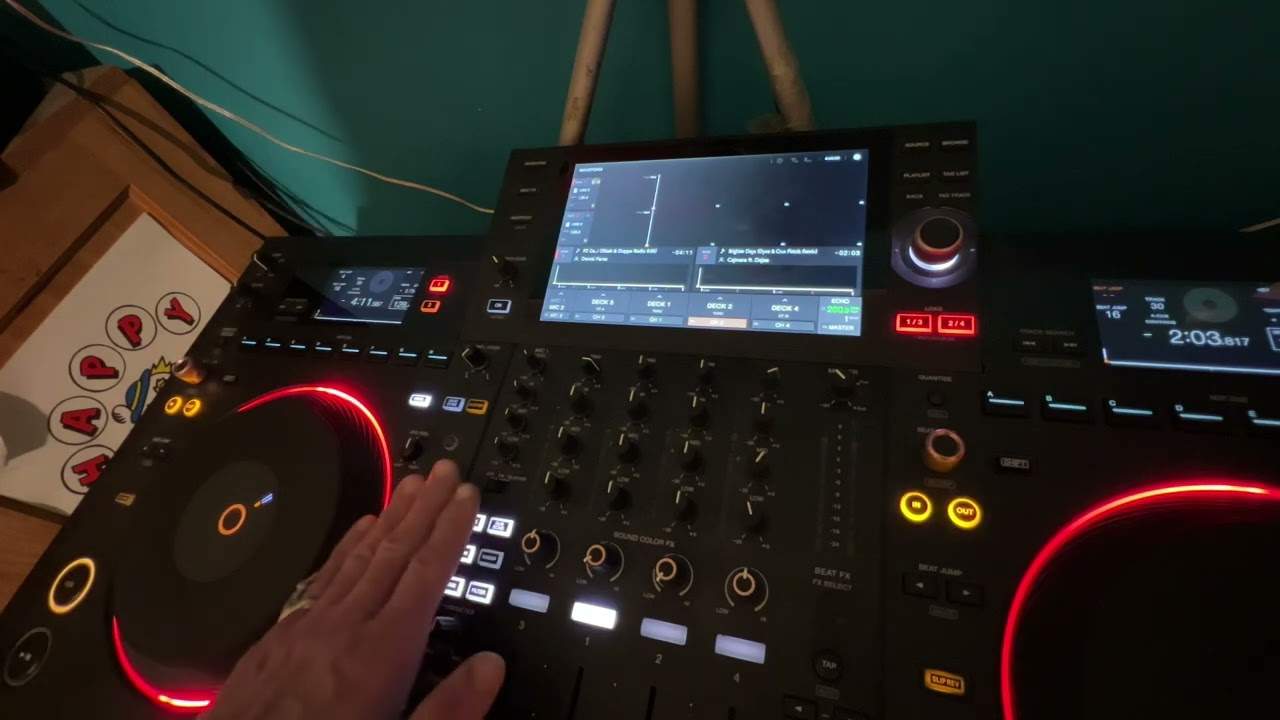
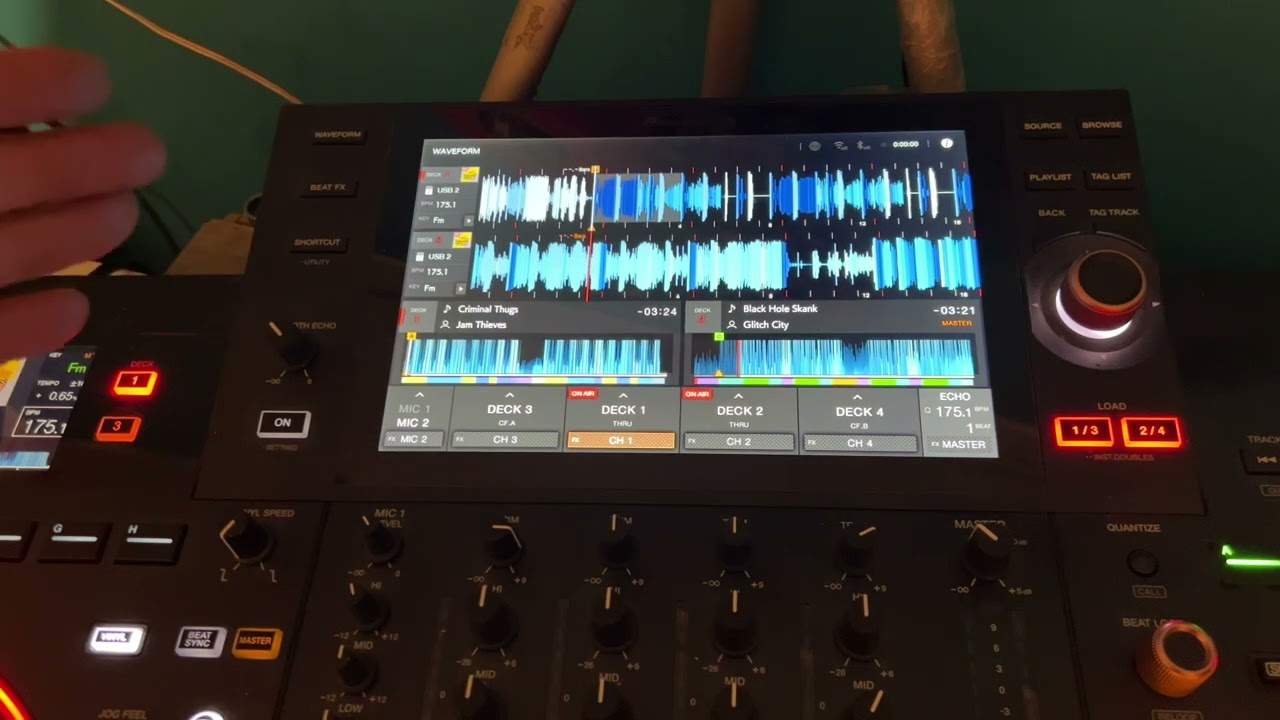
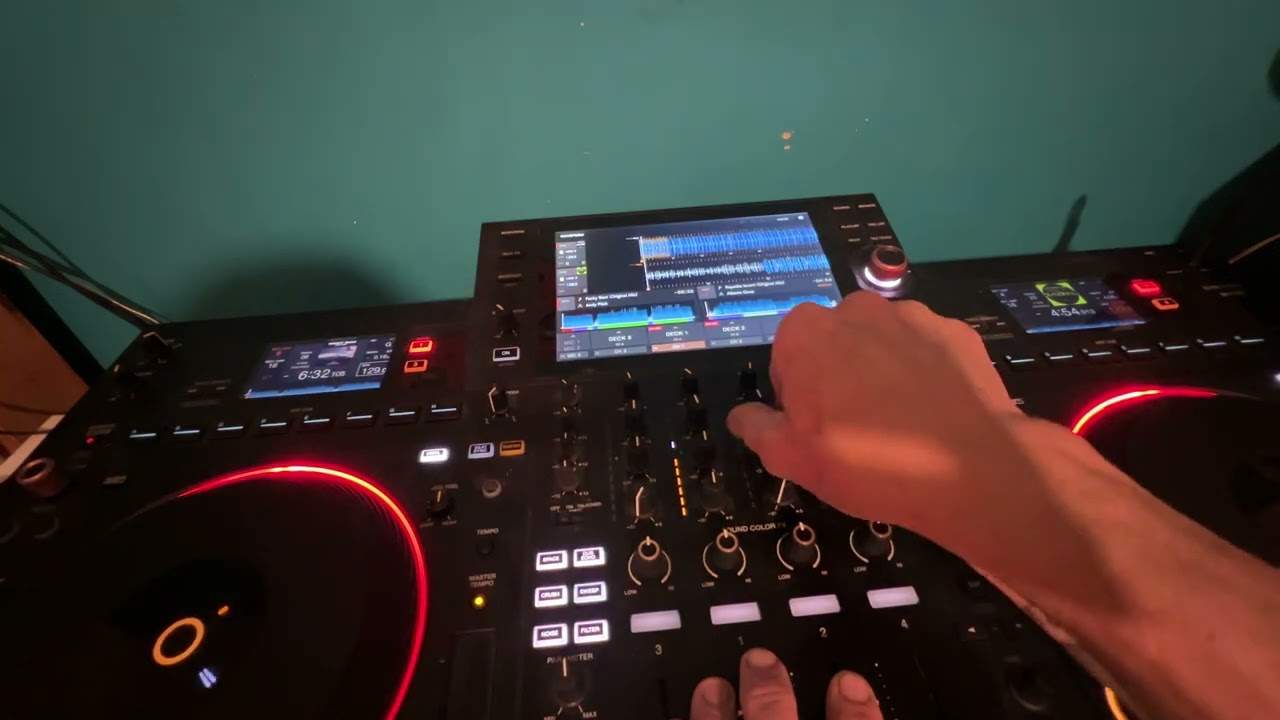
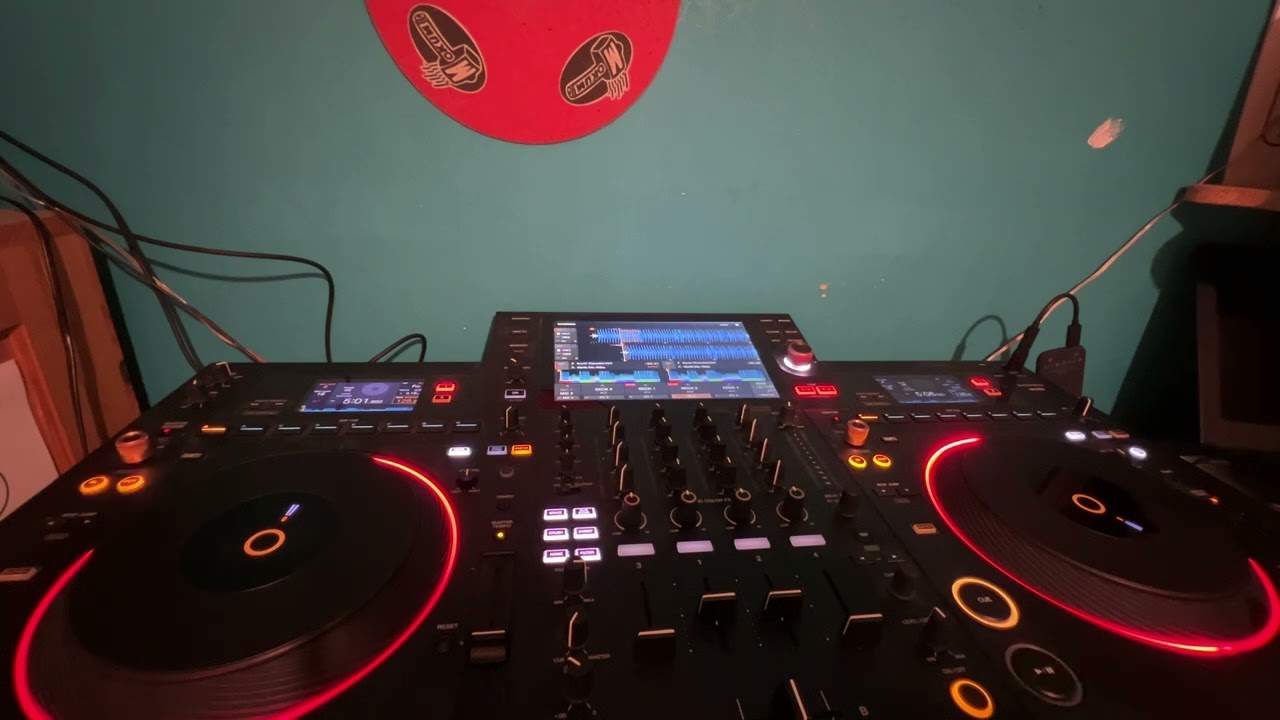
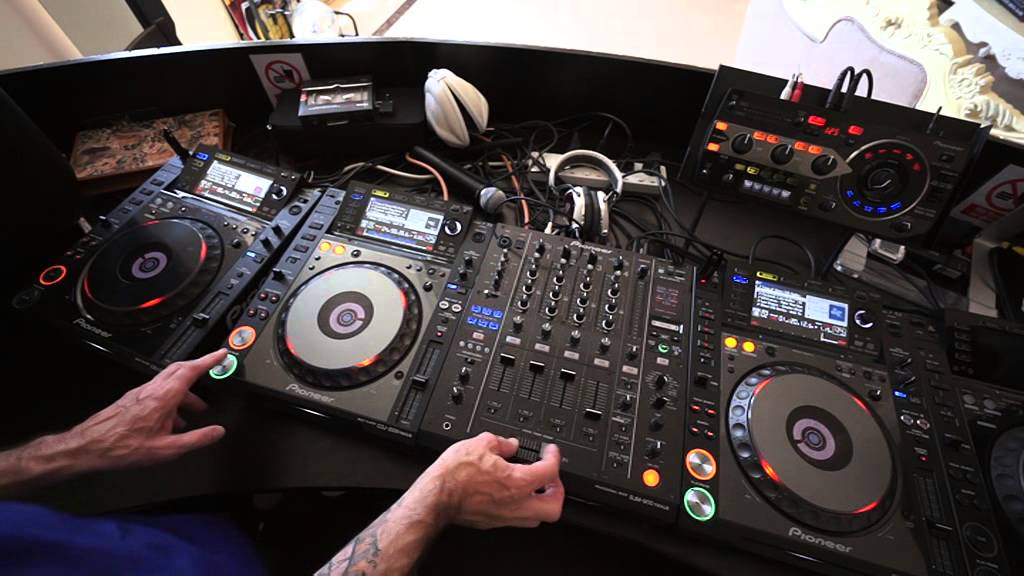
All right, ladies and gentlemen, we've got a basic transition here with a little bit of a twist. We're going to incorporate an acapella over the top. Basic transition, we're going to use the crossfader, we're not going to use any effects or anything like that, but what I'm going to do, I'm going to use an acapella over the top to enhance the overall flavour of the transition. Mixer, four-channel mixer. I'm using three channels. Right hand side is track or one track. Left hand side closest to the mixer is the other track, furthest away from the left hand side of the mixer is the acapella. What I've done with the mixer, I have assigned the right hand deck to one side of the crossfade, the right hand side. The left hand deck next to the mixer, I've assigned to the left hand side of the crossfade.
There's good reason for that. I'll explain in a minute. The acapella, on the other hand, I've set the channel to the through position because I want to be able to hear that acapella all the time. So if and when I do want to maybe chop from one side to the other using the crossfade, because I have disengaged channel one from the crossfade, it means no matter which side I put the crossfade, you'll always be able to hear the acapella. The two tracks I'm using are... The first one I'm using is Low Stepper, a track entitled Simples. It's the original mix. And on the right hand side, Crazy White Boy, a track entitled Knocku, which is N-O-N-K-U. We'll have a listen to this one first then. They're both massive cuts and really good, very deep, soulful as well.
There you go. That's that one. This one here, the Low Stepper, which is even better actually. Ooh! By the way, Dave Organics 1966. If you're watching this video, man, you're going to go, I love it. Seriously.
2:03 Crazy cuts, crazy cuts
Crazy cuts, crazy cuts. Okay, and then of course we have the funk phenomenon. Now again, going slightly more deep, but the funk phenomenon... The the in the funk phenomenon does not start on the count of one. It's funk, funk. One, two, three, four. Funk phenomenon. Funk phenomenon. The funk. The funk. So of course if you want to try... If you want to form your loop with the the as a start, you need to make sure that when you engage, when you start the loop, you start it just before the the or the one. If you start the the on the one, it will be... It'll probably sound in time but it won't be as it should be in the correct time signature. So... Funk, funk, funk, funk phenomenon. Funk, funk, funk phenomenon. Okay. So this is just a demonstration.
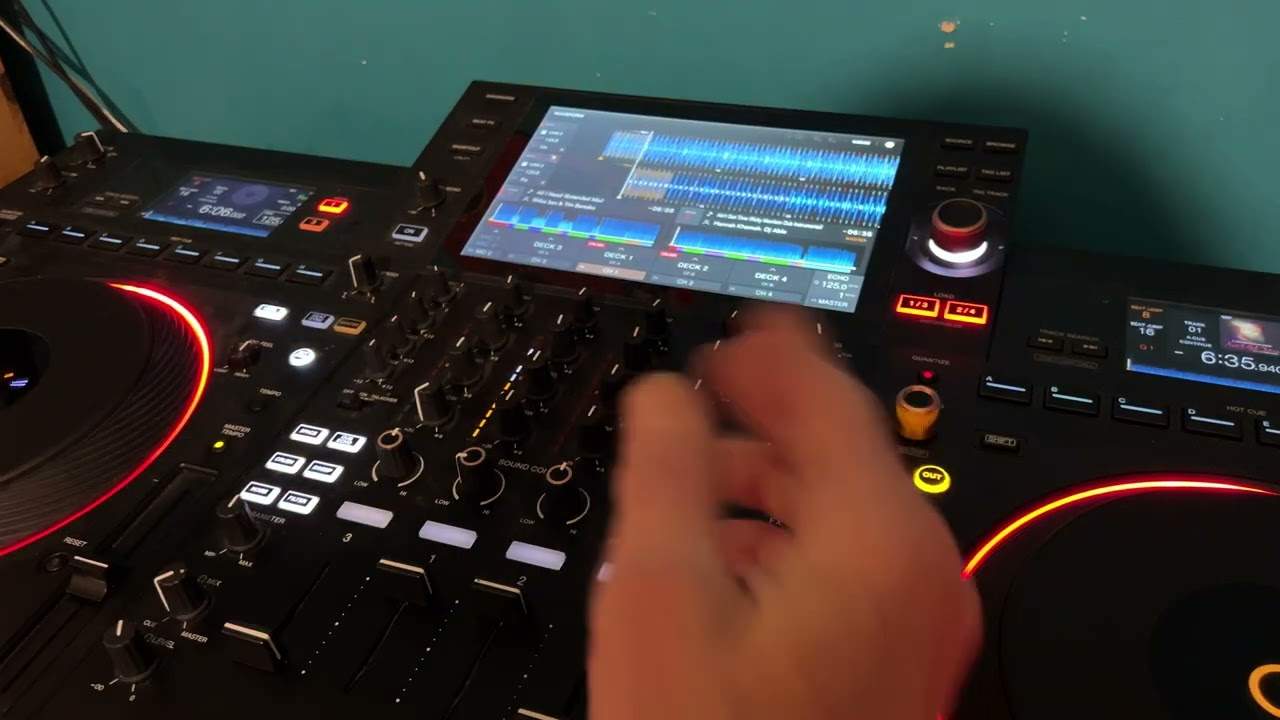
I'm here using headphones and we will carry on... Well, what I've done, I've just set a cue point here on this track. So there we go. We've got that track playing. Not exactly a simple explanation but a very simple way of showing you what you can do. Bearing in mind, very important, you need to make sure that the acapella you have, if you have it in a loop, it's a very good loop. And also, just a small tip here, when you start your acapella, make sure you know what time signature it should be starting at. Because when you do make a loop and you start that loop, if you haven't started it on the count of one and you bring it in on the count of one, it may sound offbeat. I hope that's been a help. Practice and enjoy.
Thank you.
This transcript was produced automatically from the audio of the video and may contain mistakes.