 8:33
DJ Tutorial on Getting the Perfect Mix How to Get 1 2 1 Skype Lessons
Contents of the video
0:00 In this tutorial it's about basic timing
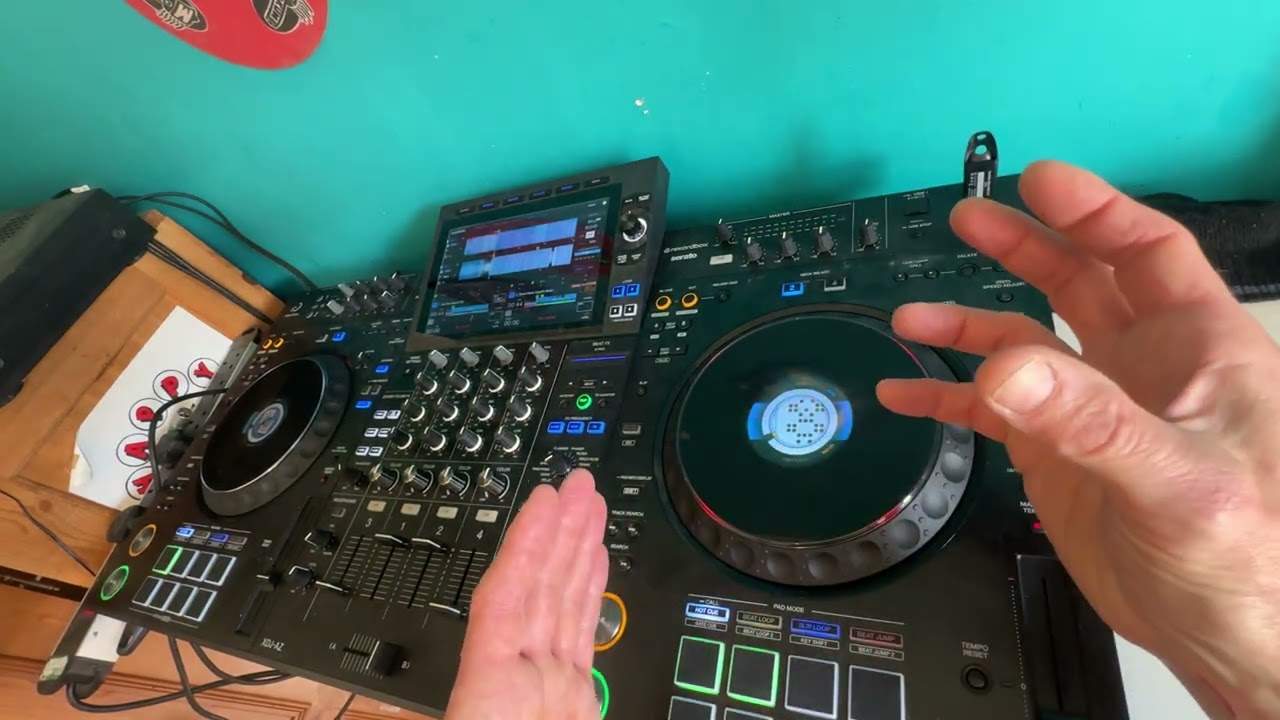
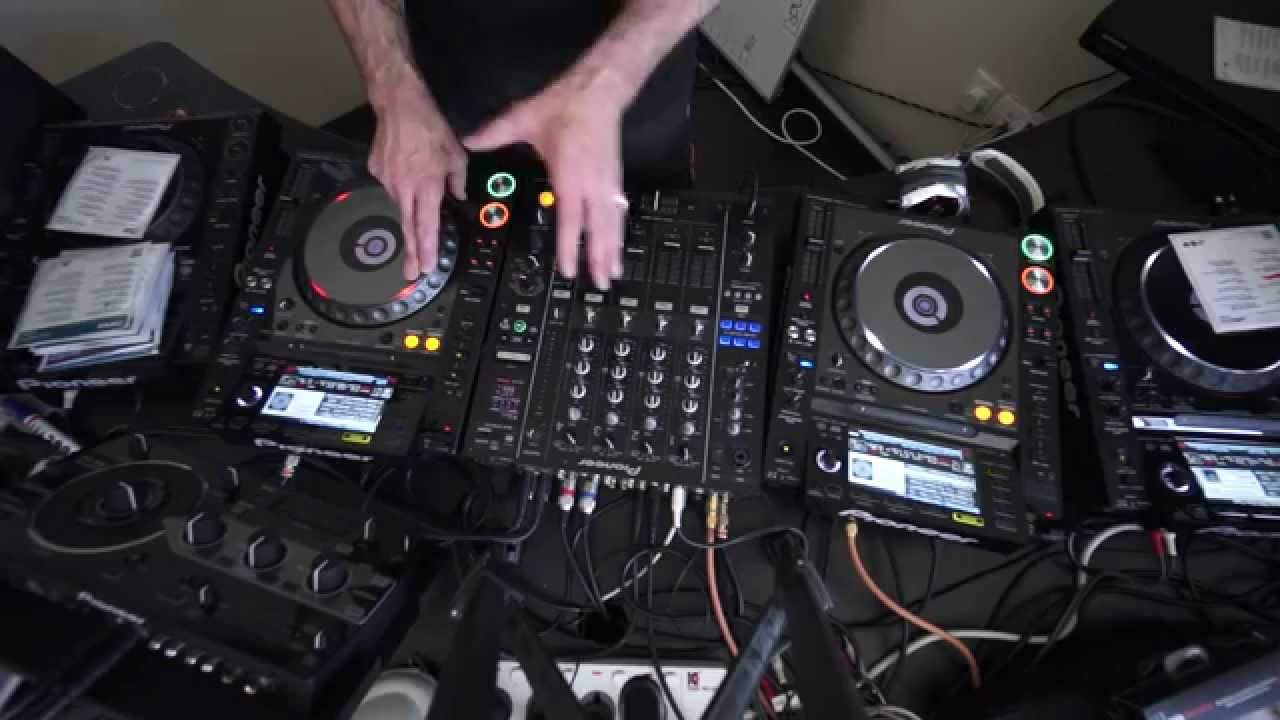
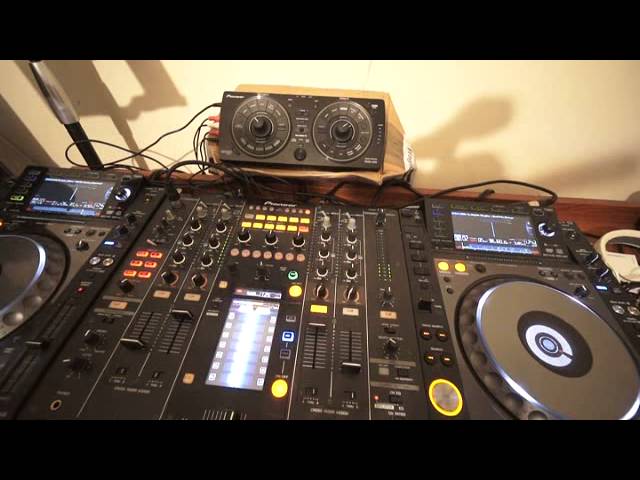
Alright ladies and gentlemen, in this tutorial it's about basic timing. Also construction of your mix, bringing it in the right place. Not simple but it is once you understand the concept behind getting a good mix. Okay, two tracks I'm using are from CDPool Global releases March 2015. We have All Overs featuring Lisa Shaw, track entitled All I'm Saying and on the right hand side here Tom Guild featuring Shayla Vaughan, Soul Life. Right so let's play a bit of this track here. This is the Lisa Shaw. I'm not using headphones so if it does go off slightly don't worry about it. This is just a demonstration. Showing you how you can get pretty much that perfect mix. Right, we're going to go to the latter part of the track. Just set a cue point at this break here. There.
That's pretty much our last 32 bars. Let's have a listen to the beginning of the tom track. Okay what I'm going to do is I'm going to start the beginning of this one at that break. Let's see what it sounds like. So let's go back a bit. About there and further actually. Here we go. One. Okay so we can hear they're in beat, they're in time. All good. But we did have a definite drop in the Lisa Shaw track and now we've got the melody of the Tom Glide track coming in. Wouldn't it be better if we could get that melody in as soon as the break started on the Lisa Shaw? We can do that. By starting this one before the break, not at the break. So what I'm going to do is from that break I'm going to, you can do it a couple of ways. You can count back the bars or you can listen for a definite change in the music.
So press play there. This is the break.
2:43 Let's have a listen to where it changes
Let's have a listen to where it changes. My eyes can see. Okay. So there's a change there. Change in the vocals. That potentially could be the beginning of another phrase. So let's go back a little bit further. One, two, three, four. One, two, three, two. One, two, three, three. One, two, three, four. One, two, three, five. One, two, three, six. One, two, three, seven. One, two, three, eight. There. All right so we've got a definite change. What I'm going to do now is I'm going to start this track not at the break. Not at the break where I started to begin with. I'm going to start it eight bars further back. So let's go back a little bit more.
One, two, three, four. One, two, three, four. One, two, three, four. Two, two, three, four.
There. So we've got melody coming in directly after the vocals. It's pulling the two tracks closer together making more of a blend.
4:36 One, two, three four
All right now we could do it better again because we've got pretty sure it's a 16 bars and we have the bassline coming in. Let's check just to make sure. One, two, three four. One, two, three, two, three, four. One, two, three, three, four. One, two, three, four. One, two, three, three, four. One, two, three, four. One, two, three, four. One , two, three, four. One, two, three, four . I'm slightly out but pretty much that's where it starts so...
Right, I'll tell you what, why don't we move this one forward eight bars. So 1-2-3-4, 1-2-3-4, 1-2-3-4, 1-2-3-4, 2-3-4, 2-3-4, 1-2-3-4, 1-2-3-4, there. Okay, a couple of things, one is as I've done, or a couple of things I could have done. One is as I have done, move that forward eight bars. The other one is the other track, instead of going back eight bars, I could have gone back, of course, 16 bars. But for this demonstration, we'll just carry on going back eight bars here. Now, this isn't rocket science, this is just, if you're taking one, you take one away from the other. If you're adding one, you add to the other. So if you're taking away eight from one side, you make sure you take eight from the other, adding four, add four.
So, you know, you're still fitting the tracks together, but you're maybe moving them slightly more apart, or together, but you're keeping it, always in time, always in time. That's the key here. If I was to, for example, bring this one forward, say, two bars and leave that one eight bars, I'd be, well, six bars out, vice versa. Again, the more you listen to the music and the more you study all different kinds of tracks, you'll realise that 99.9% of dance music is blocks, is blocks of, well, for example, say, you have an instrumental break, that could be a block of eight. You have the beginning of the melody before the bass line comes in, that could be a block of four. You could have the chorus, that could be a block of 16, and so on and so on.
So let's go back to our break again here. There, of course, we need to go back eight. So, hot cue, one, two, bit of filter, and there you go. We've got not a perfect transition because this is dead. I'm not going to do a demonstration, but this clearly shows, this tutorial shows, how by taking a little bit of time with your mixes you can get them, bring that down, you can get them more defined and smoother by just experimenting where to bring the track in and where to take the track out. More importantly in this one, where to bring the track in. If you want any one-to-one lessons, by the way, on Skype by myself, Jonathan, the DJ tutor, then check out in the description. Email me. With your requests and hopefully we can get together and you can have one-to-one lessons.
I'm in time zone GMT UK, all right? So bear that in mind, practice and enjoy.
This transcript was produced automatically from the audio of the video and may contain mistakes.