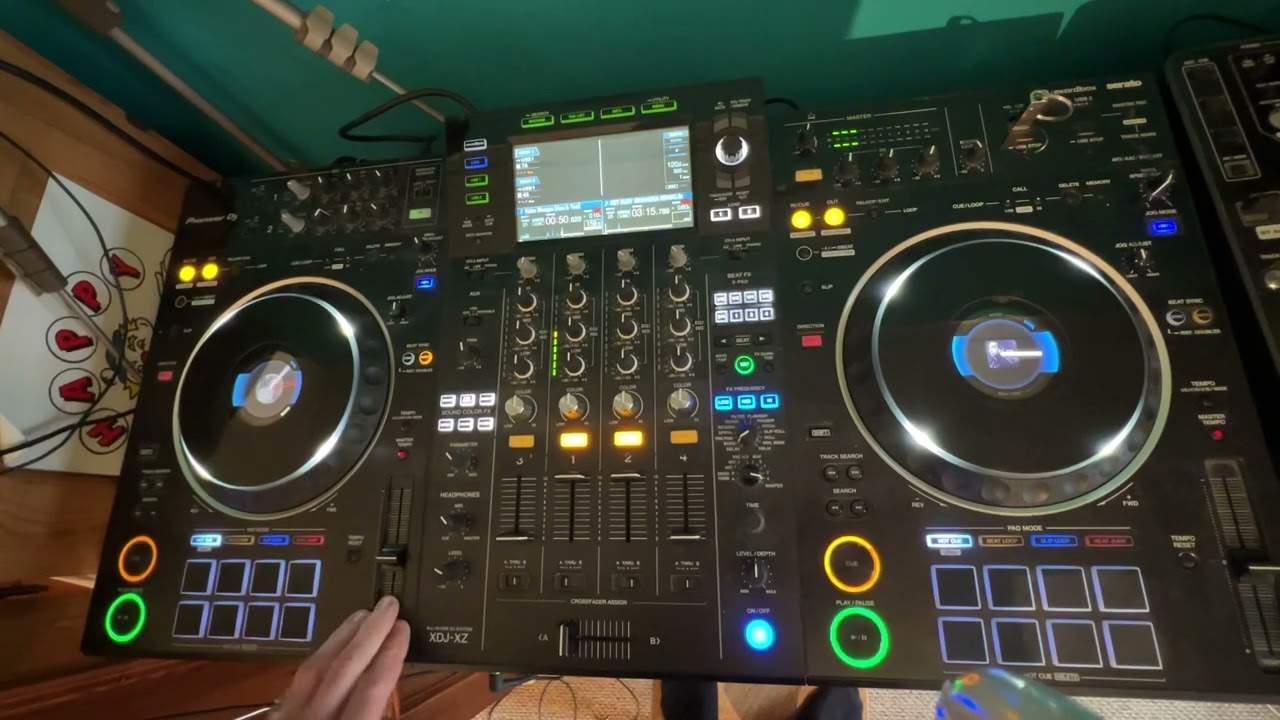
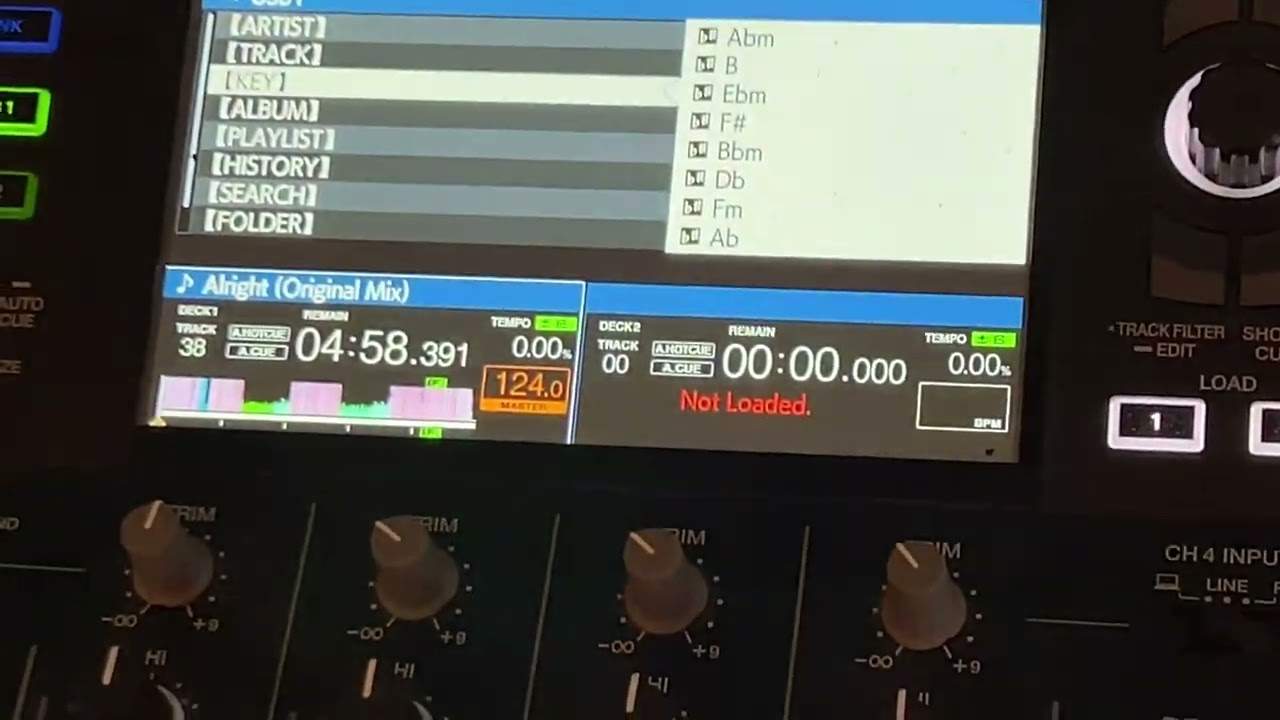
 8:40
Making a mix, end to end
On YouTube this video is called DJ Tutorial on making a mix
What this lesson teaches
This one is explicitly about experimenting, and it exists because of a question he gets constantly.
The question
Where is the best place to bring a track in? Where should you take one out? How long should two tracks be mixed for - one bar, two, four, eight?
The chef
His answer is an analogy and it is a good one.
A restaurant with a superb menu did not arrive at it by somebody sitting down and writing the right answer. It took hours, days, months and years of trying combinations, adjusting quantities and throwing things away.
And the crucial part: the same ingredients in different proportions produce a completely different dish. A little less of one, a little more of the other, and the flavour changes entirely - with nothing added or removed.
Two records are the same. The same pair, mixed over two bars or over sixteen, brought in at the intro or at the break, is two genuinely different pieces of music.
What to actually do
Take two tracks you like together and make the same mix several ways:
- Bring the second one in early. Then late.
- Overlap for two bars. Then for eight. Then for thirty-two.
- Take the first one out immediately after the new one lands. Then let it run underneath.
Listen to the results against each other rather than judging each on its own. The differences are the lesson - and some of them will surprise you, which is the point.
Why there is no correct answer
Because the right length depends on the two records, the moment in the night, the room, and what you want to happen next. Those change constantly and no rule survives them.
What you are building is not a rule but a repertoire - a set of things you have tried, know the sound of, and can reach for. That only comes from messing about, which is exactly what this lesson asks you to do.
Contents of the video
0:00 You imagine a chef in a restaurant
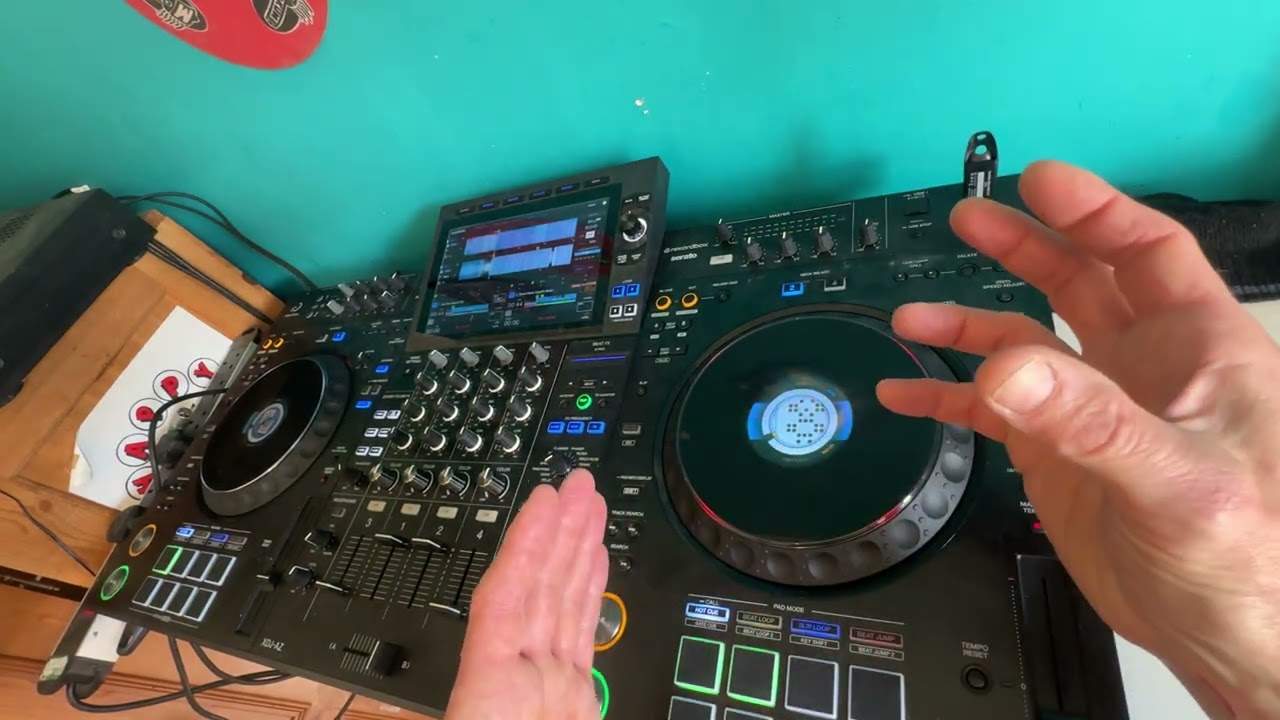
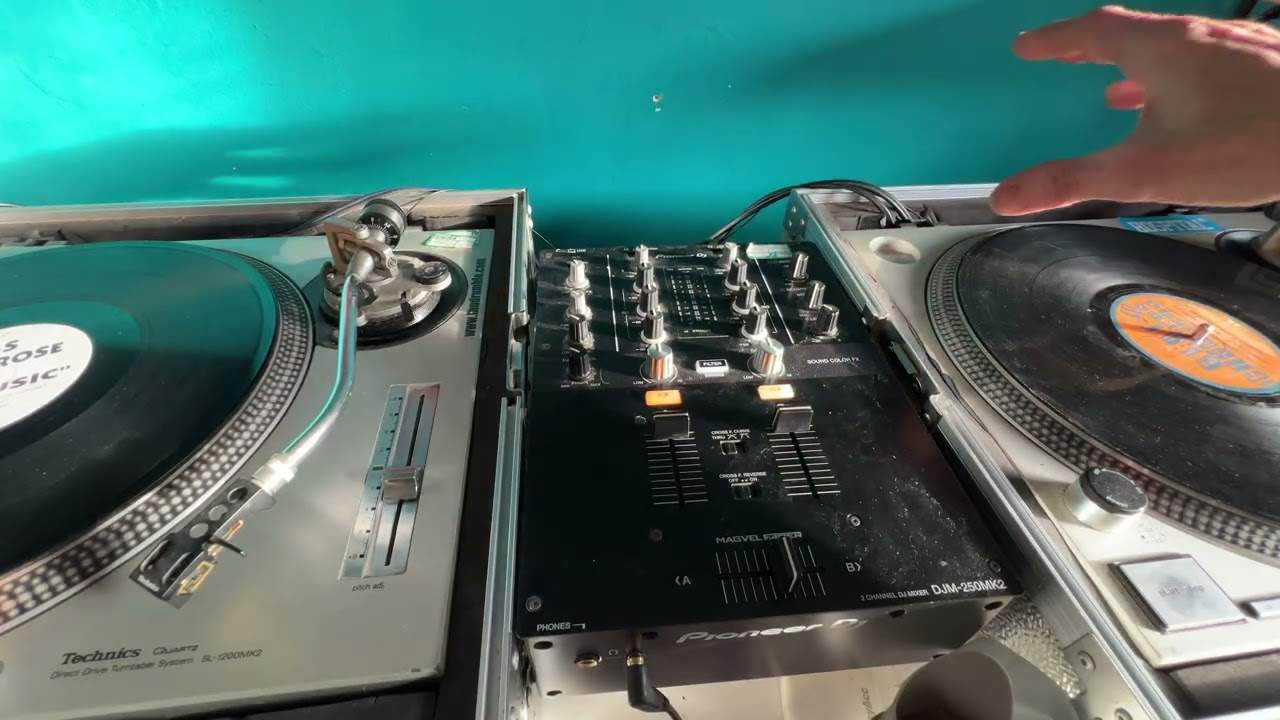
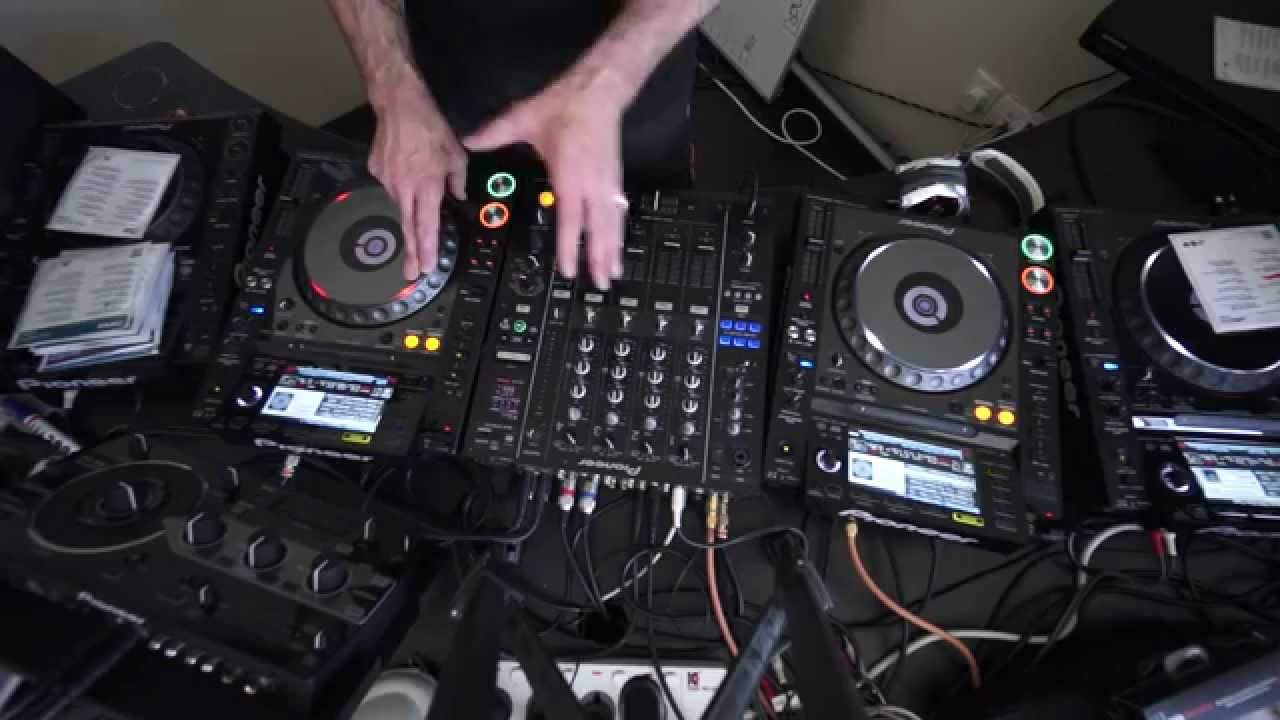
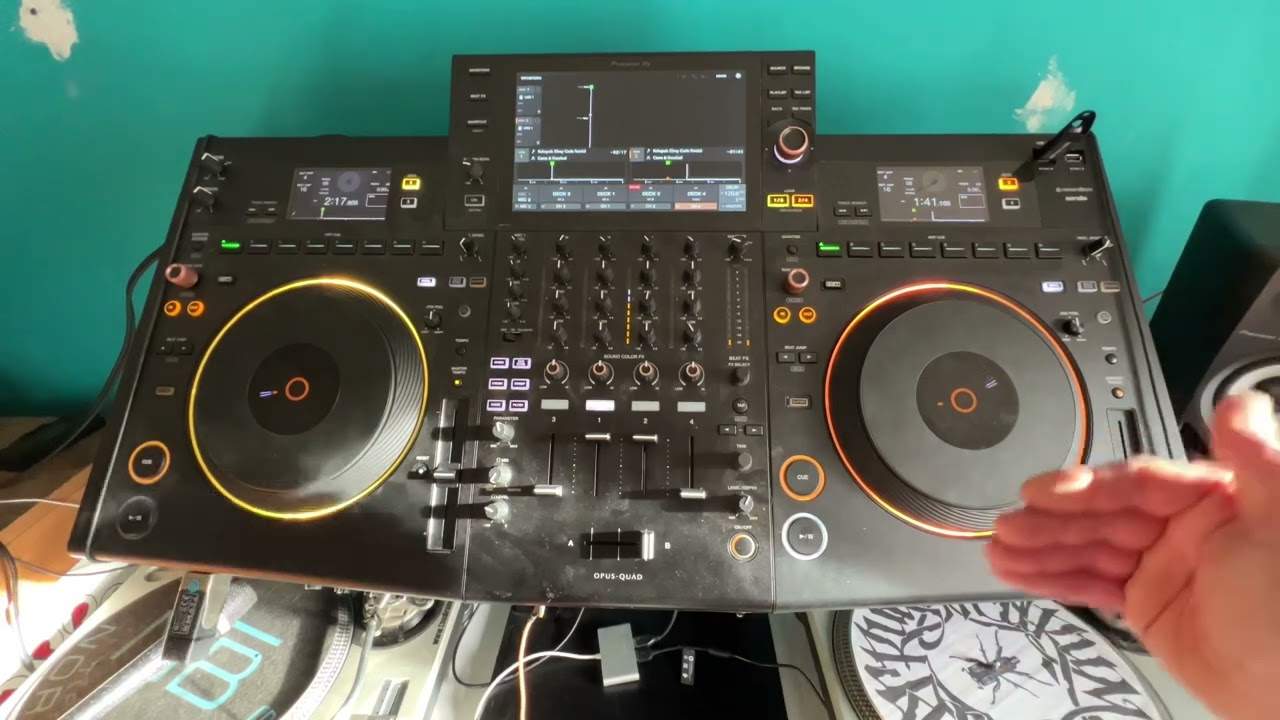
Alright folks, bit of a demonstration, bit of a tutorial, but more importantly this video is about experimenting and having a bit of fun. Now loads of people continually ask me about the best place to bring a track in, take a track out, how long tracks should be mixed for, should you mix them 1 bar, 2 bars, 8 bars, 4 bars? Well, let's look at a chef. Now you imagine a chef in a restaurant. Now that particular chef, that particular restaurant has got a fantastic menu. It's cordon bleu, they've got like 500 Michelin stars. Well, they haven't all of a sudden just got that out of nowhere. In other words, the chef hasn't thought, right, I'm going to add that to that, that to that, make this fantastic meal and it's going to make us stars. Basically what that chef, that restaurant,
All the chefs together, what they've had to do is spend hours and hours, days, months, years compiling the menu and eventually they get a good menu. Exactly the same. Oh, I'm gone. There I am. Exactly the same. We're doing a mix because what you've got to do, you've got to experiment. You can have a bit of a mess around. Now, I've got two tracks here. They're by... Enzyme Black. I will put all relevant links and names in the description. Now what I'm going to do, I'm going to have a bit of a mess around. Have a listen to the two tracks, maybe bring one in here, one in there, maybe take one out slightly earlier. You know, when I say take one out, different ways of mixing the two tracks together. So in other words, imagine those ingredients in a restaurant. You could have exactly the same ingredients.
2:20 Play, maybe, sound
But, by maybe adding a little less of one, a little more of the other, will make the overall flavour of that particular item of food taste completely different, yet you're still adding the same ingredients. Exactly the same applies here. Two tracks, but where you bring them in, where you take them out, how long you mix them together, will be compl... Am I going blurred? No. Will go comp... Hmm. Will go... Will be completely different. Hold on, let's have a look. Right, now what I'm going to do is play that track over there, bring this one in just willy-nilly, as in anywhere. Let's see what happens, here we go. Halfway through the track, because I can see a bit of a break there, so let's just... What you need to do is if you feel that the track you're playing, or no, start again. If you feel that the track you want to bring in to the one that's playing, there's going to be one hell of a good mix there.
Maybe what you need to do is listen to the one that's actually playing and before you bring the next one in, just maybe listen to individual parts of that track and think well, maybe I could bring the second one in here, maybe there, maybe it can sound good at that point but you know what, it might sound even better if you bring it in later on. Now this is all about chucking the ingredients in in different ways to get different flavours, different tastes but you're still using the same ingredients. Exactly the same applies here. Messing around with the tracks and maybe mix it in at one place, it could sound awful, but if you mix it in somewhere else, it could sound a lot better. Now also, hold on a second, let's just play this part here. This is the place where we've got a bit of a break. But it would be a lot better if I took one away. So what I'm going to do, I'm going to play you that one over there, where I brought this one in. Just play that one, then I'm going to play this one by itself, and then I'm going to do the mix again.
5:43 Listen track, melody
But instead of doing the mix exactly how I did then, I'm going to take that one out at the correct point. Therefore, we haven't got the two melodies over each other, we've only got this melody after the break. Now again, it's a bit all over the place, but rewind it and I know exactly what I'm on about. Well, I think so. Right, here we go. Get it right back to that part again. So as soon as we get it, the melody comes bong in here. So that one out and this one straight in. So what I'll do now... I'll do that precise mix, bringing this one out where I said the melody will come in on this one. So let's wang it back again. What I actually did prior to doing that mix, I had a listen to that track, I had a listen to this track. And instead of just mixing in anywhere, a count of four bars, one bar, two bar, whatever, I actually tried to structure the mix exactly the same as that chef in the restaurant will put precisely the right amount of ingredients.
In every single beautiful cuisine food to make the people so happy. Thank you. This is Chef Petit Bois saying practice and enjoy. Thank you. Pardon? I've let the dog out!
This transcript was produced automatically from the audio of the video and may contain mistakes.