 6:46
DJ Tutorial on Mixing Acapelas video 4, more than 1 acapela
Contents of the video
0:00 Video number four on mixing acapellas
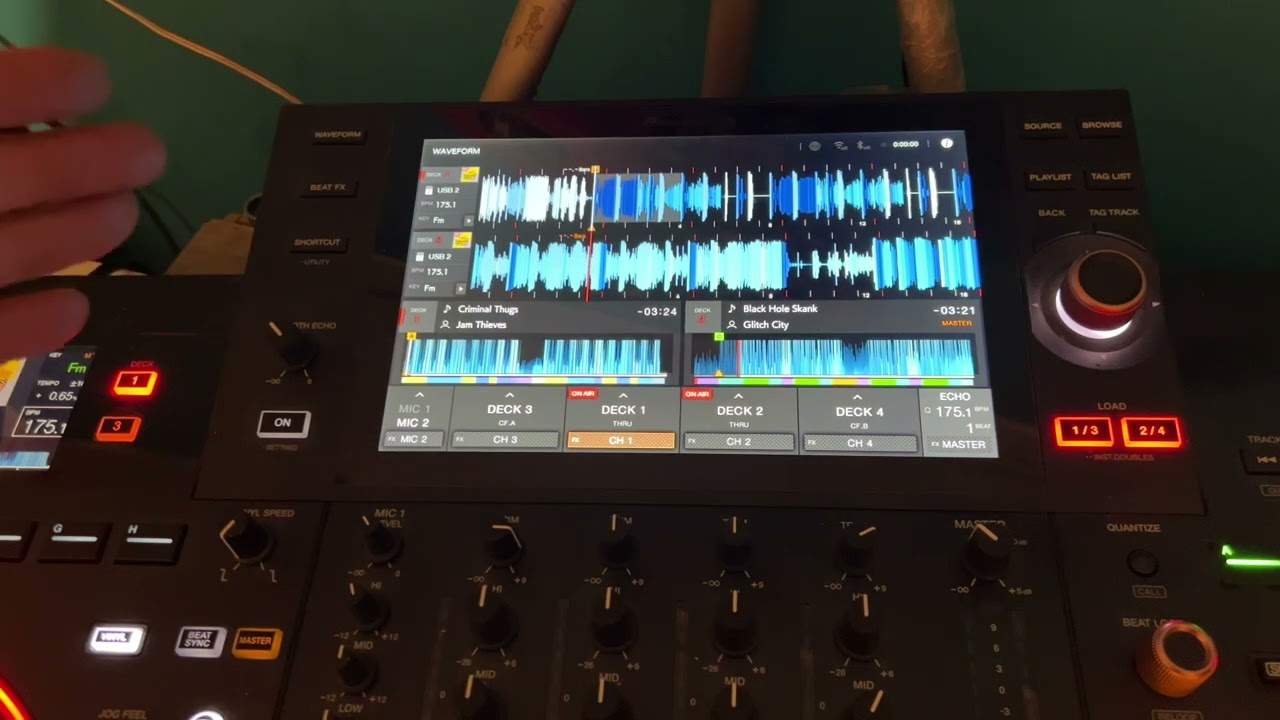
Alright folks, video number four on mixing acapellas. Now in this video I'm going to have one track but I'm going to be using three different acapellas. Now there's one very important factor here. If you're going to use more than one acapella, you've got to try and make sure that the BPM, the beats per minute of each acapella is not necessarily identical but very similar because when you're using hot cues, now think about it logically, You've got a track playing here that's say 130 BPM and you've beatmatched the one acapella so you know that one is at 130 BPM. And when you hit that first hot cue, it will come in on the count of 1. So logically, my counting is the acapella. 1, 2, 3, 4, 1, 2, 3, 4. The last thing you want is when you hit the second cue...
And you come into the second acapella, you want that to be a lot slower. So in other words, the first one, 1, 2, 3, 4, 1, 2, 3, 4. The second one, 1, 2, 3, 4. Because the trouble is, you're going to be editing these particular acapellas into that track that is at a set BPM. So you do have to make sure that all of your acapellas are the same BPM. Alternatively, not meaning to contradict myself, but what you can do is if you're a bit of a dab hand with the pitch control, you can still use different BPM acapellas, but the difference being you're going to have to have your fingers on the pitch and as soon as you hit the next one you're going to have to move that pitch according to the speed of the acapella so that will stay in time with the track that's playing. Now everything will be apparent when I show you. Here we go.
2:14 That should be very apparent
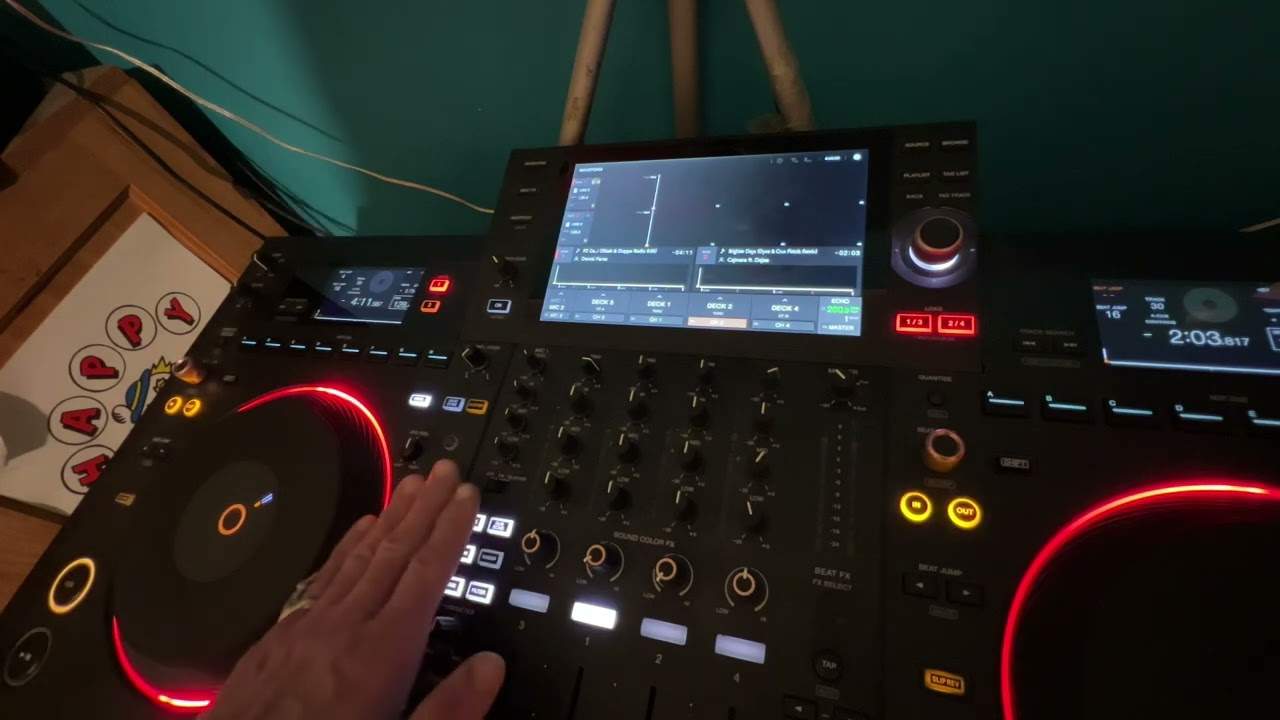
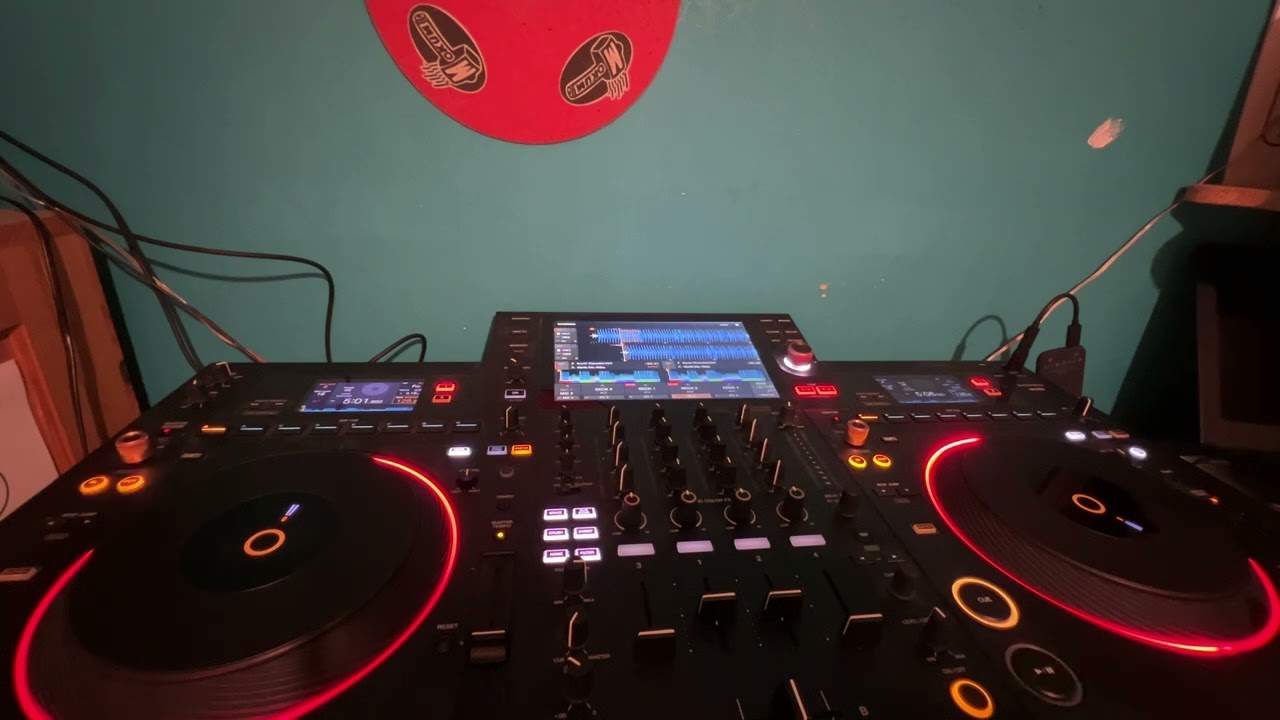
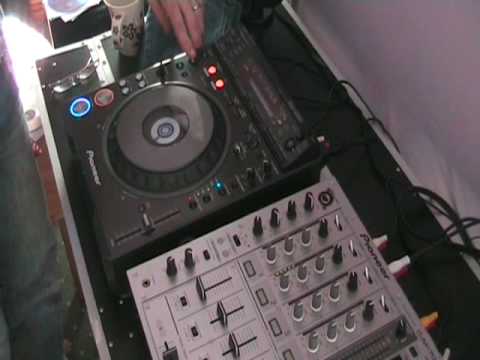
Let's just wang that white mat and stuff. It's a good job I didn't do this earlier on because my daughter was listening to High School Musical for the 50 millionth time. I think they should all be shot and hung and drawn and quartered and stuff like that. Right, OK, here we go. Here's the note where I've got the pitch at the moment. I've got the pitch in the centre position. Let's have a listen to the acapella. Second one. Now, the first thing that should be very apparent is C is a lot faster than A. Have a listen. Now, what I've got to do here basically is I've got to match the BPM here with A and C. This guy here... So really with B it's just a bit of the beginning of a rap as such so there's no need for me to mess around with that too much because I'm only going to use that first part.
3:49 This time I'm going to use the pitch control and let's see what happen
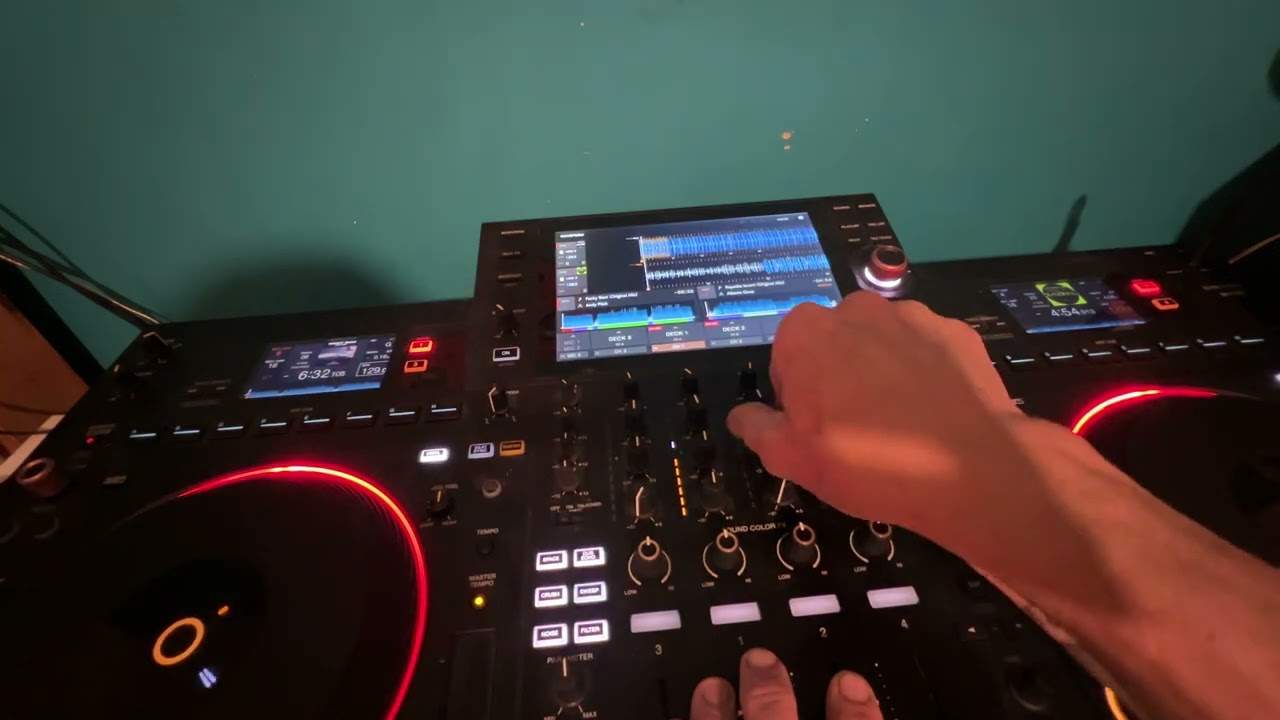
Now bearing in mind this is just a demonstration, so don't take this as 100% how it should be. Now let's play the track, here we go. Now first of all what I'm going to do, I'm going to play the acapellas, bring them in on time on the count of one, but I'm not going to touch the pitch at all. Now straight away that was off, let's try the next one. Now what I've found straight away is C is a lot faster and A is a lot slower. So if C is a lot faster, I need to reduce the pitch, A is a lot slower, I need to speed it up. This time I'm going to use the pitch control and let's see what happens. Right, what I'm going to do now is I'm going to do exactly the same thing with C. Okay, so straight away I've worked out that the one has to be slightly slower, the other one slightly faster. Now again like I said earlier, if
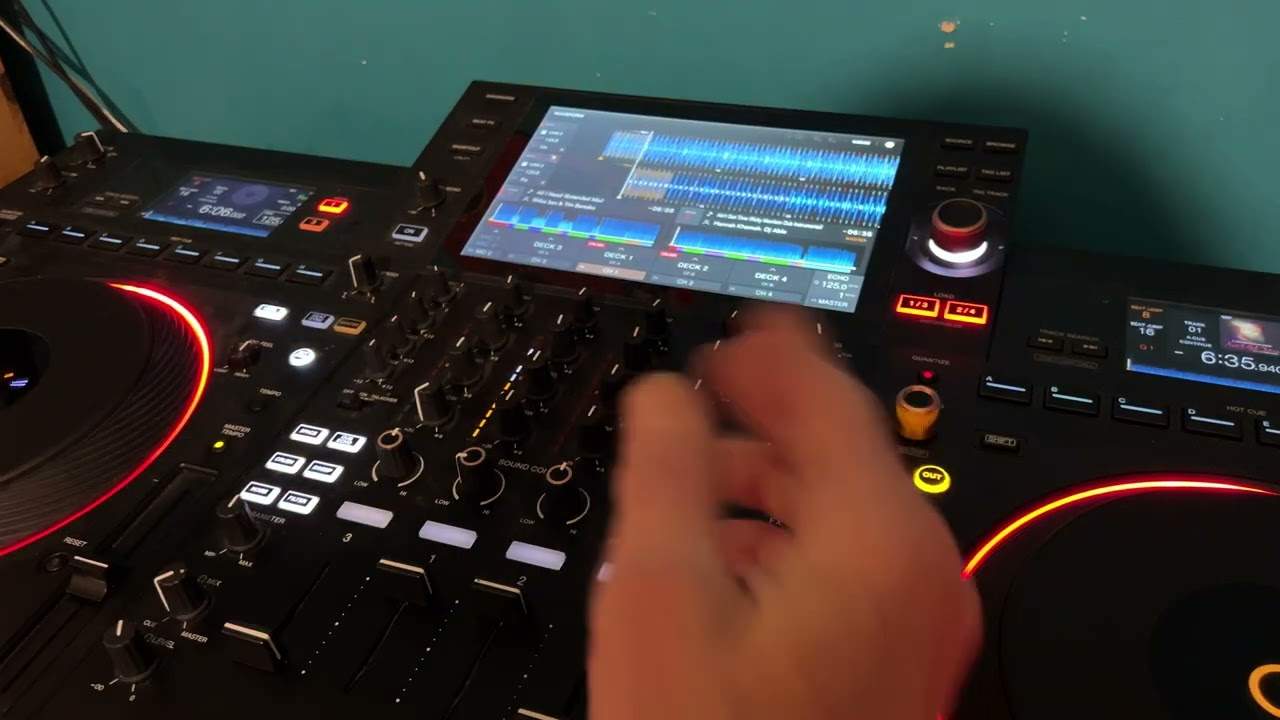
You choose acapellas correctly and you won't have to do this because they should all be the same BPM. Right, here we go. What I'm going to do now, we'll put that to start again and we'll use all those three acapellas and have a bit of a mash-up. About having some fun, innit? Practice and enjoy. Thank you.
This transcript was produced automatically from the audio of the video and may contain mistakes.