 15:42
DJ Tutorial on mixing HARDSTYLE (Hard Style)
Contents of the video
0:01 Got a tutorial for you on mixing hard start
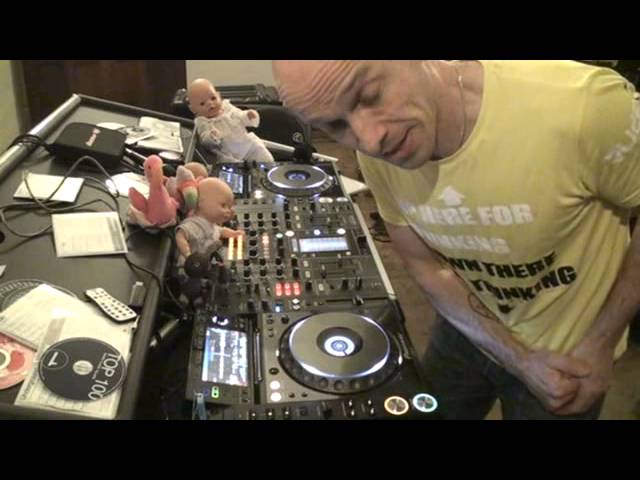
Right guys, got a tutorial for you on mixing hard start. That's funny, there's a bloke there who hasn't got any hair. Oh shit, it's me. Right, tutorial here on mixing hard start. I'm going to go through a couple of factors and hopefully you'll get a little bit of information from it. I better be on my best behaviour because we have lots of dollies here. We have the original Pinkie Ella, we have TY Parrot, we have Bunny Blaze, we have Dolly No. 1, Dolly No. 2, Dolly No. 3 and a black dog.
Some people will get that. Right, so mixing hard start. Now if we look at hard style at the moment, if we go back a few years, some people would have classed hard style as sort of hardcore techno gabber, happy hardcore style because it sort of, it was hard style but it seems to be nowadays people just call it hard style. Fair enough. Hard style sounds a little bit like this.
I thought then something had gone wrong but it just had a gap.
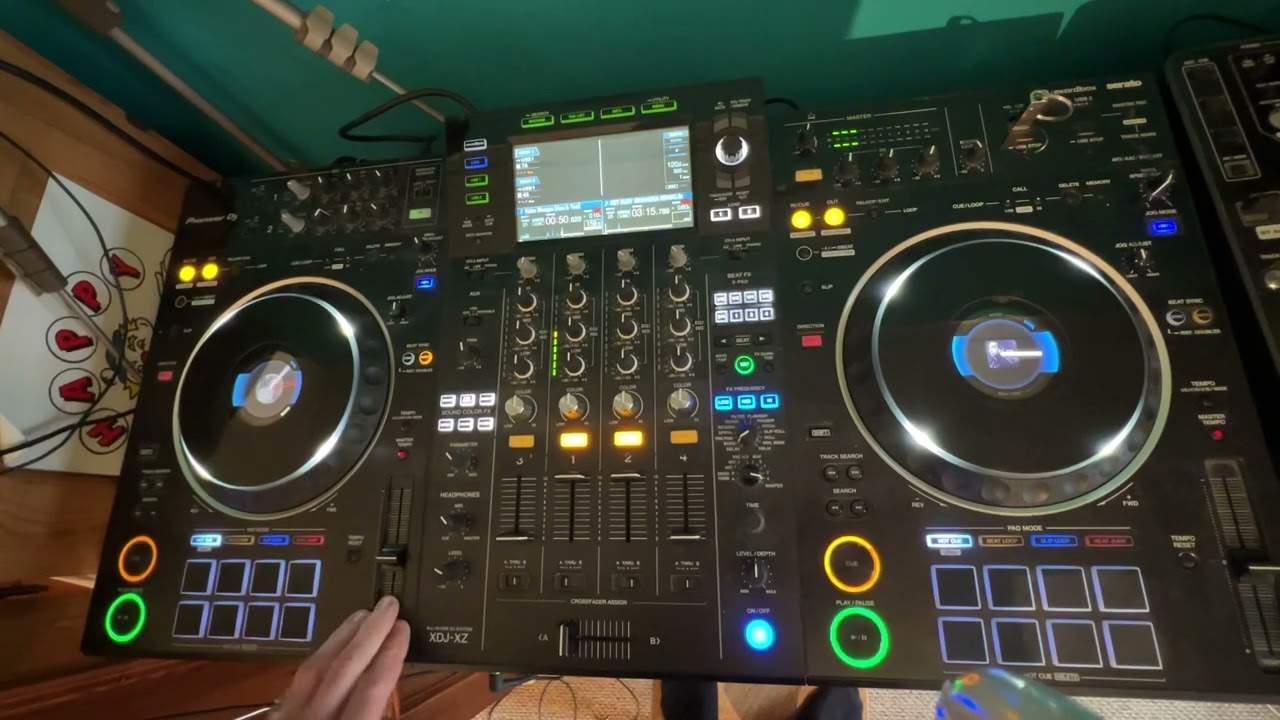
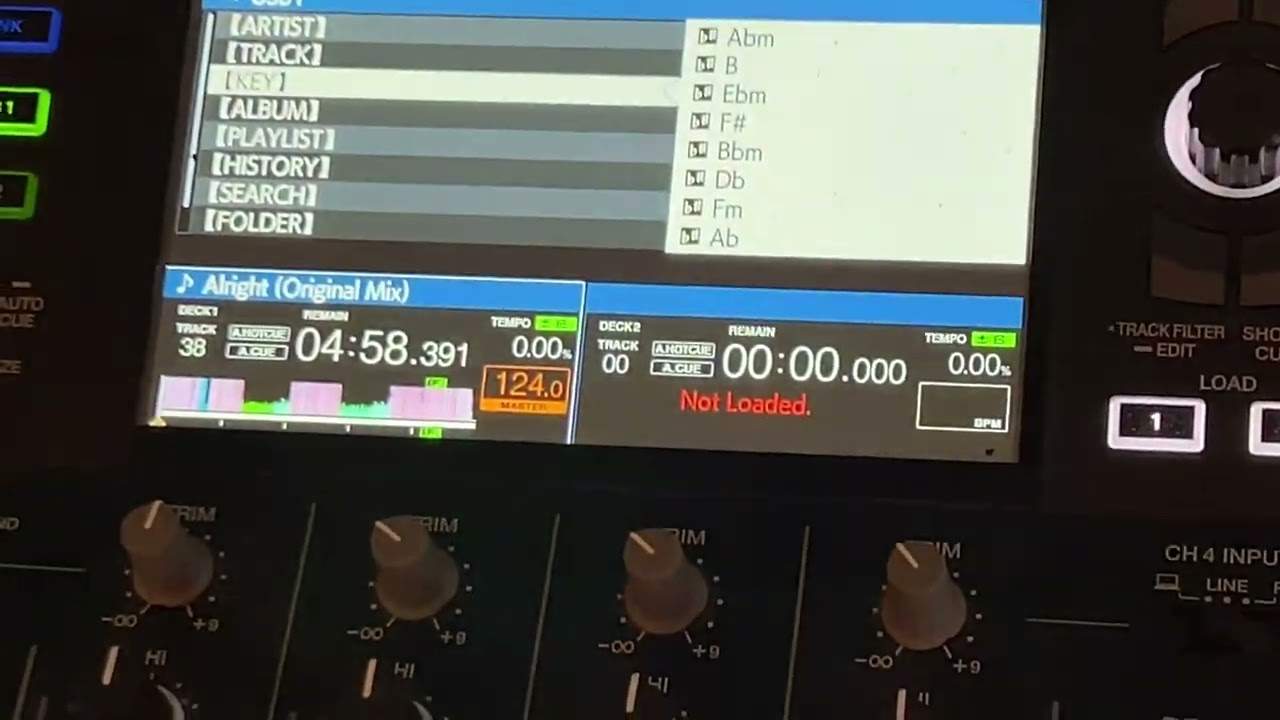
Right now in this video what we're going to do, I'm going to show you how you can mix one hard style track into the other. Of course, easy. Now, differences is that one is 145.3. It's got 143 BPM in the centre point and this one is 170.2 in the centre point. So if I was about to press play on both of them, I will put the names of the tracks in the description. I can breathe now. It sounds like this.
1:45 You can count bars
Right, so what I'm going to do is show you how you can mix the two in. Also, I'm going to show you that even tracks like this, when there is nothing going on, no beat, there is still timing. You can count bars. In fact, over here we can count a lot. If I went outside now during the day, there'd be quite a few bars out there also called sheep. Actually lots of bars as well because normally the farmers just leave them stuck in the ground and they're really difficult to walk over. Anyway, I'm going to press play here.
We'll go on a little bit. I've set up a few cue points. Now you notice with hard style as well the emphasis on the beat is like, it's almost like a sledgehammer hitting something. And also, the emphasis with the beat, it's almost as though when the producer has made the track, he or she has twisted the volume so instead of staying zero dB, it's almost like there's a bit of distortion there but there isn't distortion. It's just the way they produce the sound. So in a way, it's probably a great form of music to play really loud distorted because people don't want that. People won't notice it anyway. Right, so first of all I'm going to show you Hot Cue A where there's a beat and all of a sudden just disappears.
Now I'm going to count the bars and you will see that even though there's absolutely nothing going on, there is still some form of structure in the timing.
Right, let's go back again because a lot of people think at this point, do you know what? The producer, the DJs have just thought we're going to put in some fluffy bits here and when we've decided to come in from after drinking a pint of Guinness, oh yeah, we'll put the beat there. No, because there is always timing. So if we have a listen again.
Set it from there.
4:33 There, that tiny little bit is a beat
There, that tiny little bit is a beat. Now also, what you find with hardstyle is that the producers who make this record, these, this type of style, what they try and do is they try and make a track. This is most of the time there'll be some out there going, I don't do it like that, I do it like this. Hey, you don't have to do it like that mate. Most of the time, sorry, most of the time what they will do is they will have a beginning which is suitable for mixing in with the end of one track and then they'll have an end which is suitable for mixing in with the next track. But every single track is slightly different so what you will find with hardstyle is that some tracks you'll listen to and think this is a beginning set track.
Some may be like, I don't know, this is sort of like 20 minutes through. Some of them will be like well this is a point in the middle where I just want to bring the crowd down a bit. Other tracks could be the version of an instrumental break if it was one track in itself. And then other tracks are that high crescendo yeah, come on! And then other tracks are a gentle mellow out but even with hardstyle it's very rarely that you find a gentle mellow out. Quite often it's just a
Kind of thing. I'm not taking a piss, I'm just trying to explain what it would be like but I'm not a drum machine. Anyway! Right so right okay so we've got this one here and we want to mix that one in there. Now a good way of doing this first of all by the way this is a great way of bringing in a track that is a lot faster into a track that's a lot slower. What I've done I've set Q point C here which is at the end of this track and that is the point at which I will bring that one in. A couple of ways of doing it One is I can slowly increase the speed till I get to the point C which I've set and at that point that's the point where I bring this one in but of course I'll have to slow this one down as well. Bearing in mind that one is at 145.1
And that's 170.2 so there is a heck of a difference in speed so if we go to point C
Now you'll notice there was a double kick there I think but the count of one was on the second kick
7:53 Determination, sausage beans, four four
So it's like one, two, three, four now at this point what I'm going to do I'm going to start counting to make sure I've got the correct timing with this one that will fit in with one over here here and here there and there right ok so one, two, three, four one, two, three, four sausage, chips beans, tomatoes egg, butties fried things one, two, three, four one, two, three, four
Sausage, chips beans, tomatoes egg 大豆 gonna go in thanks two, three, four eder two, three, four sausage beans chemicals water salt water MAX OK haven't we done it after doing nothing but we've got about 3 which is what we've got here maybe over here now we should find our 16 and see what works let's have a look let's start here and count 1,2,3,4 1,2,3,4 1,2 2,3,4 1,2,3,4 1,2,3,4 1,2,3,4 1,2,3,4 1,2,3,4 1,2,3,4 1,2,3,4 1,2,3,4 1,2 4 1,2,3 4 1,2 4 1,2,3 4 1,2 4 sausage beans eggs and chips so we actually had it was a four and a four which is an eight and then you had a you had sort of two eights no sorry a four and a four which is an eight and then you had two eights which is 16 but what we have there we did have uh a 16 and we got to that determination
10:24 Set and then we'll move
But we had another one of them which is a 32 so what i'm thinking why don't i now find the part where it says determination which was bringing in at this point of 16 and start mixing in there now you see straight away i am doing one thing i'm constructing my set so instead of just like chucking it in i'm thinking bring it in there so in fact i don't even have to do that all i need to do is wait for the determination now the determination does not come in at the count of one it's that boom very important sorry messing around right so where's our set we're going to start with the set and then we'll move on to the next one which is this one here we've got a new set here our c it's there but again you know we've got at that point do we really want to just speed up and
Down and whatnot no we don't want to do that what we want to do is we want to start to maybe gently speed this one up before we get to that point now again if you have master tempo you can do that because what master tempo does which is fantastic it keeps the key but at the same time you can speed the track up now try this just check the time i'm right try this and believe me it works if you have got master tempo if you speed a track up while master tempo is on and people will start dancing a little bit faster but try it take master tempo off and speed it up and not only will the people start to dance faster they'll also start to just there'll be more vibe going on in the room because you're lifting the key of the track as well you're making the whole
Experience go higher but again you need to try and keep when you have two tracks of the same key and you need to speed one up a great a great amount or slow one down they have to stay in the same key but if because if one track is a lot faster or slower than the other one and you do speed it up to get in speed with the other one or slow it down to get in speed with the other one without having master tempo or key lock on then you could possibly lower the key too much or high heighten the key too much it would be end up being in beat if you've got them in beat but the problem is by getting them in beat and by having to increase the speed too much or slow it do to slow it down too much god you try doing this you might actually do one of the opposite things which is take it out of key
So it might still be in beat or end up becoming in beat but it will actually end up being out of key i hope you get that some people will be doing that a lot of people will go
My god i haven't got any hair right so uh point c which is here
So what i'm going to do i'm going to go back for a bit
To about there right so also as well i mean i've got any headphones so i admittedly know i am going to cheat a little bit because i'm going to look at the readouts but what i do have to do um again at the moment i'm on plus or minus 10. so i'm going to have to slow this one no i'm not a little bit no i'm not that's defeating the object no i'm going to put that one at plus 16. if i have a look up here now i still can't get there so i'm gonna have to slow that one down a little bit to about there and yeah i can do it now right uh what i did there is because i was on plus or minus 10 i could have only speeded this one up or slowed it down by 10 so i needed to have to go to plus or minus 16 now i can increase it by 16 so let's play the track
To the center point which is the original speed it should have been please that works guy works yeah i'm very pleased right okay now this is one short video on learning how to mix hard style it's uh an experiment for you to try and for me bloody hell it worked no but the whole idea is to experiment this is the big word experiment a bit like it or i i is a very big word it is if you think about it it's it's a way of expanding your mind and thinking i'm going to do something different there will be more videos on mixing hard style and also if you play hard style yes you yeah you there sorry if you play hard style then why don't you do a tutorial as well it's about sharing some information practice and enjoy i do
This transcript was produced automatically from the audio of the video and may contain mistakes.