 9:10
Mixing trance
On YouTube this video is called DJ Tutorial on Trance, How to Mix IT.(ELECTRONIC)
What this lesson teaches
He starts by saying that mixing trance, house, techno, electro, funk, hip-hop and rare groove is all relatively similar - in time, in key, records that suit each other. Then he gets to the difference, and the way he explains it is the best part.
Draw the two genres
If you drew funky house as a line, it would be jagged - all over the place. That is the chuggy, happy bassline bouncing around, busy and syncopated.
Draw trance and you get a smooth flowing line. It peaks, it falls, it holds, it rises again - but it is continuous. The bassline, which is usually the emphasis of the track, is a sustained supply of sound rather than a series of events.
What follows from the shape
That picture tells you how to mix the genre, which is why it is worth having.
A jagged record has edges, and edges are places to cut. A smooth record has none - so cutting trance means interrupting a curve, which sounds exactly as abrupt as it is.
So trance wants long mixes. Thirty-two bars is not excessive. The two records blend into one continuous rise, which is what the music is doing anyway.
And mix in the middle
His other recommendation, which he repeats across the curriculum and which suits this genre particularly: sometimes mix one track in halfway through the other rather than at the ends.
Trance tracks are long and built around a central breakdown and climb. The interesting places to join two of them are around that structure, not at the extremities - a new record arriving under a breakdown and emerging with it is the characteristic move of the genre.
The general lesson
The drawn-line test transfers. Before deciding how to mix something unfamiliar, ask what shape it would be if you drew it. Jagged music cuts; smooth music blends; and most genres sit somewhere between the two.
Contents of the video
0:00 This video is all about how to mix trance music
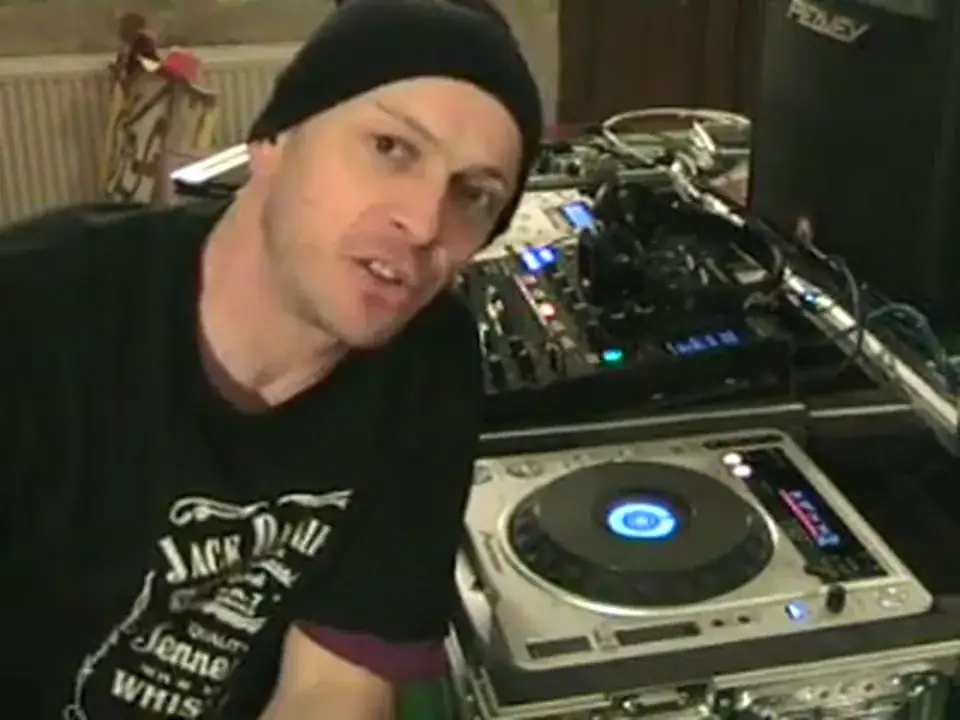
Alright folks, Jonathan here. This video is all about how to mix trance music. This is possibly a long-awaited video for quite a few people out there. Well, in a sense, mixing trance music, mixing house, mixing techno, trance, electro, funk, hip-hop, rare groove, it's all relatively similar because of course you have to mix in time, BPM and also in key and the tunes have got to like match relatively well together. The difference is that one of the major differences, let's say with regards to trance and if you put that next to house music, for example a funky house, you've got a funky bass line. And if I was to draw a picture of a tune of house music and I was to draw an actual line, the line would be like this, it would be all over the place. So whoever actually drew that line was pissed. Not meaning to be negative or nasty.
But I'm doing a comparison now between trance music, if there was someone going to be drawing a line or a picture, it would be a smooth flowing line. The reason being is because in the likes of say Funky House you've got a chuggy happy bassline all over the place. Trance music, the actual bassline which is quite often the emphasis of the track is a continual flowing supply of music. And it will peak, it will fall, it will stay constant, it will rise, fall again. So you've got this almost flowing feel. Now again, like I've said in the past, and that is when you're constructing a mix, sometimes it's good to maybe mix one track halfway through the first track and maybe mix the third track halfway through the second track. The difference is though with trance music...
1:52 The whole idea of getting a good trance set together is that's one tra
Each individual track is almost made to be played in its entirety and you should then mix the next track in at the latter part of the first track. The whole idea with making a good trance mix is to almost find individual tracks that will work well together next to each other. Now if you can imagine a trance track of that long, Now, if you can imagine, it peaks and troughs, etc. The whole idea of getting a good trance set together is that's one track. Now let's say all of a sudden that is ten. What you're doing is you're making those ten tracks almost act as though they were one continual track. In other words, the first track maybe starts like so. The second track will lift, third track will lift, fourth will lift.
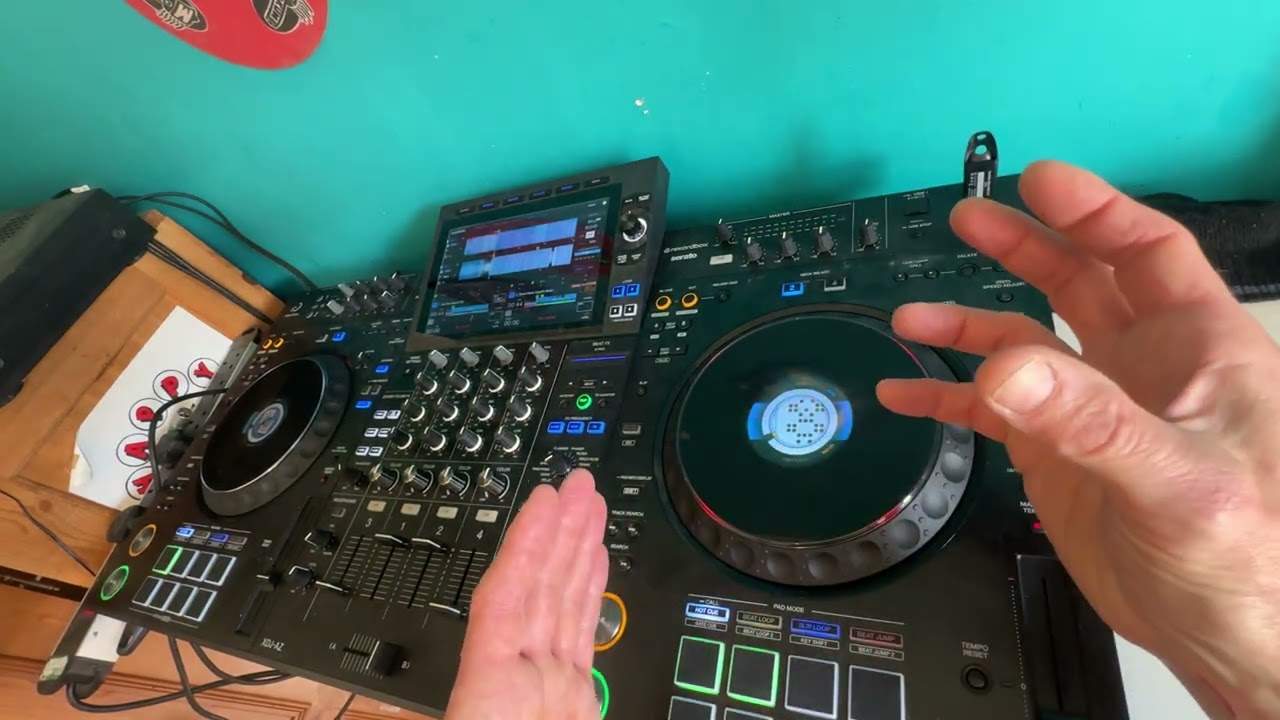
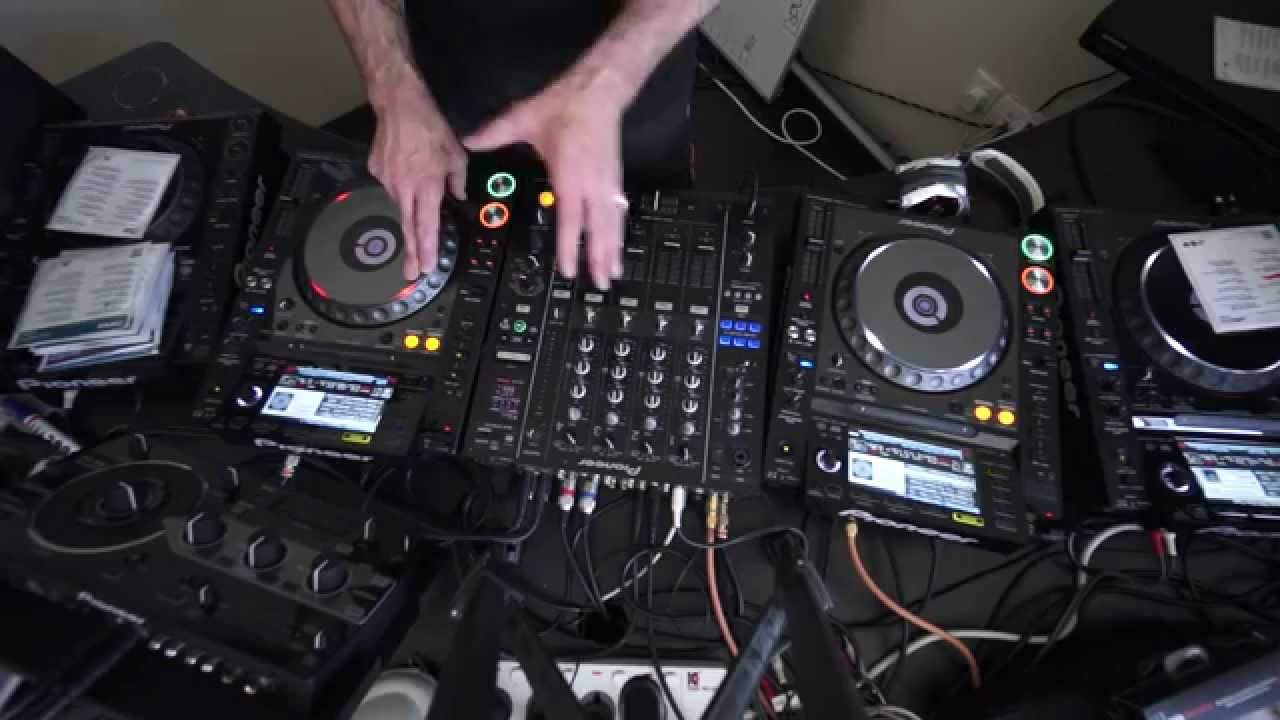
5th maybe will dip slightly, the 6th will lift, the 7th dip slightly, 8th dip, 9th dip, 10th stay at a constant, 11th start to rise, 12th start to rise, which is near enough exactly what will happen in one trance track. You will have rises and falls, you will have crescendos, you will have places where people will put their hands in the air. That's one of the ideas about getting a good set, What I'm going to do now, we'll do a bit of a mix, look to the side of the video for the actual track listings and I got these, I downloaded them from DJDownload.com so if you want the tracks you can get them from there. So what I'll do now, I'll pause the camera and we'll have an actual... Closer look at the actual mixer and you can see what I'm doing. Now what I'm going to be concentrating on mainly is sort of the bass line. Alright, the beats may go off a little bit but this is a bit of a demonstration. So let's have a listen and watch. Okay, first of all let's have a listen to this track here. Now you can hear it's a very pumping, vibey sound literally from the word go. It's relatively faster than normal house music. It's a lot faster than the likes of
4:49 Continuity with that beat
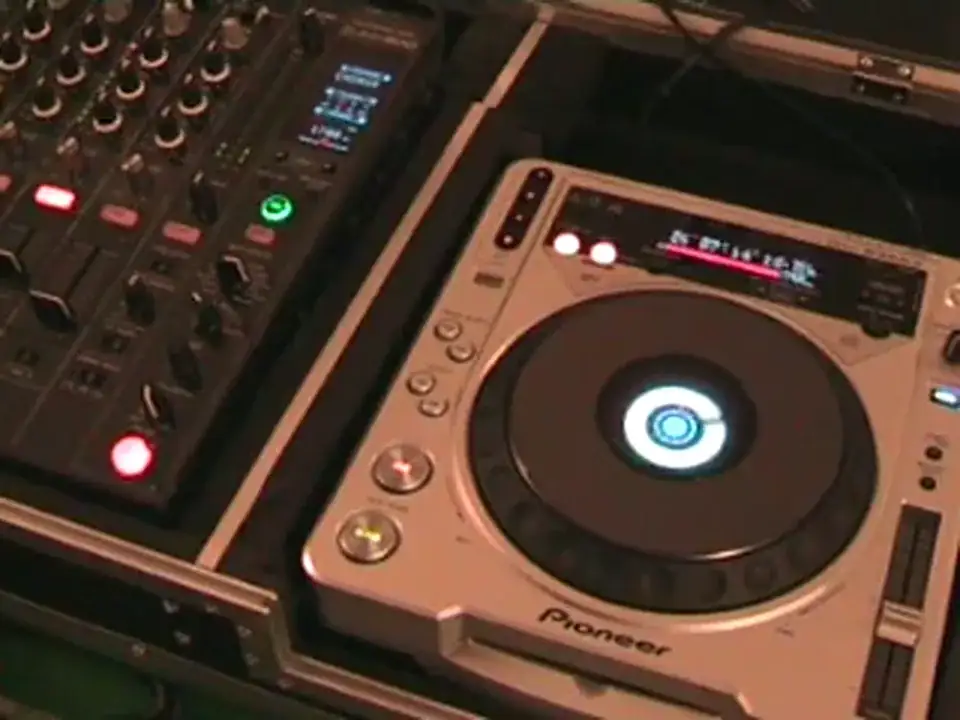
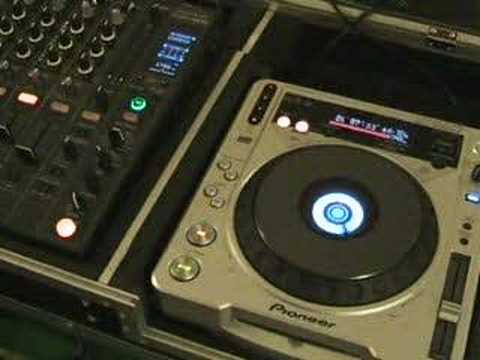
I'm going to spin this track a bit forward. Now can you hear that bass line? Right, we'll pause that one. Now this is the other track. And again, what I've tried to do, I've tried to choose two tracks that are very similar. They've got the same feel. Here we go. And again, we've got a very steady 4-4 time beat and there's... Continuity with that beat. There's not that much happening, there's not many changes. And also exactly the same applies when we mix trance with other different types of dance music. We always have to consider the bars, the phrases, the timing, the beats per minute and we have to match those. Now here's the bass line. You can hear that bassline. It's a flowing bassline as opposed to other music like funky house and hip hop where it's a very happy, bouncy kind of feel to the bassline. So what I'll do now, I'll pause the camera and I'll get that guy there near enough set to almost the end of the actual track and we'll get that one ready and then we'll mix the beginning of this tracking with the end of that one. Hold tight.
6:29 We'll play this one now
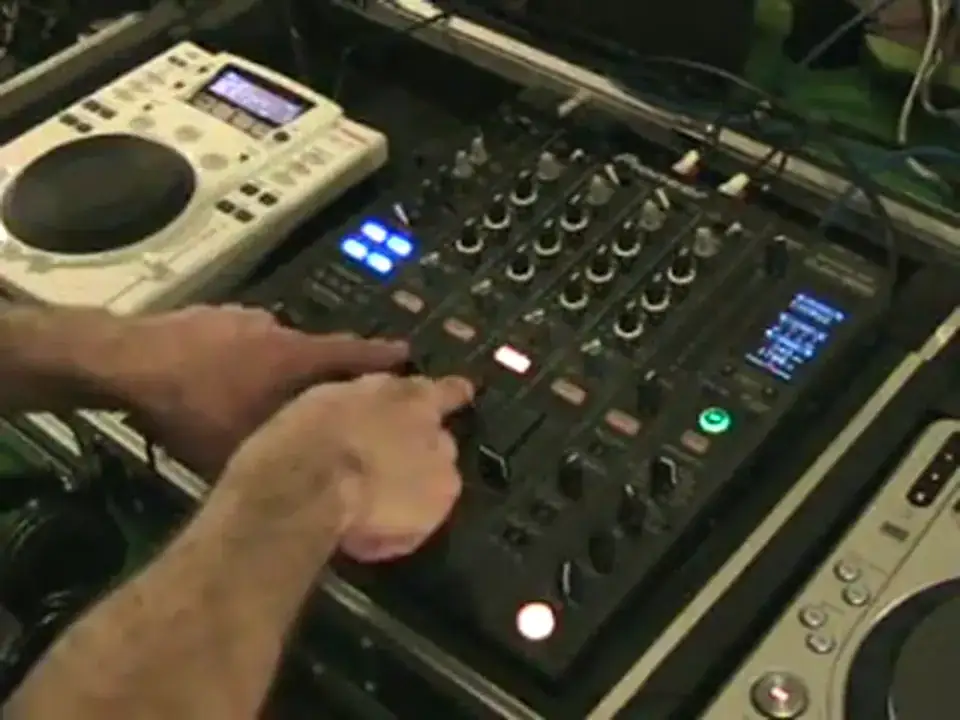
Alright, very quickly, let's just have another listen to a little bit more of this particular track. Alright, we'll pause that and... Right, that'll do. And then it doesn't matter about this guy because all I've got to do is press cue and we're right back to the beginning. Okay, so what we'll do, we'll put the camera... Well actually, we'll leave the camera about there so it'll give you a general idea of what we're actually doing. Okay. Well, I'll actually leave the headphones. So, right, we'll play this one now. What I'm going to do, I've got both channels on the actual mixer set to the same level. I'm going to use the crossfade but I'm going to put the crossfade in the middle. So, in other words, the crossfade really is disengaged at the moment. Right, so what we'll do now, we'll press play. ...sort of idea. Mixing the likes of trance is slightly more different to the likes of house music. One of the main differences, of course, is trance music.
In a sense, it's possibly a good idea to play the whole track. The bass line, there's a lot more continuity with the bass line. The actual bass line is the part quite often that will take you on the journey. I hope it's been a help. Practice and enjoy. Thank you very much.
This transcript was produced automatically from the audio of the video and may contain mistakes.