 5:54
DJ Tutorial..take the loop to the next level
Contents of the video
0:00 In other words, if you make a mistake, it doesn't matter, it's about p
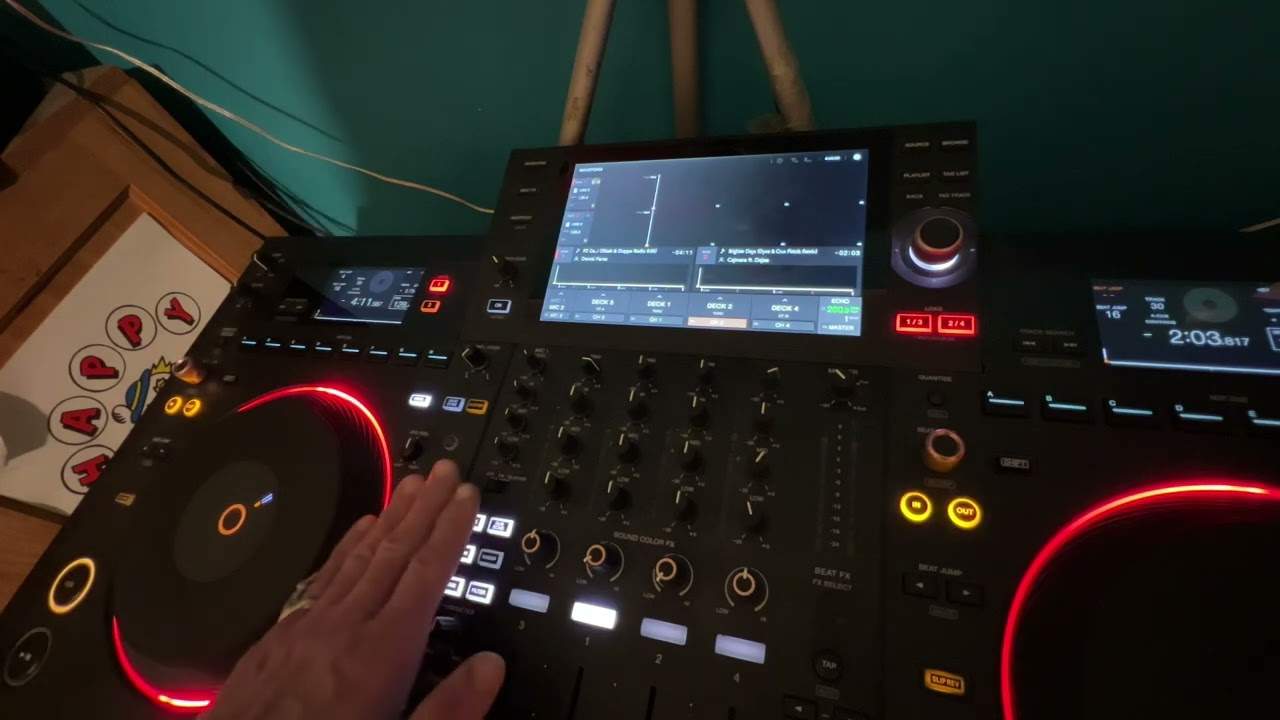
Alright folks, now this particular video is all about timing, looping and at the same time having a bit of fun and messing around. Now as I've always said, you know, when the SH hits the fan, don't go... Just go... There we go. And just wipe it off and start all over again. So in other words, if you make a mistake, it doesn't matter, it's about practising. You know the saying, don't you? Right, so what are we going to do with this one? We're going to look at a bit of looping, but more importantly what we're going to do is we're going to utilise the loop To make it sound a little bit different, number one. Number two is if you imagine let's say in the instrumental break of a tune, you've got almost sometimes like a break down and a break up. And in a sense if you looked at that, it would be like a dip. It would start here, it would just break down there, come down, down again, and then it would go up and up and up there.
1:14 Is a breakdown and a breakup
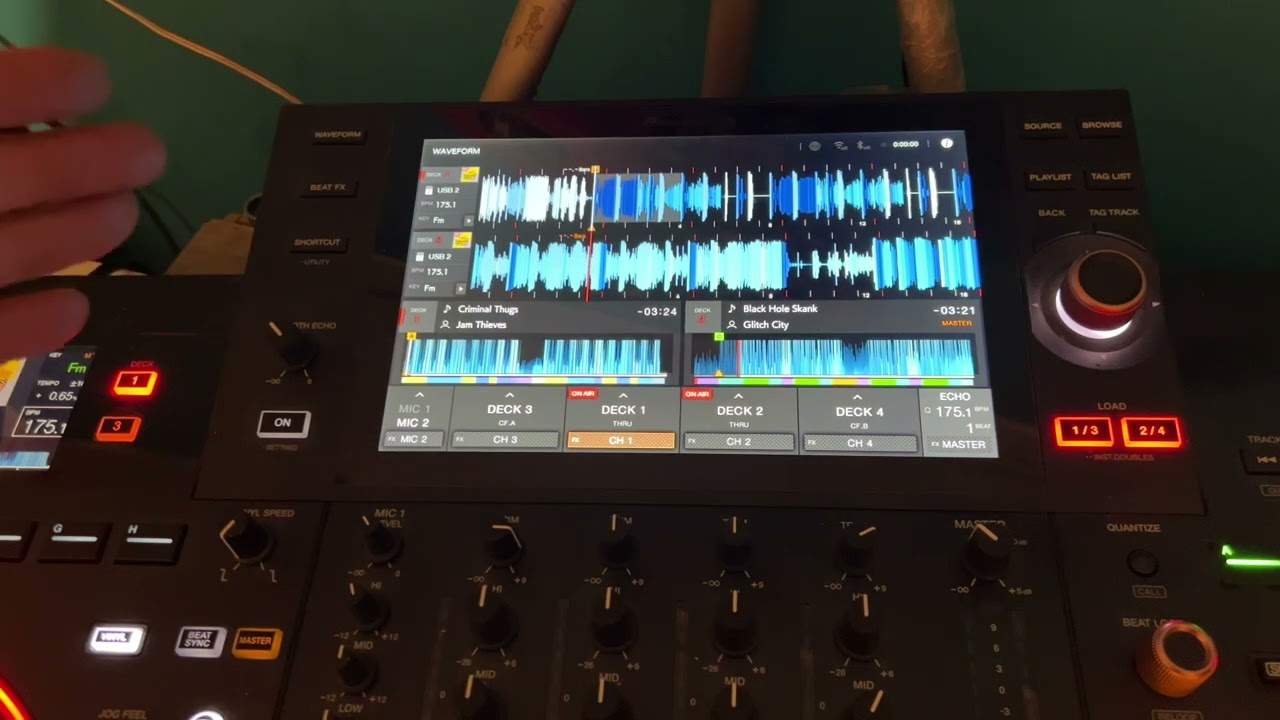
There you go. So, what I'm going to show you is a breakdown and a breakup of a loop. Now, you may be thinking at this point and scratching your head, what the hell's he on about? But I'll show you. It's about changing the loop one way and then changing it back the other way. So almost, in a sense, the loop itself has got its own character. I will explain. First of all, let's have a listen to the loop. That's it. I'm going to count. One, two, three, four. One, two, three, four. I used that loop and I got some form of continuity where it was concerned. Now an easy way of doing it is just maybe starting here, having a little bit of a mess around with the loop there, a little bit of a middle bit and an end bit. I'll show you. Right, we'll start again. Here we go.
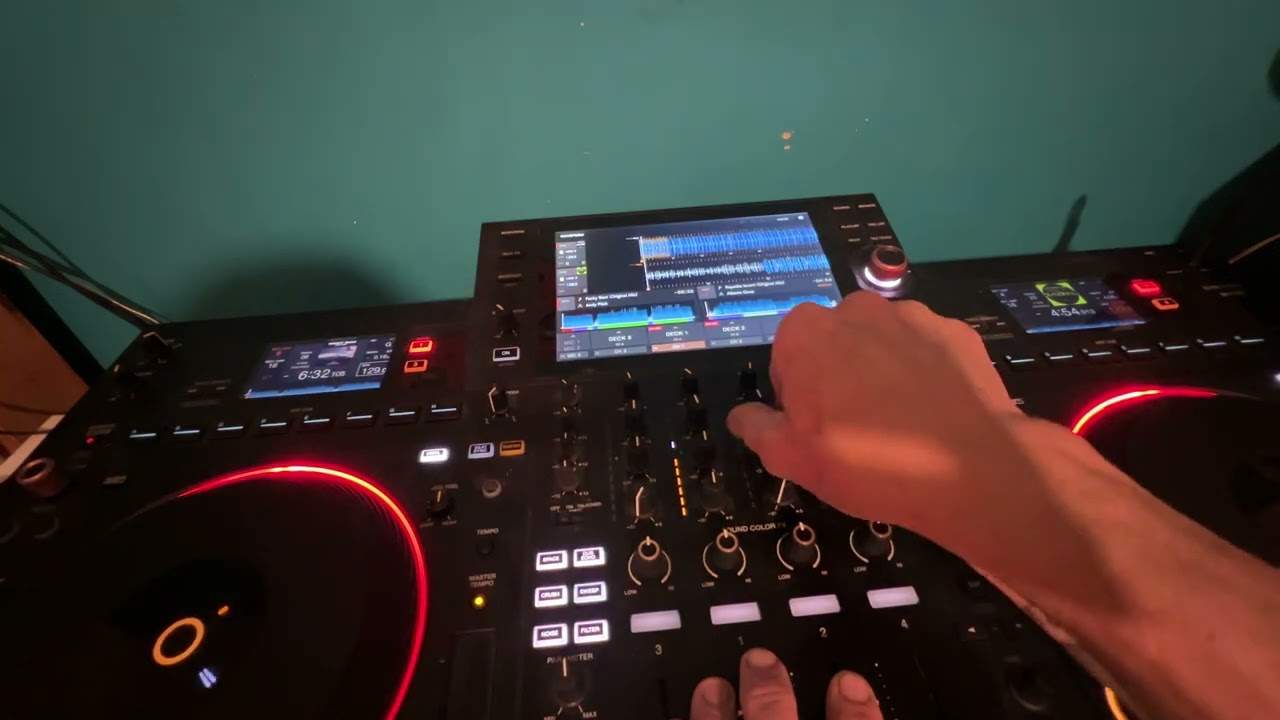
Like so. We'll change that slightly. So I did this, I went... Now what I want you to do, I want you to imagine a whole bunch of Lego and you're putting those bits of Lego together. Maybe one side you've got eight bits and then next to those eight bits you've got four, then you've got two, then you've got four and then you've got eight again. So that's the whole idea. So what you're doing is you're changing the loop And you're making it a lot more interesting than just having a loop. But at the same time, you're almost constructing it so there's some sort of format to the entire loop and what you're doing. I hope you understand. Let's try and take it that one step further. Now, I want you to listen but at the same time do a bit of counting. Here we go. Talk amongst yourself. There you go. So what have we done? We've got a basic loop.
4:30 Track ready, trying track, time loop
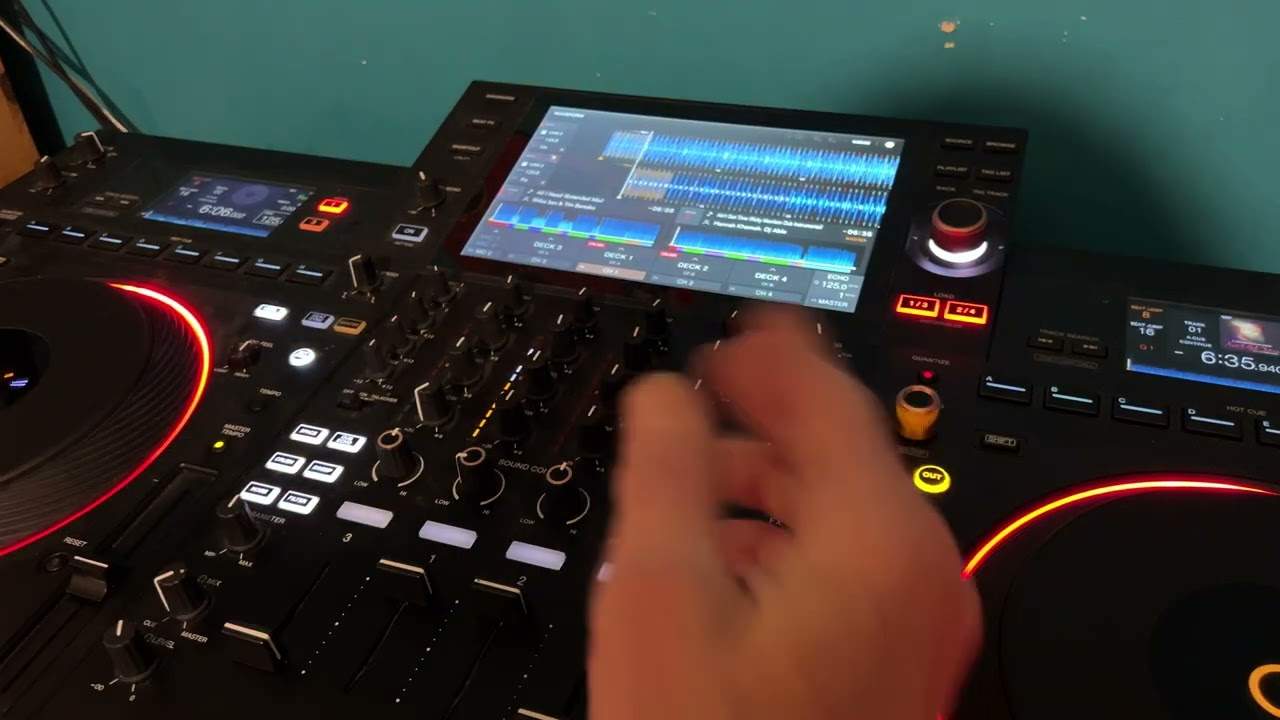
And we've changed it from just a beat into something a little bit more interesting. This can be done on the fly, in the mix, and believe me, if you've only got a little bit of time left, get a loop like this, think about it. If you've, let's say, got, for example, eight bars left, and you're thinking, oh dear, there's not much time, what you can do is you can loop it like this, you can get your next track ready, and instead of the crowd thinking we're just dancing along to this straightforward loop, Even while you're trying to get the track ready, you could maybe stop, turn around here and have a little bit of a mess around with the loop. Sorry, when I say when you're trying to get the track ready, logically you're trying to get it ready. If you haven't got time, you'd come back to the loop, have a bit of a mess around, get the crowd a little bit more interested again, go back to the tune you want to mix in. When you've got it mixed in, then you can mix it in over this loop and not have to mess around. I hope you understand where I'm coming from and as ever, practice and enjoy.
This transcript was produced automatically from the audio of the video and may contain mistakes.