 7:29
The EQ in a transition
On YouTube this video is called DJ Tutorial, Using the EQ, Bass, Mid and treble.
What this lesson teaches
A tutorial that announces its subject and then declines to play a record, on purpose. The refusal is the teaching.
The default is twelve o'clock
And the reason is the part people never hear.
A track arrives mastered flat. In the studio, somebody with better monitors than you have already decided how much bass, mid and treble that record should have. That decision is baked in. The EQ settings that produce the optimum sound for that track are already applied.
So twelve o'clock is not a neutral starting point in the sense of being arbitrary. It is the setting that plays you what the producer intended.
Boosting from there does not improve it. It adds signal to something that was already balanced, eats your headroom, and moves the track away from the version everybody else has heard.
Why he will not show you settings
Here is the thought experiment he uses, and it is the right one.
Give one track to every DJ in the world, ask them to work the bass, mid and treble, and collect the recordings. Every one would be different.
Not slightly different - meaningfully different, because each of them is responding to a different room, a different system, a different record playing before it, and their own taste.
So there is no correct setting to write down and nothing useful he could demonstrate. Showing you his would teach you to copy a position rather than to listen, and the position would be wrong in your room anyway.
What to do instead
The EQ is not a recipe, it is a response. The only way to learn it is the way described elsewhere in the curriculum: play a track you know, remove one band at a time, and build a map of what each one contains - so that when something sounds wrong you know instantly which knob owns the problem.
Then in a mix you are not applying a setting. You are hearing a collision and removing the thing that is colliding.
Why this lesson is unusual
Most tutorials would have demonstrated something, because demonstrating is what tutorials do. Declining to - and explaining why - is a more honest answer to the question he keeps being emailed, and it is the difference between teaching somebody to mix and teaching them to imitate.
Contents of the video
0:00 Buttons to press and how
Alright folks, in this demonstration stroke tutorial, I'm going to show you what buttons to press and how to mess around with your bass, mid and treble during the time a track is playing to get the most out of a track. Now first of all, what am I on about? Well, if you think about it, your bass, your mid, your treble during the time the track's playing should be at 12 o'clock. The reason being is because when that track is made in the studio, it's made as a flat signal. In other words, all of the EQ is set in the studio to get the optimum sound from that track. So in a sense, you know, there's no point having the bass, the mid, the treble up higher because all you're going to do is start putting more signal through the track. But at the same time, by you messing around a little bit with the bass, mid and treble, you can in a sense just enlighten certain sounds, maybe take away the bass a little bit, take away the mid, the treble.
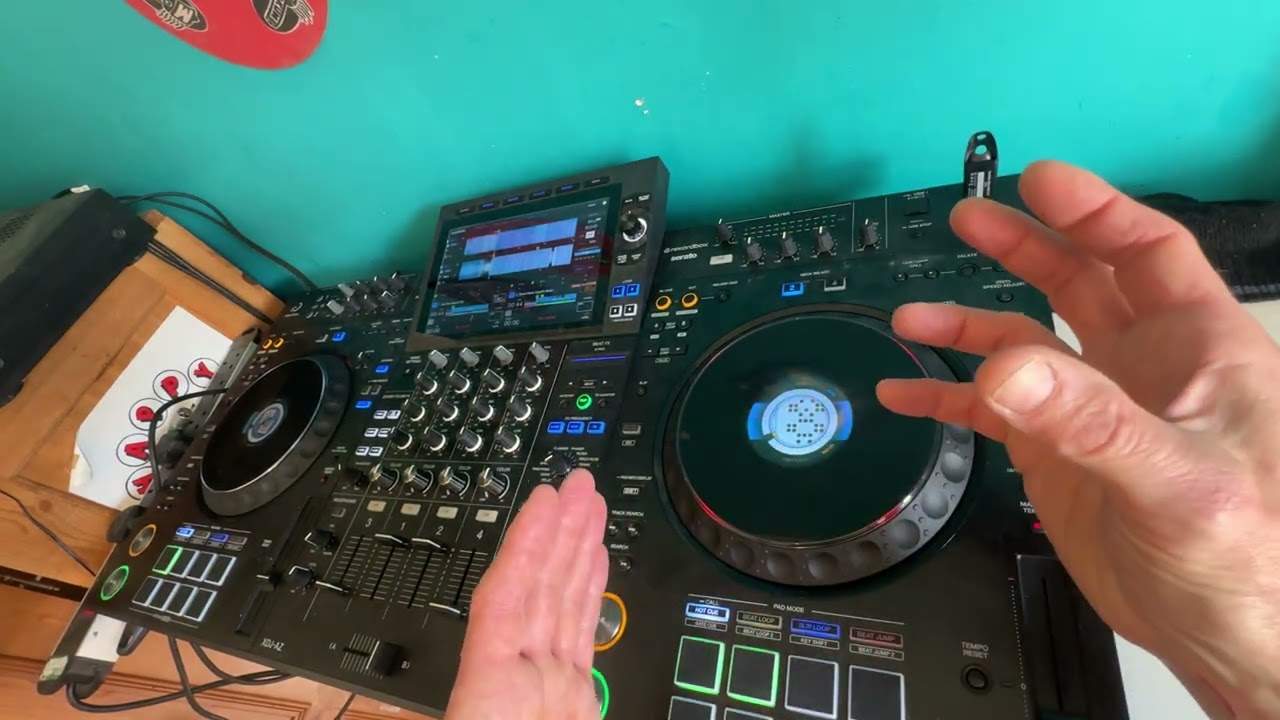
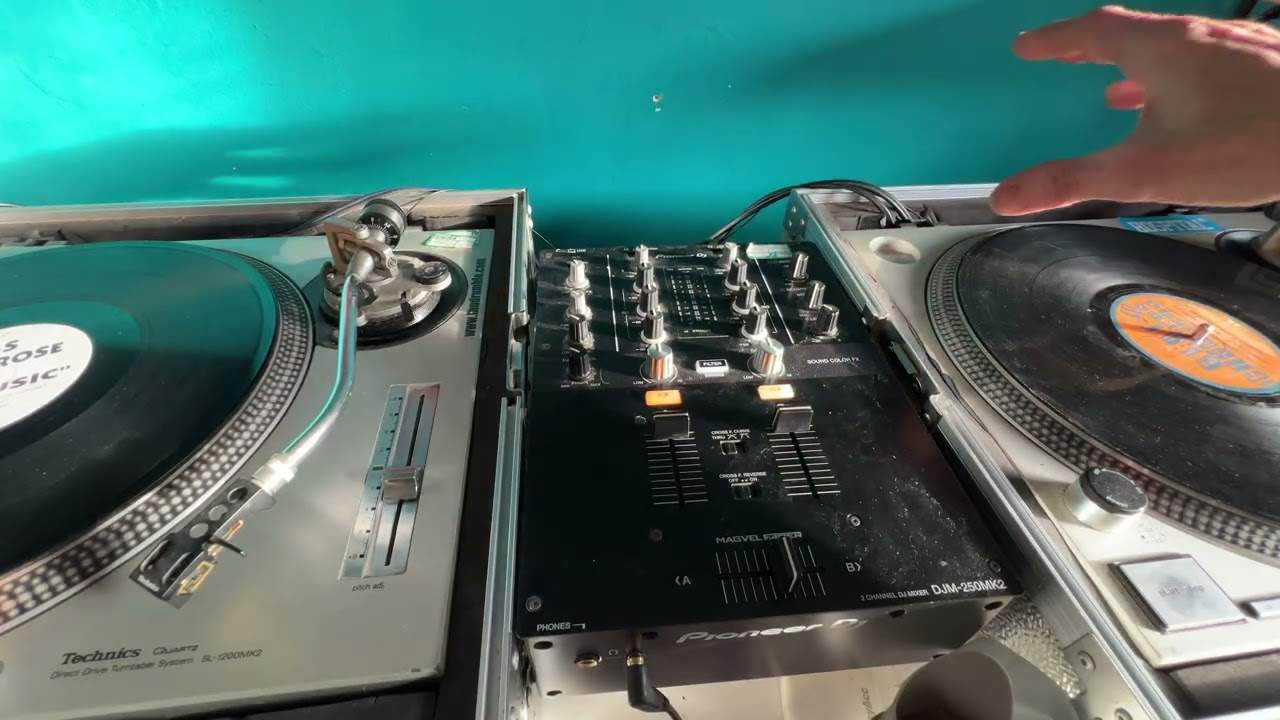
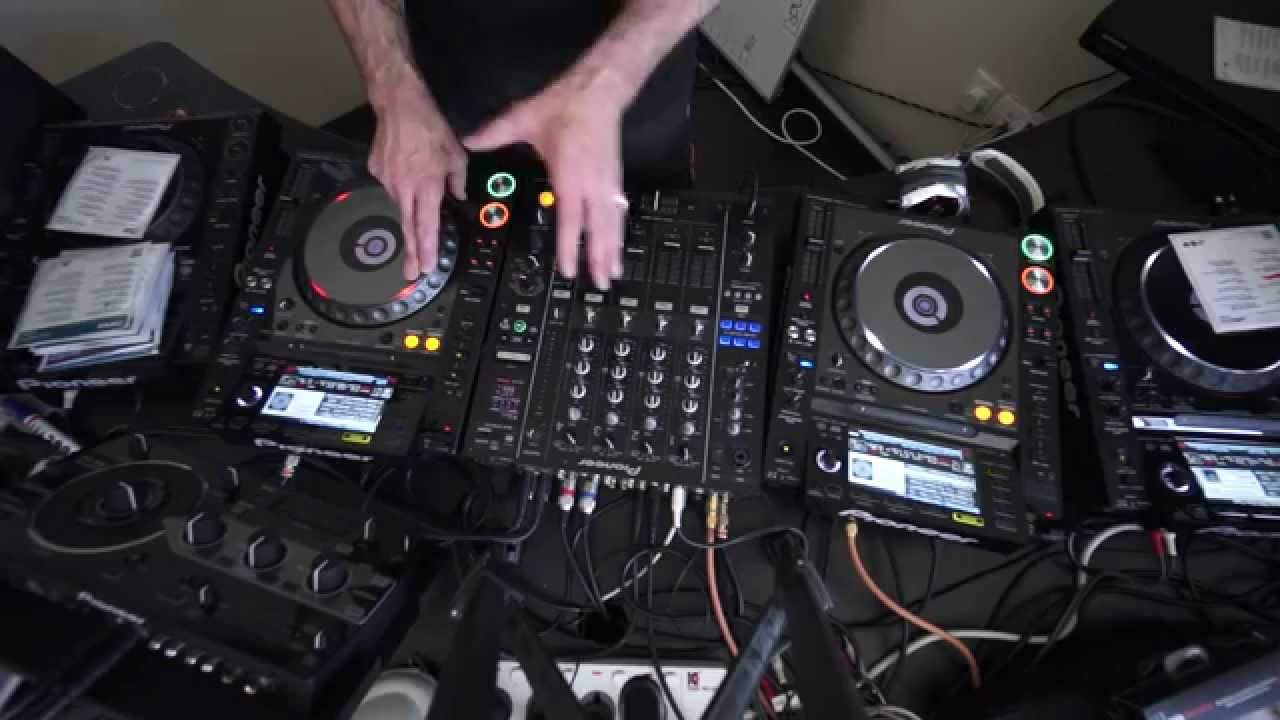
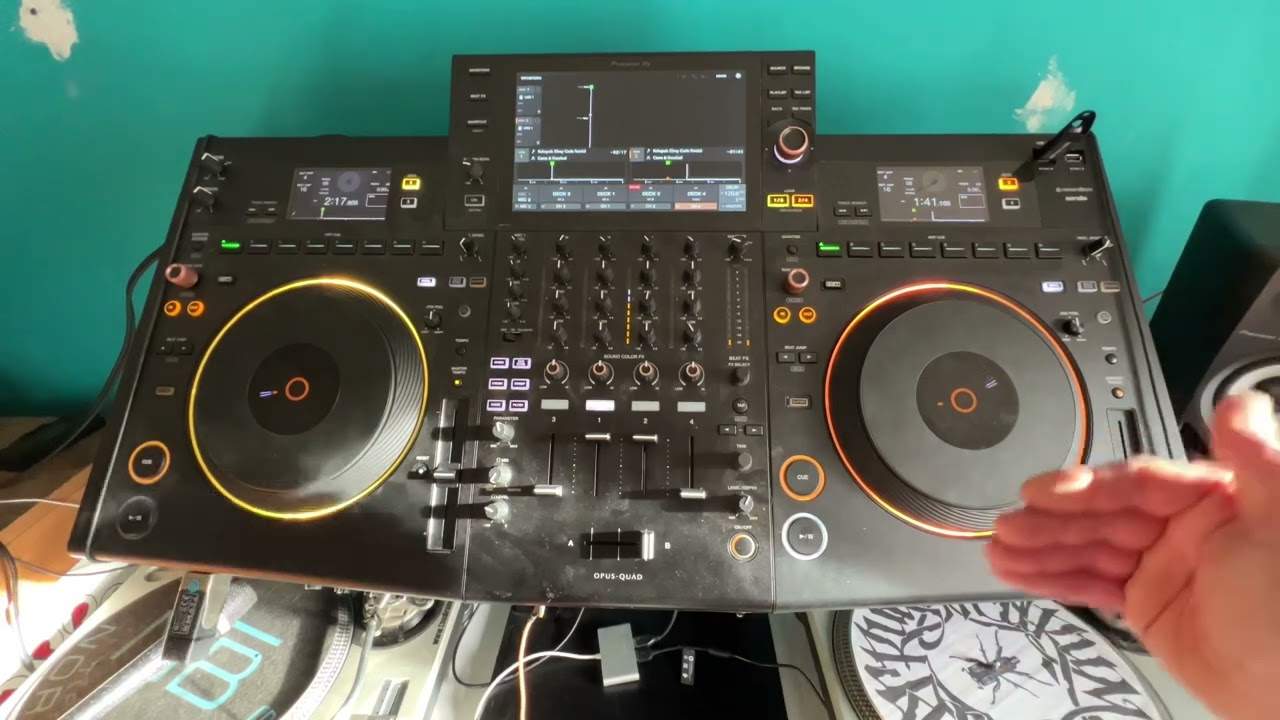
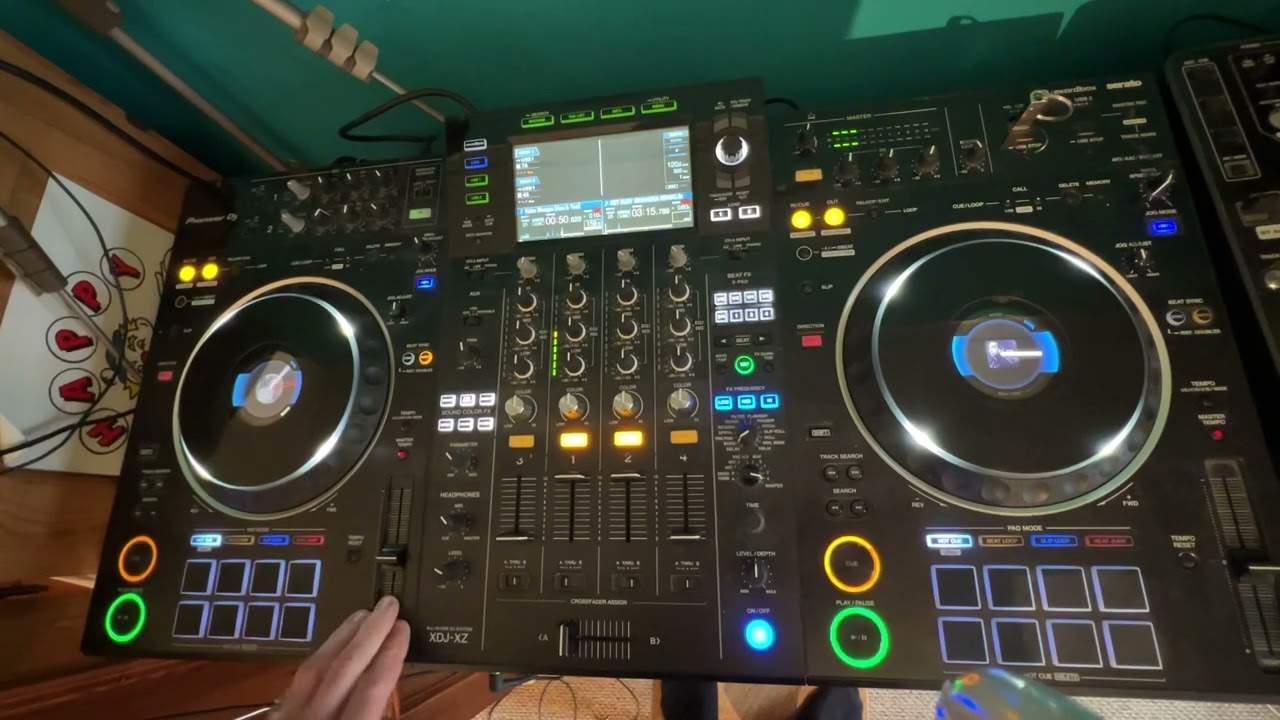
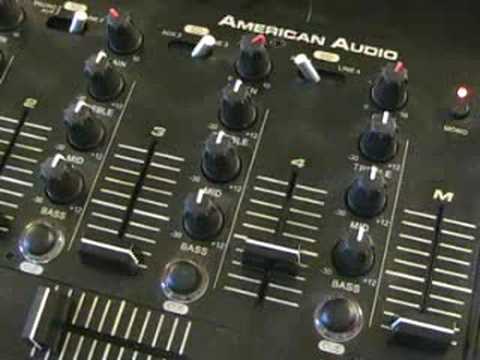
So, in this video I'm going to show you what to do. So I'll pause the camera and we'll have a closer look at the mixer. Okay, we've got a track in there ready to go and there's our mixer. So if I just move the camera down slightly, what we're going to concentrate on is the bass, where are we? Bass, mid and treble. Now we've got the gain at the top there, bass, mid and treble. But, here's the irony, stop. Film, because I'm not going to play a track. You're probably thinking there, what the hell's he on about? He's just said he's going to show us what to do with the bass, mid and treble, but he's not going to play a track. Well, the reason I'm not going to play a track is because I get so many emails from people saying, how do I mess around with the bass, the mid and the treble? Where do I set them during the track, while the track's playing?
2:23 First of all you're probably also thinking what on earth am I on about
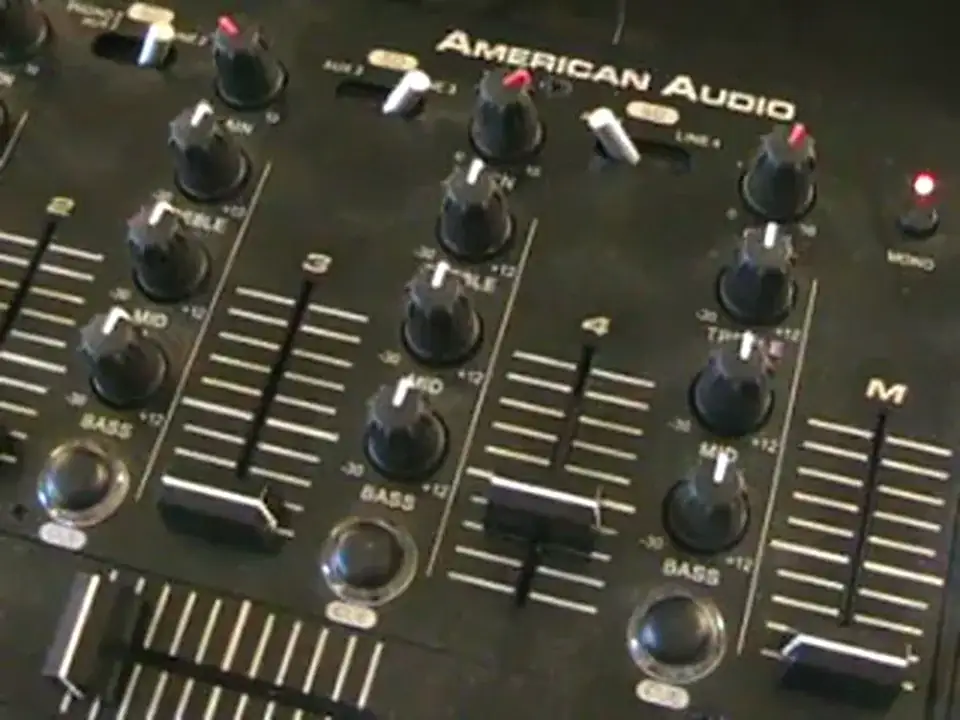
Well, here's the deal. If you think about it logically, let's say we've got track A, or let's say I've got track A, and I give that track to every single DJ around the world, and I say, OK, here's the track, go mess around with the bass, mid and treble. Then let's say every single DJ around the world then sends me their mix, not so much the mix, sorry, but they send me a recording of them messing around with the bass, mid and treble. Probably every single one will be slightly different because everyone's going to mess around with the bass, the mid and the treble a little bit differently. So here's the deal, the whole idea of this video is to prove to you that every single person will have their own little way of messing around with the bass, mid, the treble. So first of all you're probably also thinking what on earth am I on about? Well the bass
Is the boom sound. That's, you know, the bass kick, the drum and bass, the bass sound in drum and bass. The mid is like your vocals, the melody, etc., the guitar, the synthesizer, and the high is the hand clap. It's the crescendo, it's the high pitch sound. So, if you want to start messing around with a certain track, one rule you've got to remember is try not to go over, say, 1 o'clock. Because if you start going down here... To the 5 o'clock position, you are going to have a horrible bassy sound if you're going to use the bass. If you use the mid, all of a sudden you're going to have the red lights on your LEDs and you're going to start to get too much mid out and it's going to sound atrocious. Same with the treble, you can end up blowing compression drivers, the tweeters, the small tiny speakers.
So what you need to do, you're listening to a track and all of a sudden you've got the vocals coming in. Well, maybe if you don't want so many vocals or a melody, start to reduce the mid. Same with the bass. All of a sudden, if you think about it, you've got a track playing and you hear that dum-dum-dum-dum. Now, you've got that bass kick all the way through. Well, you're in control of that track. You can take that bass kick away even if it's there. If you've got what's known as total kill, you can theoretically knock the bass kick out. But what you've got to remember is you also knock out all of the bass sounds in the track as well, not just the bass kick. So in essence, you can be the remixer of the track that's playing. You can remix that track just by using bass, mid and treble. And again, like I said earlier, the only reason
5:04 In other words, listen to a song first
I'm not giving a demonstration with a track that's playing. It's because if I did, then people would think, oh, that's how you do it. Well, it's not. It's a case of, you can remix that track anyway. In other words, the track starts and you mess around with the bass a little bit. Halfway through the track, you could mess around with the mid, and then at the latter part of the track, you could mess around with the treble. Or alternatively, you could mess around with the treble first, then the mid, then the bass. But more importantly, you need to listen to the track and the track will determine, the track will tell you where you need to mess around with the bass, mid and the treble. In other words, listen to a song first. Listen to it two or three times and then once you get to know the track, you'll think, ah, maybe I can move the bass at say...
5 bars in, 6 bars in and then maybe at 8 and 10 bars in I can start messing around with the mid because there's loads of vocals, there's loads of a guitar, there's loads of a synthesizer playing and maybe I need to just move that down slightly to emphasize the hand clap. So bring in the treble a tiny bit more but also think about it why have them continually at 12 o'clock? Why not have the treble down very slightly at the beginning of the track And then halfway through, emphasize the treble and all of a sudden people think, shit man, we've got a bit more treble there, that sounds good. But little did they know, you actually have the treble down initially anyway, so you're emphasizing the treble halfway through the track. If you see some professional DJs, they won't be doing this all the time. They will be listening to each individual track and they'll be just moving them about slightly, very slightly from...
11 o'clock to 12 o'clock, maybe 12 o'clock to 1 o'clock, maybe down to 10 o'clock with the bass. They won't necessarily be doing this all the time. In fact, if you do see any professional DJs doing that, OK, it may sound to a certain degree OK, but what they are doing is they're just emphasising the bass, the mid, the treble too much and like I've always said, if you start doing this then if you look over to the Your LEDs here, when you start going too much into the red, you end up getting a distorted signal. So, in a sense, I suppose, in one paragraph, this video is about experimenting with the bass, mid and the treble. Each track will be different. Every DJ using even the same track will have their own little way of tweaking, as we call it, the bass, the mid and the treble.
And it's about experimenting. Practice and enjoy.
This transcript was produced automatically from the audio of the video and may contain mistakes.