 12:32
DJ Vinyl Mixing Demonstration Tutorial on 80's Dance Tracks
Contents of the video
0:00 Yet another lesson demo on mixing vinyl
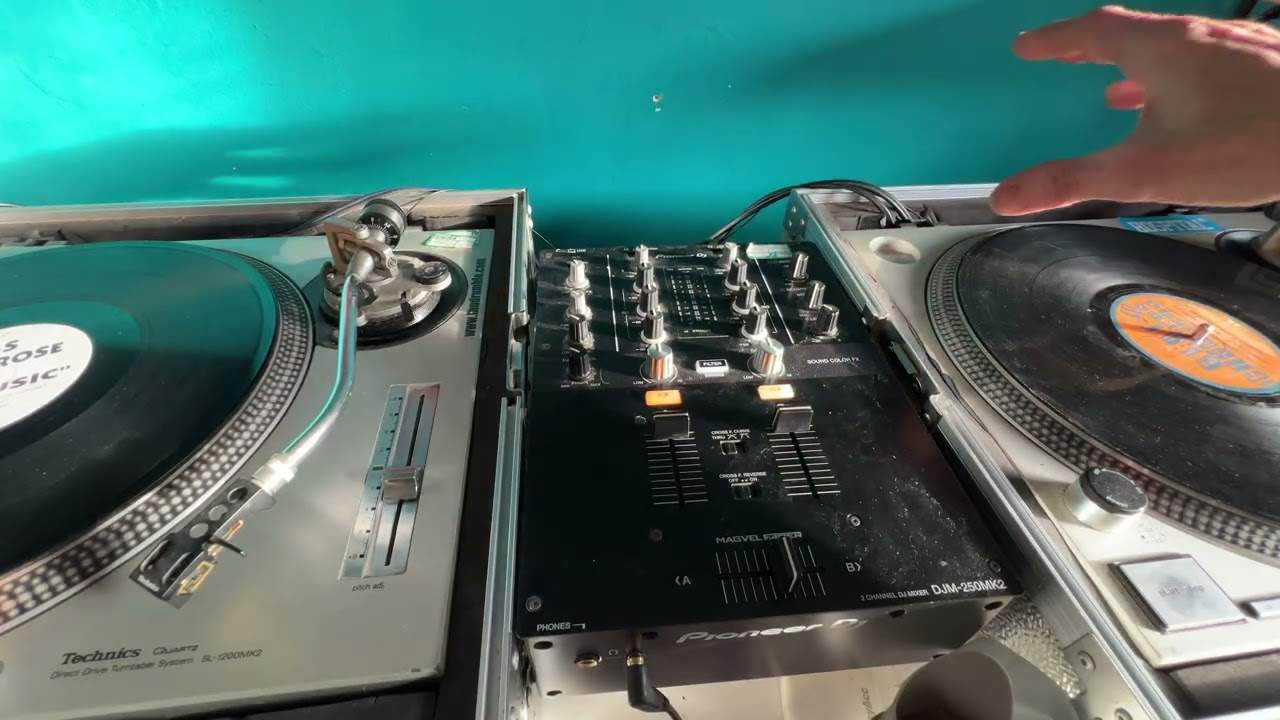
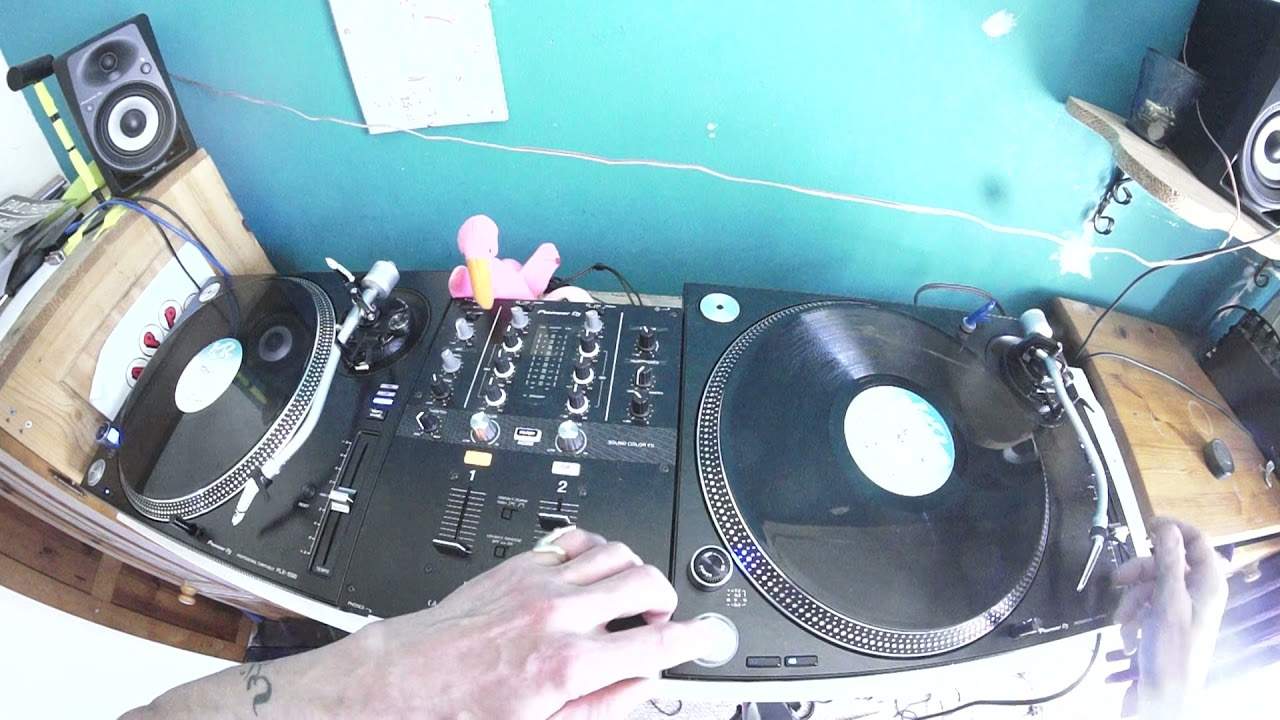
Right, yet another lesson demo on mixing vinyl. Now I'm going to be using a similar tune I used in one of my recent videos which is Do It To The Music Raw Silk and as soon as I uploaded that video yes there were copyright issues because we're talking about classics here okay and I just have this thought in the back of my mind that The system doesn't really want you to hear brilliant classic tracks because they're just too good. You know, you can listen to a lot of modern day fodder and I'm going to openly admit, I have to admit, I've just got to be honest, but most of the chart music that you listen to today in my mind is absolute rubbish. I'm sorry. Whether it's my age or not, I don't know, but I have been speaking to people a lot younger than I am and the consensus is, you know what, we want to hear the classic tracks. So I'm going to do just that. OK, again, we're using vinyl. I'm going to put Pitches Dead Centre so you know where we are. And we have Raw Silk Do It To The Music. And over here we've got Saddle Up Davey Christie.
2:29 Your screen, you match the grid
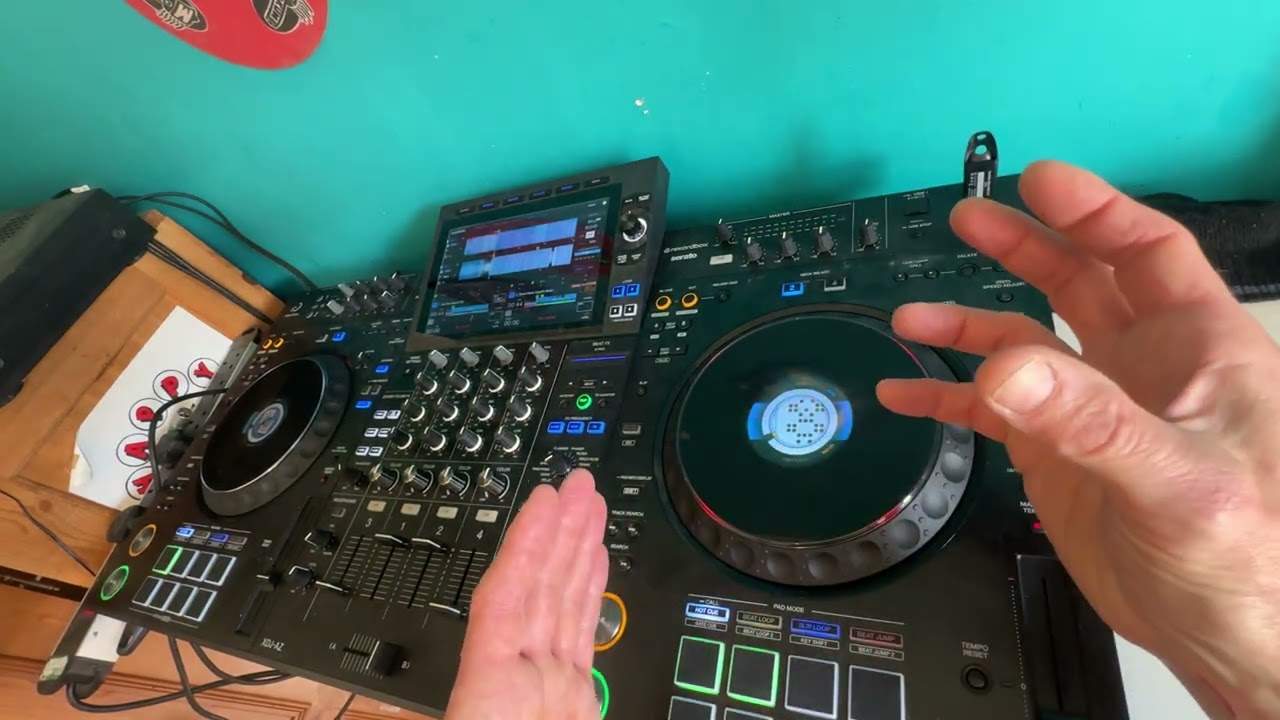
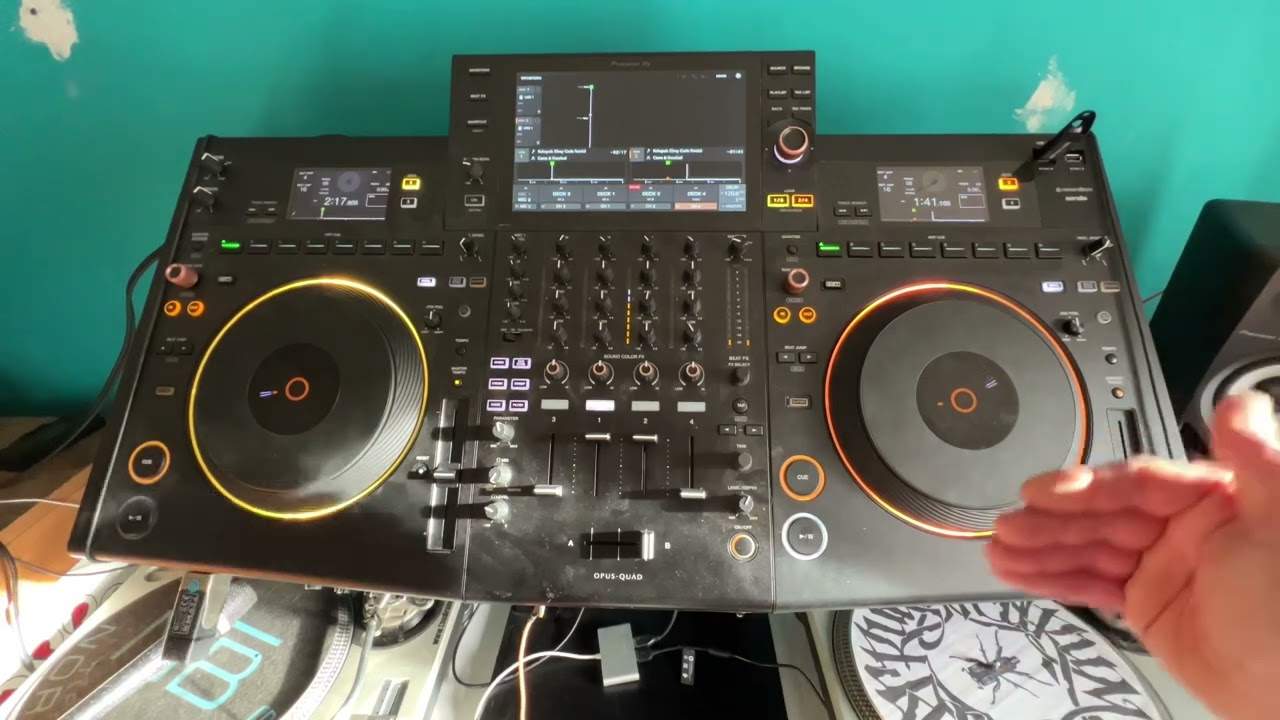
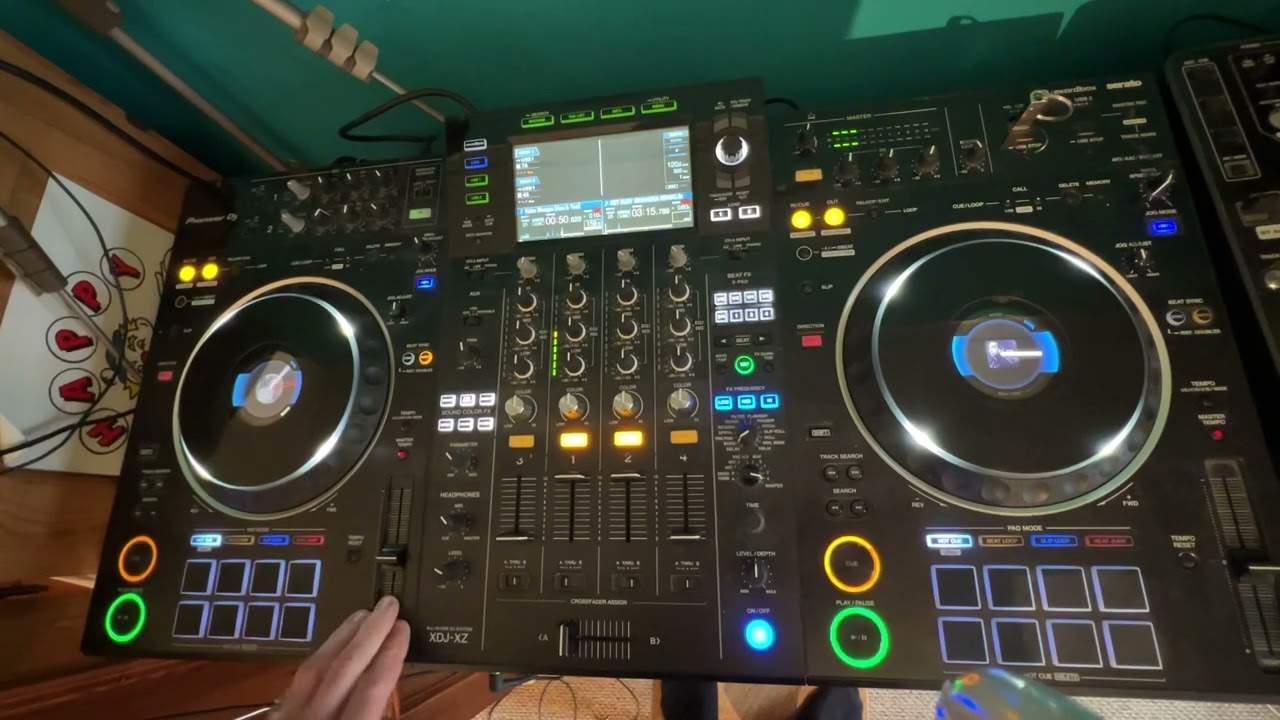
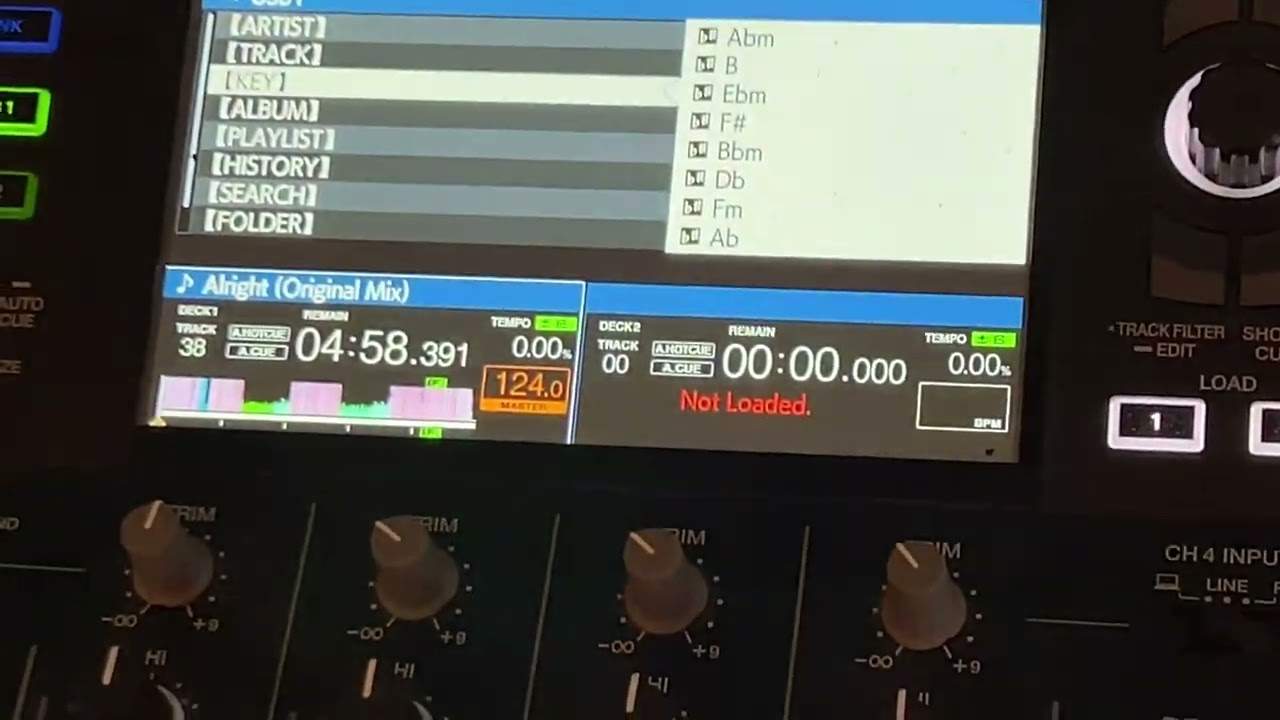
Again, you'll notice they are actually the same labels as well. KR and the Sadler Davy Christie is from 1992 and sorry, 1982, I beg your pardon. And same as Raw Silk Do It To The Music. So we've got something similar going on here straight away. Now what I've noticed with these cuts... is that there are very similar kind of vibes and energy in these tracks. So I'm going to point you to the break in... Listen to that bass line. There we go, listen. Right, have a listen to that. Now listen to this, here we go. Okay, now I'm going to bring the Davey Christie tune into the break. Do it to the music raw silk. Now if we would go in digital here, this would be a lot easier because what I could do, I could set up a loop of the beginning of this track and if you do have the digital copies, try this. Try it the hard way and try the easy way, alright? Now first of all the easy way of course is you look at your screen, you match the grid lines, you form a loop.
The DJ Tutor is a great way to learn how to play with your guitar. You can try this easy way first, form a two bar loop and then you can have that two bar loop playing over this part prior to the break. One, two, three, four. One, two, three, four. One, two, three, four. One, two, three, four. One, two, three, four. One, two, three, four. One, two, three, four. One, two, three, four. One, two, three, four. So you've got that two-bar loop playing over the track. One, two, three, four. One, two, three, four. Two-bar loop. Three, four out of the loop. And then the track is playing. Now, something sort of important when you're forming a two-bar loop, and that is you can't just bring it in anywhere. You have to make sure you bring it in at the correct time signature. Now, this is paramount, all right? This is very important because, for example, if we listen to... And this doesn't go... I'm not on about just raw silt due to the music. I'm on about...
4:58 Sometimes you've got them 2 as well with the radio versions
Any track, so imagine we've got anything on here. Okay, so if we listen... One, two, three, four. There, one, two, three, four. There, two, three, four. Second, two, three, four. There, two, three, four. Second, two, three, four. Or there, two, three, four. Second, two, three, four. Now... With practically 99% of tracks out there, they're very structured and what you'll find is that you will of course have groups of bars which are known as phrases. You may have 4, you may have 8, 16, 32, 64. Sometimes you've got them 2 as well with the radio versions. But if I was to bring that two bar loop in just a random place but in time on the one, I might be off by one bar. That's because if you listen to say the chorus or the verse, the chorus may be four bars, or it may be eight bars, or it may be 16 or 32. So if I was to bring a two bar loop in on the third bar, I'm going to be out by one. I hope you follow that. On the other hand, if you want to...
Be 100% accurate and you don't want to bother about thinking where, you know, do I do two bars? Do I do four bar loop? Just do a one bar loop. If you do that, then you can actually start your one bar loop anywhere in the track. So long as you start it in on the one. But the only downside to that is that when you do indeed come to that position where you want to mix it in, you've got to make damn sure you come out of that one bar loop inside that loop, inside that 1-2-3-4. Because if you let that play just once and then come out on the second rotation, you're going to be out by one bar. Right, I know that's a bit of a mouthful but anyone out there who knows what I'm on about hopefully will go yeah it's just common sense. Okay so what we'll do we'll play that now let's imagine we're mixing it in or beat matching it you'll hear it sort of all over the place. Now that could be down to the digital aspect of these decks
7:45 David cassidy, together, slice
When this track was made and they brought the break in, the break was actually edited in with physical tape. So the producer sliced that tape, joined them together, and this is how it used to be. I'm not joking. They would think, yeah, I like that bit on a big tape, I like that bit, but I don't like the middle bit. Let's slice it, slice it, take the middle bit out and join the other two ends together. It sounds like it's in beat, and it probably does sound as though it's in beat, but that slice where they join the two together might be just... Fractionally off, which means if you start beatmatching before you actually want to bring it in, it may be in-beat, but then as soon as that break or a change comes in, all of a sudden you think, oh, what the hell's going on? It was in-beat. Now it's off. That's because of the old school way of how they used to produce vinyl. So I'm looking at roughly about there. So let's go back here. I'm going to do that again. OK, now again with my last transition.
9:39 Taking the David Christie out because that's the track I'm bringing in
In the last video, I think I'm going to have to do the same here. What I'm going to have to do is as soon as I bring in David Cassidy... David Cassidy at least said that. Oh God. David Christian, I'm going to take the bass out of Raw Silk Do It To The Music simply because I've got two bass lines overlapping and I want to just get rid of the one so of course it's pointless. Taking the David Christie out because that's the track I'm bringing in. So again, as soon as I throw that in, take the low out on Do It To The Music. I got this one a little bit faster as well. Too bad, but again it proves how difficult this can be. Now again, I had to speed this one up quite a bit. So what I could have done is again, now if you think about it, the David Christie does sound, if you're familiar with this track, it does sound faster. Now again, the rule of thumb with vinyl is you're okay within sort of 3%. Now what I've done here, I've had to speed this up to sort of four and a half. So maybe what I should have done, because if I just...
Move the arm slightly so you can see better. If we look at raw silk, that's still at the centre position. So maybe I could have just slowed that down slightly to about sort of one and then brought that down a little bit. So the harmonic sound of Davey Christie doesn't sound as high, it sounds a little bit lower. Even though raw silk will be lower... Once you start going above and below about 3%, you do start to change semitones as well. You're almost starting to go in between the keys from one key to the next one. Again, I hope that's a help. As I said in my last video, I'm always open to donations. There is a donation button that goes straight through to PayPal. It's not some dodgy site where they're going to throw guns at you, but everything helps.
Thanks for watching, practice and enjoy.
This transcript was produced automatically from the audio of the video and may contain mistakes.