 5:37
Don't Go in the Red on Your DJ Mixer Controller and Here's WHY
Contents of the video
0:01 Again, for copyright reasons, I'm not going to be using any audio
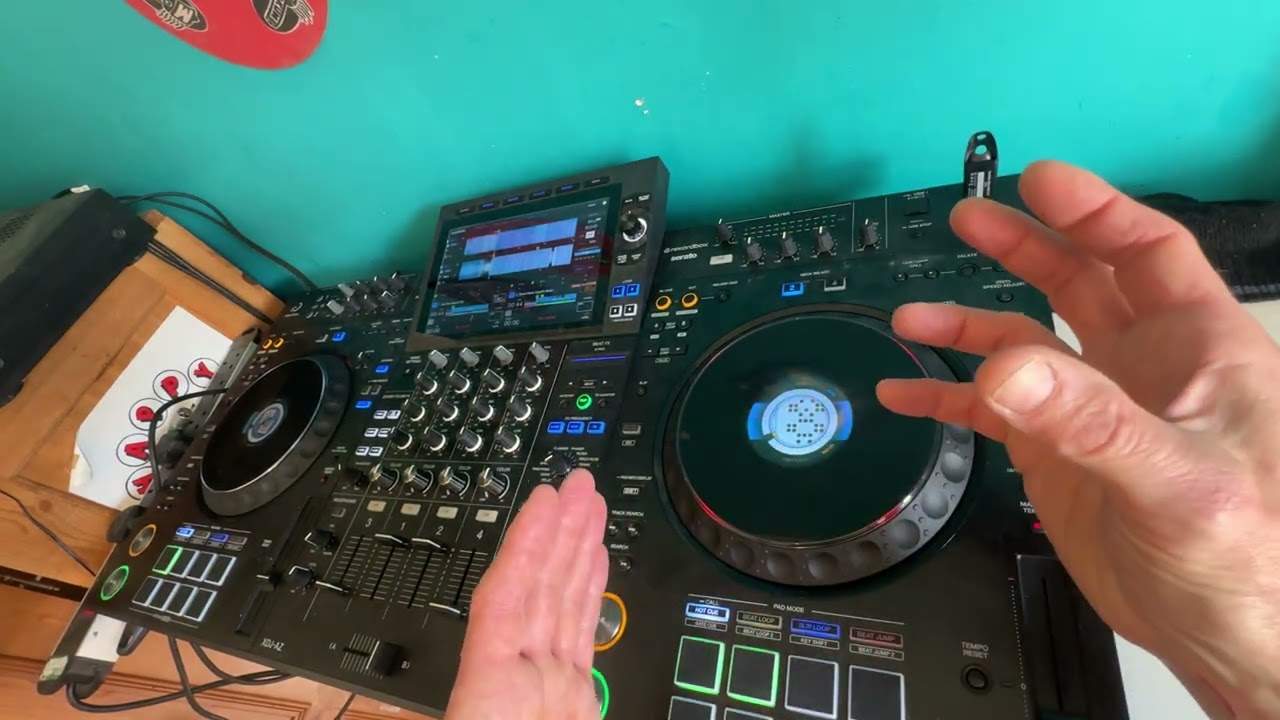
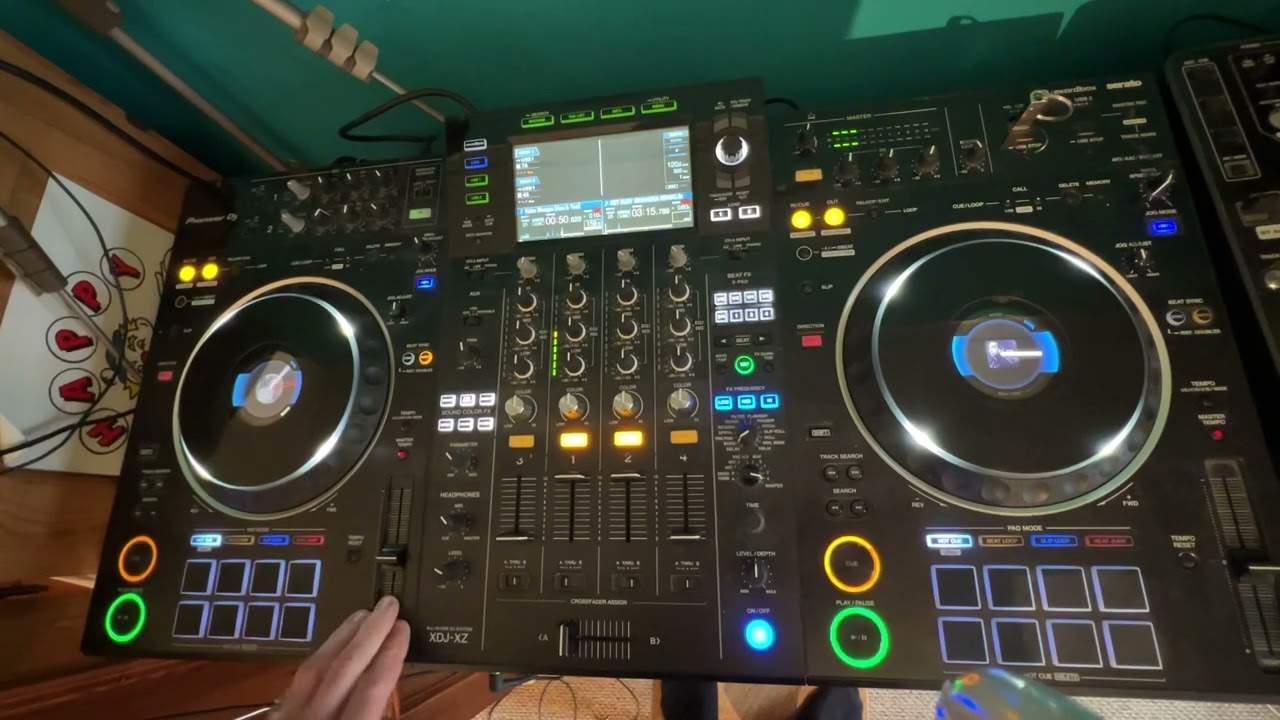
Alright guys, what we're going to do here is give a demonstration on the best way of setting your levels on your mixer. Now again, for copyright reasons, I'm not going to be using any audio. It's just, I mean it's just visual this really. We're looking at the LED. So I'm going to go about it the wrong way now. So I'm going to press play there. Let's turn that up there. And that's the LEDs shining now for this channel. I'm going to turn up the master. And it looks fine, doesn't it really? Because the master isn't going in the red. It's just poking a little bit in the amber. We're just around about zero dB. We're in the red here, but it doesn't matter, does it? Because we're not in the red on the master.
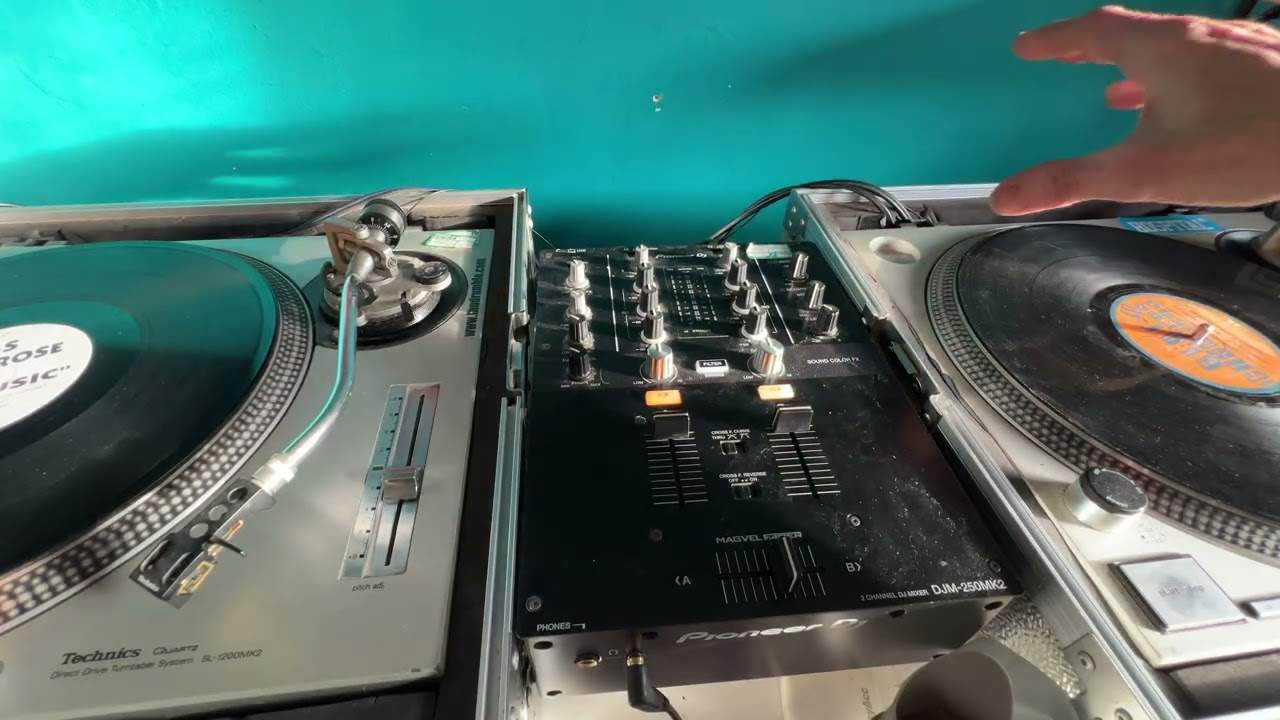
Well, it does matter. Let's do it the right way and then I'll explain why this is indeed the wrong way. Okay, so I'm going to turn the volume down there. Turn the level down. I'm going to press play again and all I'm going to do now is bring down the trim on this channel. Now your trim above each channel is there for a reason. It's there to set the overall audio level of that channel. So for example, I could have had say vinyl turntable here controller, controller and maybe a CD player on the other side. Now I could have maybe used an LP, a long player, on the vinyl turntable, which means I might have to turn the trim up to compensate for the lower output of or the lower signal let's say of the LP and then the CD on the right-hand side could be quite higher so I might have to turn the trim down.
2:01 What we've got here now, we've got it around about sort of six
So the objective with the trim is to make sure that all the levels are the same. So if I press play on the other side now, we can see that the level is just slightly higher than the other. I'm going to bring that down a little bit. So, I mean, you know, it doesn't have to be exact because of course the LEDs are going to be flashing up and down. They're not going to be stationary unless you have just a single tone or a note playing all the time. So what we've got here now, we've got it around about sort of six. Now I could bring it down a little bit more if I want. But to be quite honest, when you're in the amber on the LEDs you're doing fine. As soon as you go into red, as I've said before many a time, red is dead and not a good idea.
Okay, so let's put them like that. And now if I turn up the master volume you can see again we're tapping in the amber but we're not tapping in the red, okay? Now why was it not a good idea to go in the red here earlier when we're still in the amber on the master? Now that's because it doesn't really matter how much this is up or it does down because it's practically off. When you turn the master up, all you're doing is the master is increasing the output from this channel. So when you're in the red, for example if I go full-on red now and there, so turn that up. And if you can see I turn the master up, it's in the green. So it looks fine It's in the amber but all that's happening is I'm now increasing a distorted sound from here. So even though that isn't in the red
3:59 You don't want to be sort of minus three just tapping on zero
I am still increasing a red-is-dead sound audio signal from here going into there. Now if we turn that down for example to about zero plus three whatever, I can indeed make that go into the red just by turning everything up. So I'm sort of doing the same thing here now, but I'm now increasing the output so I'm now going in the red from the master. So really to finish this video an easy rule of thumb is to make sure that when you set your trim levels, sometimes they're known as gain levels, just make sure that you want to be above zero dB. You don't want to be sort of minus three just tapping on zero. You want to be definitely on zero and tapping slightly above, so long as you're in the amber on the channels
Then when you turn the master up and then you go into the amber on the master you will have a good quality signal going out and no way will it be distorted. And lastly what I want to say is you get some Muppets who think, oh if I turn it into the red in a nightclub, the sound's going to go up. Well actually it probably won't because there are compressors and limiters quite often in big nightclubs that will just say, oh hold on a minute DJ is pushing out too much power. We're actually going to do the opposite now and reduce the sound. So by definition, if you turn it down you'll actually have more volume. If you turn it up, you'll actually get less volume, a compressed, horrible, sound and you won't have a job next night.
Anyway, that's it. I hope this has been help. Thanks for watching. Don't forget to like and subscribe and comment as well. Practice and enjoy. Thank you.
This transcript was produced automatically from the audio of the video and may contain mistakes.