 11:07
Drum and bass Double Drop DJ Mixing Tutorial with Hospital Records
Contents of the video
0:01 Got a couple of tunes here from Hospital Records from Hospitality 2016
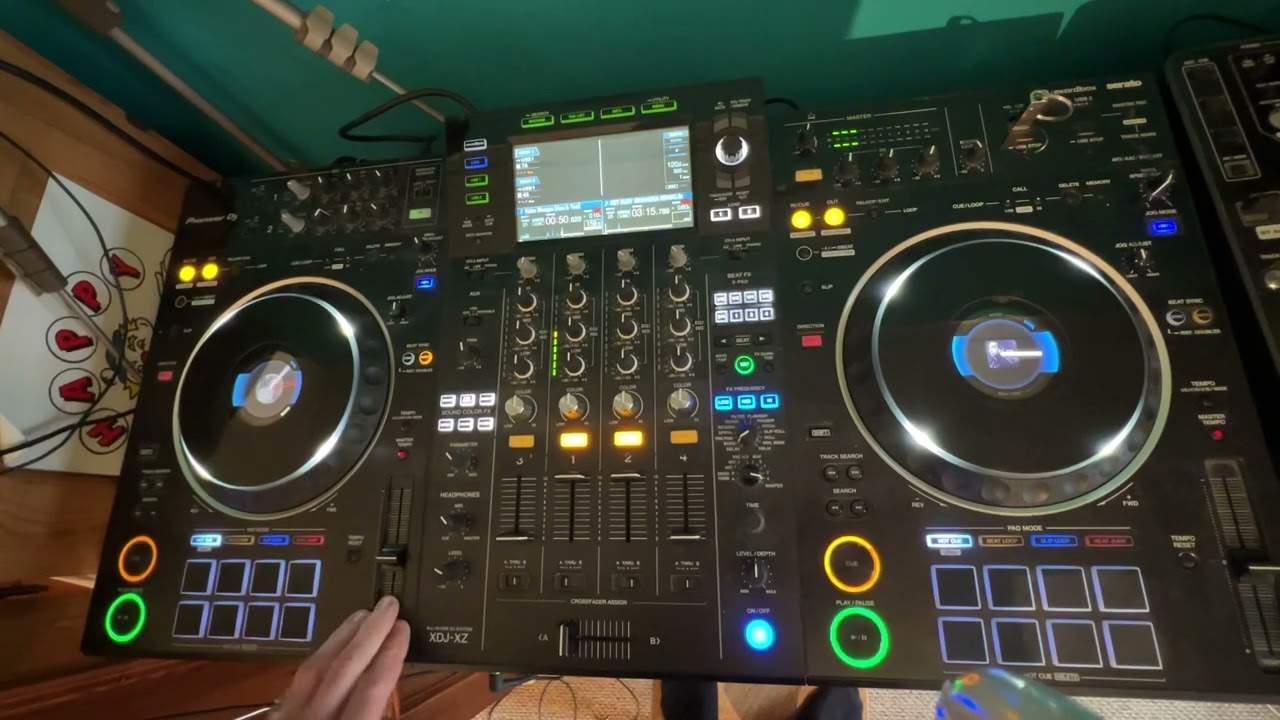
Alright guys, a bit of a demonstration on Double Drop in the genre known as drum and bass, also known as DMB. Got a couple of tunes here from Hospital Records from Hospitality 2016. We have watercolours on the left hand side, on the right hand side, Get It Right featuring Sookie. There'll be more information on Hospital Records and these two tracks in the description along with a place where you can download these. Okay, so demonstration first. You'll see me skipping forward and back with the track, counting and goodness knows what, and then I'll explain exactly what I was doing. We could have done that the other way around as well. So first of all, what is a double drop? Well, there are a few definitions of a double drop, but pretty much it is when you have the two tracks playing together and then the drop happens at the same time.
Now, there are many different ways of doing a double drop. For example, you can have, say for example, which I did here, I had Get It Right playing and then I brought in watercolours and then at the drop of Get It Right, the drop came in at exactly the same time with watercolours. So the drop from watercolours took over the drop from Get It Right. Also, you can have a definite double drop where you've got both of them playing at the same time, but there you've got to make sure that they're not only in perspective. You could have one or two notes that are a bit duff in there, so you want to make sure that you get it right. So it's all well and good having a double drop and they're both playing together forever, but if a couple of notes are out of place, it's just going to sound a bit daft.
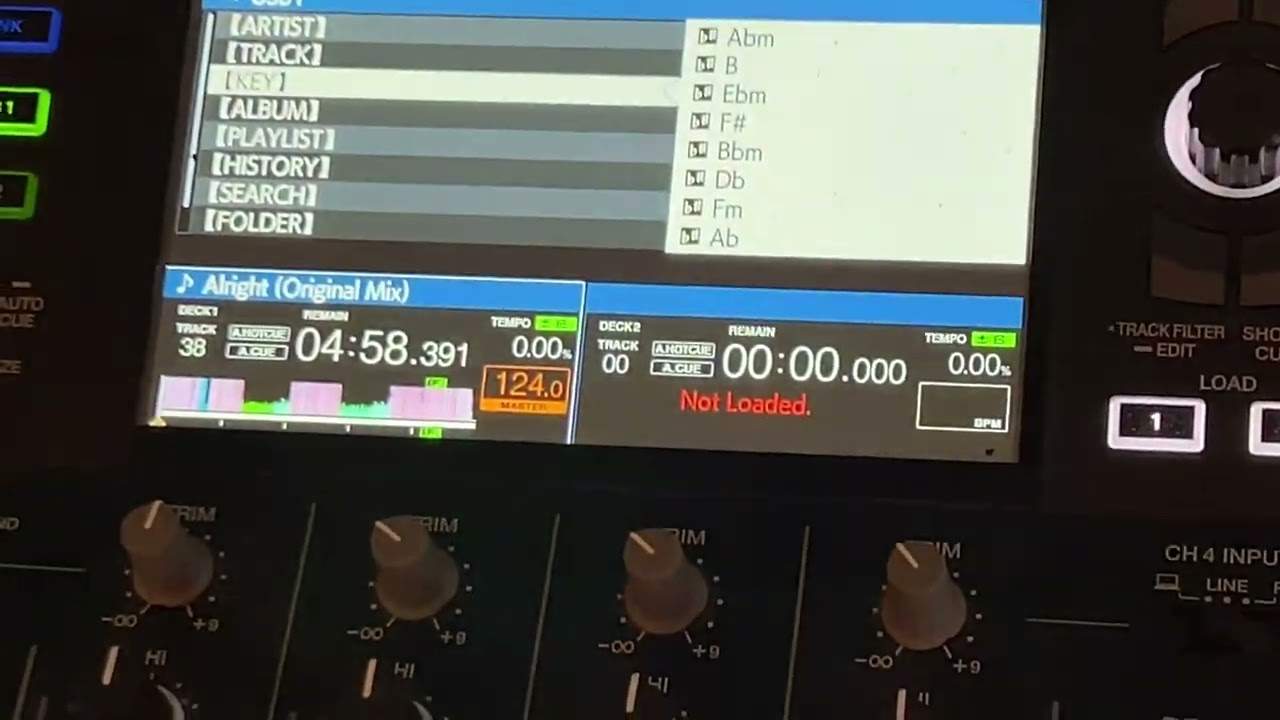
4:58 Three, four, beginning break
Okay, so what was I doing to begin with before doing that double drop? Okay, let's have a listen to watercolours. and the the bars from the beginning of the break to the drop itself so i'm just going to go back a little bit to sort of there one one two three two one two three three one two three bananas one two three oranges one two three yeah you get the idea one two three one two three nine one two three ten one two eleven one two three twelve one two three thirteen one two three fourteen one two three fifteen one two 16.1 there okay let's have a listen here and this is slightly more difficult because when we get into the drop there isn't a definite kind of beat in the background so what you have to do you
Have to imagine it's there listen one one two three two one two three three one two three four one two three five one all right slightly off three six one two three seven one two three eight one two three nine one two three ten one two three eleven one two three twelve one two three bang okay so uh you don't have to be a mathematician 16 and 12 leaves you four over here too many so of course all i did i counted four bars and then held it queued it up brought it in at the beginning of the break on get it right and then they both work together so let's just start that one again a little bit there let's have a listen to watercolors again so i'll go from the beginning of the break and we'll count so this is about what i'm about to show you now is pretty much exactly
What you would do on your headphones so what you're about to hear you would you would be hearing on your headphones now again this is about as well constructing your mix prior to getting this mix done what you maybe should or what you should be doing is constructing this at home so you know where to bring tracks in and also where to take tracks out so here we go here we go and one one two three two one two three three one two get ready hot cue four one two three now this is really important you do not queue it up on the fourth you wait for the next bar now some people seem to think oh four i've queued up on four that should be fine but what you've got to remember you've got to wait for the next bar because that's the next beginning of this short kind of phrase so we've cued it up there
All right now again tracks like this may be quite difficult for beginners to mix because at the beginning of this break there's no beat there's nothing at all so this is where beat matching prior to the break is imperative because even if you're slightly out of time when you bring your hot cue in because you've beat matched it beforehand nigh on perfectly if it is slightly
In all you've got to do is move your jog wheel clockwise or anti-clockwise don't start having a go on the pitch again because by moving the pitch after you beat matched it correctly may mean that you may then get it off beat so again very simply if you beat matched it perfectly prior to doing something like this and it is slightly offbeat then jog wheel clockwise to speed up jogwheel anti-clockwise to carry on your bets with your hot cue around stay patient if you think your good partner haven't been resting for quite some time here is where they're going to give us aotypes program what i've just talked about during set back down box what we're doing at100% meant to be heading off here this is we are going obviously doing two spring runs three paper vierks
Six�� steeltiecom sets as well and six and probably two rows at a single arm skate in denver let's check out some more to pitch down to reduce the speed slightly until you get it back into beat then walk away and leave it and let the technology cross fingers do its thing so let's try that again i've got that queued up ready have a listen here we go there all right bring that volume down and let's just skip back a little bit let's give this a go see i just press play medic play all right don't forget check out the link in the description to hospital records and once again thank you very much for hospital records for letting me use their tunes also there'll be a link where you can get these tracks downloaded finish off with practice enjoy thank you very much
This transcript was produced automatically from the audio of the video and may contain mistakes.