 8:43
Dub Step DJ Mixing Lesson and Adding a House Tune in the Mix
Contents of the video
0:00 It's a bit like house music and it's also like, well, it's EDM
Alright guys, another dubstep tutorial. If we go back to when dubstep all of a sudden sprung out of someone's studio, it was pretty much dubstep, that was it. But there's so many different styles and styles of styles of dubstep now. It's a bit like house music and it's also like, well, it's EDM. People sometimes say, oh I love EDM. It's like, yeah, right, okay. For someone who likes EDM and doesn't really know the different genres, to them electronic dance music is just electronic dance music made with a drum machine. No. There are possibly hundreds of different styles of EDM, so naughty naughty if you just think EDM is electronic dance music. Well it is, but it isn't, if you get what I mean. Right, so in this...
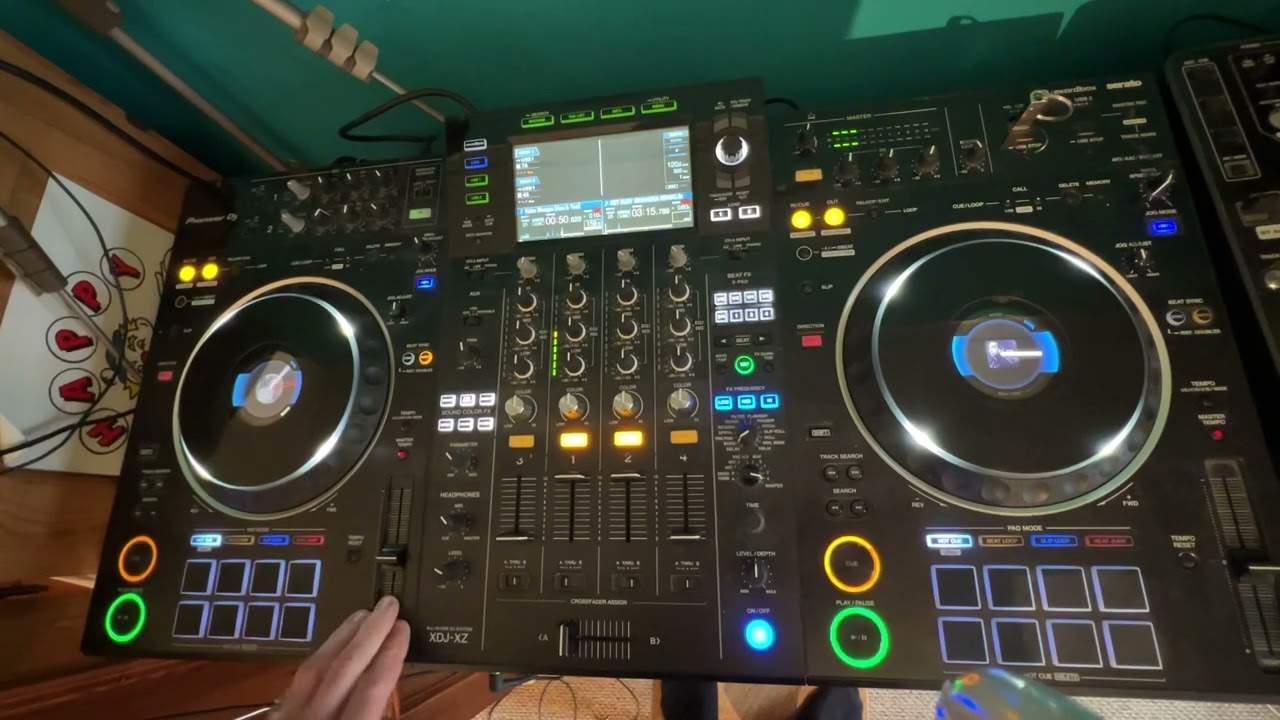
In this tutorial, what we're going to do is we're going to play two dubstep tracks. We're also going to mix in some house fun. What we've got is we've got one dubstep track that is very minimalistic and then we've got another one that's got a little bit of extra kind of percussion inside it. So we're going to add the two together and then what we're going to do is mix in some house music. This could be a lot of fun actually. Right, two tracks here. is artwork red and we have uh this one here that i've got the foggiest because i've got that other oh i'll i'll put the names in the description i hope okay so let's play this one here okay so i'm just gonna bring this one back slightly let's pause that one up okay so what
The idea behind this tutorial is to show you how adding another track on top, another dubstep track onto the other one. First of all, the two tracks, there's not a great deal going on. They're not what I would class as full tracks. They're not overproduced. They are sort of tracks where if you have a look at a, for example... A mixer in a studio with some of them have got 30 or 40 sliders and, you know, the drummer's probably got 20 of those. Probably all that the producer here has done has got about five, you know, the kick, the snare, the bass, the hi-hat and the melody. Ah, five. OK, so if we add another five from the other one, we've got ten, which is pretty much ten that would be just for the drummer in a big band.
2:43 In a minute
So, I'm going to put that like that. I'm going to put that one like that and press this one again. Right, let's just go, I need to go back to the beginning of the part in this track here where it sort of comes in. There's quite a bit of an introduction here. Just found something really interesting here as well, I'll show you in a minute. By itself, together. There is, I added A bit of low pass filter. Now, apart from being sort of a tutorial, see what's going on and get some ideas and work from those ideas. This is how genius is born because you watch someone do something and you go, I can not only do that better, I can add something to that to make it fantastic. It's the analogy I'll give you is like being a chef. Some chef watches another chef make this wonderful pudding
And he goes home and he makes it 10 times better because he's got an idea that the other chef didn't think of. Think about that as well. Okay, so let's do this one again. You can hear it in the background. I'm just going to bring this one in. I just wanted to... I was just listening to the beginning of this track here, by the way. My little boy's in the other room and I could be called to do something at any time. Look at Doggy Dollars or... I don't really want to talk about that. Or maybe make him some food or something. Even wipe bums. That's what happens when you're a parent. Okay, so... Let's go back a little bit. Can you clean my puppy? Do you want me to clean your puppy? Daddy will in a minute, okay? Yeah? In two minutes. Yeah? Is that okay? Good boy.
He's a good lad, he expresses. Alright, yeah, listen to the beginning of this one again. Yeah? You what mister? Two more, two more minutes, I promise. Okay, good boy. Okay, listen. This is what I wanted to explain. You see, the one wasn't on any form of drum. It was on a bam, the bass line. So this is where a lot of people get completely whacked with dubstep because they can't work out the timing. There.
6:28 It's practice, it's listening and it's tuning your ear into the track
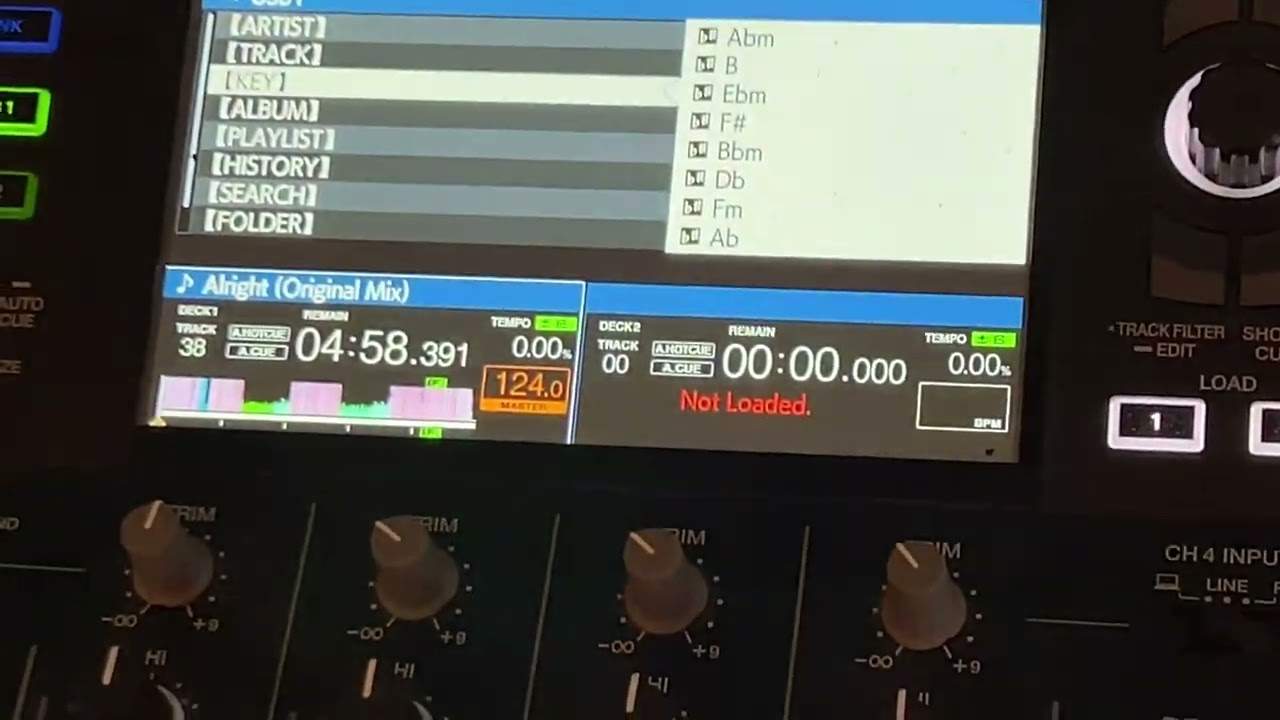
There. That was a count of one. There's no kick, it's just a bassline and this is something that will come over time. It's practice, it's listening and it's tuning your ear into the track. Okay so let's go back a little bit. Let's play some house music. Alright now this one here at the moment I think is 133.2 BPM. So let's have a look. 20 seconds. I'm not in phrase.
A couple of bass lines going on there, so I'm gonna take the bass line out of dubstep track. Okay now again, very important with timing. A lot of people when they count dubstep it's one two three four, one two three four. It's better to count it one, two, three. If we listen, okay? Let's just go back a bit. One two three four, one two three four, one two three four, one two... You'd be there, you'd be like that, your brain would be mush. Better, one, two, three, four. One, two, All right, it's a lot easier to count like that. All right, bit of a random video. Hope it's been a help. I'm going to go and tend to my little lab, practice and enjoy. Thank you.
This transcript was produced automatically from the audio of the video and may contain mistakes.