 3:38
Easy Move to Help You Become a Scratch DJ Turntablist
Contents of the video
0:00 Another very simple lesson on scratching or turntablism
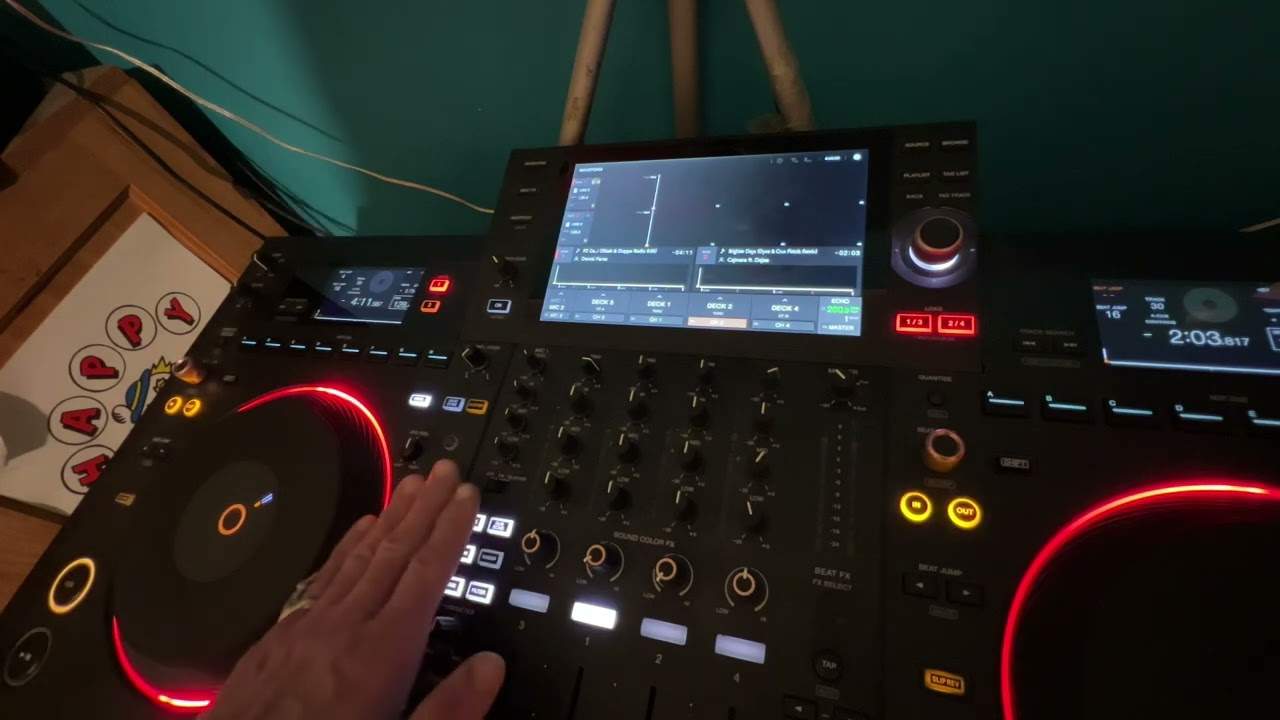
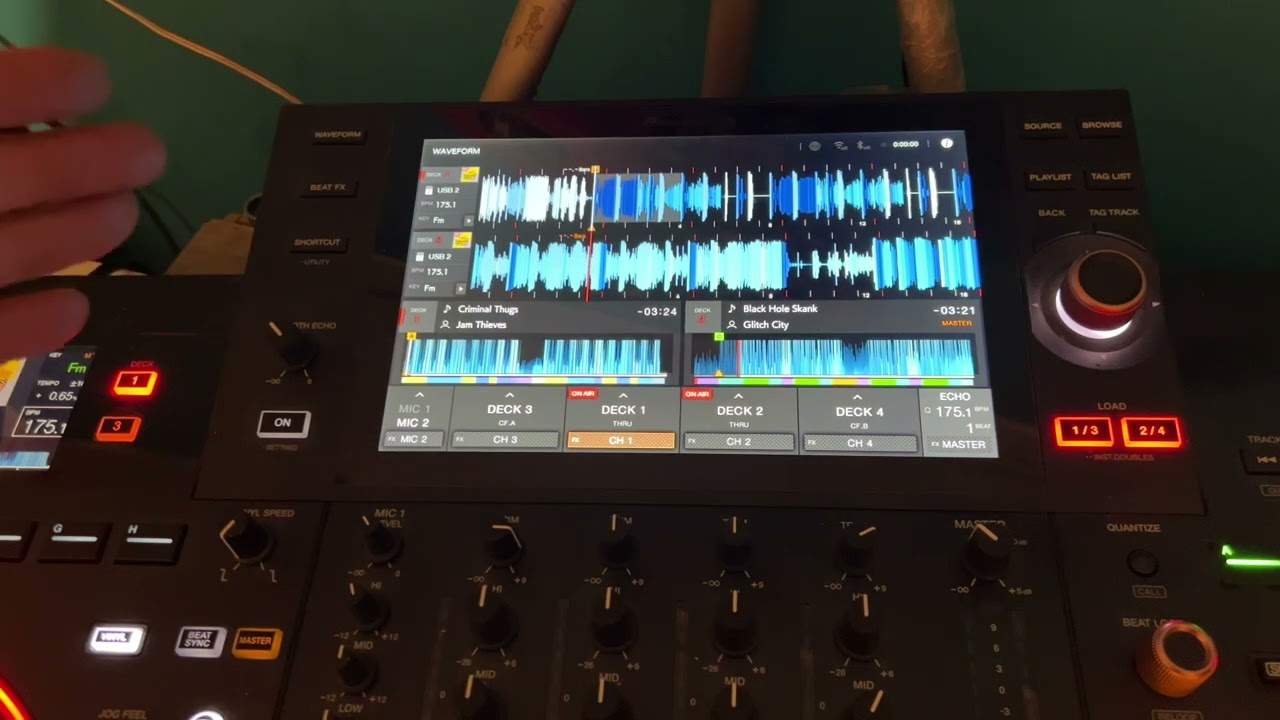
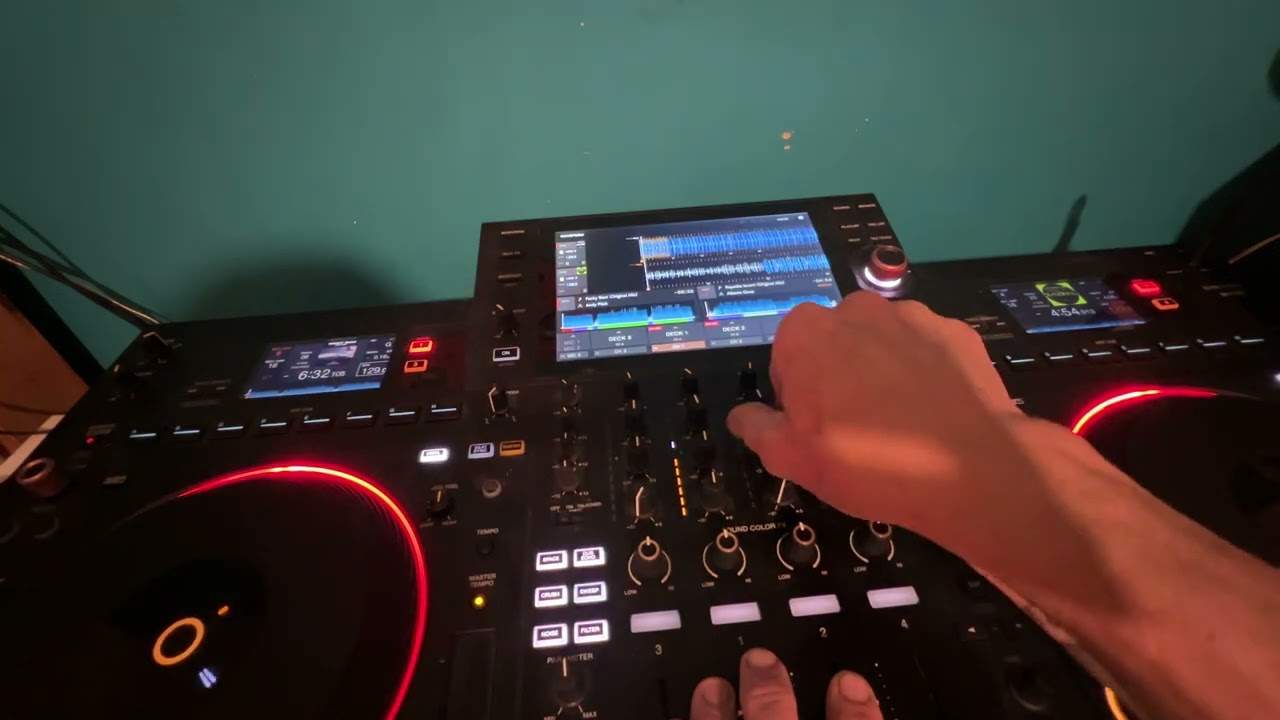
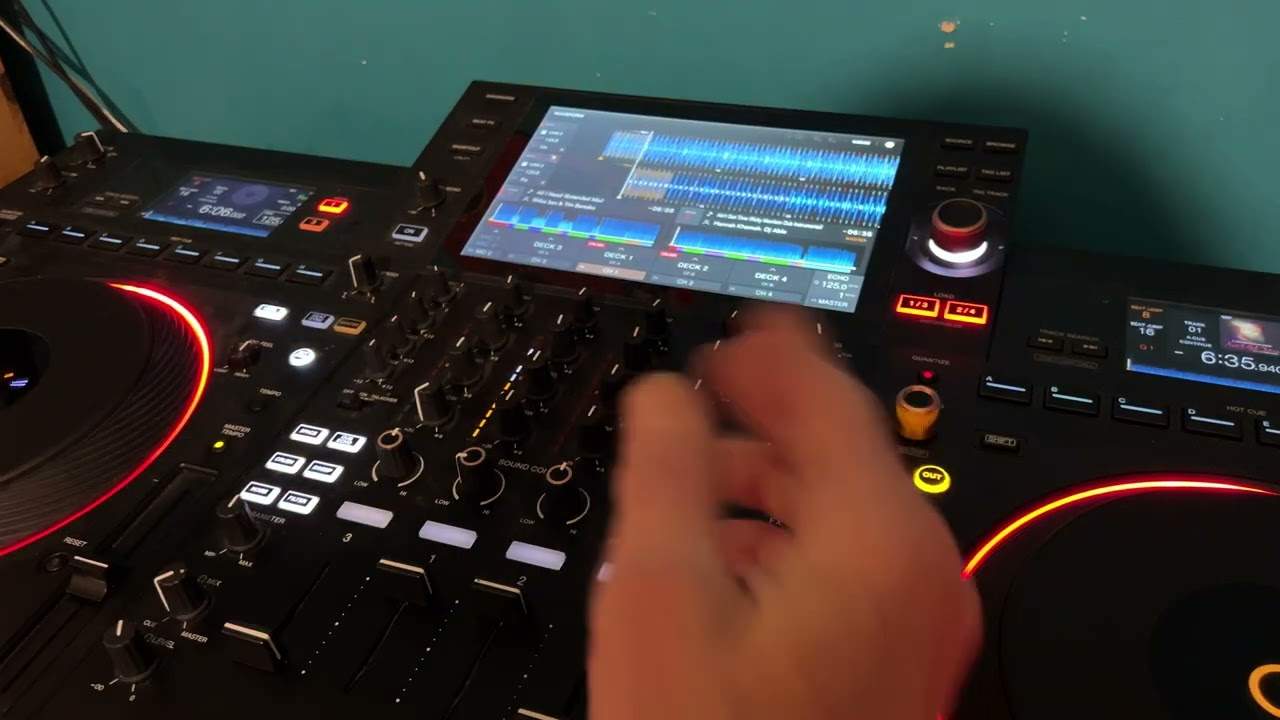
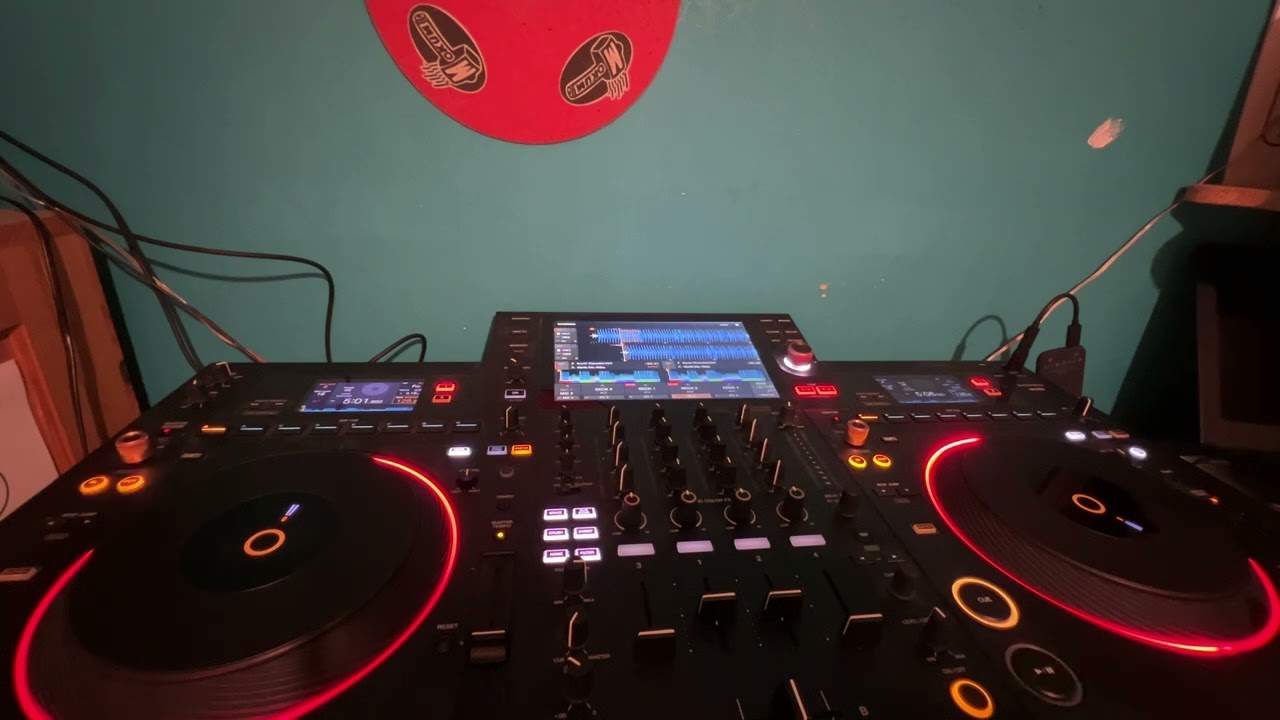
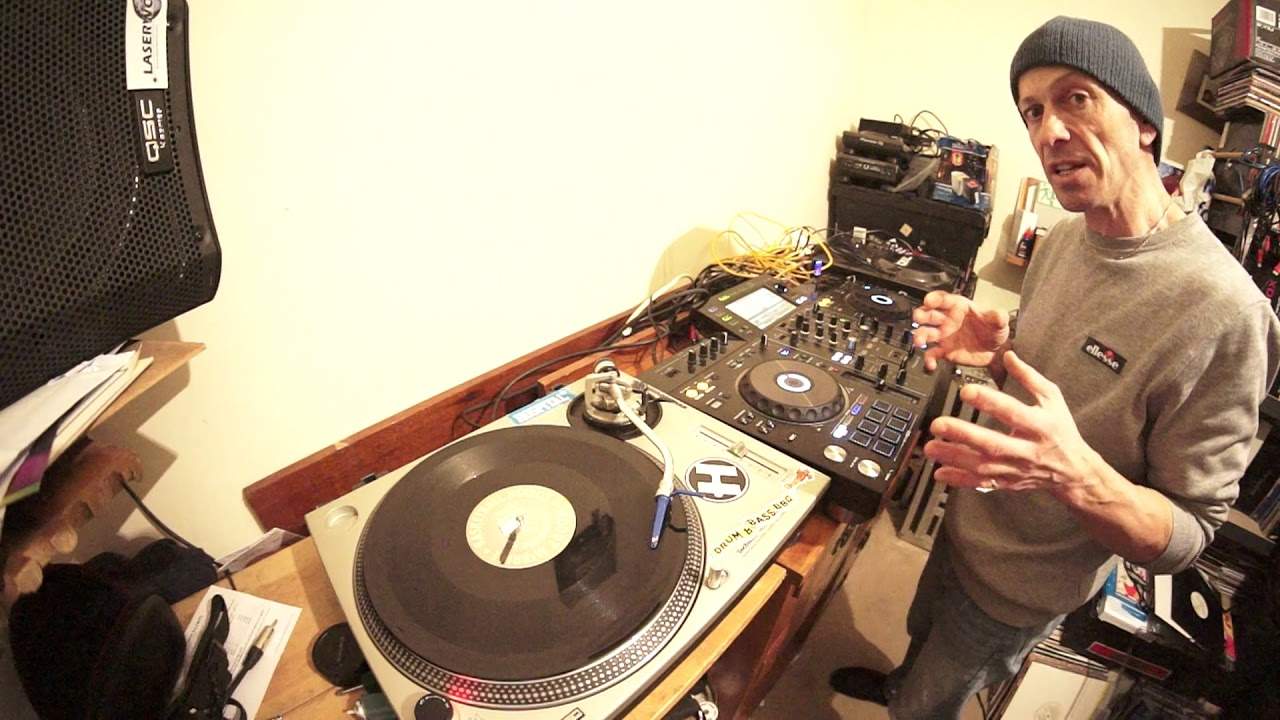
Alright guys, another very simple lesson on scratching or turntablism. Very quickly as well, I'm using a Technics SL1200 Mark II, the don of turntables. And here is the Pioneer XDJ-RX Mark II. I have a loop playing on the right hand side and the turntable is plugged into the left hand side. I've also on the left hand side set the low frequency, also known as the bass. To the off position, which is 7 o'clock on any mixer in the world. The loop is a house loop, but I've set that to quite a low BPM. Now, very important, and you can... This demonstration I'm about to show you now, you can do on vinyl, on controller or CD player, so long as you have what's known as vinyl mode. Do not try and copy this if you're in CDJ mode because you'll just wonder why it isn't working. You need to make sure you have set your system to vinyl mode because that will simulate a vinyl turntable. Four moves, very simple, okay? First move, volume up, record forward, volume down, record back.
1:17 Make sure we've got it ready
So volume up, record forward means you get the sound of the record, then volume down, record back means you don't get the reverse sound of the record. So let's do that now, here we go. Make sure we've got it ready. Now there are other ways of using this, or not using sorry, other ways of this move. We can if we want to, we can let the vinyl turntable itself take the record forward. And then we can bring it back. Alternatively, we can move the vinyl fast forward or slow forward. So there are many ways of this move. There are loads of ways. But doing something like this will help you to start to understand about scratching and also just doing this again and again and again and again over time.
Well, it'll just sink in. The analogy is very simple. It's like being a young person riding a bike. You get on, you fall off, you get on, you fall off, you get on, you fall off. One day you get on, you fall, no, you stay on there for good and that's it. Now, you'll notice that the loop was very slow. So of course, over time, you can speed the loop up. So have a listen. There, it's a house loop. But if you are a beginner, I recommend you start off slow. Let's get that ready again. Forward, down, back.
Up, forward, down, back. Forward, down, back. Up, forward, down, back. Okay, hope that's been a help. There are other ways of doing this as well using the crossfade but this demonstration is about the up-fader as well. Practice and enjoy. Muchas gracias. Thank you very much. Right, bugger off then. Practice and enjoy.
This transcript was produced automatically from the audio of the video and may contain mistakes.