 4:26
help with strange moving tone arms on vinyl turntables!
Contents of the video
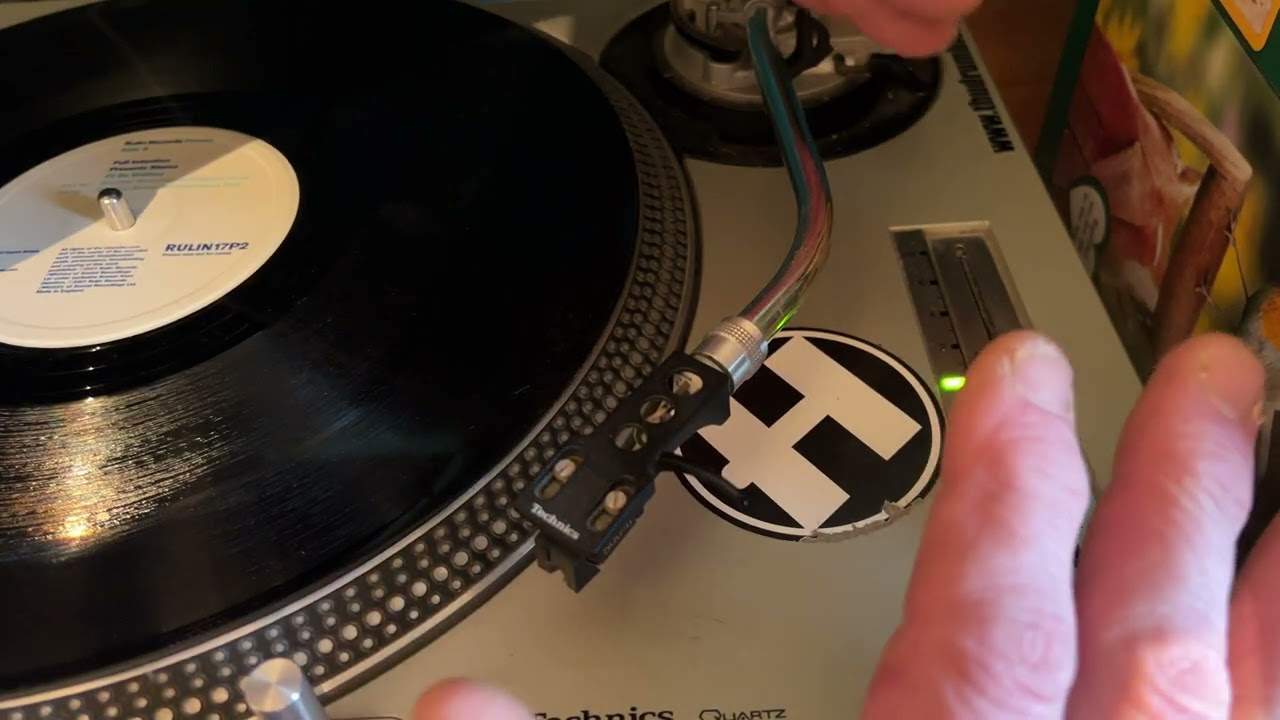
0:00 It's an original Technics SL1200 turntable
Alright folks, Jonathan here. This video is dedicated to all the people who are having problems with the arms on their vinyl turntables. So what we're going to do, we're going to look at this guy here. It's an original Technics SL1200 turntable. First of all, the parts. This area here is your cartridge, that's where the styli will be. I've got another one to show you a different kind of. This is the actual arm. This is the armrest. This is the lever that will pick up the arm and drop the arm. This part here is the area that will hold the tonearm onto the turntable itself, and this is the counterweight. Now if you've bought a new turntable, or let's say, well when I say if you've bought a new one, bought a new one out of a box, or even if you've bought a new one off eBay, and you can see a hole there, or you can't see a hole there, we'll put it this way.
1:22 Is the counterweight like that?
If you've got a small tiny weight, an extra weight on the back of here, and if I just move the camera like so, that's what it should look like. If you've got an extra tiny weight on there, there's a good chance you don't need it because that weight there basically is for more refined and more expensive cartridges. 99% of the time a DJ will not need that extra weight on there. So a good idea is to take it off and throw it away, seriously. Is the counterweight like that? Have a look where it's situated now. Can you see my thumb can sit there? Now, if that's the case, your tonearm could be doing this. Now, can you see that? Now, that could be one reason why your tonearm isn't sitting on the vinyl as it should be. So, first thing, if you've got that small weight on the back, take it off.
The counterweight, like so. Now of course maybe you need to look at a manual because the counterweight should be in certain positions dependent on what actual stylized stroke cartridge you've actually got. Now also one small factor here that quite a few people overlook and that is, is the arm up? Because if the arm is actually up then the needle won't sit on the actual vinyl. Now, at the moment the arm's up. I'm now going to put the arm down and drop it. That's what will happen. Also, very quickly and briefly, can you see now? We've got the arm resting like so. For goodness sake, when the arm's resting, do not have this guy here up because what happens is you're putting too much pressure here and you're causing this arm to push up against the rest.
2:56 Here, you have one, two, and inside there three bearings
The arm is rest and it's happy situated while you're not using the vinyl turntable as well. Now here, you have one, two, and inside there three bearings. What you need to do is gently hold the arm and just give it a wobble. Now again, there should be a tiny bit of movement there but if you can hear it clicking and vibrating too much There's a good chance that there's too much movement in one of these three bearings, so ideally what you need to do is to perhaps tighten those up. If there's not enough movement and it seems stiff, then perhaps you need to loosen them. That's near enough what I can explain. Also very briefly as well, this is a different kind of cartridge. Maybe you've got one of these guys. Now you can see at that point there, can you see that thin piece of metal?
Quite often you may need that thin piece of metal. It's like an extra weight. So check to see if that is with the actual, this guy here is, well when I say it's with it, with the actual head shell because there's a good chance you might need that as well. So very briefly, this part here is the head shell, this is the actual cartridge and then at the end of that you will actually have the styli. So I hope that's been a help, a little bit of an insight. Don't forget, if you've got any more info, bung it underneath. Practice and enjoy.
This transcript was produced automatically from the audio of the video and may contain mistakes.