 11:18
Hot Cues and How They Can Help a DJ to Find the Best Place to Mix in the Next Track
Contents of the video
0:01 I'm using a track here entitled Hot Harmony, it's from Karmic Power Re
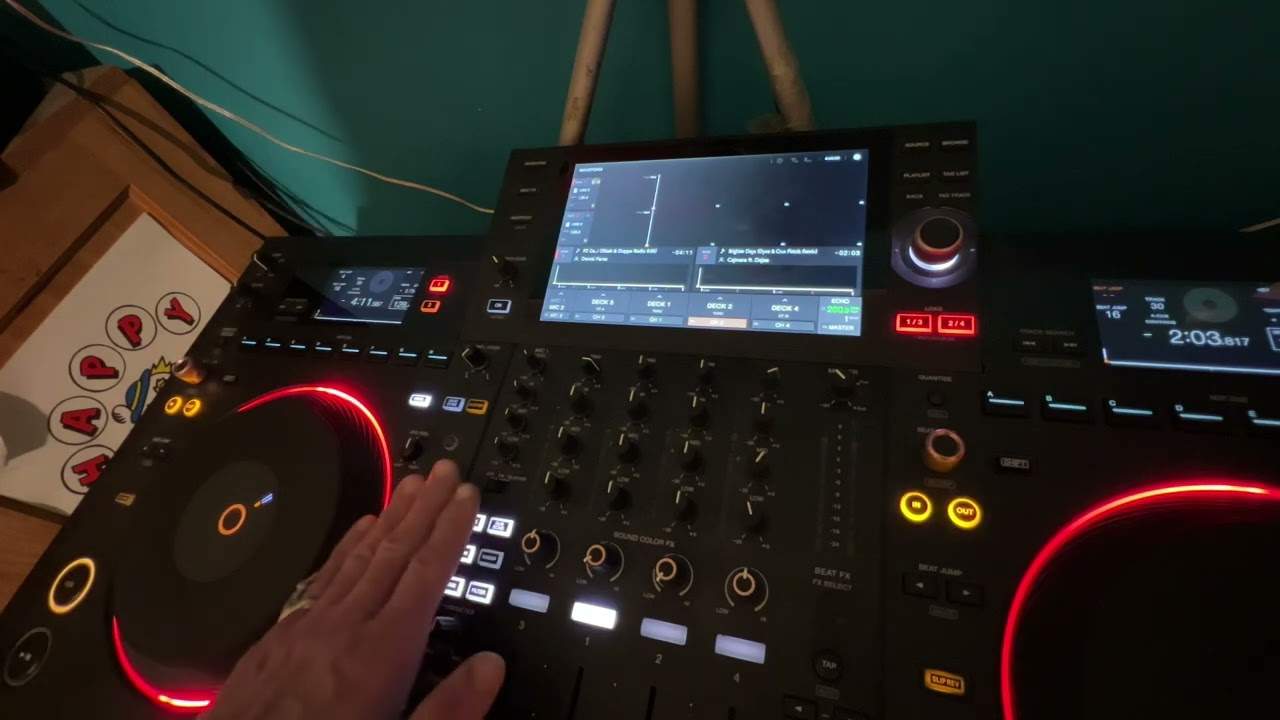
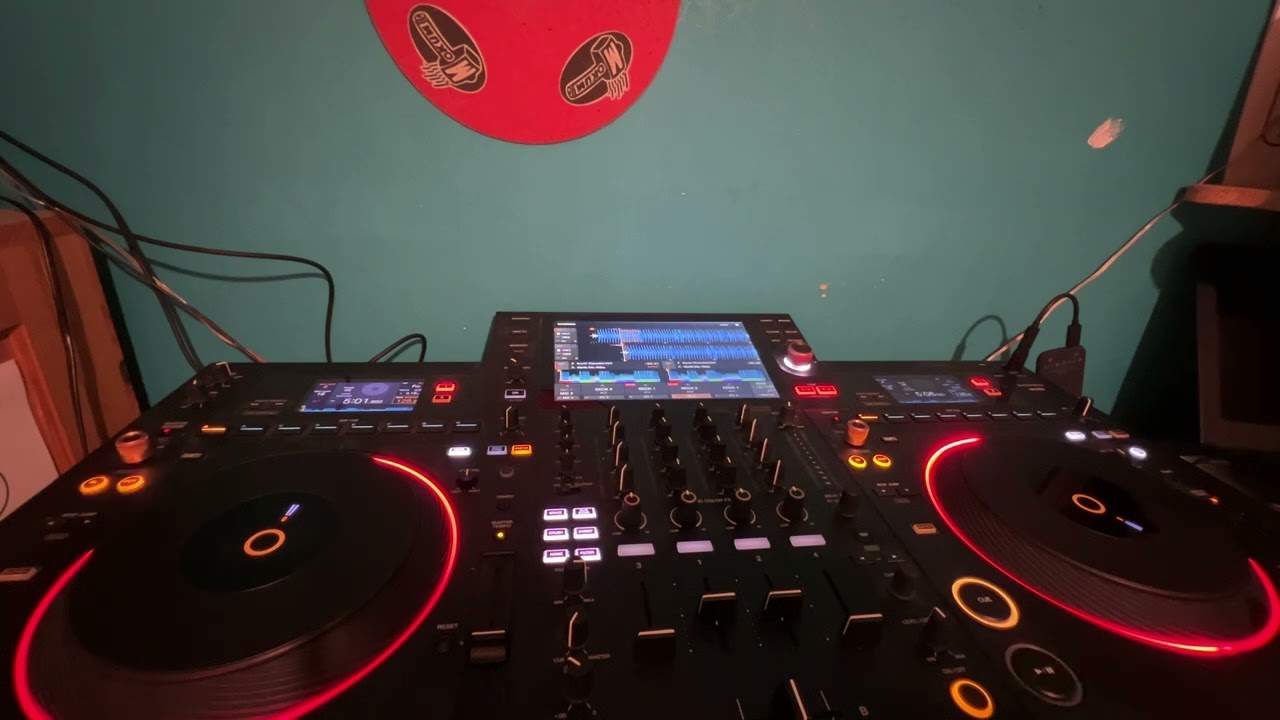
Okay, so this could be quite a long video, but it's all about maybe using a loop, definitely about phrase mixing. More importantly though, about how important hot cues can be for you and how they can help you. And a little visual sort of, a visual icon on knowing not only where you are in the track, but where to bring in the next song. I'm using a track here entitled Hot Harmony, it's from Karmic Power Records. You're listening to the original mix at the moment and on the other side I've got Hot Harmony, the club mix. There will be info on this track in the description and a big thank you to Mr Lenny Fontana for letting me use his tunes from Karmic Power Records. Now, I will be doing another video that will be in line with this on setting cue points, hot cues in the rekordbox software itself. And if you did or didn't know, you can set your cue points in the software and then once you've set them there, you can export that track, put it onto your hardware via a USB and then you can get those cue points onto the hardware.
So in other words, you don't have to do that. You don't have to set the cue points on the hardware. You can set them on the software and then they'll automatically come to the hardware for you. So you can set everything prior to, let's say, doing a live set. Okay, so let's press play on the beginning of the track. Bring the volume up. I'm just going to zoom in a little bit. Alright, so on the other side, the beginning of the track is ready to go.
1:57 Now, first of all, is can
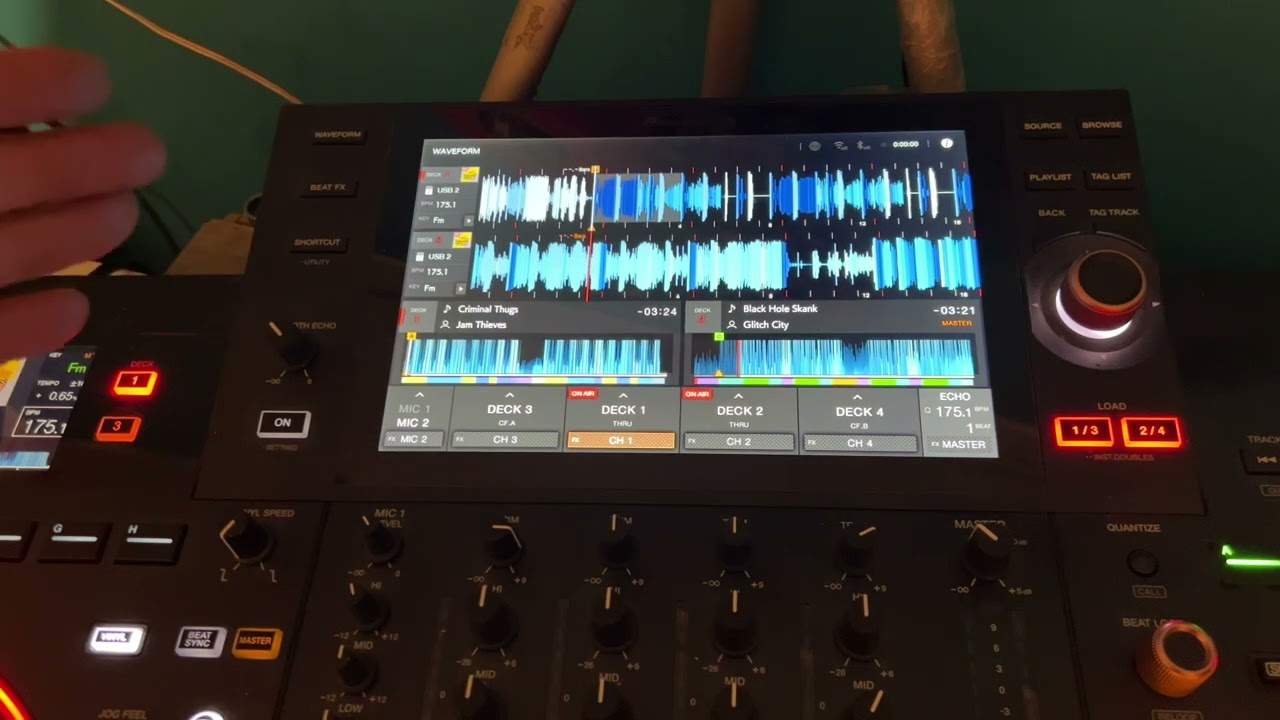
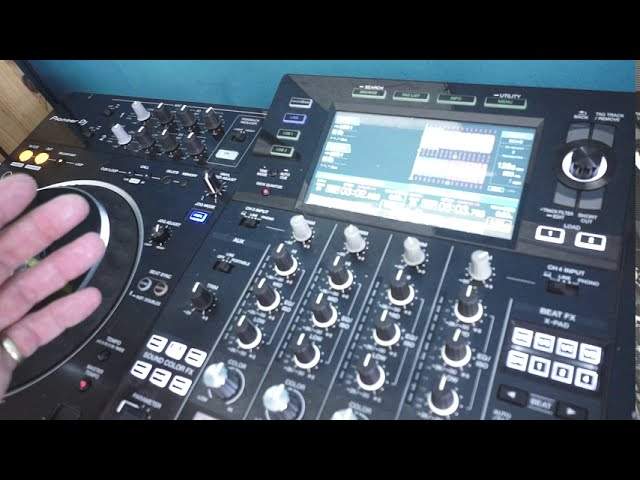
But what I'd like you to look at now, first of all, is can you see a slight colour difference in between the beginning of the track and around about where my thumb is? It seems to be sort of blue and then it seems to go slightly more red. So why is that? What does that mean? Well, that is telling me that there is a change in the music, a change in the track. So this could be a eureka moment for some of you if you're, let's say, looking at your laptop and all you can see is these wonderful colours. Okay. Well, what the software does, how it analyses the track, it not only analyses the track and gives you maybe the key, the BPM and of course the phrasing. But what it will do is the colours when they change, it's quite often a change in the music, a big change, the drop or maybe the instrumental break or maybe where the bass line starts.
4:05 Oh my counting, oh dear
And also it could be because there's a new phrase. So we can see there's slight blue from the beginning to about there. So let's press play and let's go to where it changes and let's see if we can hear a definite difference in between where it's gone from blue to red. So that's where my thumb is and that's where the white line's getting to now. Let's have a listen. Okay, so we had a bit of a bass line coming in there. So what I'm going to do, I'm going to set a hot cue there. Now let's go back to the beginning of the track. And let's count how many bars we've got before we get to that first hot cue that I've set. Here we go. One. Two. Three. Four. Five. Six. Seven. Eight. Eight bars. Alright, so from there now, I'm going to start counting until maybe the next change.
One. Two. Three. Five. Seven. Eight. Twelve. Thirteen. Fourteen. Fifteen. Sixteen. Seventeen. Eighteen. Nineteen. Twenty-one. Twenty. Twenty-one. Twenty-two. Twenty-three. Twenty-four. Twenty-three. And there! Oh my counting, oh dear. Ok, we had twenty-four. So 24 is a great number alright. So the likes of 2, 4, 8, 16, 24, 32. Wonderful numbers and that's what you'll find all the way around dance music. On a side note, you're more likely to find groups of 2s, and 4s and 8s in edited tracks from 3 1⁄2 minutes to 4 minutes. But then anything above four minutes to an extended version, you're more likely going to find 8, 16, 24 and 32. So from our second one, let's count from here to the next change. 1, 2, 3, 4, 5, 6, 7, 8.
There. OK. All right, so I want you to think about this now. All right, before I play any more music, let's imagine we are on a bus journey. Now, we're on a bus and we have a very, very straight road in front of us. There's no twists or bends. It goes on for miles and miles. And in the distance on the left-hand side or right-hand side, depending, of course, on which country you're in, we can see the first bus stop coming. OK, so as the bus moves forward, that bus stop is getting closer and closer. Now, we've got the option of stopping and getting off the bus, but we don't want to off the first one. But after the bus passes the first bus stop, in the distance, we can see another one. As the bus moves forward, we can see the bus stop getting closer and closer at the second one,
But we don't want to get off the second one. We want to get off at the third one. So as we pass the second one, we can now see the third one in the distance is getting closer and closer as the bus moves forward. And then we get off on the third one. OK? So I have just set three hot cues here and, believe it or not,
While the track is playing, it's exactly what's happening here. Our bus stop is getting closer and closer and we're ready to get off. And there we go. But we don't want to get off there. We want to get off the third one. So let's skip it forward a bit. Let's put a foot on the gas, on the petrol, on the accelerator. We get to the third one. Second one, sorry. Do we want to get off here? No. We want to get off on the third one.
7:31 You have to tell it when to stop
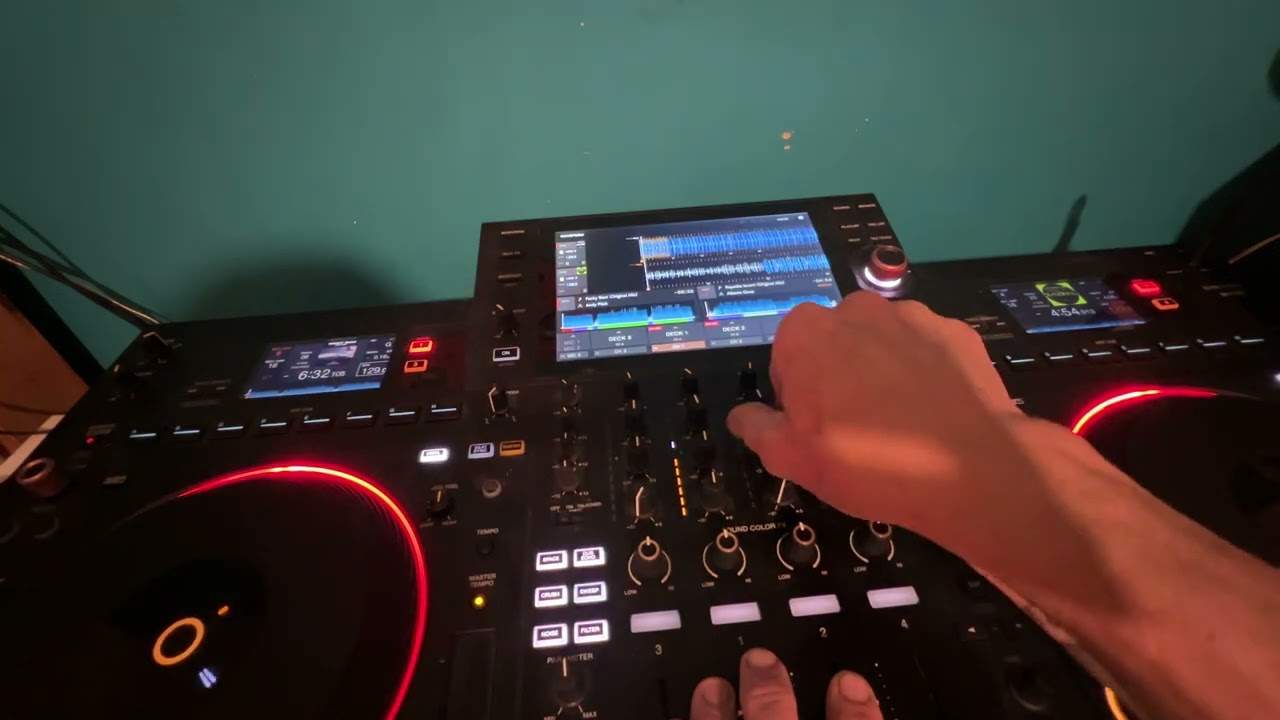
There's the third one. But of course, the question is, how do you know the exact point where you get off? Because if you're on that bus, you've got to say to the bus driver, I want to get off now because imagine the bus driver is just a machine and it doesn't know when to stop. You have to tell it when to stop. So the analogy here is, how do we know when to tell the next track to come in? I mean, you can't just all of a sudden press a random position on play on the other side if you're close to that hot cue. You want to make sure that when you press play on the other side, you are indeed on that hot cue. So how do you do that? Well again, it's all about counting bars and phrases. So if you ever look at the software,
9:03 Let's imagine we wanted to start this song here at the third hot cue
At the way format and you've done or you do as I have done here, you should be able to see that if you do set hot cues at the beginning of new phrases, there should be some sort of pattern distance in between the first, second, third and fourth. Now this pattern may be in actual distance as in measurement. So one measurement say could be for example four and the other one could be two. So if the one that's four is eight, then the one that's two is going to be four, if that makes sense. Four bars and eight bars because the one is half the size of the one and the other one or the second one is double the size of the first one. So if we look here from the beginning to our first hot cue, we've got a distance. That's eight bars.
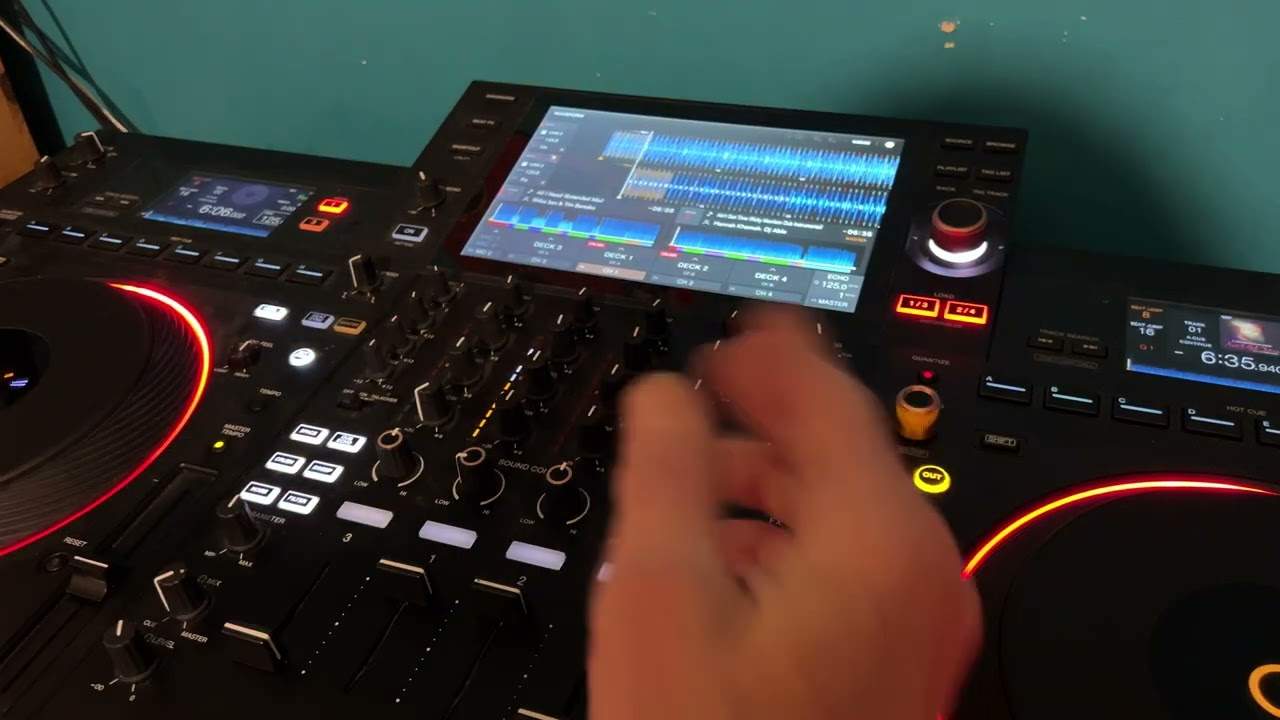
Then from the first to the second was 24 bars, which is just eight, eight and eight. And then from the second to the third is eight. So let's imagine we wanted to start this song here at the third hot cue. Now, we already know from the beginning to the first hot cue is eight and we can see that distance. So if we skip to the second one, we should be able to see from the second to the third is the same distance from the beginning to the first. We know from the first from the beginning, sorry to the first is eight bars. So we should be able to see from the second to the third is eight bars as well. So all you have to do is from the second start counting because we can hear that change, count eight bars and then start the second track.
So let's do that. So here we go. That's ready. One, two, three, four, five, six. Seven, eight.
There you go. So I hope that's been a help. Now this tune again, Hot Harmony from Karmic Power Records. There will be info on this in the description and a big shout thank you very much to the Karmic Power Record crew for letting me use their tunes. Practice and enjoy. Thank you.
This transcript was produced automatically from the audio of the video and may contain mistakes.