 7:02
How do you go from one genre of music to the other?
Contents of the video
0:00 This is a video response going out to Chocoboxy
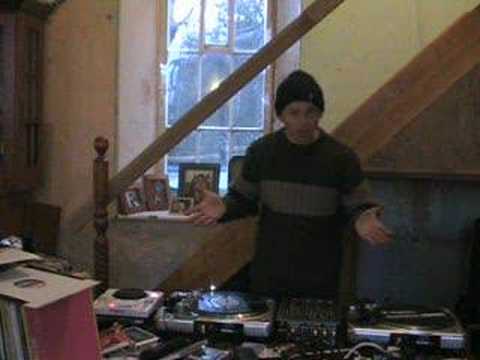
Alright folks, this is a video response going out to Chocoboxy. I think I've got that right. Now then, they thought about becoming a mobile DJ. Now then, very briefly, if let's say you're a club DJ or a radio DJ, quite often in a club you'll just play house, or you'll just play soul, or you'll just play R&B, or you'll just play techno. You haven't got to worry about different types of music. Same if you're a radio DJ, perhaps you've got your boxer records there, that's all you're going to play. But let's say all of a sudden they've asked you to do a set or be the DJ in the school disco, or in, let's say, the local youth club. Or let's say all of a sudden you've decided you want to be a mobile DJ and someone has phoned up and they've said we want you to do a wedding. Well, the thing is that in a wedding situation you have got age groups...
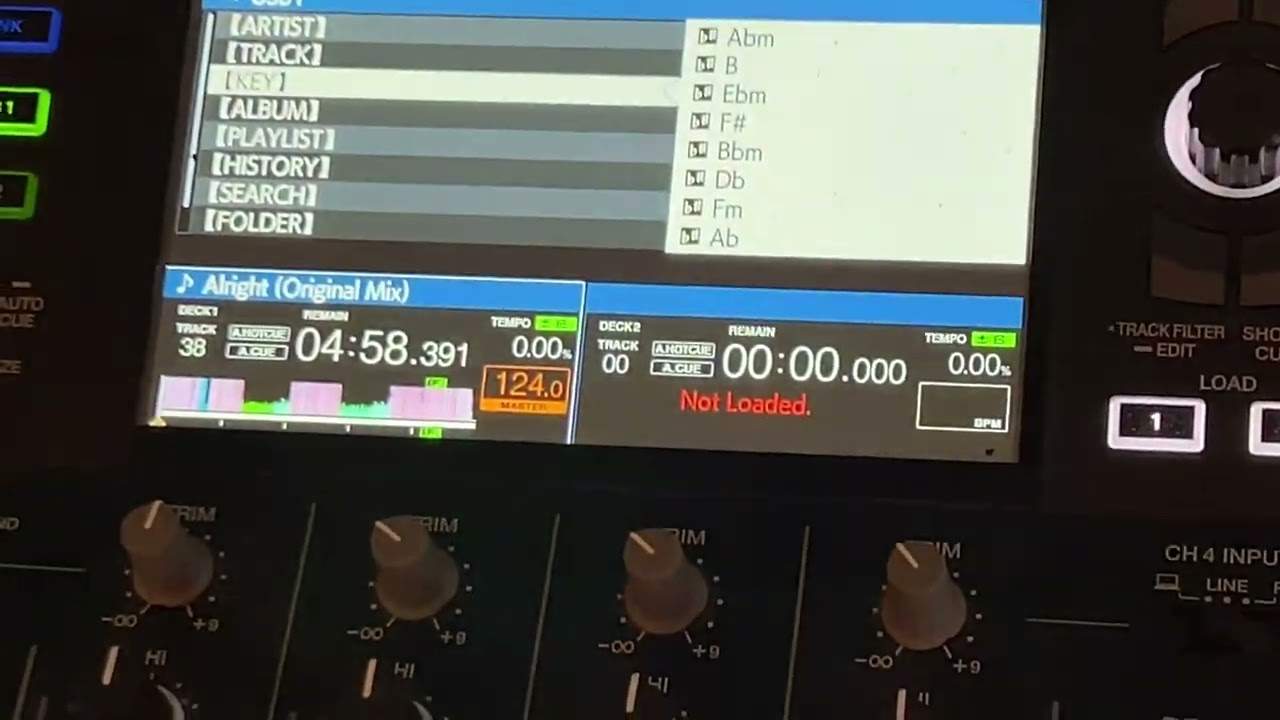
From zero up to dead. In other words, there's probably some gran and grandma or granddad that are 90 odd. Now they still want to listen to a bit of music. They might have to turn the hearing aid up though, or probably turn it down in my case. But anyway, but you've got a vast selection of people. So what this guy, this guy ladies on about is how do you go from one style of music to the other when you're trying to keep the atmosphere? Now then, of course sometimes you could play a song And even though maybe it's house and house, if you play the wrong house record after another house record, it could sound terrible. Quite often that is to do with the key change, with the harmonics. Now the same applies when you're going from one record to the other and they could be different genres. In other words, from house to soul or say from 60s to techno or let's say from trance to hip-hop. It can be done.
Believe me, it can be done. The only way it can be done correctly is to listen to the tone, the feel, the harmonics, the key of the music. Now then, I'll show you, right? Now these two songs are completely different, totally different genres, but they sound nice. They sound, they feel as though they should go together. Now what I'm going to be doing is this. I'm going to be playing the one which is a house song, which I did actually have the cover of it earlier on. Where the heck's that gone now? It's gone, it's gone. Hold on, I'll stop it and I'll take this out. You see this is live, I don't give a monkey's, we don't edit these things. But what I'm going to be using is a track by Mika, Love Today, it's the remixes, and it's on Casablanca, right? It's a bit of a good tune, alright? And then the other one, now that one is modern, that isn't even out in the stores yet, okay, the shops. The other one...
What we'll do is this one here. It's Thighs High, Grip Your Hips and Move. It's by Tom Brown and it's from 1980. So we've basically got 27 years in between the two songs. I'll play the first one and then I'll play Thighs High by Tom Brown. So this is the first one, alright? Check it out. What we'll do, I'll just wang it forward a little bit so you get a general idea, okay?
3:10 This is the other one, completely different
Now that is a bit of a funky tune, isn't it? I mean, that's the sort of thing that would get anyone pumping because it's a nice feel to it. Now this is the other one, completely different. Listen. Alright, it's totally different. If you listen to them, there's the same sort of key, there's the same feel to the music. So what you need to do to go from one to the other... You need not necessarily to mix them. You don't have to sit there and beatmix because one of the worst things in the world you can do is try and beatmix stuff. If you think it sounds alright but maybe you can't beatmix it, don't do it because it'll be like ka-dong, ka-dong. It'll be all over the place. Your best thing is to chop it one to the other. Bang! Straight away, in a split second, no mixing, one to the other and it doesn't matter.
4:38 All you do, the house songs go bam, bam, bam
If you do it this way, if one is at 130 BPM and the other one is say at 110 BPM or even 90 beats per minute. It's the fact that the music and the feel, they help each other along and they keep the same sort of feel. So what we'll do now is we'll get this one, we'll play the Mika and then I'll just get this one ready, the Tom Brown and we'll see what it sounds like. There, right here we go. I made sure I sort of got it on the beat, bam, bang, like that. Even when you're mixing in say an R&B song, the house, let's say for example the house sound, the house song that's playing and you want to mix an R&B song in next, the house tune is going dum, dum, dum, dum, whereas the R&B song is like dum, chh. Well all you do, the house songs go bam, bam, bam. If you watch the dancers, okay, the last thing you want them to do is go
I've seen people do it. I've seen it. Seriously, it's funny. But I've seen them. They're dancing away like this and all of a sudden they've gone, oh, oh. It's as though they've tripped over. But if you can make them do, da, da, da, and then you watch them and they'll do, ah, and then they'll just start doing this. It's almost like they stopped but they carried on dancing, alright? Another thing you'll find, which again, if you can't hear, you'll see it. If you've got a crowd full of people boogieing And you do play a record that maybe just doesn't feel the same with the other record you've just played, you'll actually see the crowd start to disappear. It's almost as though the atmosphere has just been changed, alright? Try this. Don't forget, you can even mix an electro song...
You can get a heavy metal song straight after a drum and bass song. You can get a heavy metal song straight after a classical song. So long as they sound right, so that's the main thing. I know I waffle, but I need to try and break it down and explain it as easily as possible. That's all you've got to think of. The melody, the key, the feel. If you listen to those and you think about those, you can't go wrong. Practice and enjoy.
This transcript was produced automatically from the audio of the video and may contain mistakes.