 21:15
How Hard Is It to Do a Spin Back in Time on a Controller or CDJ DJ
Contents of the video
0:00 Big shout out to Karmic Power Records for letting me use it
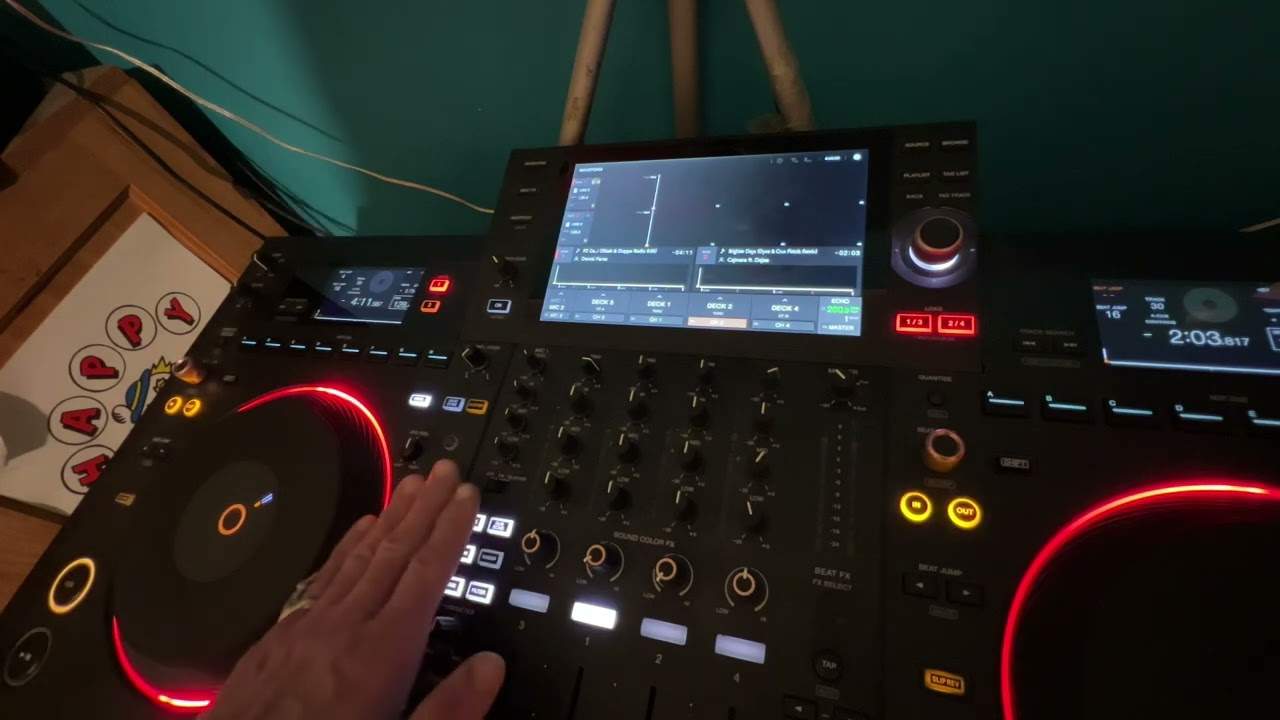
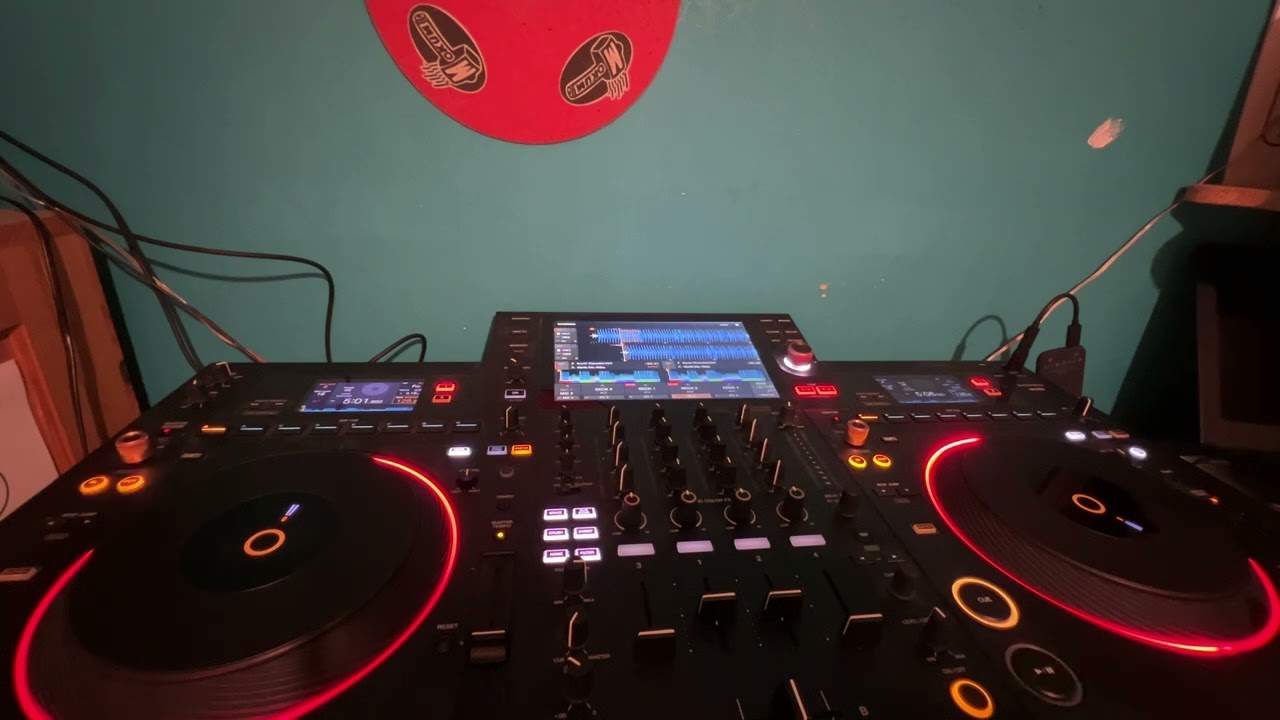
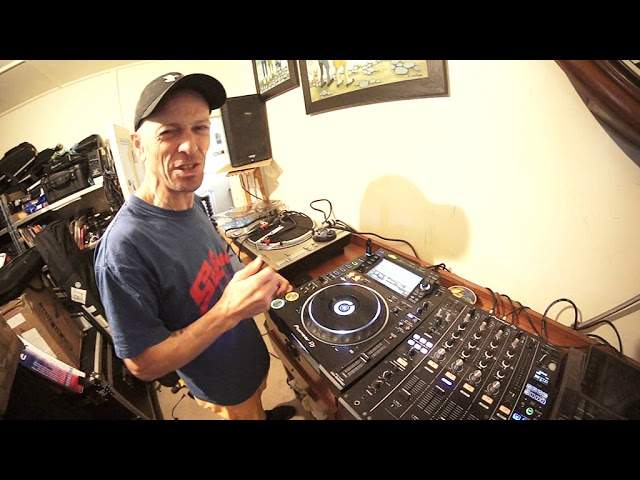
Right, let's talk spinbacks. Now first of all the tune I'm using is by Alex Inc and Pykart, a track entitled Free. Big shout out to Karmic Power Records for letting me use it. So we have here the platter also known as the jog wheel and there it is at the top of the CD player. Now you may be thinking well I do not have a CD player like this, I've got a controller. Well what I'm about to show you is pretty much The same, except for two main differences actually, depending on what you're using. Firstly, the jog wheel could be slightly smaller. Also, you may not have the jog adjust. So that's pretty much where it starts and finishes. Otherwise, everything I'm about to show you is pretty much going to be exactly the same.
If you say, I don't know, watch a few videos from back in the day when everyone had vinyl turntables and you heard someone do a spin back then that's hopefully what we're going to emulate today. We're going to do something exactly the same, just spin back and all of a sudden you hear that kind of sound. Do that again, I like that. Warmed up. Like that. Let's play the tune. This is free, this is the original mix. Put your hands up in the air, put your hands up in the air. What I'm going to do now is just a spin back. Have a listen. Amazing, eh? It's a spin back. Believe it or not, that's the first thing I'd like you to practice and try. Just spin it back. This is about you getting used to not being shy. Don't be shy, promise. That, don't be shy. Otherwise I'll come around there and smack you one. Not really, probably a long way. Right, so just don't be shy. Use it. Of course, don't abuse it. You've got to remember it's still a piece of machinery and you can't start whacking it with a hammer. But...
2:47 What that does, it just makes sure that your hands are moist
Don't be scared. So, again, just start. I'm going to wet my fingers a little bit. I will explain in a bit. Back in the day, scratch turntablists on vinyl, using vinyl, even now to this day, what they might do is A, you may see them just wet their fingers or they may have some kind of cream on the fingers. Now, what that does, it just makes sure that your hands are moist. And you don't want them sticky, not at all. But if they're very dry, then you're not going to have much grip. You've got to have some form of grip on there so you can physically hold and pull back. You don't want to hold and slip. You want to make sure that when you put your fingers on the top of the jog wheel, you are touching and you're pulling back, not, oh dear, you're misjudging and the turntable's that way and you're this way and everything's going...
Sorry, right, okay. So that's the first thing you've got to... Okay, right, so the first thing is just... Now if you have like this, you've got the jog adjust, what you need to do then is actually before or after, it doesn't really matter, is set the jog adjust so it feels comfortable for you to begin with. Now there is good reason for the jog adjust. Because over time, if you're not used to it, you may find that if you want to do a spin back, you may want to set it to lighter. So you get more of a spin back. Alternatively, if you just want to spin it back and move it so it just turns half a turn, a quarter or not a lot. Not a lot. Not a lot. That's an old one. Nothing, nothing. Sorry, not a lot. Oh dear, don't start. Oh God, just get on with it, don't start. Sorry. Right. Then what you do is you just set it. Oh no, I don't want to start this again. You just set it. How it feels. So for example, if I set it to light, have a listen. It will spin back quite a bit. If I set it to heavy...
5:27 Of course the first
Not much, but of course if it's set to heavy and you give it a real good tug, it's going to be the equivalent of just giving it a light pullback and set to light. Right, okay, so I'm going to put that there. So of course the first... God, this is mad, isn't it? What you can do. I just thought I'll just do a quick video on spinbacks. My God, five hours later. But anyway, let's get in depth. Okay, so... First one is just spin it back, don't be shy. Anywhere, anywhere. Just spin it back, get used to it. Because what you're doing is you're getting used to the sound, you're getting used to the feel and you are getting used to you spinning it back and not going, I can't do that because it'll look stupid and sound amazingly daft. No, that's wrong, isn't it? I'll look amazingly daft and it'll sound stupid. You see, I'm less to six, so I can't spell to save my wife. Thank God. I wouldn't want to anyway.
Last one. Naughty. Right, okay, so the first thing, spin back. Any time, any place. Any time, any place, anywhere. Just spin it. Just turn off for God's sake. Right, so that's it. But of course, if you're spinning back anywhere, it's not going to make any sense. It's just going to be like, I'm just laughing at myself, I'm by myself. Have a listen. There's nobody else here except me and me. I'm really... Oh God. Alright, so that's fine just spinning it back. But then what you need to do then is make sure that you need to spin back in time. Oh dear. So what I'm going to do now, I'm going to set a hot cue on the one there. Listen. There. Good reason for that. So that's my timing. So what I'm going to do, I'm going to spin back on the one, on the four.
7:40 First and I will explain exactly
Yeah, on the four. And then I'm going to hit that hot cue. All right? I'll show you first and I will explain exactly what I'm doing and what's going on. Right, so here we go. Just press play or press hot cue. Okay, so what I'm doing, I'm spinning back on the four, catching it to stop it and then hitting the hot cue. Takes a bit of practice but what's happening is it's keeping time. Now if I don't... Stop it, let's have a listen. Now being light means that you can spin it back quite a bit and it will carry on going when it's set to light. Of course if I hit the hot cue, the hot cue doesn't do anything but as soon as I start moving the jog adjusts to the heavier, but I nearly said harder then. Light, heavy, hard. Done that.
So what you need to make sure is of course the jog adjust to make sure you set that correctly and of course what I did then is I was doing that in time one two three spin back stop start again on the one on your hot cue now you may think why bother doing this a bit laborious isn't it but it's like anything it's that repetitive motion of getting used to it and also you getting That's all well and good with a controller like, sorry, CDJ like this, but if you've got a controller, you don't have the jog adjust. Now this is why it's a very good, it's the reason, the reason why you hit the hot cue because it means then that you will snap the track back in time. Now if you think about it, pure logic, if you do a spin back, it may stop.
10:32 I'll explain that in a bit
At any point during the track, it could stop anywhere, which means when people are dancing, they're dancing in time to begin with. One, two, three, four. One, two, three, four. And then you do a spin back. One, two, three, four, seven, three, six, five, eight. And it could be anywhere. So by hitting the hot cue, it means that it will be exactly in time. But there is something else. Modern day technology has always brought something else out. I'll explain that in a bit. So again, let's forget that hot cue and let's all of a sudden just spin back, even with the jog adjust now set to halfway 12 o'clock. So press there... See? It's not in time! really what you're doing is you're having a spin back and you're getting the track out of time now there is another way around this because it's not just as simple as spinning back what you can do is you can have your other track playing on the other side so let's imagine for example now we have our track here and that's the track playing
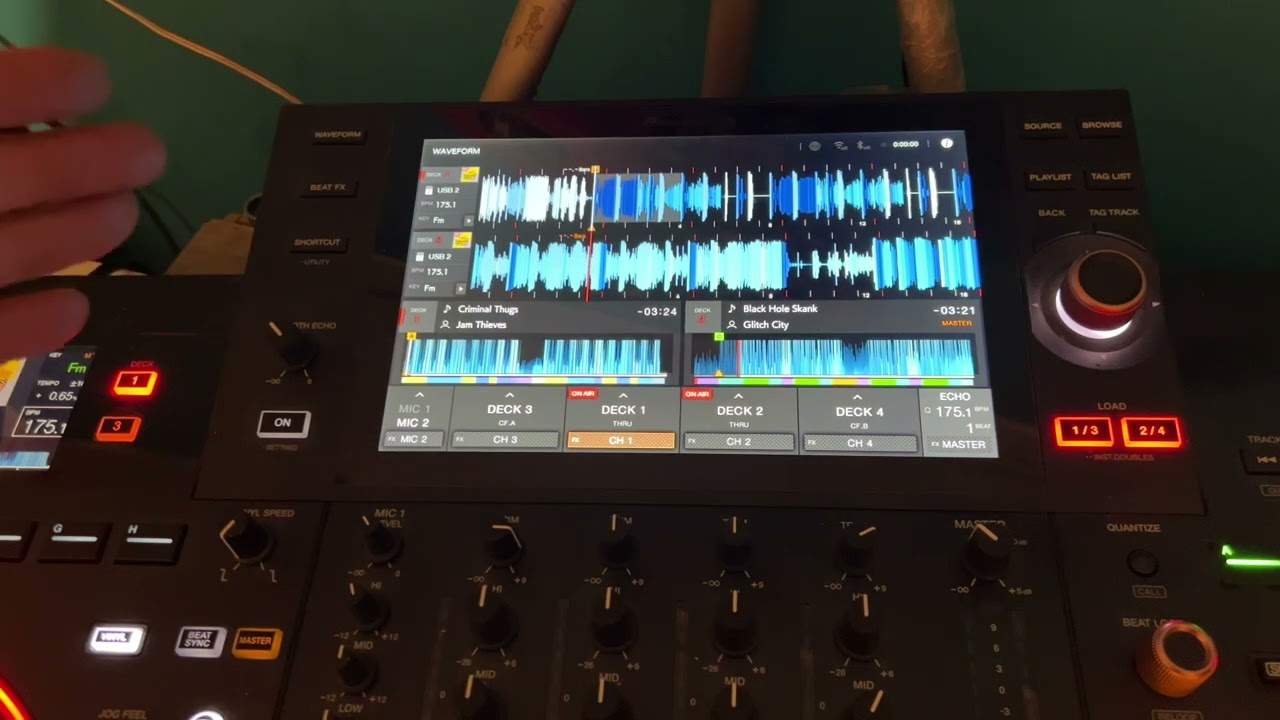
We have our other track on the other side playing in time with that track, but you can't hear this song of course because the crossfade is on this side. So what you do is this track is playing, the other side is in time with this track, bars, phrases, key and so on and so on, and then when you spin that back... Crossfade straight over to that side, so that side now has taken place of the timing of this side. Alright? What do you want me to show you? I'll show you then. Suss and Frussen, Frussen, Cussen, Suss and Frussen, Russen. Okay, so if I just put the pitch dead centre, I'll do this very quickly to show you. Pitch dead centre, make sure they're just... What I'm going to do, I'm going to use the same...
Track it's just linking up now so let's just do that and hopefully it won't take forever okay it is uh no link and we're on that one that one and we're on that one okay so load it up so if i just go back to the beginning of that track there okay so and i go to the beginning of the same track so i'm going to be Doing the spin back at a different position, but exactly what I explained earlier on is precisely what I will do right now. So they're out of time. They wouldn't have been out of time if you'd followed that procedure of just going straight over. So I'll do that again. Here we go. That one. And press play on both of them. One, two, three, four. In fact, let's try a spin back first of all on this side and leave it.
13:58 We can hear they're out of time
And see how much it is actually out of time there because they're both the same speed. And if I do, just to make sure, if I do master and sync, that's just going to keep them in time no matter what. Alright, so let's do a spin back. We can hear they're out of time. Okay, so let's do exactly the same thing now but this time instead of having them both play together, the spin back on this side, switch over. And of course then we will have the same timing, but instead of letting the left hand carry on playing, and that's the deck we would have done the spin back on, we're shifting over to the right hand side that will carry on with exactly the correct time signature. So, two, three, four. There. Let's have a listen. See? So you can hear they're both out of time. Alright.
16:14 It's almost like you're moulding something
So, with a spin back as well, now what I did there, I spun it back on the 4. So, if we think of a bar, 1, 2, bar, bar, 1, 2, 3, 4. If we spin back on the 4, we need to make sure we bring it in on the 1. Or do we? Well, we don't really have to. So long as the tracks are in time and you're in time, you can pretty much start the spin back. Anywhere or stop it anywhere so long as the track that you're bringing in or your cue point that you press is in time with the structure of the track. Now I can show you that as well, so if we just put the camera there and I'm going to put the jog adjust a little bit lighter to give me a little bit more play on the platter itself. Now again what I'm going to do, I'm just going to make sure I've got a hot cue. 4 1 2 3 4 1 2 3 4 1 2 3 4 1 2 3 4 1 2 3 4 1 2 3 4 and 1 2 3 4 1 2 3 4 1 2 3 4 1 2 3 4 1 2 3 4
What I try to do, again it's a technique that needs a bit of practice. The turntable is spinning back quite a bit and then I sort of slowed it down. It's almost like you're moulding something. You just, oh baby, I just want to do this. Sorry about that. You just almost, you go in with the flow. You're just following the energy of the tracks. Like that and then hit that hot cue and you bang on the money. Now of course... There's something else, there's something called slip mode. Now if you're in slip mode, do you know what? You don't have to worry much at all because as soon as you stop the jog wheel it will bang straight back into time because what's happening with slip mode, if you don't know by now, you probably don't, a lot of people don't so I will explain. While the track is playing whatever you do
18:27 I hope that makes sense
On that jog wheel, whether you turn it backwards, forwards or whatever, as soon as you stop the motion that you're doing, the underlying track will carry on playing from the position it would have been or it will be as it's playing. So for example... If the track is playing 1, 2, 3, 4, 5 and you spin back without slip mode engaged on 3, so you go 3, 2, 1, then the track will start off at 1 again. 1, 2, 3, 4, 5. With slip mode engaged, if the track is playing 1, 2, 3 and you spin back to 2, then you're only spin backing... One, what will happen, the track itself will carry on playing so when you stop it will actually be at 5. I hope that makes sense. Right, so here we go. Let me give you a demonstration. One more time. There. Now again, it's an easy way of doing a spin back but what I would recommend if you're doing a spin back in slip mode, try and make sure that your spin back is still...
In time with the track because if it isn't, it will still be in time but it sounds better if you make sure that you stop whatever you're doing on the jog wheel in time with the underlying track anyway. Now this is where your natural metronome comes in because when you do a spin back you can't hear the track so it's up to you then to make sure that you've got that Thank you very much for watching. Please don't. If you want some one-to-one lessons by myself, Jonathan, then there is an email in the description and the lessons can be through Skype or actually Facebook PM, private message. It's one-to-one. I have a webcam, a WEM cam. When you smile, when you smile at me. Oh, oh, what? That's a bit of an old one. That is a Carlin Twins. 50s, God.
So I have a wide angle webcam on the kit and you have a camera on your kit. You can hear and see what I do and vice versa. And the lessons are strictly confidential. I never give any information out on anyone at all. And you can have one lesson or you can have book five if you want to. In having some lessons on CDJs, some mixers, vinyl turntables, controllers or fish, then give me a call. Practice and enjoy. Thank you very much.
This transcript was produced automatically from the audio of the video and may contain mistakes.