 8:37
How to cut and chop DJ Tutorial.
Contents of the video
0:00 In this tutorial we're going to be looking at chopping or editing the
Alright folks, in this tutorial we're going to be looking at chopping or editing the tracks. Now, there's loads of ways of describing it, loads of names for this particular type of move. You can call it what you want at the end of the day. There's no one who can actually say it's this name or that name. If you want to, you could just call it washing up or mowing the lawn or drying your hair. Exactly. Right, so first of all the tracks I'm going to be using, we've got this bit of a classic track here. It's from Progress Funk, it's track entitled Around My Brain. It's on deconstruction and I'm going to be playing the White Funky Island mix. Let's have a quick listen. Here we go. Now there's one reason why I actually got this particular track. It does work well with the other one but more importantly it's a slightly different kind of genre. This is more sort of breakbeaty as opposed to this guy here which is Wiley. Now very quickly as well, what I've done...
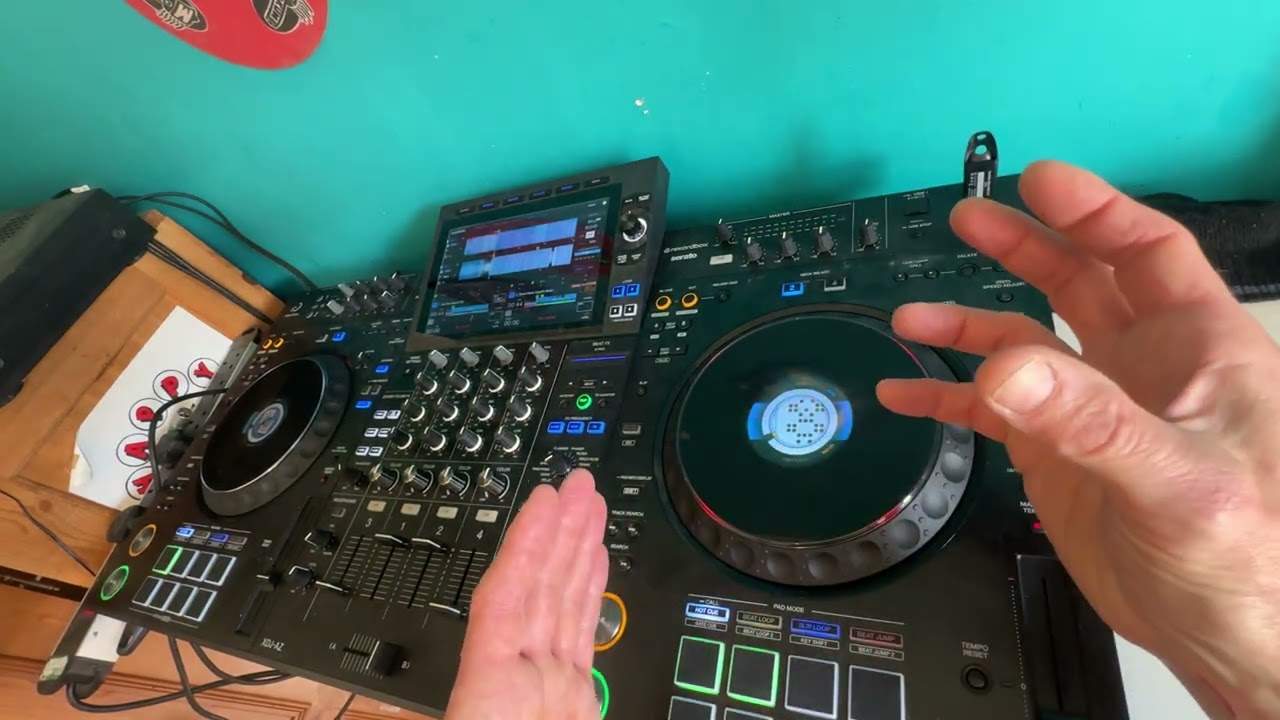
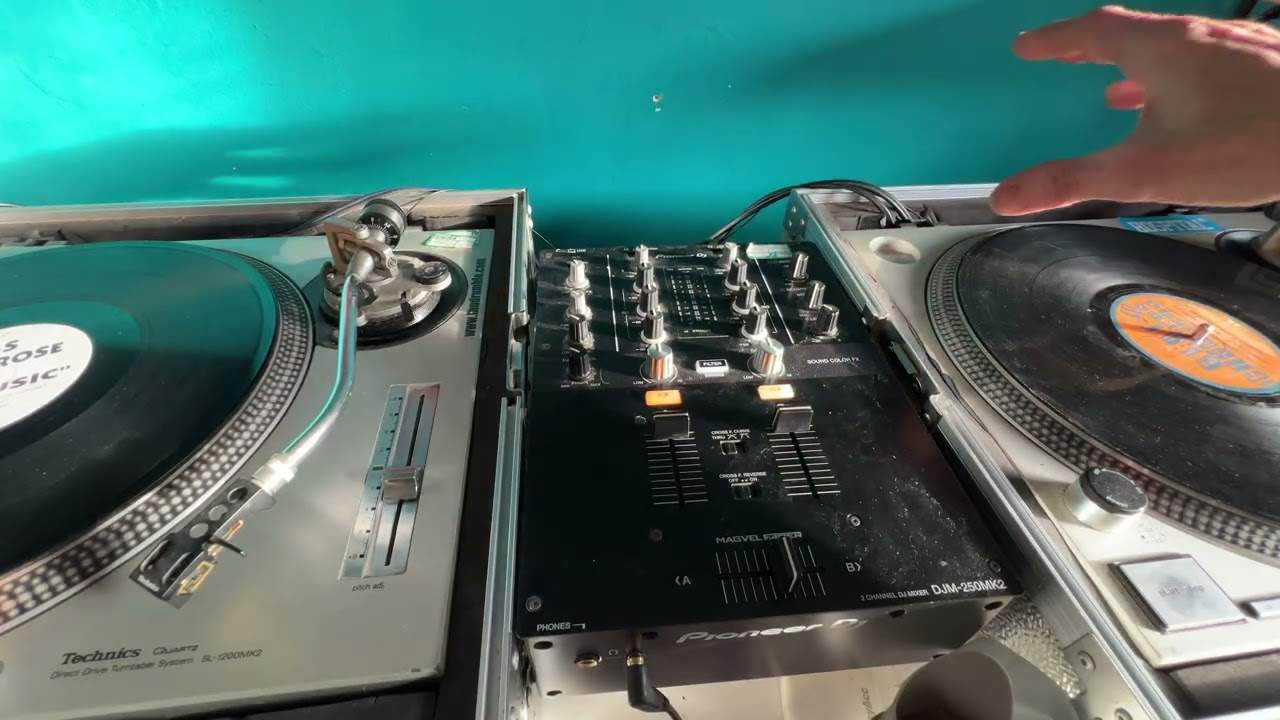
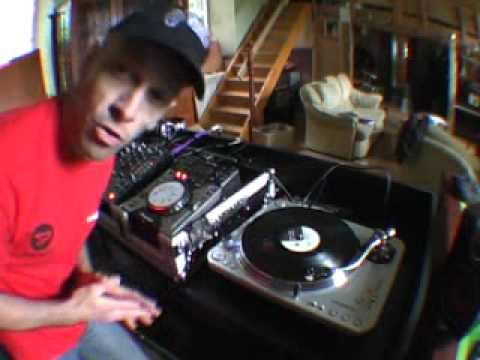
Because I've got the wide angle lens on the camera, I'm actually using this turntable on the right hand side of the mixer and this CD player on the left hand side of the mixer. So I've still got the crossfade working, the only difference being is we're not going right left with mixer in the middle, we're actually going right left with... Two actual players on the right hand side. Now there's a guy called DJ Cheese and he won the Scratch Turntablist finals in the 80s, and that's what he actually did. He actually had two players on one side, so you can do it. So in a sense, your right hand will be using the actual players and your left hand will just be using crossfade like that. That's by the by. Alright, let's play the other track which is Wiley, Where Am I Rolex? I'll just wang it forward a little bit.
2:05 We've got more of a fast bam, bam, bam, house beat
Okay, so we've got more of a fast bam, bam, bam, house beat. Now this one first of all definitely needs to be slower. Now I've got master tempo key lock on this one, so the actual sound of the track will stay exactly the same, the only difference being I will be able to reduce the speed and keep the same sound. Let's just have a quick listen with and without master tempo. You can hear it drop. This is with master tempo. Right, the first thing I need to do is beatmatch them. So I'll do this live, we'll have the crossfade in the centre, I'll get the beginning of this track here. Now what I'm going to start to do now is concentrate on actually counting the bars. 1, 2, 3, 4, 1, 2, 3, 4. Now let's have a listen to this track and I'm going to count the bars while I'm actually listening to the track from that point where the actual breakbeat sound comes in. 1, 2, 3, 4, 1, 2, 3, 4, 1, 2, 3, 4.
Alright, why on earth was I doing that? Well, we were counting 1, 2, 3, 4. Now the whole idea of explaining that was you don't just have to bring this track in on the count of just say 4 or you don't just have to bring this guy in on just say the count of 1. You can actually bring this guy in any time and you don't have to just bring it in 1, 1, 1, 1. You can bring it in on the count of 1 first then on the count of 2, 3. Then, say, on the count of four. It's all about experimenting and listening to the actual track. Let's have a listen to it again. Also, we've got the bass beat and the high beat. Alright, there's loads going in between as well. Like so. Now, you see, the thing is that I can explain this with this record going into that track.
5:24 There's no real first thing
But, you could get two tracks and it would be completely different. It's about listening to the music and in a sense the music will tell you what it wants to do. I know that sounds really bizarre for anyone out there who's maybe a first time DJ but over a period of time when you get used to your individual tracks you'll think, huh, that sounds good with that and maybe I can mix that with that and maybe I can do this with that and that with this because I get people asking me where do I mix it in? How should I mix it in? Which Which EQ should I turn down first? Well, there's no real first thing to do. It's not a case of you've got to do that first, you have to do that second and you've got to do that perhaps in the middle. It's absolutely open. You can do what you want, when you want, just so long as you are in tune with the music. So what I'm going to do now, play that, we'll bung this one in and we'll see what it sounds like. Right, I'll put the headphones on as well.
So we'll play the whining track. It's a bit dodgy so I'm going to be quite careful with that. Sir, I'm ready on the crossfade! Without having a bit of fun messing around, I will do more demonstrations and tutorials on this sort of thing, but sometimes mixing is not all about gliding one track into the other. Mixing is about cutting, chopping and having a bit of fun. Practice and enjoy.
This transcript was produced automatically from the audio of the video and may contain mistakes.