 8:53
How to Extend Your DnB Edit to a Full on Extended DJ Re Mix
Contents of the video
0:00 How you can extend a track
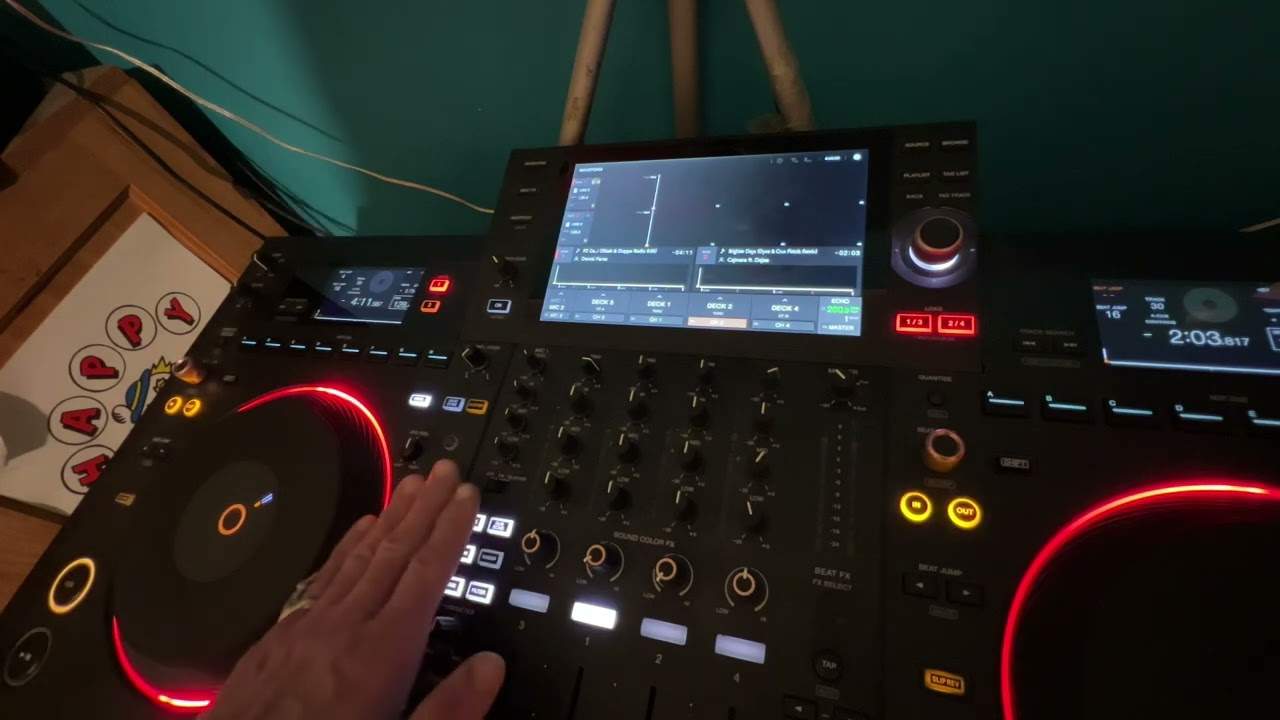
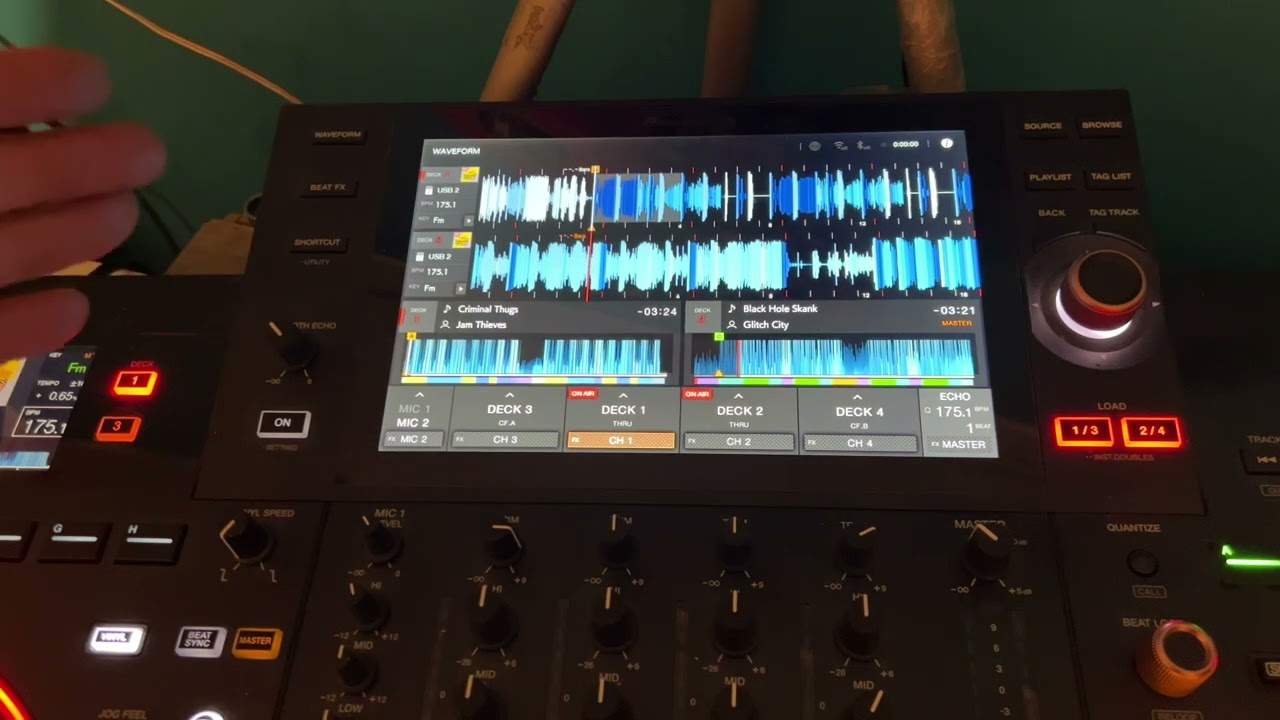
Right, ladies and gentlemen, we've got a tuner here from Metric Graphics track entitled Overdrive. It's from Hospital Records. Again, if you want any info, please check out the link in the description. And as ever, a very big thank you to Hospital Records for letting me use their tunes. All right, so what we're going to do is, I mean, basically, I'm going to show you how you can extend a track. But the best way of making a short track long, and believe me there are wrong ways and also there are definitely right ways. Now this track here is 4 minutes 41 seconds, so really it's almost like in between. If you listen to any radio track and count... Or, you know, have a stopwatch. You'll find that generally the tracks on radio, commercial radio, daytime are played for about three and a half minutes, whereas your extended is more like five and a half, six, seven minutes. So four minutes 41, it's not really radio, but it's not quite the extended. It's sort of like it's stuck in the middle somewhere, but how can we make it an extended?
2:26 There is actual structure with the melody, with the bassline, with the
Using loops. But again, you have to be very careful because if you use them incorrectly, it's going to sound shit. And I'll show you. Right, so let's play the tune. Very powerful track this. There's all the DMV heads out there. Pretty bored of it. There's nothing wrong with that, but there's also nothing right with it. Now, can you imagine if I played this loop now for, let's say, two or three minutes? You turn off. It would be repetitive. Now, when a producer makes a track, I'm just going to get rid of that. When a producer makes a track, he or she will make sure that the track, beginning, end, middle, phrases, melody begins, melody finishes, beat starts, beat finishes, bassline starts, bassline finishes. But they don't just think of random places.
4:11 I'm just going to press play there, alright?
There will be structure behind that, but also inside the structure of the bassline, the melody and so on. There is actual structure with the melody, with the bassline, with the vocals. For example, vocals, chorus verse, chorus verse. You don't hear, well very rarely, but you don't randomly hear people just talking all over the place. Even if you do hear that as in a track with hi, hello, ooh, ah, there will be structure there as well. Okay, and we've got to change again. Now, we definitely had sections inside that phrase and every time we had a section there was a slight kind of variation to it. If you listen closely you'll hear it.
6:07 Based on that structure, that's how I made my loop
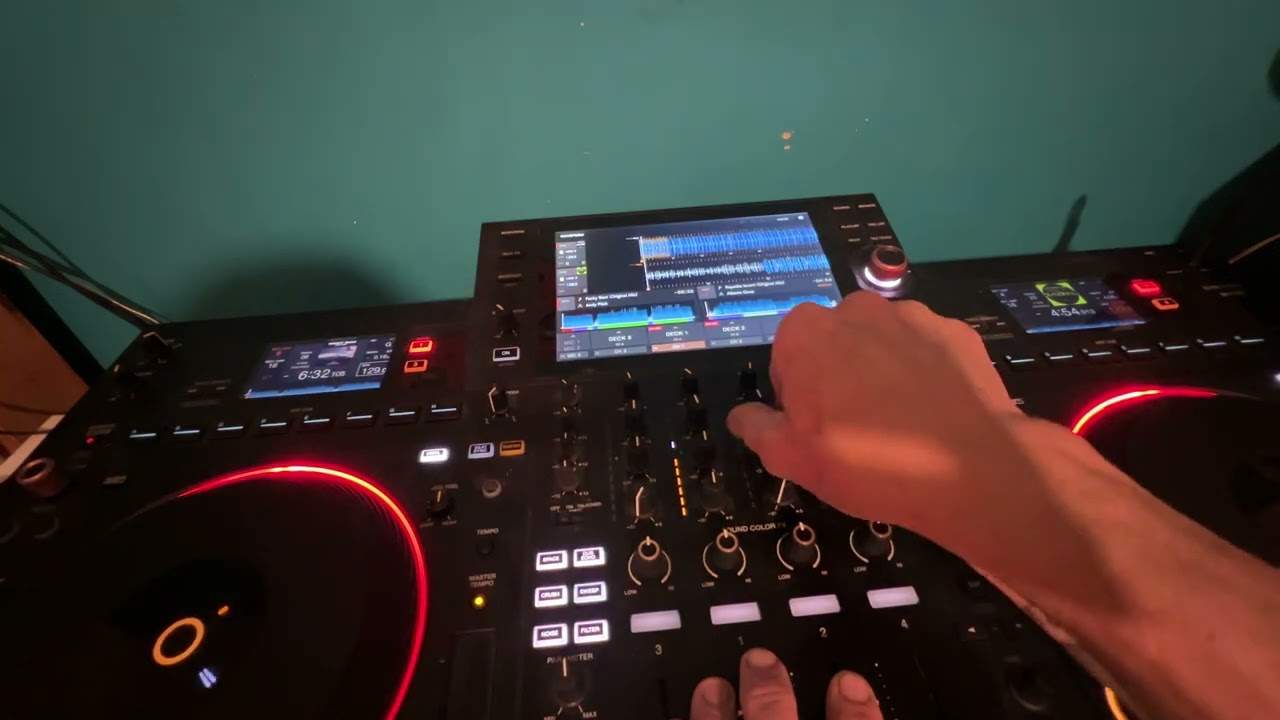
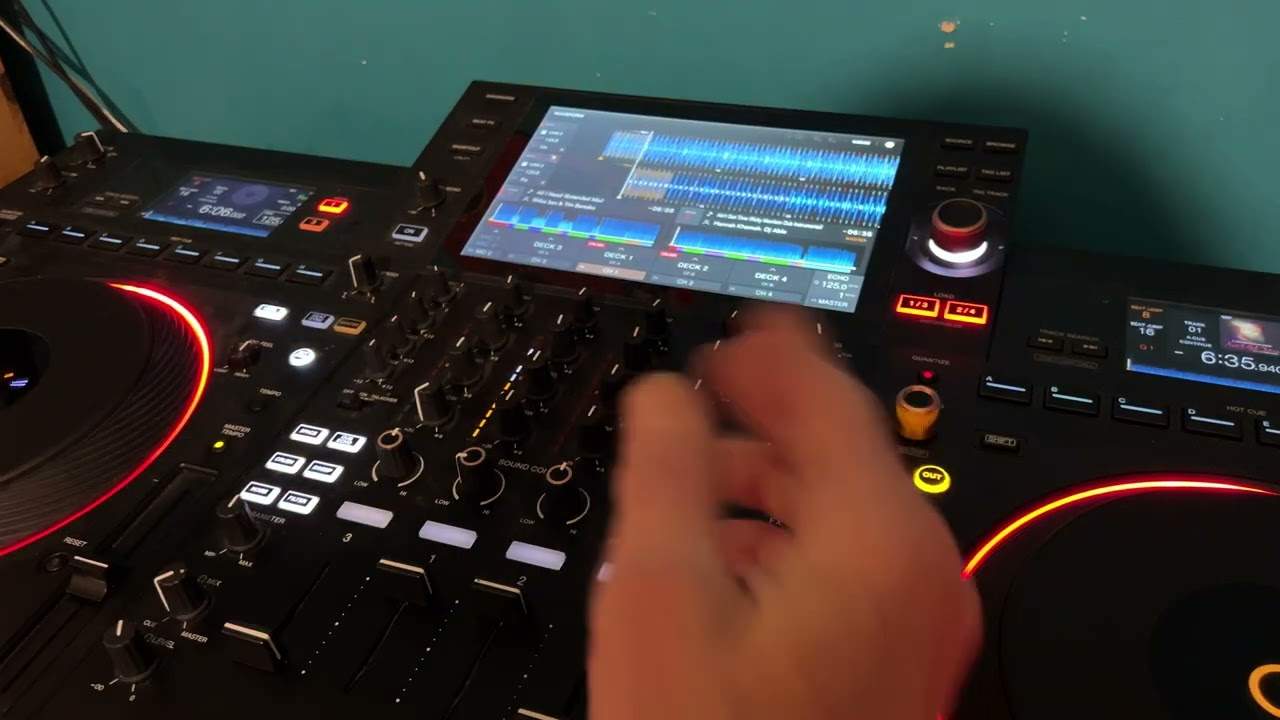
But this time I'm going to form a loop that does not sound repetitive, alright? So I'm just going to press play there, alright? Now again I'm not using rekordbox so it's not going to be perfectly in beat. Now there's my loop. If I want to make it sound even less, listen. Now what I did is I listened to the structure of the track. Based on that structure, that's how I made my loop. So I'm going to put that there. Let's come out of that. Get rid of that hot cue. My second loop. Start again. Let's use my three loops now. Again because I'm not using rekordbox but I hope you get the idea. Alright so really what we've done here in this video is we've taken a track If you're going to do loops like this, don't play them three times or five times. Keep into the structure of phrasing and play them twice.
Thanks for watching. Practice and enjoy. Thank you.
This transcript was produced automatically from the audio of the video and may contain mistakes.