 6:59
Setting up an active speaker
On YouTube this video is called How to set an active speaker( speaker with a built in amp)
What this lesson teaches
The most useful seven minutes in the whole stage, because it is a procedure rather than an explanation, and following it will make a cheap system sound better than an expensive one set up badly.
What an active speaker is
An ordinary speaker is drivers and a passive crossover, and nothing else. An active speaker has one or more amplifiers built in, so it needs two things: mains power and a signal.
The advantage, covered more fully in a later lesson, is that the internal amp is matched to the drivers by the manufacturer. The disadvantage is that you can still destroy it by feeding it a bad signal, which is what the procedure prevents.
The procedure
In order, and the order is the point.
1. Mixer EQ flat. Bass, mid and treble at twelve o'clock. You cannot judge a level through an EQ curve you have not justified yet.
2. Gain from zero. Start with the channel gain fully down and bring it up with the record playing, watching the meters. You want it tapping the amber - not sitting in it, not reaching the red.
His phrase for the red: red is dead. A channel that lives in the red may sound exciting to you behind the decks and sounds like distortion to everybody else in the room.
3. Master the same way. Up until it taps the amber. The master controls everything downstream, so it has to be right before anything after it is judged.
4. Only now the speaker. With the powered cab's own volume at zero, bring it up until the system is as loud as you will ever want it all evening.
Why the speaker gets set loud and then left
This is the part that sounds wrong and is right.
You have just set the speaker so that a healthy signal from the mixer - amber, not red - produces the maximum volume you will need. That is the speaker's ceiling, and it is now correct for the night.
From then on you run the evening from the mixer's master: low early on while people arrive, up a bit as it fills, up again, and eventually wide open when the floor is going. Every one of those settings is a clean signal being amplified by a correctly set speaker.
The alternative - which is what most people do - is to set the mixer wide open from the start and control the volume at the speaker. That works, and he says some people prefer it. What it costs you is the fine control: the mixer's master is within reach and the speaker's volume knob is across the room behind a crowd.
Keep the speaker's EQ flat too
Powered cabs usually have their own bass and treble controls. His recommendation: leave them at twelve o'clock.
The reasoning is practical. Boost the bass on the speaker, forget you did it, then boost the bass on the mixer later in the night, and you have applied it twice. Keep the tone shaping in one place - the mixer, where you are standing - and the system stays predictable.
What this buys you
His claim: a system set up this way is far less likely to be damaged by misuse. Most powered speakers have limiters and peak indicators to protect themselves, but protection circuitry is a net, not a plan.
Watch the meters, listen to the speaker, and the net never gets used.
Contents of the video
0:00 First of all, what is an active speaker system?
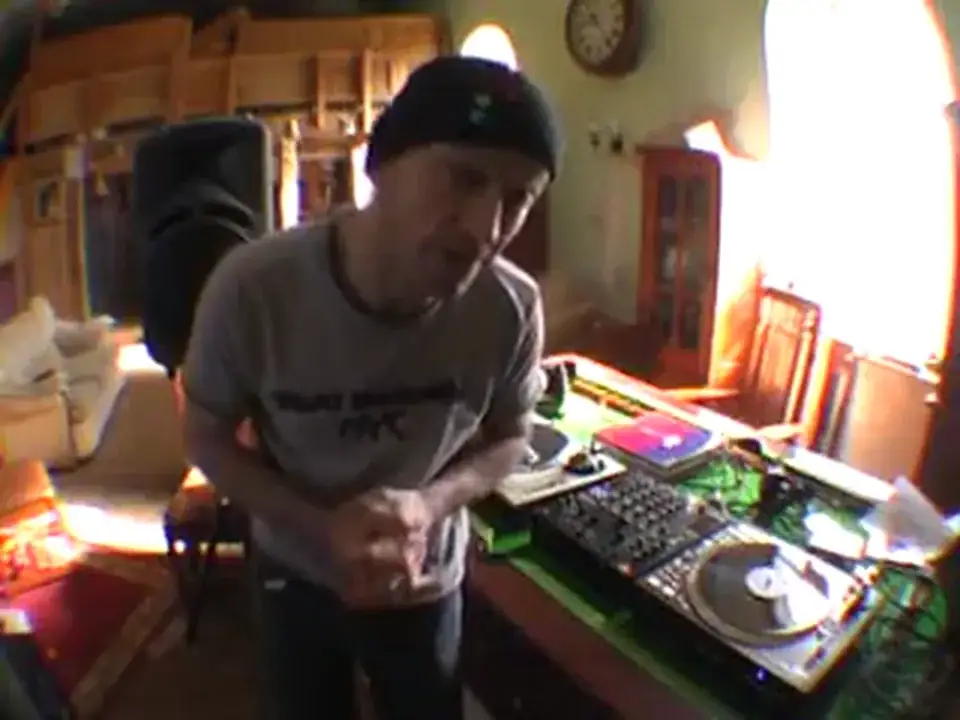
Alright folks, this video is all about showing you and helping you how to set up your active speaker system. If you can follow these logical steps, then theoretically you should have good quality sound coming from your active speaker system. Now first of all, what is an active speaker system? Well, normal speakers that you find run-of-the-mill things will have some drivers in them, they're the things that make lots of noise, they'll have a few knobbly bits inside which could be the crossover, that's about it really. An active speaker is something that will actually have an amplifier or amplifiers inside the actual speaker. Now these will need electricity to make them work and also they'll need a signal so you can get sound out of them. You do need those two things but like anything in life, if you abuse them and you don't use them correctly, they're not going to work.
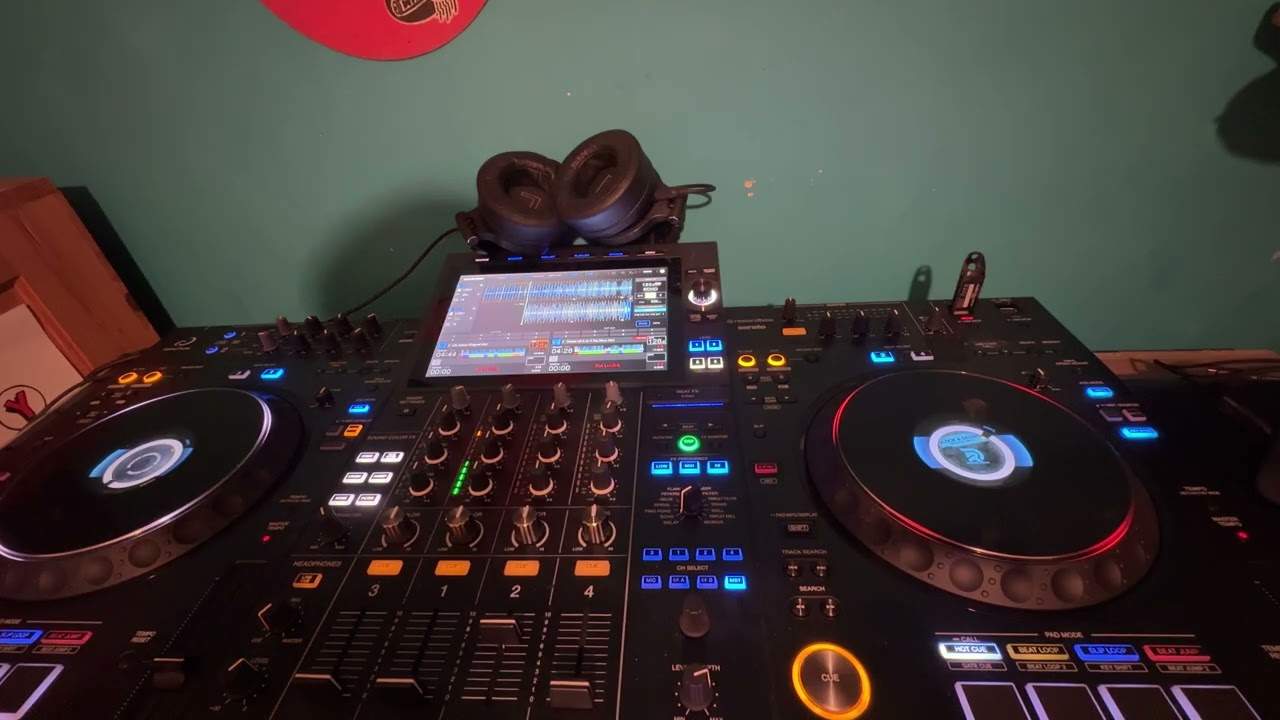
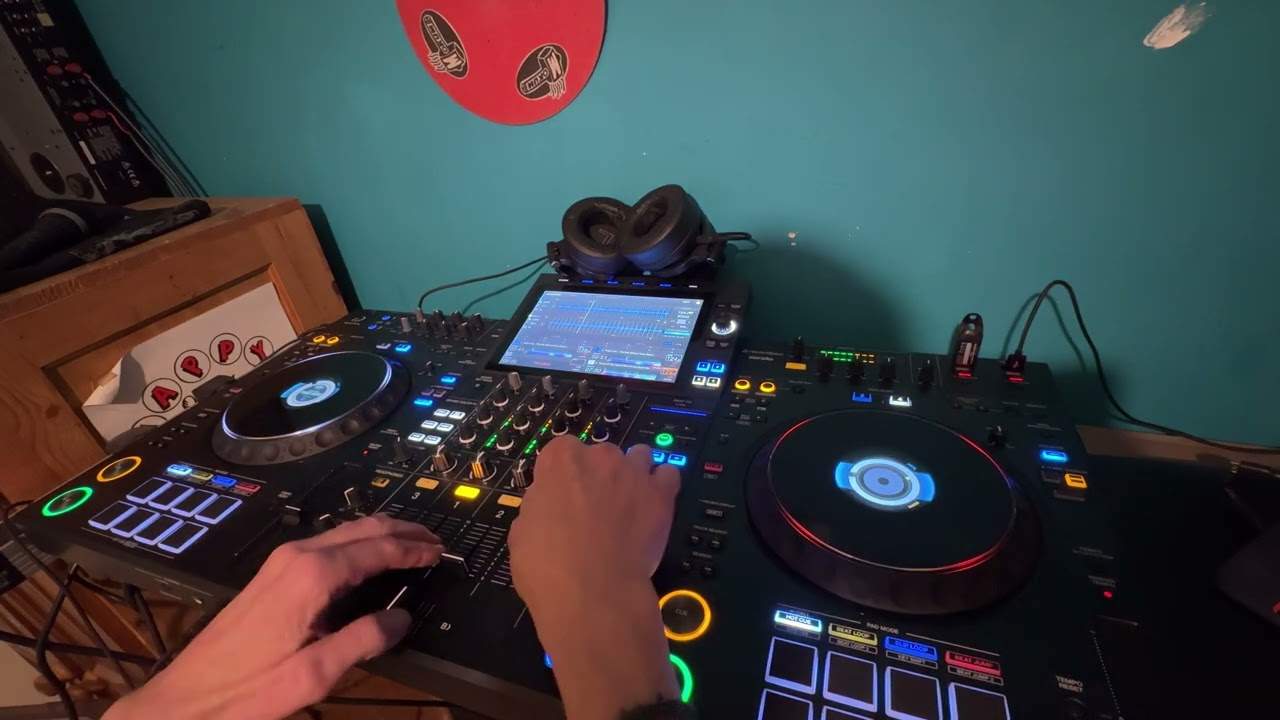
Or maybe they might work for a little bit, but then they'll probably stop working after a while. So what I'm going to do, I'm going to show you step by step the best way of setting up your specific active powered speaker. Now, OK, there are many styles etc., but I'm just going to give you a general idea to work on this. So what I'll do now, I'll take the lensy fisheye off the front of the camera and we'll have a look at the mixer first. You don't have to have this mixer. You can use any mixer, but the principles are near enough exactly the same. So hold tight a second. Okay, here we go. Mixer, volume control, we're going to be using this particular channel. Now, the bass mid and the treble is set to flat. In other words, it's set to 12 o'clock. Now, notice that the gain is set to zero, nothing at all. Now, what I'm going to start to do is start to move the gain up. And as I move the gain up, you can start to see the little LEDs starting to shine.
2:16 Very shortly
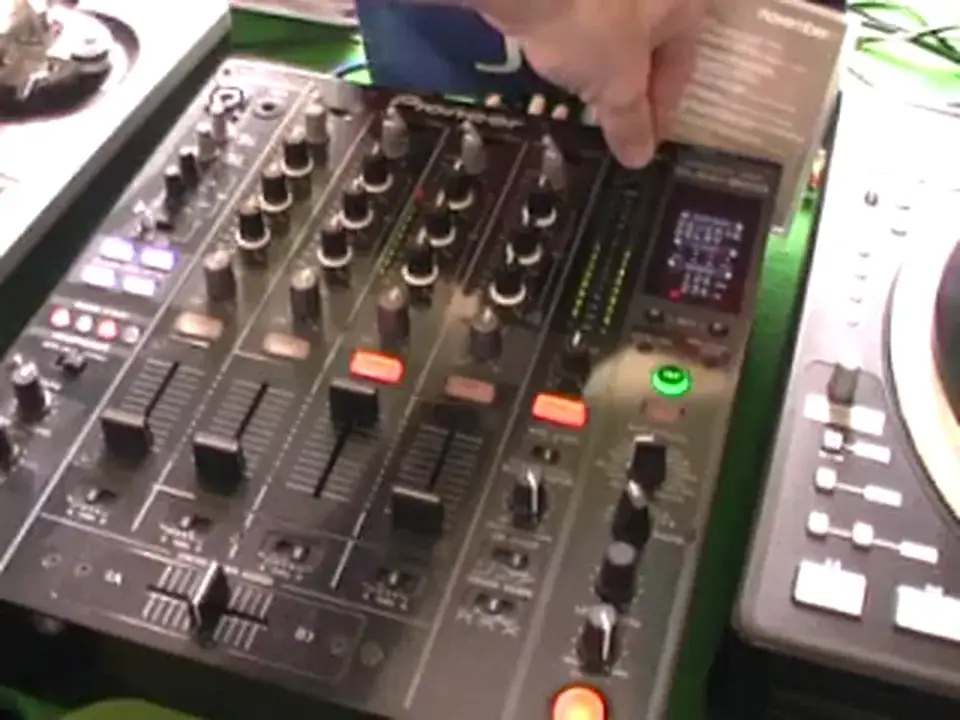
Now, zero is basically flat. That's 0 dB. And you can see it starting to tap into the amber. Now that's OK. What you don't want is you don't want it to go in the red. Red is dead, basically. In other words, if your mixer starts going in the red continually, to you it may sound fantastic, but to a lot of people it's just a horrible distorted sound. So what you need to do is have it maybe tapping slightly in the amber like so. The next thing to do then... All you have to do is start increasing your master volume and do exactly the same, have that in the amber. Now what will happen is this guy here is in control of all of these other volumes and again all of the other volumes set them so it's just tapping in the amber. Now that's important to do this first. I will explain very shortly. Very important to do that first. Right now let's have a look at the back of the actual speaker.
I made sure, prior to doing any of that, that the actual volume control on this particular powered cab was set to zero. In other words, it's not on at all. Now what I can do, I can actually start to increase the volume. Have a listen. Let's just turn that off for a second. Alright, so, what's exactly going on? Okay, what we've got is, if you think about it now, the reason... I actually did that, and the reason I turned that speaker up till it was a very good loud sound is theoretically because that's as loud as I will want it for the entire evening, for the rest of the evening. I'll explain. Let's have a look at the mixer again. Alright, if I... Actually, I'll just turn the volume down on the powered cab because I don't want to blast myself otherwise you won't be able to hear me. Right, let's play that again. OK, we've got that up there.
4:33 Alternatively, a lot of people don't like to do that
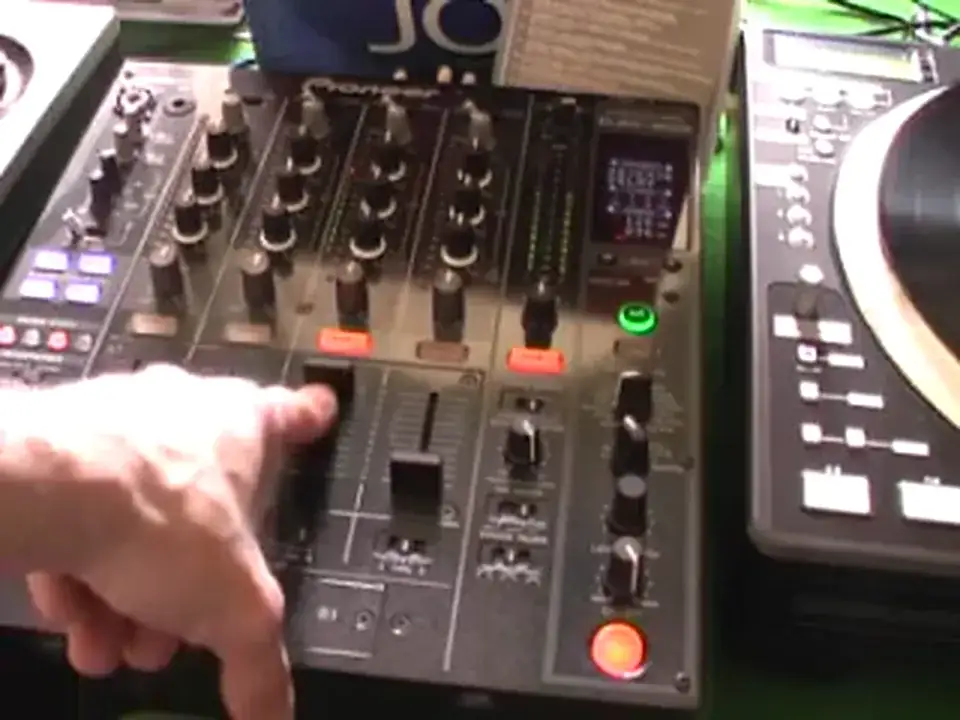
We've got that like that. So as you can see, everything's tapping a little bit into the amber. Now what we've done is after we've gone through that procedure, theoretically we have set that powered speaker or all of our powered speakers for the optimum sound, the loudest we want it to go for the entire evening. So all we need to do then is just maybe start the evening off here at quite a low volume. And as the evening progresses, move it up slightly, up slightly, up slightly, until eventually, you know, when the crowd's jumping about the place, you can have it max volume like so. Alternatively, a lot of people don't like to do that. They like to have the actual volume on this guy here up continually all the way to the top.
You're just tapping into the amber. Now, again, it is very important to look after powered speakers. Now, a lot of powered speakers will have their own protection in them. In other words, there are limiters in there, etc. Some powered speakers will have some lights that flash basically when it says you're getting to peak. But, theoretically... If you watch your actual controls, the actual LEDs on your mixer and also you listen to the sounds coming out of your powered bass cab or not powered bass cab, powered any speaker, they should last indefinitely. Now on this one here we've got treble and we've got bass as well. Now I would recommend that you always keep your treble and your bass especially when you're using a DJ mixer to the 12 o'clock position.
The reason being, if you start to increase your treble here and increase your bass there, and then all of a sudden you forget and you start to increase bass and treble on your mixer as well, you're adding too many frequencies. You're better off, this is my opinion, leaving that to 12 o'clock, leaving that to 12 o'clock, and then if you want to, increase bass, mid and treble or bass and treble on your actual mixer. Alright, a little insight there in how to set up an Actual active speaker. Alright, thanks for watching. Practice and Ruth Joy.
This transcript was produced automatically from the audio of the video and may contain mistakes.