 14:45
Intermediate DJ Lesson Looping over the Mix and the Pioneer RMX500
Contents of the video
0:00 Lenny Fontana for sending them to me
All right, ladies and gentlemen, I will be giving another Karmic Power Records t-shirt away in the new year and a big thank you to Mr. Lenny Fontana for sending them to me. Also, I'll be giving away a mix CD as well. If you can hear any noise in the background, one of my stepdaughters has got a friend around and Blaze has decided to be a little rascal. Kids for you. Right, so really this video is a bit of a demonstration. Now, if you ever listen to some, not all, some mix CDs, you'll find that they're pristine, perfect, they're seamless, it's as though a machine's done it. It probably has. But also what you may find in some of them, note I said some earlier, is that there seems to be this ongoing kind of beat all the way through the track.
Or through the mix. It seems to be very samey. It's almost as though someone's got a drum machine and designed some form of funky beat and overlaid it over the entire mix. You can do that. Now, when I started DJing a long time ago, I think the Tyrannosaurus Rex extinct probably the year before. We had vinyl turntables. There was no master tempo. There was no key lock. There was a small dial, smaller actually than the knobbly bit used for bass and you used to turn that and you used to have to think beforehand if you needed to speed the track up so you had to think in advance. It wasn't like turn fast, turn slow. It was now it's fast, now it's slow. If you were lucky, of course they were run by belt-driven turntables.
Why am I talking about that? Well, mixes were real. They sounded real. There was some form of organic-ness about them. Definitely not orgasmic. In fact, it probably was slightly organic. Sorry. Anyway, please. Sorry. Right. So what? Do that again. You do that again, I'll hit you. You wouldn't dare mate. You're not going to hit me, I am. Don't be stupid. So, itchy sack. Right. So what I'm going to do now is, again, it's really sort of a bit of a demonstration. We've got, not we, actually me because you're, well, I'm here by myself and there's no one else in the room. Bloody hell, anyway. Strange talking to yourself, isn't it? Horse walks into a bar, Barman looks at the horse and says, why the long face?
Come on. What's fluffy and happy one day and sad the next?
3:03 Come on, what's fluffy one day?
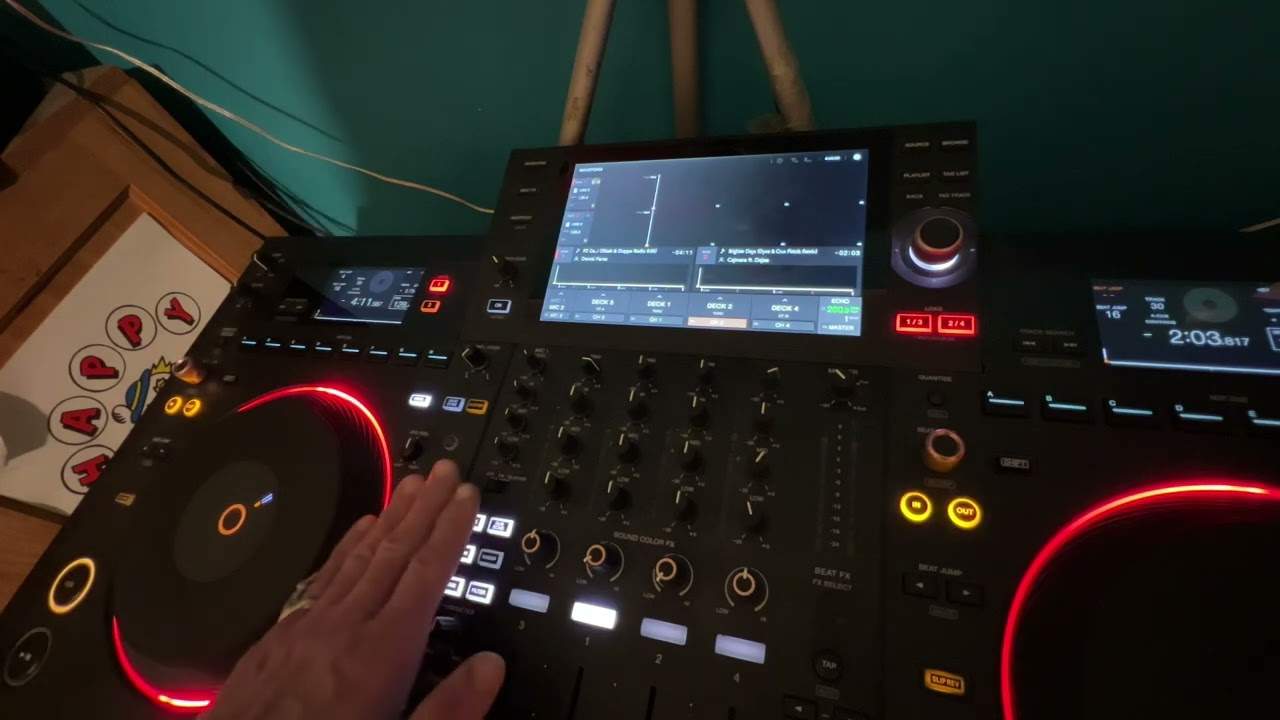
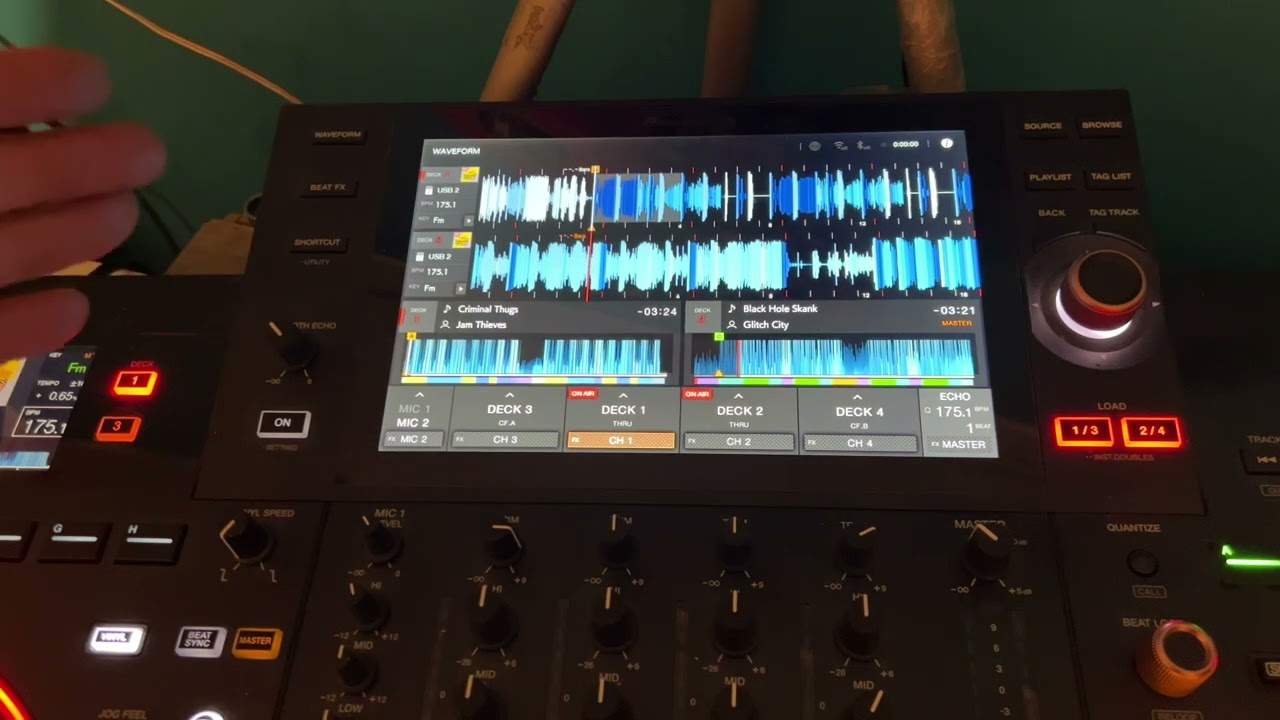
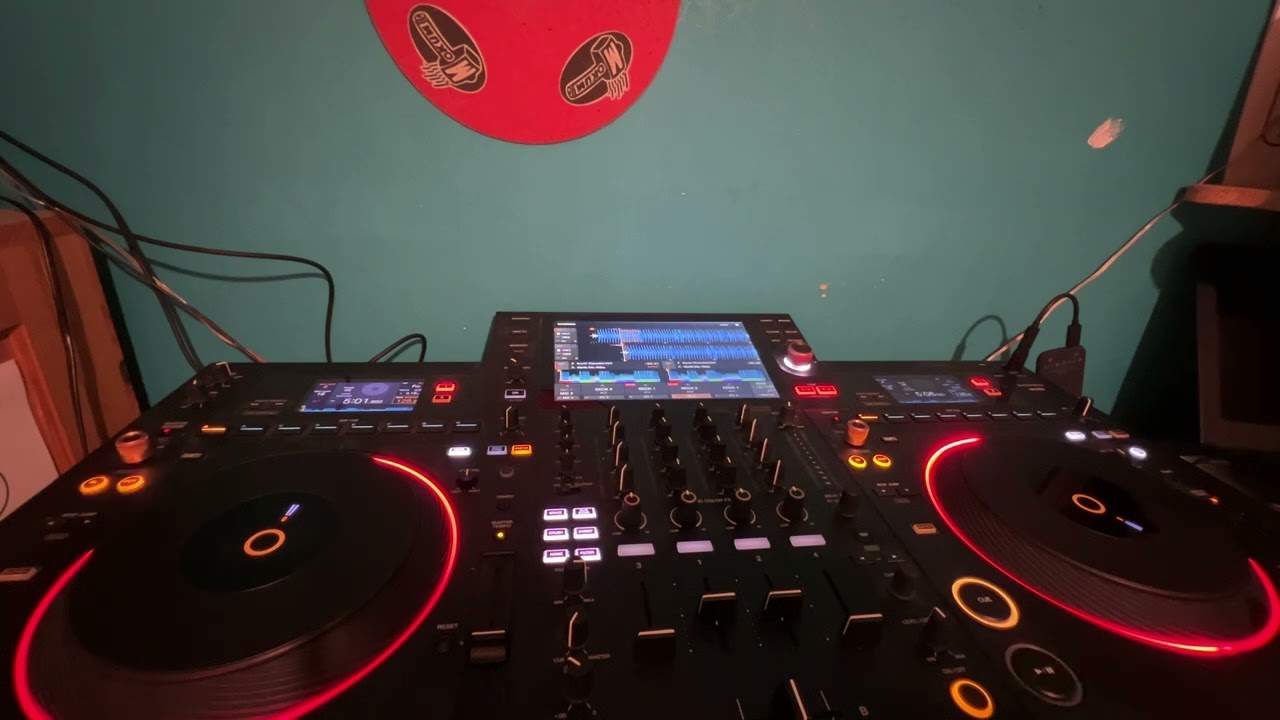
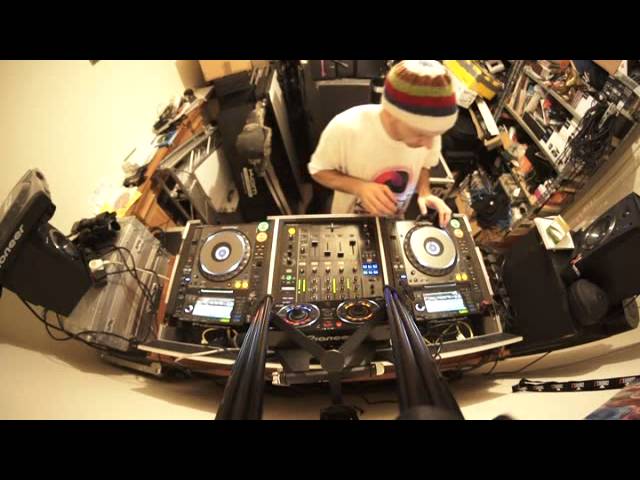
Come on, what's fluffy one day? Sorry, what's fluffy, sorry, and happy one day and sad the next? It's bipolar bear. Bipolar bear. Sorry. Okay, so what I've done here is I've got a beat, I've looped it, we're gonna have a track playing over here, and then we're going to bring another track in pretty much straight away. But what I want to do, is I want to try and have the tracks that are playing continually over this beat. Now, again, this is a bit of a demonstration may go wrong slightly. Probably well, but I would like you to take all of this on board and take it to, like, the next level. This is, I would class as an intermediate DJ lesson. I'm also going to add an effect from the RMX 500 and I'm going to add an effect that not many people use on the DJM 900,
Which is the gate compressor, which is a wonderful effect because it changes the whole feel of the sound. It completely changes it. If you use the gate properly, you can almost make the track or whatever you're playing sound completely different as though it's something from another planet.
Mars, right? So let's get this. Let's get this loop going, actually. That's not even a loop, isn't it? That's the beginning of the track. This is the loop. There we go.
4:49 Two fingers, digi-dig-dig, watch how I do it, two fingers, okay, two f
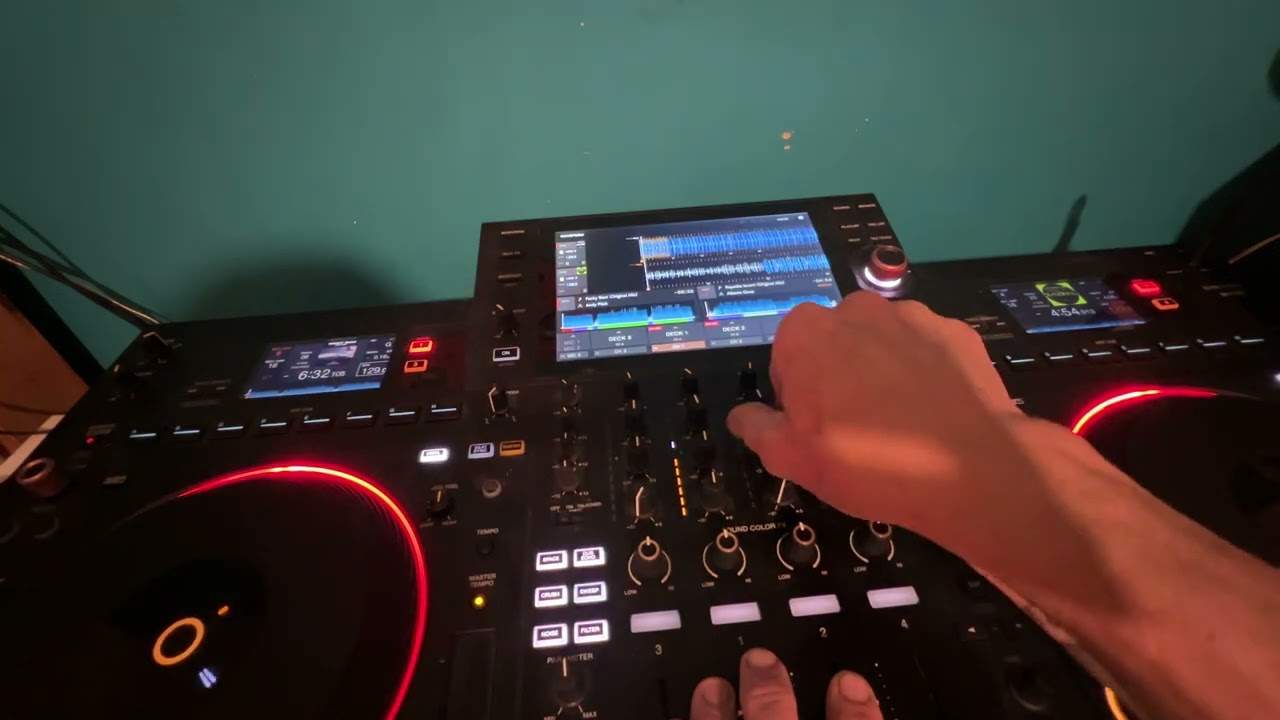
Now doing that, if done correctly, it's very good. Two fingers, digi-dig-dig, watch how I do it, two fingers, okay, two fingers. So if you use your two fingers like that, that's it. That's what we want to do, digi-ding-ding-ding, that's what we're doing. Okay, so I'm going to bring in a track, let it play for a little bit. And then bring that track out, I'm going to then incorporate the gate compressor and you will hear that the loop changes the whole color of the loop. So why I'm using the gate compressor is because I don't want to have this sound all the time because it's going to get a little bit boring by using the gate compressor. It's almost as though the loop itself is becoming a new track. Okay?
And it gives a new feel and vibe to the mix prior to you bringing in the next track in. And then you can reduce the gate compressor, and then just continue with this sort of sound. So let's, right, we'll leave those there. No, we didn't want that, did we? Now this is the actual track that I took the loop from. Okay, so I'm now going to reduce, no, in fact, hold on a minute, just stop that. Let's go halfway through this track so you can get a definite defined difference between the loop and the track. Right, hold on, hold on. Okay, add a bit of filter because I want to slowly sort of like bring this in. It's a bit like making a cake, you know, or mayonnaise if you add too much egg. A little bit at a time.
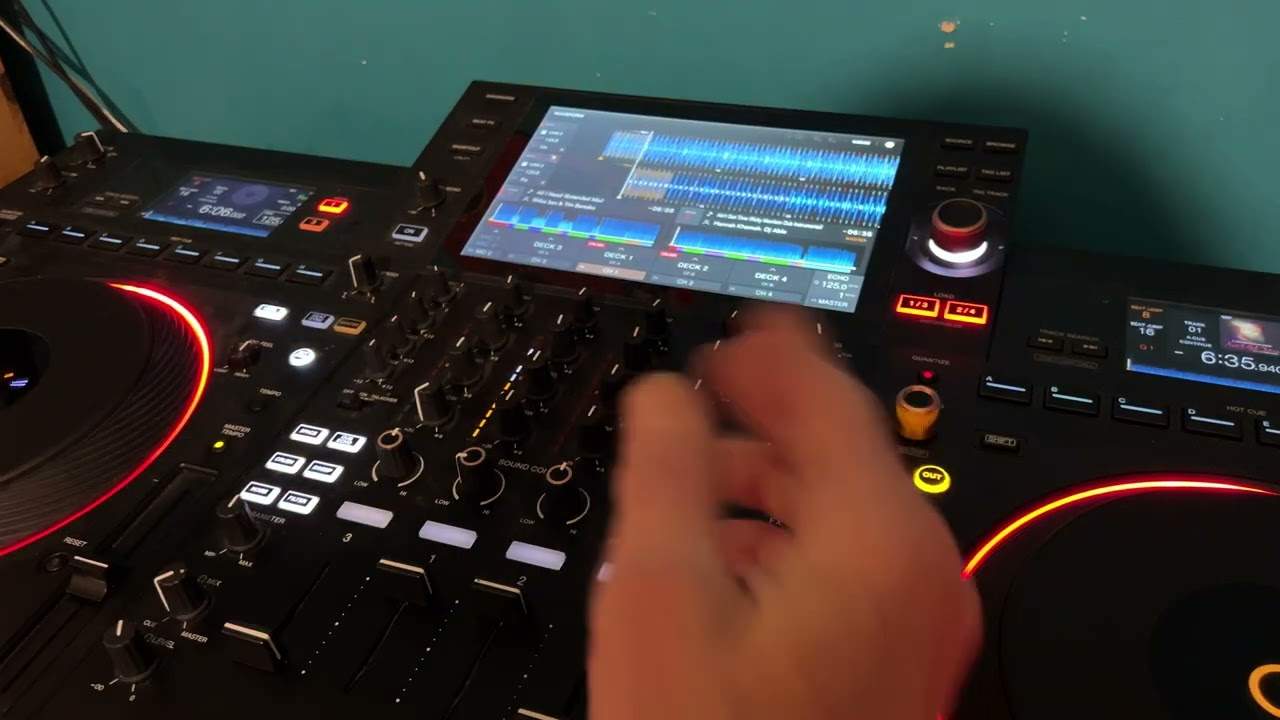
So here we go. That gate compressor is going to record back to my old track there but I can anytime I want to bring that loop back in. Put it on hot cue. Get it back in. Overdub. And there was a little bit, all right, there was a little bit of preparation there. Make sure I have the loop there and a couple of tunes, but stay down there. But it shows you what you can do or maybe what you shouldn't do by watching this. But hopefully it's inspired you into getting out that little box and doing other stuff a little bit more outside the box. Now, I did say one word which is the key. Preparation. It's a bit like building a house. Let me explain. You want to build a house. Two people build houses, one over there, one over there.
The person who builds the house over there takes half the time than the person over there. Exactly the same house but guess what? This one over here hasn't put any foundations in. It's not going to last very long is it? So the foundations, the analogy here, is the preparation. You prepare what you're going to do and it can be exquisite. Now again, please try and make mistakes. That sounds ridiculous. But I am quite convinced that if you hear a DJ make a slight mistake during their set then it's highly likely they're going to be a real DJ. Now of course we have lots of PC programs where you can press a little button and it gives us that sync feature. Fair enough if you're using four tracks at once. But if you're only just mixing two tracks then I'd prefer it if you used your ears
Because what you're doing is you're training yourself to DJ correctly. If you do use the sync and you just mix from one to the other then alright, mixes could be perfect. It could sound fantastic. But you're not really pushing yourself enough. That's what it's about. It's about pushing you. I hope that's been a help. A bit of madness here but that's what life is all about. Have fun, I will see you I'm sure before Christmas and we'll do lots more of these demos and tutorials. A big shout out to Mr Lenny Fontana from Karmic Power Records. I'll put a link in the description to their Facebook page. Practice and enjoy. Thank you.
This transcript was produced automatically from the audio of the video and may contain mistakes.