 9:17
Intermediate DJ Lesson on Using the up Faders
Contents of the video
0:00 Another demonstration straight tutorial but first of all a bit of info
Alright guys, another demonstration straight tutorial but first of all a bit of info for you. We're coming into September 2014 so if you're watching this video two years from now, it was then but this is now. I'm going to be in Dubai again at the latter part of September so around about the 23rd. I'll be back in Dubai at the Dubai DJ Academy. Check out the link in the description. If you want to book some sessions with me and have some one-to-one lessons then go and check them out. Also go to the Facebook page, I'll put a link there as well and just get involved. Now also, there will be and there is a Pioneer DJ competition happening in Dubai in September. If you want to get involved with that, go and check out the Dubai DJ Academy Facebook page for more info.
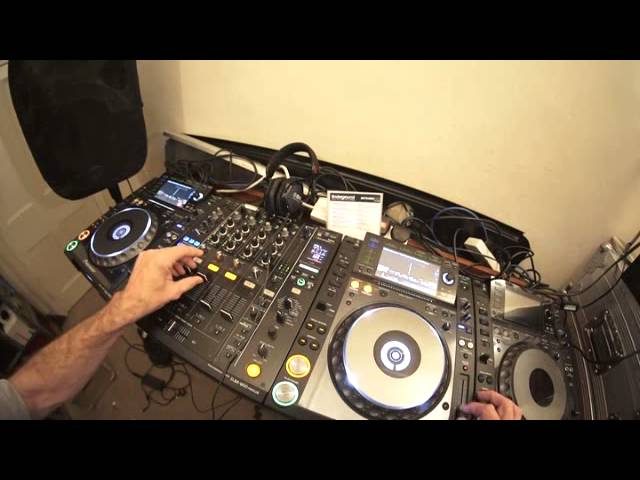
You can join in if you'd like to. If you're a DJ and you can mix, go do it. Right, what we're doing here in this video, I'm going to give you a demonstration, a couple of good ideas of how to use the upfaders. Sounds simple but done correctly with the right moves, it can actually look really good as well as sounding good. Now the two tracks we're using from CDPool, the underground releases for September 2014. Got track one here from Disc. Disc number one, which is Shadowchild and Dawley. Now I love the beginning of this, the beat, the bassline is just astounding and then over there we have on disc number two, we have track two, Duke DeMont, Won't Look Back, they're both absolutely, I'm not allowed to say the F word, I'll try not to but they are absolutely fishing awesome. Right, so let's have a look at the mixer and I'll show you what we're going to do.
So there you go. Let's mix it up. Oh right, okay, yeah. First of all, this is the Shadowchild tune.
Now what I like about this cut straight away is it's got that old school kind of Chicago relief records vibe. It's almost, it's a very kind of organic, rough feel. I can imagine it's throttling 21 inch bass cabs. What is a little bit disappointing about this is it goes into this sort of like hairy fairy kind of... vibe at the break. You know, it's almost as though you've got this bang, bang and then it just, it's like fairies in a garden having a tea party but it sort of does work really.
2:56 This is the Duke DeMont tune which is absolutely slamming
You see, if I'd have made this track, I'd have just kept it that kind of vibe at the beginning and just gone, you know what guys, check this out. Right, this is the Duke DeMont tune which is absolutely slamming. Have a listen. It starts off very mellow. We've got a very long introduction.
This is just... almost like some, this is very serious modern day Jack in the house. I'm loving it, absolutely loving it.
You see there's a lot you can do with that break there as well.
3:43 I like the beginning of this track
Okay, so what I'm going to do here... I like the beginning of this track. In fact, I like all of the beginning. Not too keen on the rest of it. It's my own preference. So what we're going to do is I'm gonna form a loop. So we're going to loop mode and I'm just gonna press 16 like that. Leave it. Now then, have a listen. Let's pause it. Right, what I'm trying to do is, I'm not doing any sort of effect at all except using the up faders. So there's a few positions. Excuse me, the first one is both of them up so we can hear both tracks. Of course, the other one is one track up. The other one is the other track up and the other one is none of them up but it's how you do it. And that is the way that you can make it work and sound fantastic.
It's almost as though you're editing, you're knocking one in, knocking one out. You're bringing them both out. Two, three, out. One, two, three. So one, two, three, four. One, two, three, out. One, two, three, four. Out one or, you know, out one. Both of them. So we'll do that again. Here we go. Okay, there were a few mistakes there but... If I was doing this in a live set, the only person who would have known that I made a mistake was me.
7:05 The last part of the video, of course, is the moves with your fingers
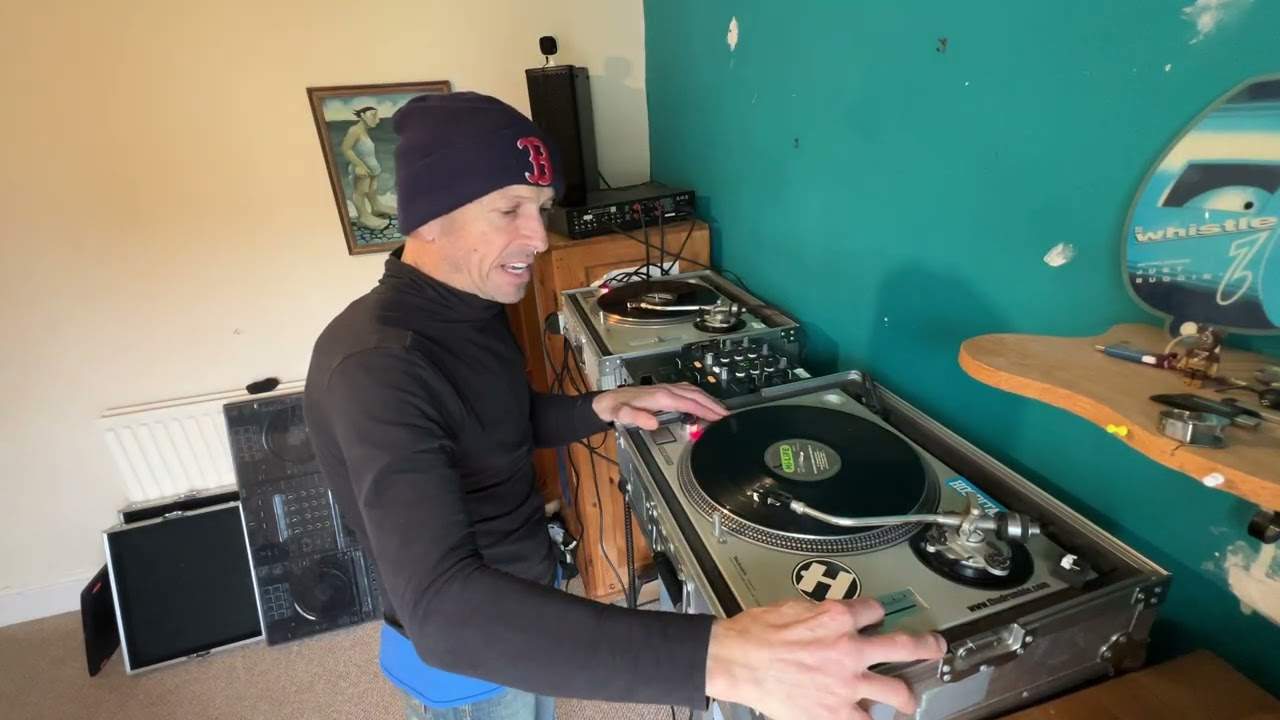
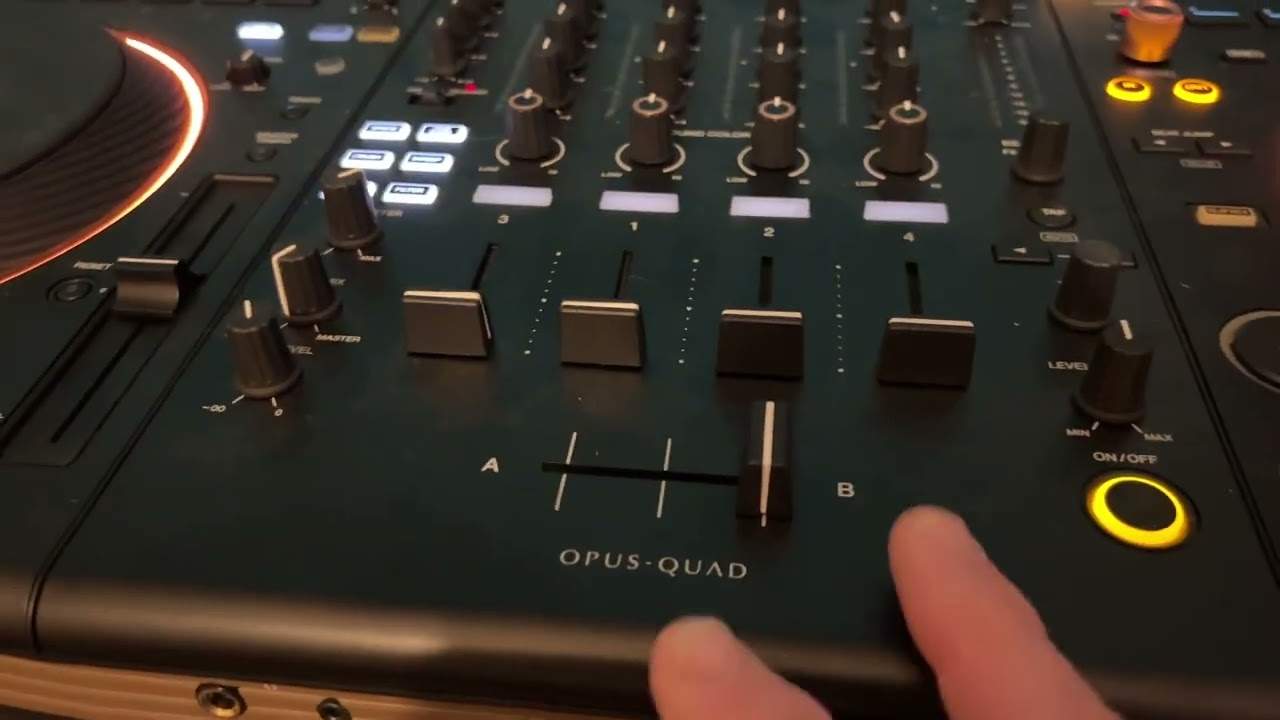
You cover it up. So if you were, say, doing this in a competition, don't make out visually by the expression on your face, oh shit, I've made a mistake. Cover it up. Both of them. Okay, the last part of the video, of course, is the moves with your fingers. Now, you should notice here I've got one of the faders in between my little finger and next finger like this. And then the other fader is here. So that finger isn't doing much at all. In fact, that can pretend it's a little wormy going wormy, wormy things. Actually, that's one of the tickle fingers. We won't go into that right now. So the moves are... What I'm gonna do, I'll actually take the camera off the stand like that. There you go, so you've got a better sort of image there.
So you can see, you can do that. And then bring them both down, up, down, up, down. All right, it's just... It's not trickery or anything like that. It's just getting used to it. Now this video is really, really simple in a way, but also what I'm trying to do is give you a few ideas. So again, if you are in or around Dubai towards the latter part of September, come and say hi, book some lessons, and I will teach you. Also, if you would like to play with me, if you want to play a part in the Pioneer competition in Dubai, go and check out the link in the description. And don't think I've got no chance because you might have a chance. You haven't got a chance if you don't enter, but you definitely got a chance if you give it a go.
Practice and enjoy. Thank you.
This transcript was produced automatically from the audio of the video and may contain mistakes.
Related videos
-
Complete Beginner DJ Lessons Tags Key BPM Etc
A more advanced lesson folded in early, and worth doing once rather than putting off, because everything it sets up gets used for years…
-
Complete Beginner DJ Mixing Lessons Video 19 Getting Your Kit Ready for an Easy Mix
A whole lesson on getting ready, which is the right call - the exercise in the next video only teaches anything if the two decks are…