 13:23
Mix HIP-HOP Like the Old School Days Even with a Controller and Lap Top
Contents of the video
0:00 Whether you agree with me or not, it doesn't really matter
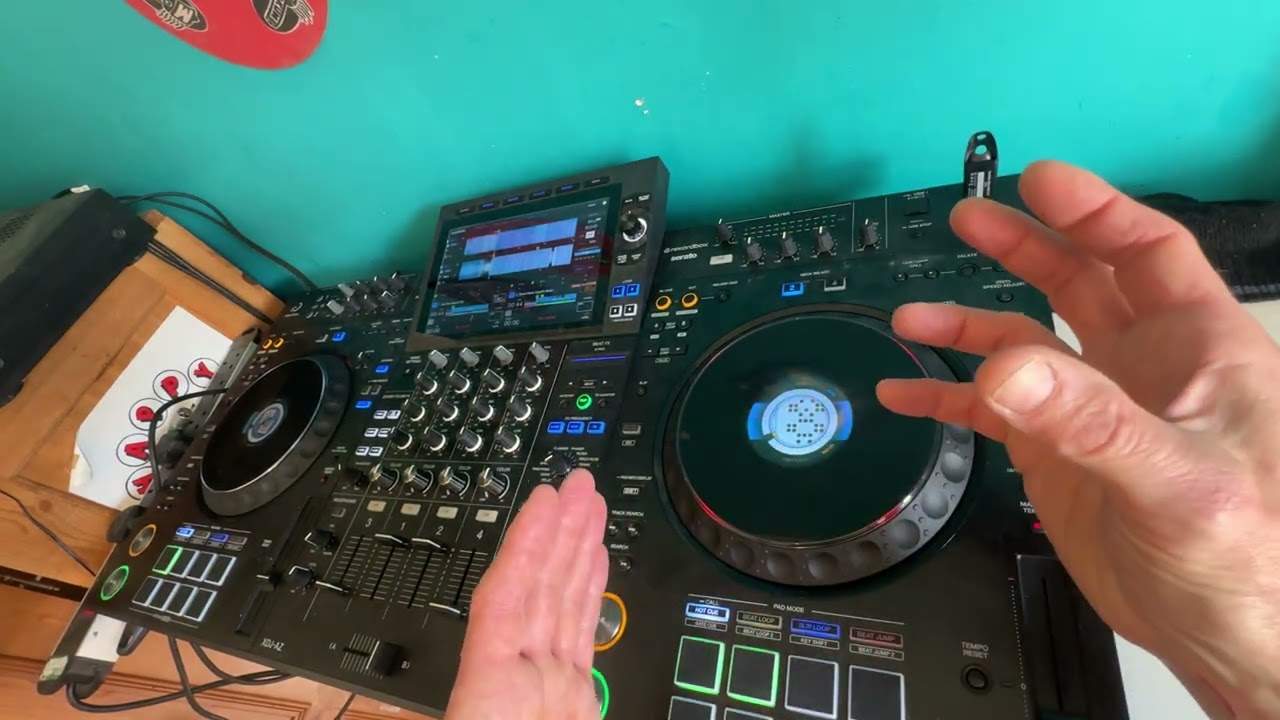
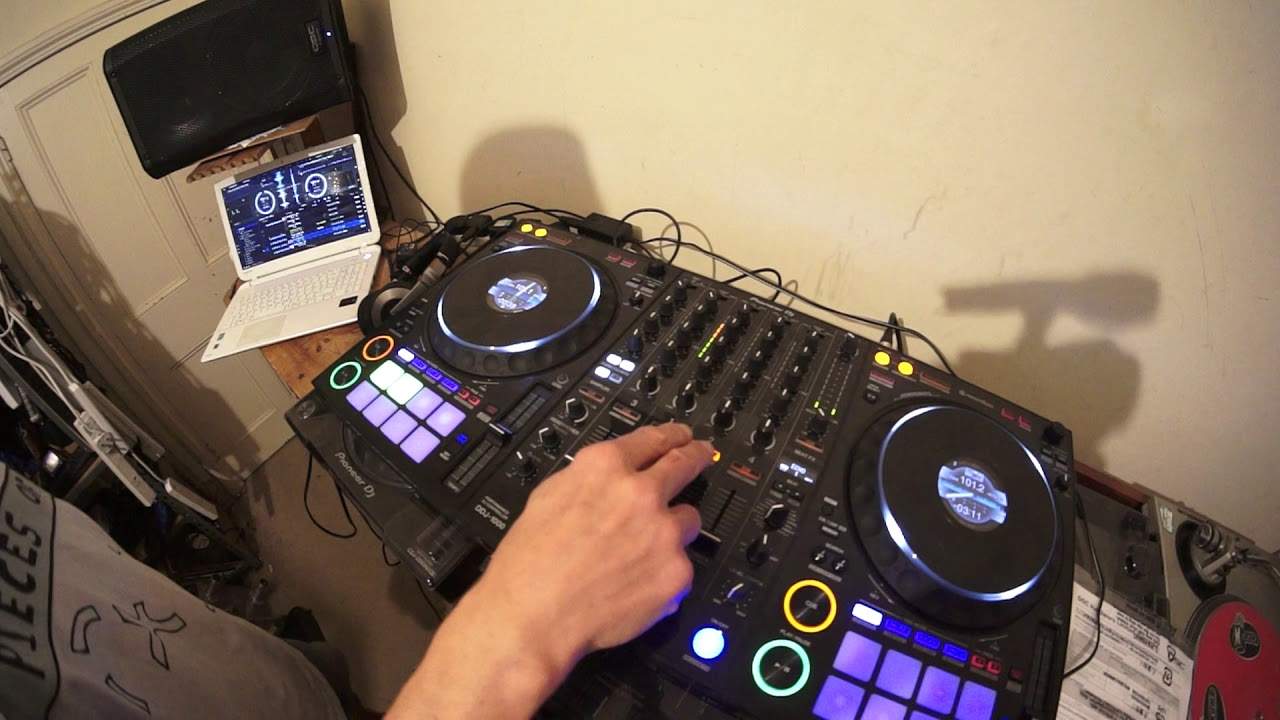
Alright, so whether you agree with me or not, it doesn't really matter. It's about you. It's about how you feel and what you want to do. So, in this video I'm going to mix a couple of hip-hop tunes. I'm using the DDJ-1000 rekordbox software and I'm not using sync. Now, let's go back 25-30 years. Mixing hip-hop was rough, ready. It had feel. There was a passion to it, like any style of mixing. But hip-hop was slightly different because there was something about it. I didn't go to many hip-hop parties but when I did, it was just this sort of warm feeling. And, you know, when the DJ dropped a tune, it was like, you know what? It doesn't matter if it's off-beat or out of sync. It just worked. It just felt right.
And I think that is the key. That's what people are missing nowadays. It's not about having that smooth transition with sync. It's not about having those wicked effects. It's just about does it feel right? And if it feels right, then, you know... You're probably 80% of the way there because it can be out-of-time, it can be out-of-phrase. But if the tunes feel right, then you've got it and that's what it's about. You see, again, if you look at today's technology... And if you mention to someone, say 30 years ago, I've got something and you manage to go back in time. I've got a little item in my pocket and I'm now in the middle of London on a bus and I can... phone someone in Australia. Not only can I phone them in Australia, but I can actually see them and have what's called a video conversation with them.
They'd think you were nuts. They would think you were balmy. They'd think you were like an alien. Yet today everything is there on a flat screen at our fingertips. What we're doing is we're losing the ability to look around us and appreciate what is around us. Everything has to be done via a phone or a flat screen. And this is why... This is what a lot of my tutorials are about. It's opening your mind to realising what you can do, not what some form of app can do for you. And that is a big difference. Okay, so hopefully I'm not going to get blocked in any way shape or form with the tunes I'm using. But it has to be done. We've got two classic bands, classic artists. We've got Notorious. B.I.G. featuring Puff.
And we've got a tribe called Quest. Okay, so let's have a listen and check this out. Oh, hold on. Let's put it to the beginning. I do apologise. Let's just shove it there. Okay. Can I kick it? Two classic tracks. Can I kick it?
3:22 A tiny bit about this controller, you can plug in two laptops
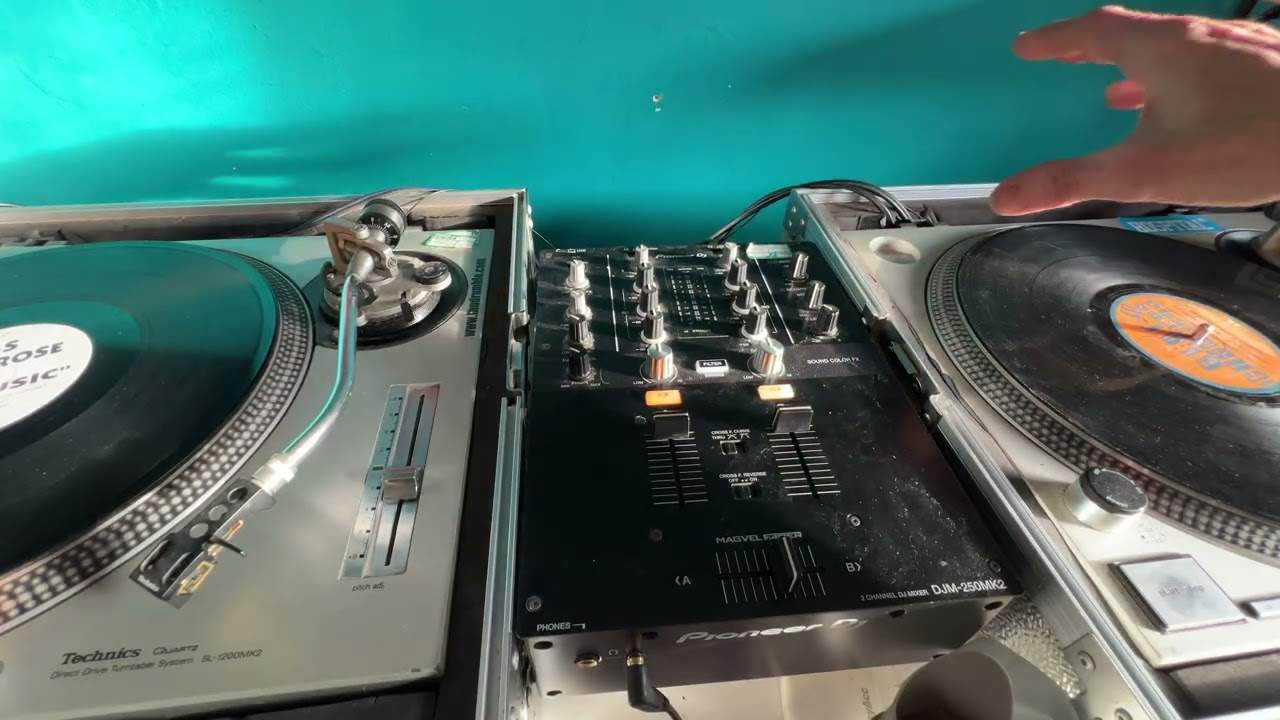
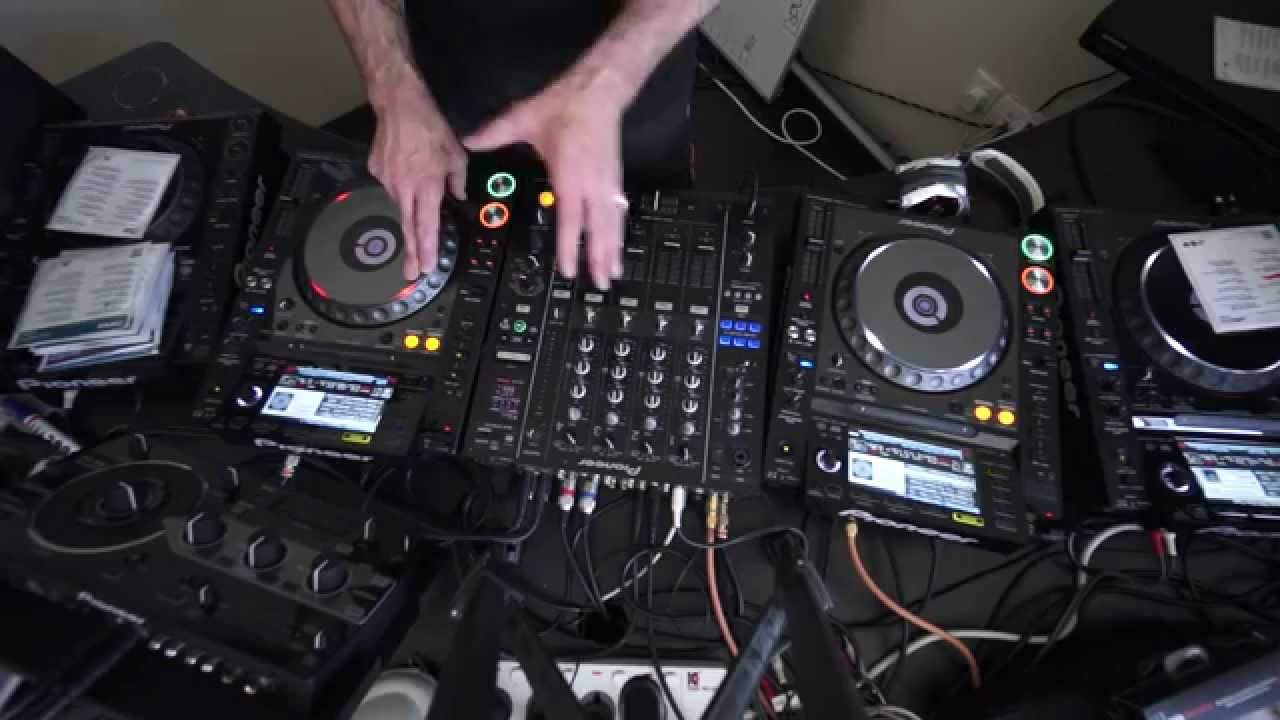
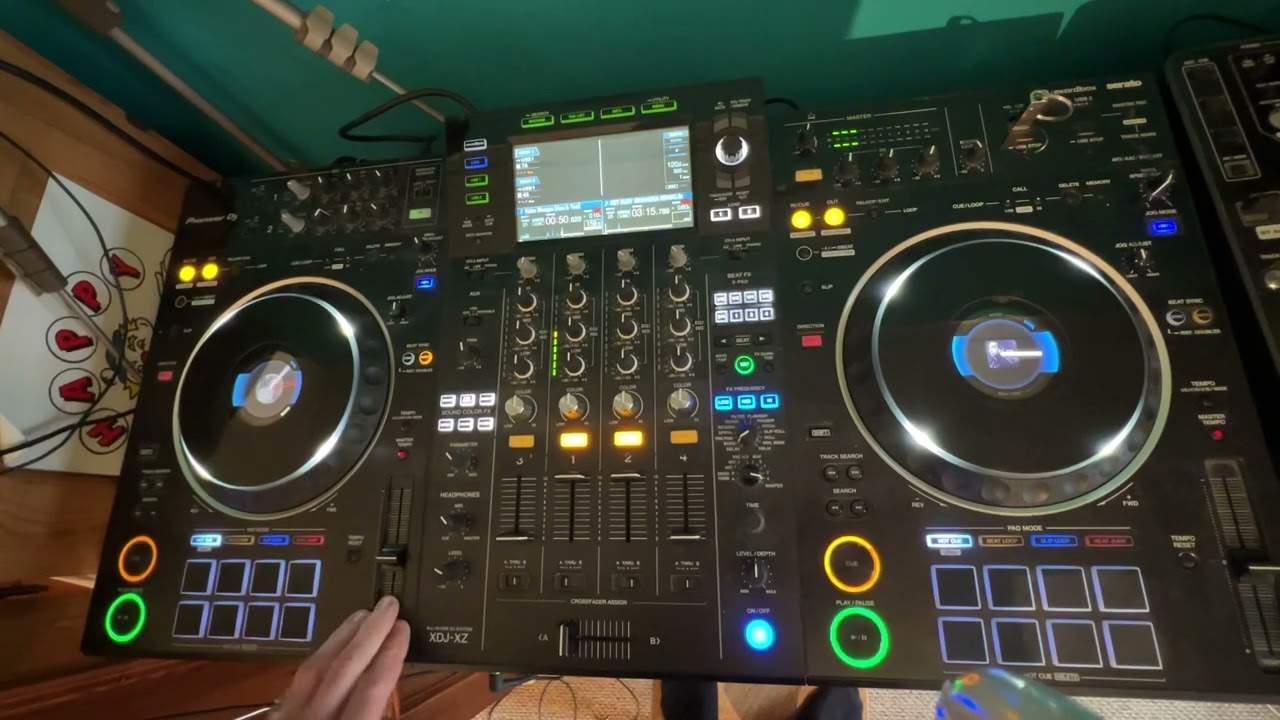
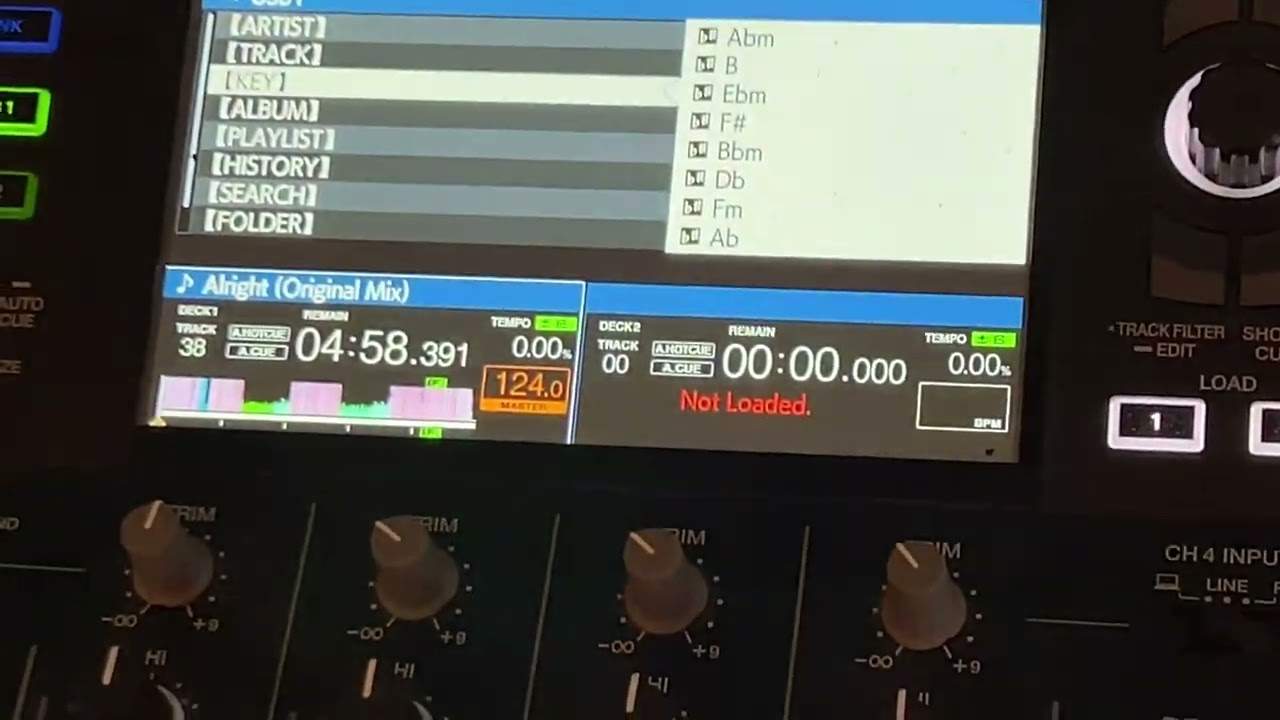
Okay, now first of all as well with... If you're not familiar with the DDJ-1000, it's an all-in-one controller. Okay. And a little... A tiny bit about this controller, you can plug in two laptops. So you can do back-to-back. So for example, DJ1 can have the two middle channels and DJ2 can have the two outside channels. Or for example, let's imagine you're at a really... You're at a professional gig and under no circumstances do you want the music to drop out or stop. Well with two laptops plugged in, you've always got one as backup. Not only that, but you can also plug in external items. For example, CDJs and vinyl turntables as well. So it's pretty much all-in-one. You've got readouts on the screens. Now again, this is a great feature because it means you're not going to be staring at the laptop.
5:23 One, two, three, four, five, oh, four!
Now also very quickly, and I will say this time and time and time and time again, not only because I haven't got the room, but I don't like doing it. I have not got my laptop there, right in front of me. My laptop is over there. So if you imagine if I'm playing in front of a crowd, I'm sort of here and then I'm looking that way and I'm looking at the people. I'm not looking at a screen pretending to be on Facebook. And that's important as well. Okay, so Notorious B.I.G. All right, let's just count how many bars we've got before the... the vocals come in. One, one, two, three, two, two, three, four, five, seven, okay, eight bars. Okay, so let's just put that back. Same with Can I Kick It? One, two, three, four, five, oh, four!
Okay, so we've just got four there. All right, so a couple of things we can do. We could do a loop and play the beginning twice. But I don't want to do that. I want to try and keep this original and old school. So again, you know, I think the challenge for everyone out there is the technology is here in front of us. All right? Imagine the Starship Enterprise. You've got all these gadgets and buttons and you want to travel from A to B. Well, you've got two options. You can go into warp drive. You can, I don't know, you can do so many things. But really all you want to do is go from A to B. So what do you do? You hit the throttle. You just go forward. That's all. All you need is a throttle. So in a way that's sort of what I'm trying to get with this video.
You know, try and use your ears. Try and use the passion that you've got. And just use what you need to use. Let's keep some of your transitions organic and real. So what I've done, if I just turn the camera again. Now I've set a cue point. Okay. So what I've done, I set a quick sort of hot cue. A quick hot cue there. Or nearly at the beginning of a new phrase. Now you'll notice when that new phrase starts, you do have a little bit of vocals, notorious, notorious. But that doesn't matter too much so long as I don't bring it up. Okay? I don't want to bring loads of vocals in on the other track over that. But then again, this is sort of a demonstration. Also it's a test. What will it sound like? So let's just go from there.
7:38 I'm going to start counting from there
Right. That is actually the beginning of the new phrase. So I'm going to start counting from there. The bars. One, two, three. Okay. So it carries on going. All right. So I've got a couple of options here. Got four and I've got eight plus there. So if I wanted to, I could just start. Can I kick it at the beginning of that phrase? Alternatively wait for four bars and then start it. You know, there's quite a few options here. But what I want to try and do is make sure that they are in phrase. They're working together. Again you want to make sure that the levels are equal. You don't want one overpowering the other. Try not to go into the red. The red is classed as dead. And, you know, have a play around and always try and make sure that the transitions are organic and real.
All right. So I have set the BPM even though on the reader it's got 101.2, 101.1 and over here 101.13, 101.17. Now I'm not saying there's anything wrong with the controller or the software. But what I am saying. Is you can't always 100% rely on what you see. You need to rely on what you hear. And also I haven't got sync on. So I don't particularly like using sync because I prefer to have, like I said, that kind of natural rustic sort of feel. So. . It's so simple. Yeah, it works. Okay. Now again let me just turn the camera around a little bit just like that. So we did a bit of hip hop mixing there and yes the video went on and on and on and I waffled and waffled. And then the transition was like boom why didn't you do that to begin with?
10:47 Northern soul, 60s kind of stuff
I know we're going to get comments like that but I don't care. You know there is very little difference in the sort of transition you would do with hip hop to say 60s music. Or Motown which is 60s. Northern soul, 60s kind of stuff. Funk. Rare groove. Jazz. Techno. Trance. Electro. And some of you are scratching your head and thinking I don't get it because they're all different genres. Well they are. But it is about the phrasing of the track. Now luckily when a producer makes a track in a studio he or she will design that track in a way that everyone can understand it. Even numpties who have no idea about music whatsoever so long as they can dance. So what are they on about? What are they trying to get the listener to appreciate and understand?
And it's the timing of the track. It's the phrasing. Most tracks, dance tracks will have a bar of 4 beats. 1, 2, 3, 4. And most bars are in groups of 4, 8, sometimes 12, 16, 24, 32. You know you will very, very, very rarely get a phrase of 3, 9, 5, 7, 11, 15. It's just not going to happen. Now of course there are styles of music out there that are 1, 2, 3. 1, 2, 3. 1, 2, 3. 1, 2, you know different kinds of counting and they're very difficult to mix. But most dance styles, most popular styles are based around phrasing. Bars 1, 2, 3, 4 and groups of bars whether it be 2 and 4 mostly with top 40 music or 4 and 8 which is the, you know slightly more extended. Or then if you go into your minimal dance tracks and techno and those sort of genres
Where let's say you've got a track that's going to I don't know go on for like 8 minutes then you're pretty much going to get 16 bars and 32 bars. One genre that is very structured is drum and bass because most of the time drum and bass will have phrasing of 16 bars. Just try it. After this video go and randomly select a drum and bass tune and listen to it and I guarantee you pretty much you will count 16 bars change, 16 bars change, 16 bars change and so on. I hope that's been a help. Practice and enjoy. And remember do not be a screen watcher. Thank you.
This transcript was produced automatically from the audio of the video and may contain mistakes.