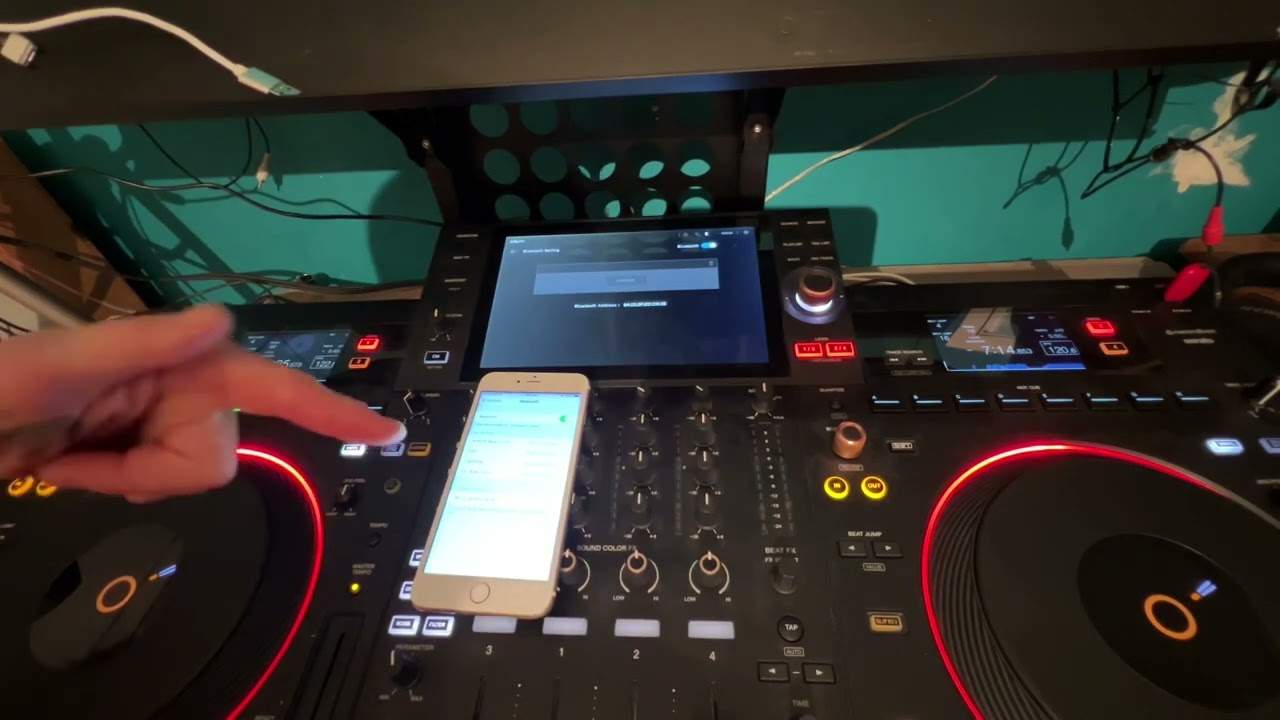
Mobile Disco set up, part 1, Setting up the audio and PA.
Contents of the video
0:00 In video number two, the lighting
Alright folks, Jonathan here. This is video number one in a set of two I'm going to be doing on setting up your DJ setup. In video number one we're going to be looking at setting up the PA, the decks etc. In video number two, the lighting. We're going to be looking at where to put things, best place to put things, how to set things up, where to put them. A lot of people have been emailing me and asking me all of this, how to plug things in. Video number two, we're going to be looking at the lighting and the pitfalls about putting things in the wrong place as well, which is just as important as putting things in the right place. You can link this video to as many places as you want to. You can comment as much as you want to. You can leave video responses as much as you want to. I don't give a monkeys, okay? First things first.
You turn up to your venue and you need to set your gear up. The first thing you will need is something to put your gear on. If you haven't brought something with you, you will need to find a table, something to put your gear on. Now, the first thing, for goodness sake, don't find anything and chuck it on there, OK? It's got to be sturdy. Again, you have to think of this one thing, the idiot-proof scenario. I mean, basically, you're possibly going to be dealing during the night with some people who are drunk. It's a makeshift table that's very wobbly, is substantial enough to put your gear on, but with one or two pushes from a crowd of people doing the okie-cokie, it's going to go all over the place. So bear that in mind. That's number one, very important. The second thing is of course, you've got to have enough room behind your setup to work. So what we're going to do now, I'm going to pause the camera and give you a general idea of the amount of space really you need.
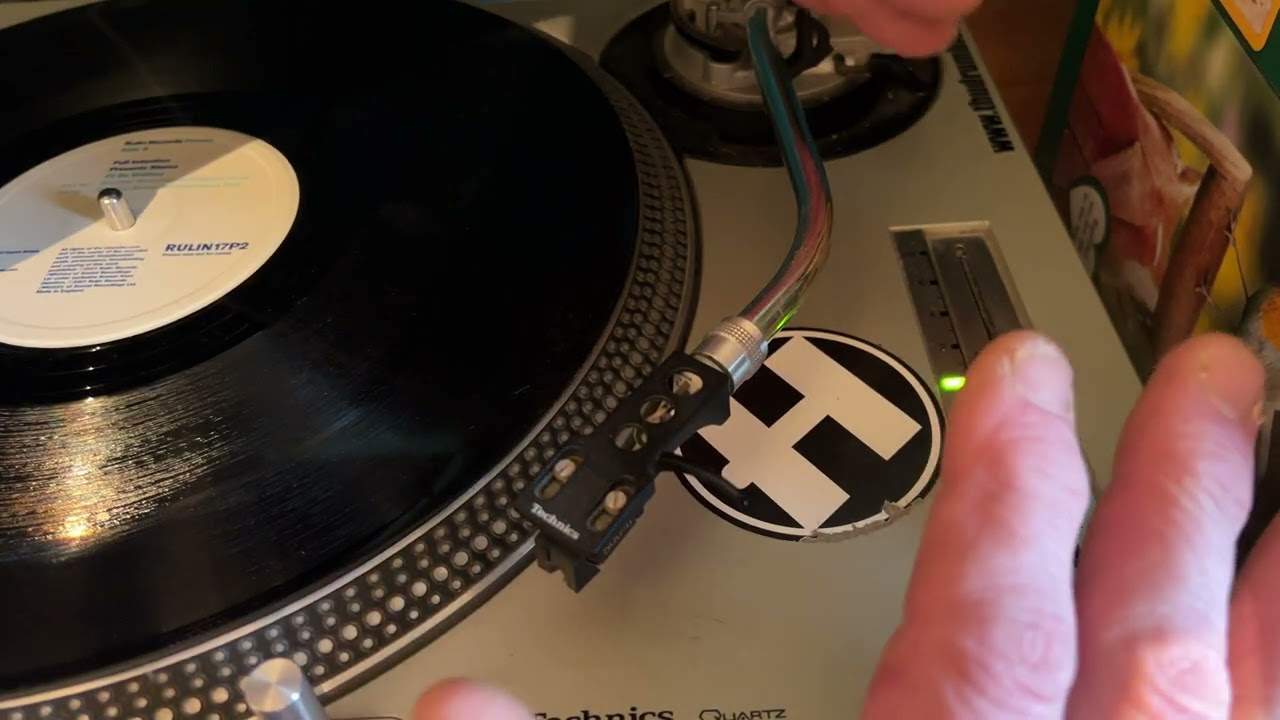
The last thing you need is to be stuck against a wall like this and you're moving around. Give yourself some room. Let's go and take a look. Right, now I mean every place is different. Now bearing in mind this particular table here, I mean you're not going to have something that big, okay? But, I mean at the end of the day if I had that in every single gig I would be well happy because that is rock solid, loads of room on it. Now then behind there I would say there's about four foot. Now ideally, maybe another foot because bearing in mind, ideally you want to have your music behind you. You want to have your CDs, your records behind you. Why? Well, simply this. The last thing you want is to put your music and your CDs in front of you. I'll pause the camera and I'll show you exactly why. Hold on. Right, watch this. Let's say for example the turntables are here and I've got some vinyl and I've got some of my CDs there.
2:36 I have to turn around now, okay?
Now, I have to turn around now, okay? And I'm facing away from the crowd looking at something. Well, of course, because I'm not looking at all this gear, these things here are very easy to nick. And believe me, it's happened to me. Someone has taken quite a few of my CDs because I've had my back turned to them. So don't let it happen to you. Make sure all of your music is behind you, okay? So you're facing the crowd. When you turn there, you're looking at your music. You can get it and the main thing is nobody else can get it. Hold on. Right, as you can see there, this particular table, there's nothing in the front of it. Now, there's nothing worse than just having your gear set up on a table and people can see your legs twiddling back and forwards but also more importantly no one wants to see dodgy cables all over the place so in a lot of hotels and restaurants they will always have white tablecloths. It's an idea to take a black cloth with you
Black looks very good and it stands out. So what you do is basically you put that black cloth so it's just above touching the floor. The reason being you don't want him touching the floor is that if you have drinks spilt on the floor, it's going to get smelling like shit. So the idea, one or two inches off the floor and then have that tablecloth as well. Covering the table. Why? That's because if you're using some hotel table, you're not going to scratch it, okay? So right, we're going to start setting the decks up, but just bear in mind, let's pretend that I have got the cloth on the table, okay? Bear with me. This is... Okay, right, we've got the deck set up now. Now, theoretically, on that table, the only thing that you should have is your music.
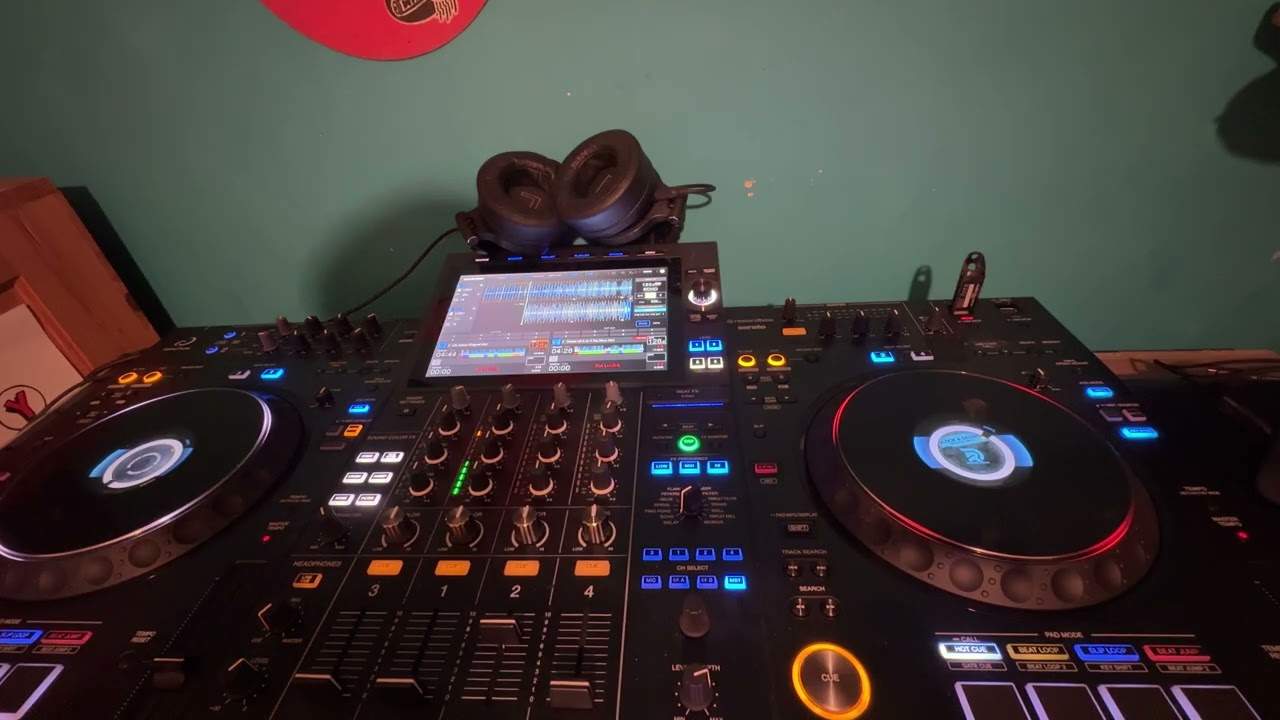
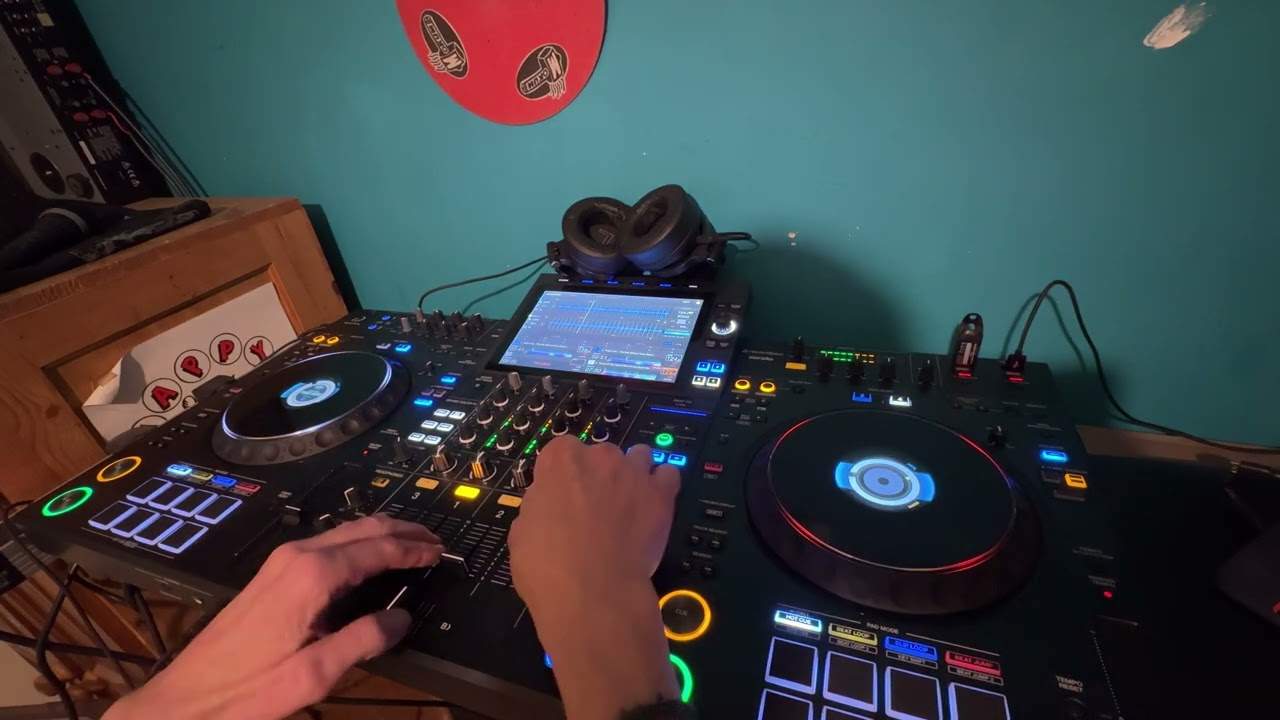
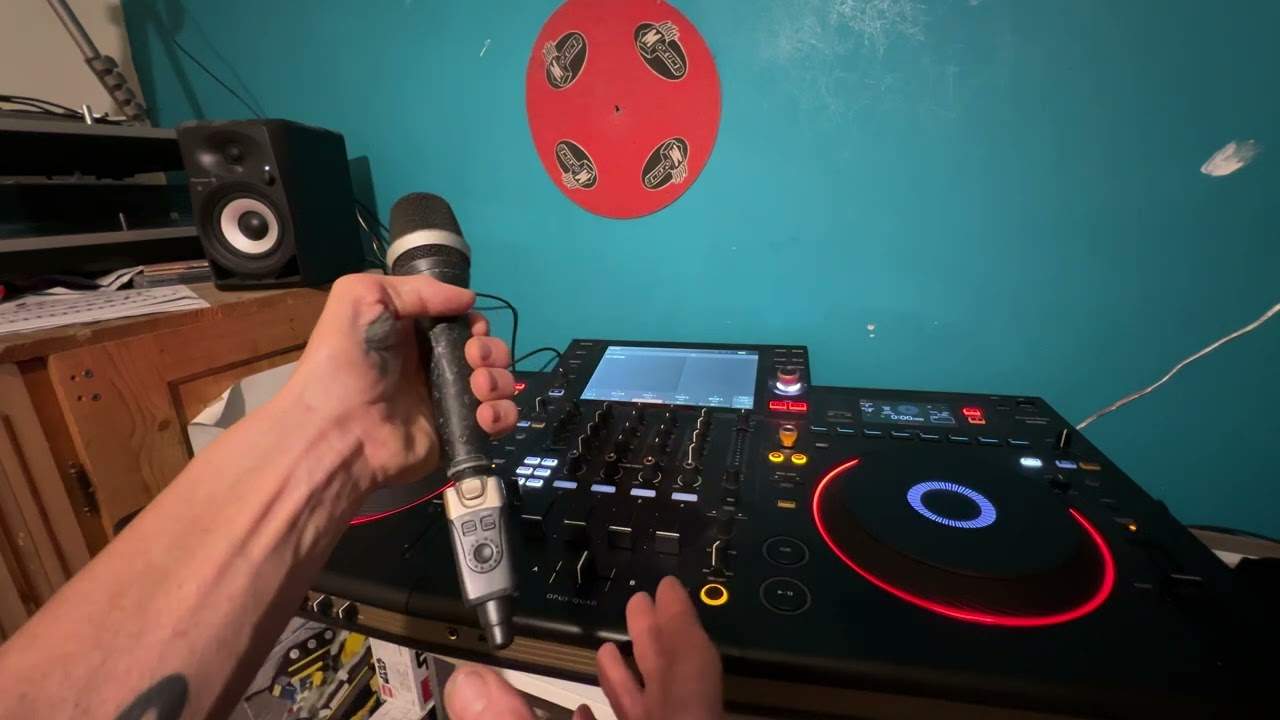
Headphones and a microphone, alright? You know, you don't want loads of crap all over the place because this is the stuff you're dealing with. Yeah, if you've got your laptop, etc., fair enough. Now, you'll notice that I've got the actual line out and then it goes into there. But what I've done is I've got the cable running in between here so we haven't got any unsightly cables all over the place. Now then, we have one, two, three power cables. Have them neatly behind... The system and then down this side here, now we've got three plugs here. Now what I would do, I'd get myself a four-way and I would cable tie that to the leg. Now then, just think about this logically, right? We're dealing with audio here. One, two, three audio appliances. We've got one, two, three, four plugs. Guess what? CDJ, CDJ, we've got mixer.
5:09 I would also have on this side A for audio
I'm at one amplifier. Now the reason I do that is because I know that all the audio is going into one four-way. Now what I would do, I would put on the end of this plug, wherever it goes, A for audio. I would also have on this side A for audio. So I know that the plug going into the wall is A and this is A. So there you go, I know A for audio and I know all this is A for audio. CDJ1, okay? Now then, let's say all of a sudden CDJ1 stops working. Instead of running about and trying to find which plugs which, you would know if you have... Just a tiny piece of paper stuck down with a bit of sellotape and you put CDJ1, and you put on this plug here, CDJ1. So everything works, CDJ1, across here, CDJ1, and then you don't have to follow cables. You can go straight down to the plug and you will know in a second to take that plug out and get a spare one of these, plug it in, if it's the fuse that's gone, instead of messing around taking your fuse out, you've got a spare plug and it would take you three seconds as opposed to half an hour.
This is the way heat works. Heat rises. An amplifier makes heat as well as... And there's two holes at the back. Now these are areas, they're known as vents. There are fans in here. What happens with this particular amp is air is sucked in one way through here and blown out the other way. Now if you think about it, if I put this amplifier here, the hot air is going to blow out and it's going to hit that particular cloth that's coming down. So the idea then is to move this sideways Like so, so now we have a good ventilation. Yes, it may get warm here, but it's not going to get as warm as if this particular amplifier was stuck the opposite direction. Now bearing in mind as well now, the power out from that particular amplifier would be going into the same four-way where we're going to have our CDJs and our mixer. So we know there's four plugs going into that four-way and it's all to do with the audio. Right, hold up and I will set the speakers up.
This transcript was produced automatically from the audio of the video and may contain mistakes.