 7:32
One Way How to DJ Mix from House to Drum and bass Demonstration Tutorial
Contents of the video
0:01 First and foremost, I'm using an iPhone 13 Pro Max
Right guys, first and foremost, I'm using an iPhone 13 Pro Max. So it's interesting to find out if you think the video quality audio is better, worse. Let me know in a comment. Anyway, this tutorial stroke demo isn't really for the faint hearted. Ideally, you want to practice this at home before you take it out there. And if you're going to take it out there and form this sort of transition in front of the public, you better make sure that you know what you're doing. I don't. Anyway, so a lot of this is basic math, basic mathematics. Yes, mathematics is a part of DJing. It's all about your numbers, numbers, BPM. We're going to go from a house style tune into a drum and bass style tune. So I believe I played this sort of beat, this track in a previous tutorial. So you know, let's just imagine Crowder jump into this though. They're well away, they're happy, enjoying it.
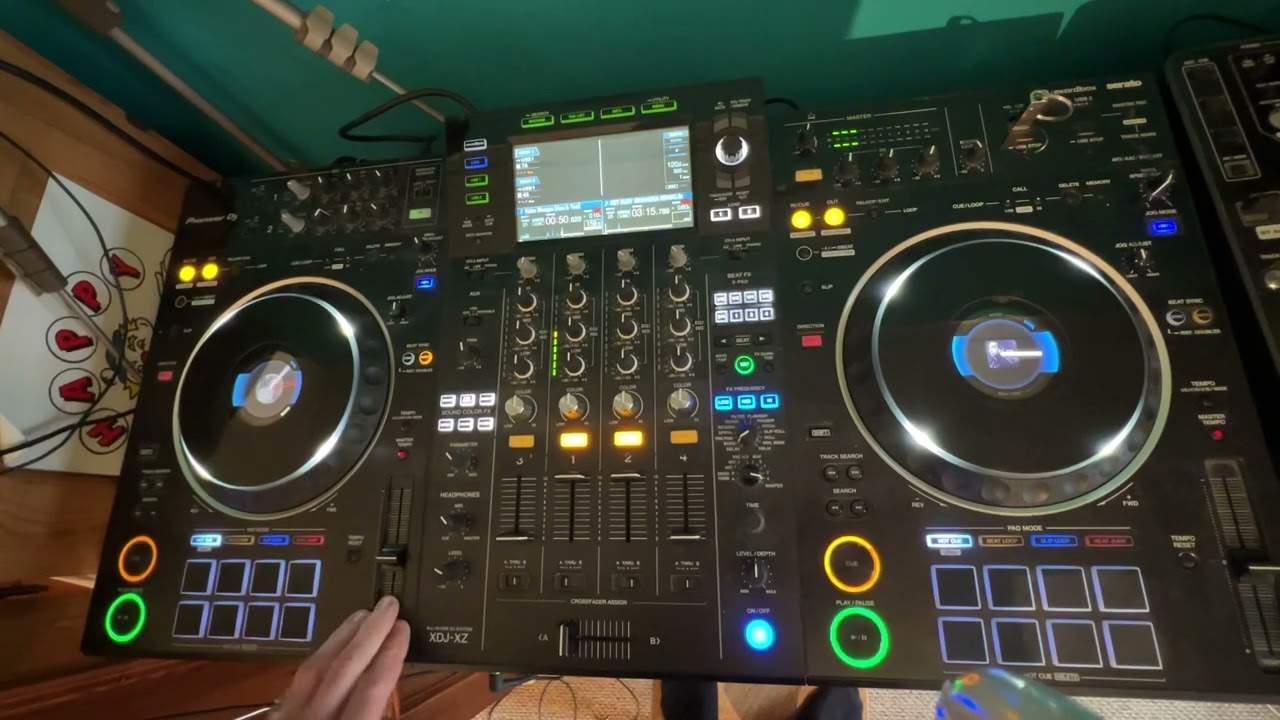
They're enjoying themselves. And you are the drum and bass DJ, but you want to keep the vibe and the energy going. But you just want to sort of maybe speed up a little bit. You want to keep the tempo alive. Now I'm going to demonstrate first, then I'll explain what I was doing. So let's just go forward a little bit. I'm going to go towards the end. Now I've already set a loop. So I've set a loop in this track. I'm still counting 2341 I'm going to see if I can get away with using these two tracks without YouTube going, Oh, you've used someone else's songs. Oh, I'm so sorry. Oh, dear me as if people are going to be ripping this video. And, you know, taking little snippets and playing it to a load of people. I doubt it anyway. So I'm going to run through now exactly what I did, why I did it, how I did it. And of course, the price of cheese in outer Mongolia. Anyway, first and foremost, I'm at plus or minus 10% on both decks. Now,
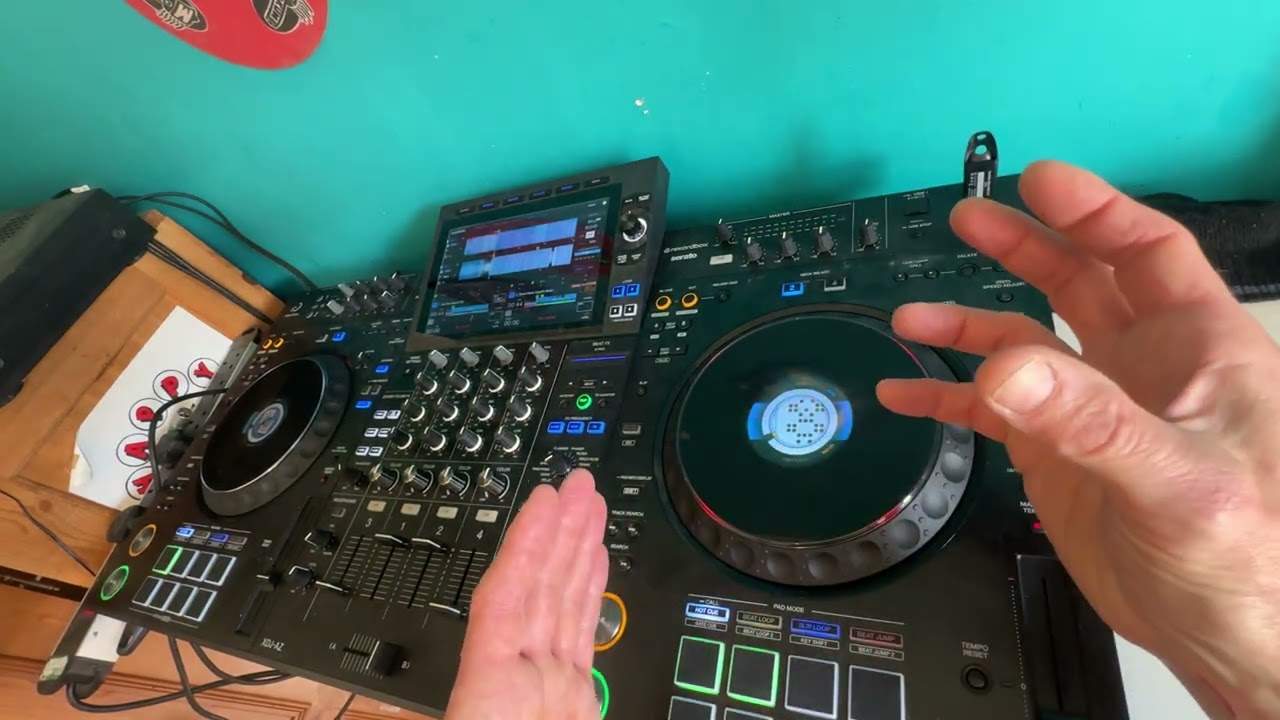
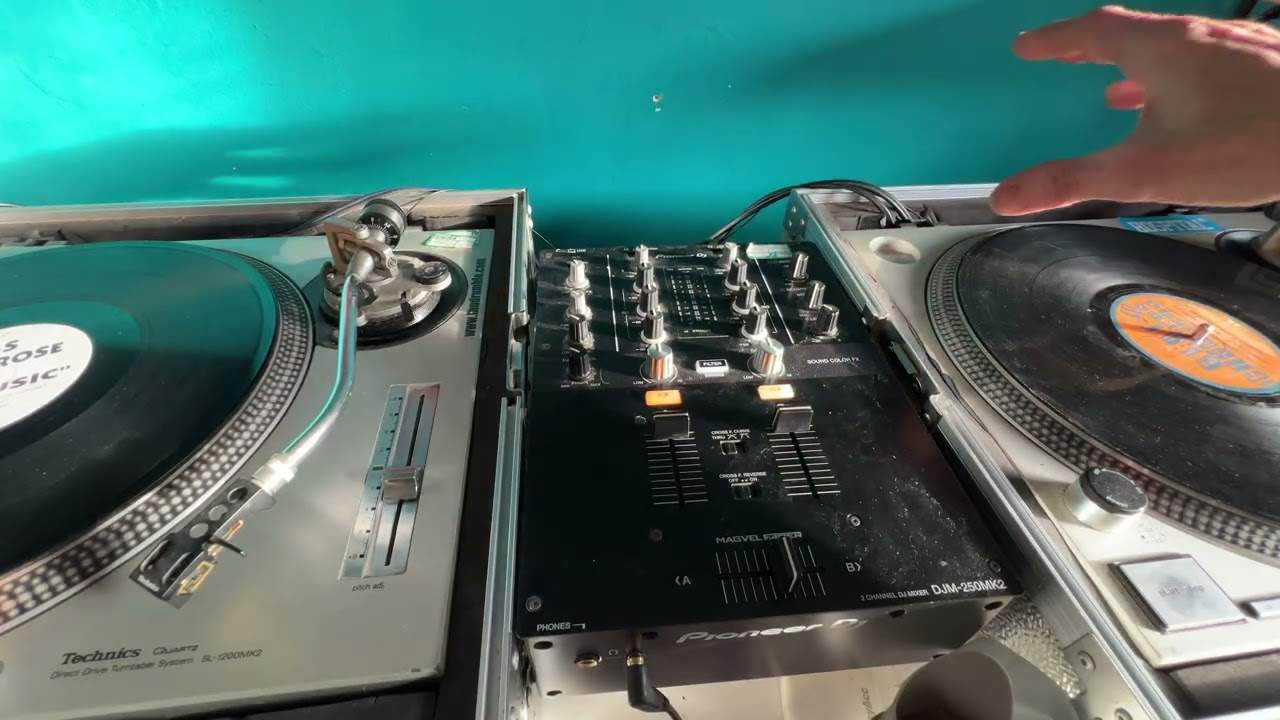
You want to stay at that sort of tempo. The reason being is because, you know, you're just going to be doing general mixing. But what I did do then I switched the house track to plus and minus 100. Now that's quite important, because I did need to speed that one up quite a bit. Now I mentioned earlier on about this just being pure math, math, mathematics. So if I decrease the speed of the track, the D&B track on my left, it's showing me 87 BPM. And at plus or minus 10% on the house track, if I put that all the way down to 00, it's showing me 123 BPM. Now, if I bring the pitch all the way up as fast as it can, as far as it can go at 10%, it's going to get to 135. And if I slow the D&B tune down 78. Okay, now that isn't 78 BPM. That's actually only half time. So that would be 141 BPM.
154 BPM, I believe. So what we have to do is we have to increase the tempo of the house tune. So what I did is I moved that to the wide position while it was still set at the speed that it was going. Now, also, what is quite important is you need to make sure that the pitch is pretty much bang in to the center position, because if it isn't, you'll get something that sounds like this. So let's imagine you're at plus or minus 10. And now you go to wide there. It's automatically going to go really, really fast. Whereas if you do something like this, you're in the center or you're very close to the center position, then it will sound like this. You see, even though it may be increased very slightly, you can just about hear it. It's not as bad as it was.
5:10 Otherwise, it will just jump up very fast and sounds a bit stupid
So the track is playing, you make sure it's in the center position or very close. That's vitally important. Otherwise, it will just jump up very fast and sounds a bit stupid. So from here, go back. I'm at plus 10. Go to wide. And now I can slowly increase it. And when it's at the right speed, bring the next one in. But there is a little bit more to that that I will explain. Now again, while I'm bringing it forward, if you rewind the video, you'll notice when I brought the drum and bass tune in, I didn't just bring it in anywhere. I was still counting, you know, 1, 2, 3, 4, 1, 2, 3, 4. So I wasn't just bringing it in after the second four or the third four, I made sure it was after the fourth or the eighth to keep some kind of phrasing in this mix that I'm doing in the first place. So if you think about it, 87 BPM, 87
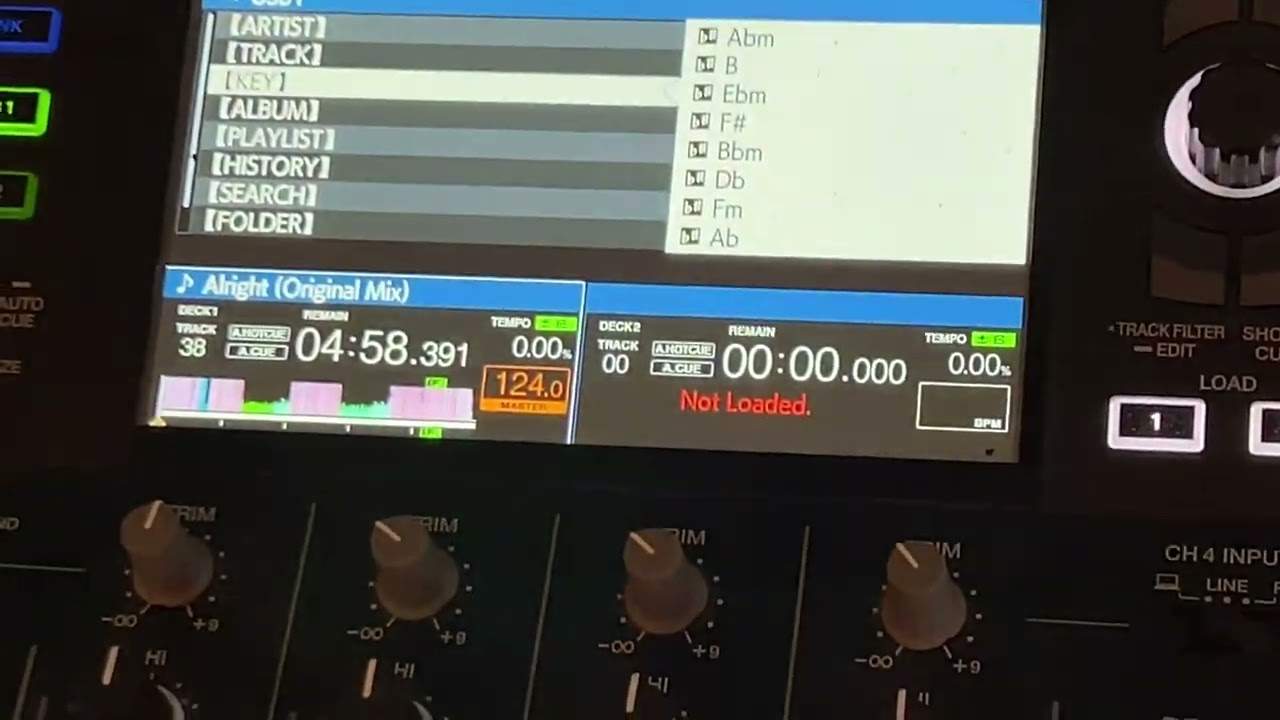
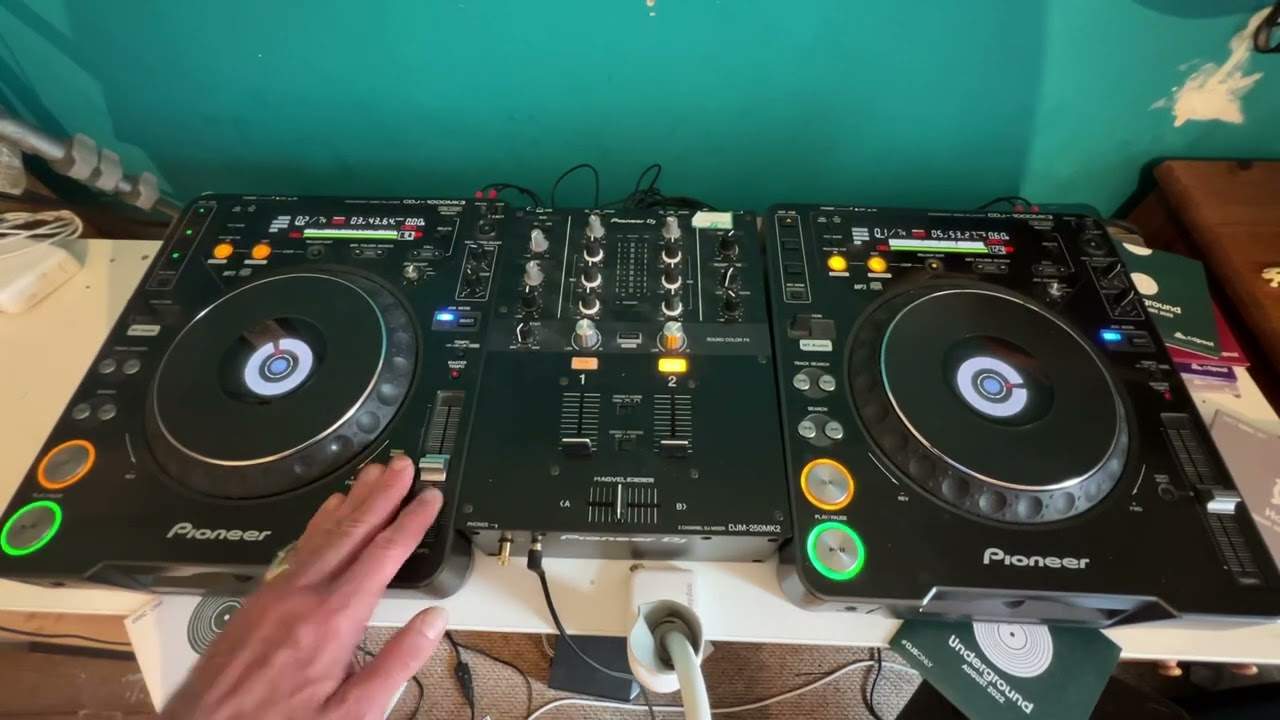
And 87. If you're not good at maths, which I ain't, 8 and 8 is 16, which is 160, 7 and 7, 14. So 160 and 14 is 174. So all I did, I brought this up to 174. So if we have a look, 174. Now again, you know, this is relatively old school technology. So you're going to have to twist and turn a little bit. But theoretically, excuse me, if you're using some kind of DJ software, and it says 174, it says 87. And you have got a loop that's done on the software, it should be bang on the money. So so have a listen. Bring that down. All right, I hope that's been helped. Don't forget to like and subscribe. Thank you very much indeed. Also let me know what the audio video with the qualities like. We'd love to hear from you. Thank you practice and
Enjoy.
This transcript was produced automatically from the audio of the video and may contain mistakes.