 9:17
Questions Answerd on Powerd Speakers
Contents of the video
0:00 In other words, you will need mixer, you will need external amplifier,
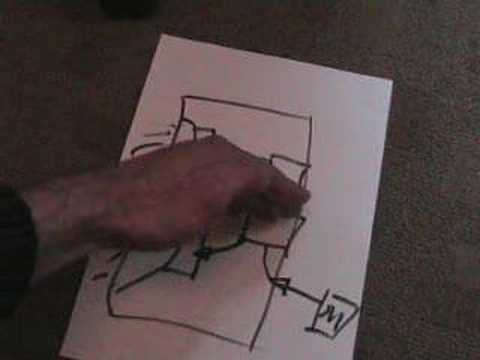
Alright folks, Jonathan here. Hopefully this video will sort out a lot of your doubts, questions with regards powered speakers and non-powered speakers. First of all, a non-powered speaker is a speaker that does not have an internal amplifier. In other words, you will need mixer, you will need external amplifier, then speaker. A powered speaker, you do not need an external amplifier. In other words, you will go mixer and you can go directly To the speaker. So pause the camera and we'll have a look at some dodgy pictures that will give you a bit of an insight. Hold tight. Right, I've already done a couple of pictures. The reason being is because I've already done this video once but the bloody phone went so I'm going to have to start all over again. Alright, first of all, M for mixer. DJ mixer, band mixer, anything, doesn't matter. Straight through into an amplifier, AMP amplifier. This is an external amplifier so you have a lead from here, it could be an RCA, it could be a jack, it could be an XLR, phono, doesn't matter.
And then from your amp you will go to a non-powered speaker. Alternatively, mixer, straight through RCA cable, jack, XLR, doesn't matter, and then straight through to a powered speaker. So first of all, let's have a look at this. Now some people have emailed me and they've said I've seen this powered speaker setup but what I can't understand, what I'm confused about is why is there only one bass cab? Well we will go into that shortly. But, if you see a setup like this, a powered setup, don't panic because it is still stereo. So we'll go into that in a second. Now first of all, what is a powered speaker? Now basically, what you've got, if you can imagine, alright, let's get rid of that bit first, because I did do this, like I said, I've done this already once. Right, there's your mixer. Now let's say all of a sudden, this is a non-powered speaker. From your mixer...
2:22 From the big speaker, and it will do the opposite
Okay, you would have to go an amplifier. So let's say you'd have an amplifier here and then being non-powered from the amp just you'd have the signal going in and then you'd have a cable going here to the bass cab and one here to the mid and top or the high frequency. Yes there would be a crossover and the crossover will separate the treble sounds from here, the big bass cab, so you won't have any high frequencies coming from here. From the big speaker, and it will do the opposite. It will take away all the big boomy sounds from here so you'll only have treble sounds coming through the small speaker. But now a powered speaker, what you'll do is you'll go mixer, this is the original diagram now, straight into the cab. Now in a lot of modern day powered speakers, you won't just have one amplifier, you'll have two if there are two speakers. You could have three if there are three speakers.
Now what will actually happen is you'll have a signal coming in, that signal will come to an amplifier. That one amplifier will power one speaker. Then you'll have the same signal coming in to another amplifier but also the amps are doing a couple of things. One is they're powering the speaker but also they're taking away the frequencies that aren't needed for these particular speakers. For example this one could be taking away all the treble and mid so you've only got bass. This one here will be taking all the mid, sorry, all the bass away, beg your pardon, so you'll only have treble. So this is what's happening now. Also, a couple of people have emailed me and they've said, look, can we blow, can we knacker our powered speakers? Excuse me a second. Sorry about that. Can we knacker our powered speakers if we put too much signal into them? In other words, if we're pumping up here on the actual mixer,
4:41 The power output of the amp and the power output of the speaker
Can we even blow powered speakers? Well, yes and no. The reason I'm saying yes and no is logically if you're going to go into the red continually these amplifiers are going to get hot and there's a good chance they could turn off overheat or you could blow something in these or yes maybe you could knack of the speakers but no as well because a lot of modern day powered speakers have So in turn it will reduce the power going out of the speaker, therefore stopping you knackering your speakers. Now also there's one very important factor to consider with buying or not so much buying but using powered speakers and that is if you have like here now, you have mixer external amplifier and speaker.
You can theoretically use virtually any amplifier to power any speaker, but you've got to take into consideration the power output of this and the power output of that. The power output of the amp and the power output of the speaker. Because you could have a 100 watt amplifier and you could have a 100 watt speaker, they'd be fine. You could have a 1000 watt amplifier and a 100 watt speaker, you could still run that speaker. But if you start cranking this amp up You're going to blow the speaker. But exactly the same applies if you have a 100 watt amplifier and a 1000 watt speaker, because if you crank up a 100 watt amplifier too much and you put a distorted signal into your speaker, you can still damage speakers. Now let's go back to this guy here, the powered speaker. What the manufacturers will do, they will actually make an amplifier that is perfectly made for this speaker.
They'll make another amplifier that is perfectly made for this speaker. So theoretically, all of this is made for all of this. It's a silly thing to say, but what I'm trying to explain is that inside this box, everything is made for the speakers. So in other words, if you can imagine this guy here, the amp, the external amp, The actual drivers, the big woofers and tweeters that are making the sound. That's one of the beauties of modern day powered speakers. Now also someone emailed me and they said what I can't understand Jonathan is why is it you have left and right? So that's the left side, that's the right side but why is it some powered speakers setups will only have one big bass cab? Well here's the deal. Now in a normal speaker
7:32 What they're actually doing is they're having in, left, and in, right,
What you have, if we put it to very basics, you have an input and an out. In other words, you've got your two cables and the cables will run around the magnets like so, or the cable, and it'll go in a circle around that magnet and then it will go out of the magnet. Now let's say for example that is left like so. And it'll run around the actual driver and it'll go out. Now let's say that there is our right hand side bass cab, and this one is our left hand side bass cab. Well guess what? What's going on here with this bass cab is this. What they're actually doing is they're having in, left, and in, right, like so. And then also at the same time they're having out, left and out, right. Now it sounds a bit bizarre but this is what happens in left and what will happen it will go around the actual magnet and it will go out and at the same time what's happening is this in right and it will go around exactly the same magnet and out so in other words
Bass, because it's omnidirectional, that bass cab which is there has actually got two coils running around it. The one coil from the left hand side and the one coil from the right hand side. So I hope that's been a help. And also again, the bass cab in a powered system will have an amplifier. Sometimes the bass cab will have all the amplifiers that will run all the speakers. Quite often though, you will just have the bass cab that will have the amplifier and then there'll be amps in these guys as well. So in other words, you'll have a power cable coming into here, a power cable coming into here, and a power cable coming into here. The ones that will actually supply the energy for the amplifiers. I hope that's been a help. Practice and enjoy.
This transcript was produced automatically from the audio of the video and may contain mistakes.