6:02
Scratching tutorial for the New Turntabalist.
Contents of the video
0:00 To get to, or to actually show you the difference
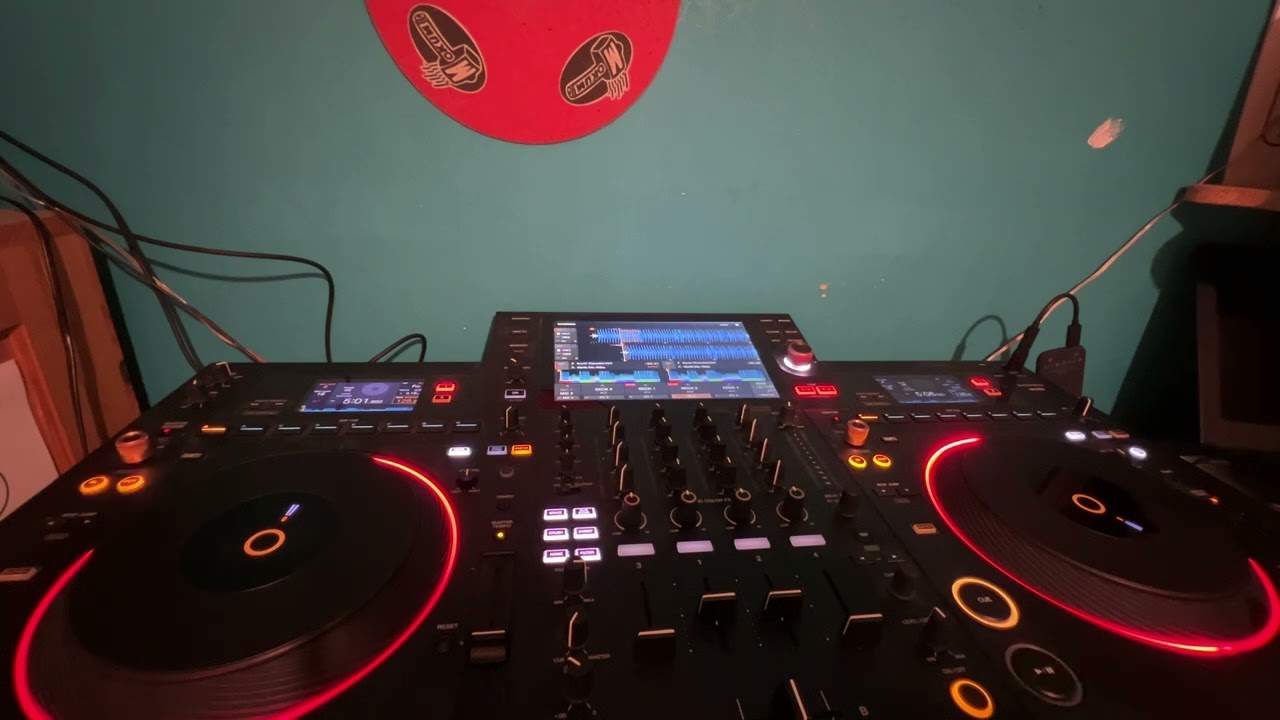
Alright folks, Jonathan here. Now I haven't done a scratching tutorial for quite a while so in this one what we're going to be doing is something quite similar to the first, second and third video and that is we're going to be moving the actual record forwards and backwards but the difference is we're going to be moving it backwards in a slightly different way, okay? Now I will be moving the record forwards and backwards just as normal and then we'll be doing it in a slightly different way afterwards. To get to, or to actually show you the difference. Now there's a very, very slight difference. It's very subtle, but it does sound a lot better, okay? So we'll pause the camera and we'll have a closer look at the deck. Okay right, here we go. Now the track we're going to be using, it's on Def Jam Recordings and it's Public Enemy, a track entitled Bring The Noise, and this is the acapella version. Now then, right, a basic move for scratching is just the forward...
And backward motion. Now then, what I'm going to be doing, the platter is going to be moving. You'll actually see this move and I'm going to have my finger on the record like so. Now find the beginning of the actual scratch. Now then, I can do this one of two ways, okay? Initially, I can either keep my fingers on the vinyl and then just let the vinyl move the normal speed. ...that it would actually be moving along with the platter. Not speeding it up, not slowing it down. So let it move the normal speed forward, like so. Again, it takes a bit of practice but you see what I mean. And also, when I bring the vinyl back, try and bring it back at the same speed. But of course logically, because the platter is moving in one direction, you're going to have to physically bring that record backwards. So have a listen.
1:53 Or two times I did
Now again, the first one or two times I did it, it was a bit dodgy. But then once you get into it and you just start to feel the way the actual turntable is working, you can work with the turntable. Now the other way of doing this is whereby I have my fingers on the piece of vinyl, like so, and if you imagine there's an imaginary magnet. On the piece of vinyl and where my fingers are. So what happens, my fingers are on that vinyl. I lift my finger off the vinyl. As soon as I lift my finger off the vinyl, the platter will start moving the vinyl forward like so. But I need to imagine that the magnets are still there and the magnets are holding my finger. Now then, this is the difference what we're going to look at today. Have a listen to this first of all. Let's find the beginning. Okay, first of all listen to this. Now there what I'm doing...
3:46 Last, piece, vinyl turntable
I'm letting the record move forward at its own speed and trying to bring it back at almost like the opposite. If it's going forward 33 and a third RPM, I'm bringing it backwards 33 and a third RPM. The difference with this one, have a listen to this. Now again, the first couple of times it may sound a bit dodgy but when I get into it hopefully we'll see the subtle difference. Now then, what I'm actually doing there, this is the difference. The record is going forward at its normal speed. Now, when I catch it here, I'm actually bringing it back a little bit slower. But then what I'm doing at the tiny, the last tiny segment of that scratch, I'm just flipping it back to its original speed. So it's almost like the forward motion and then so you're almost what's happening if you can imagine let's say this vinyl turntable is moving at 33 RPM forwards. So that's
This is the speed that it will be going, 33 and a third RPM. When I then put my finger on the vinyl here, I'm almost trying to bring this piece of vinyl back, say 20 RPM, but then at the last moment I then skip it back to its original speed of 33 and a third RPM. So, that's the sort of sound you're looking for. Right, we'll try it again. Let's get it again, sorry Emma. Now I hope you get the general idea. Now again, I am not the world's best turntablist. In fact, I'm absolutely crap. But if I can teach you a couple of moves, then all the better. Now this is about practice. That's what it's all about. So again, the moves are as follows. Finger on the actual piece of vinyl. Go forward at exactly the same speed that the vinyl turntable is going, whether it be 33 or 45. When you then bring the piece of vinyl back...
You have your finger on the vinyl and you bring it back slowly to begin with and at the last part of that particular piece of, not the music, the particular piece of acapella or whatever it is, the vocals that you're scratching, at the last part of that you just sweep it forward, sweep it backwards a little bit faster. So you're going... Imagine you're stroking something and you're just flicking it at the last moment. Flick. Backwards and flick, backwards and flick. Now that is what you need to practice. I hope this has been a help. Thanks for watching. Practice and enjoy.
This transcript was produced automatically from the audio of the video and may contain mistakes.