 5:06
Simple bass Swap DJ Mixing Demonstration Tutorial for Beginners
Contents of the video
0:01 Bass, line, playing soon
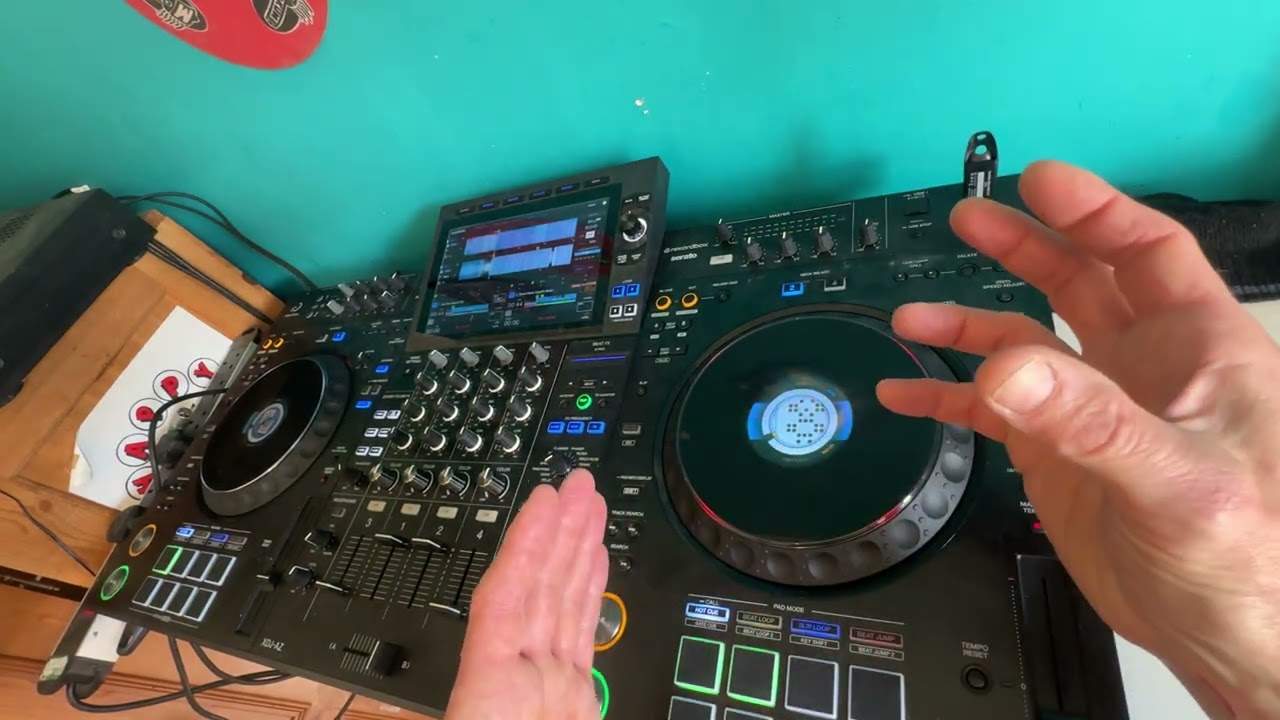
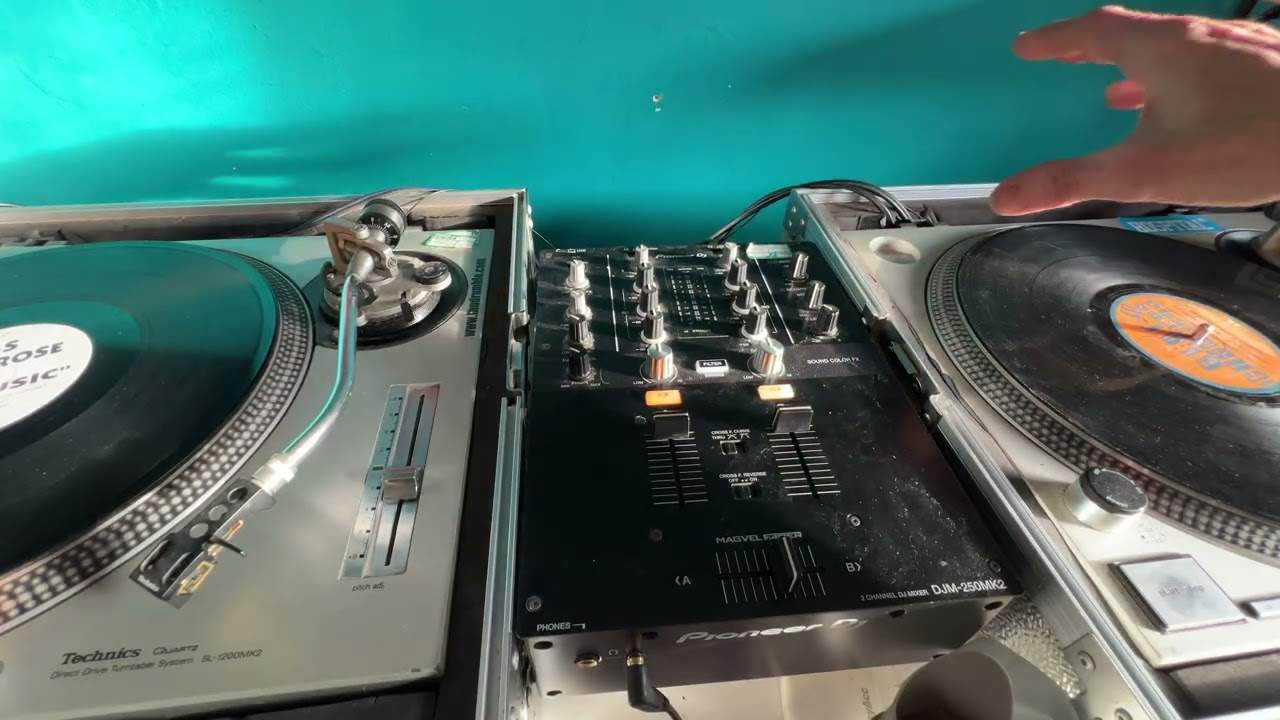
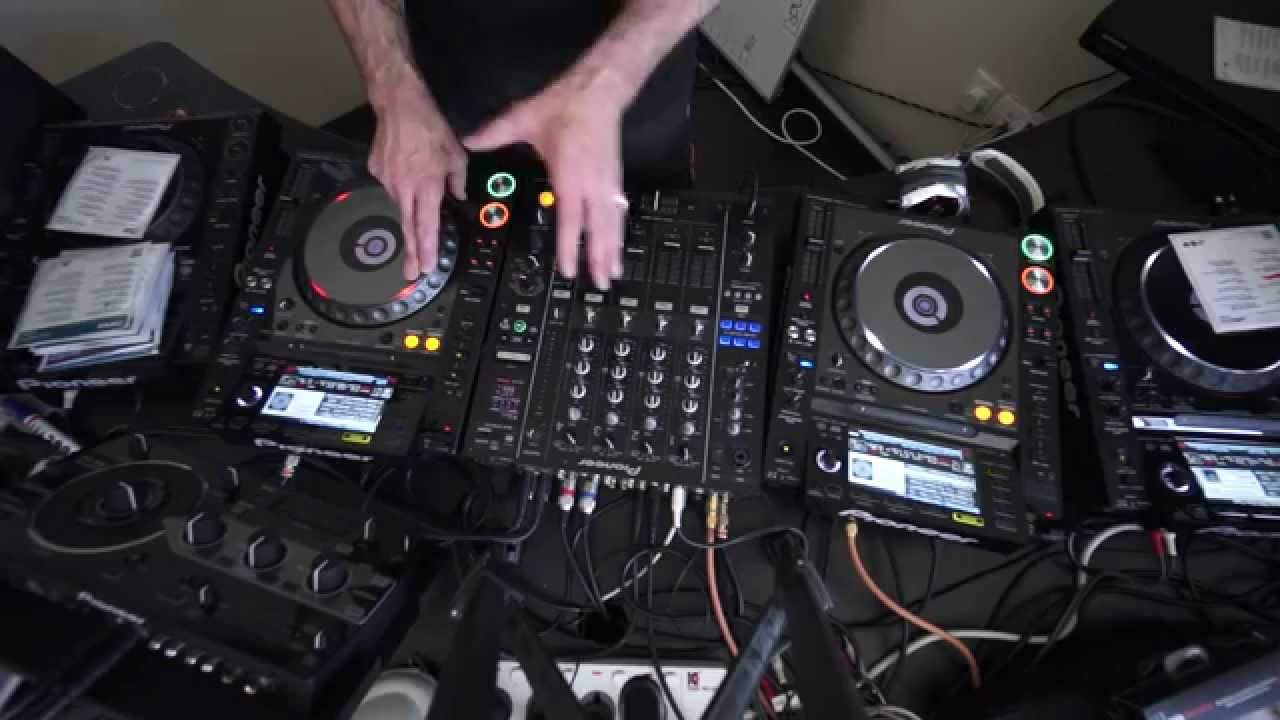
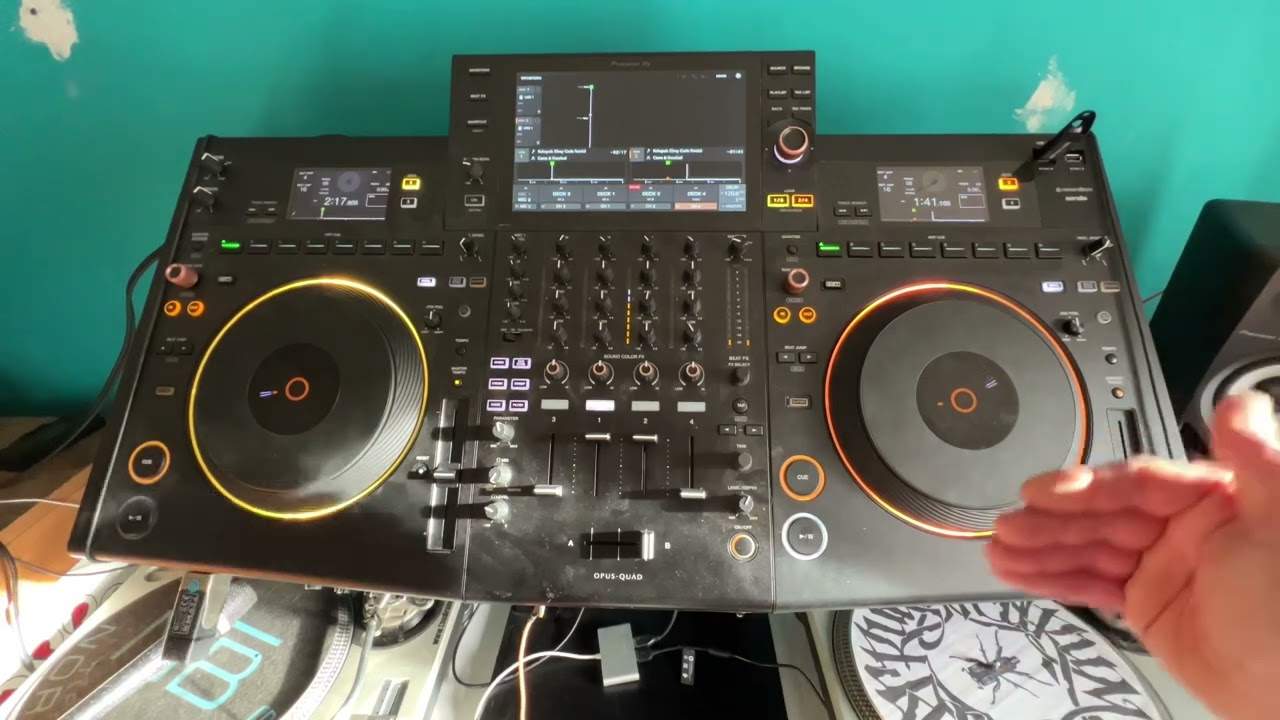
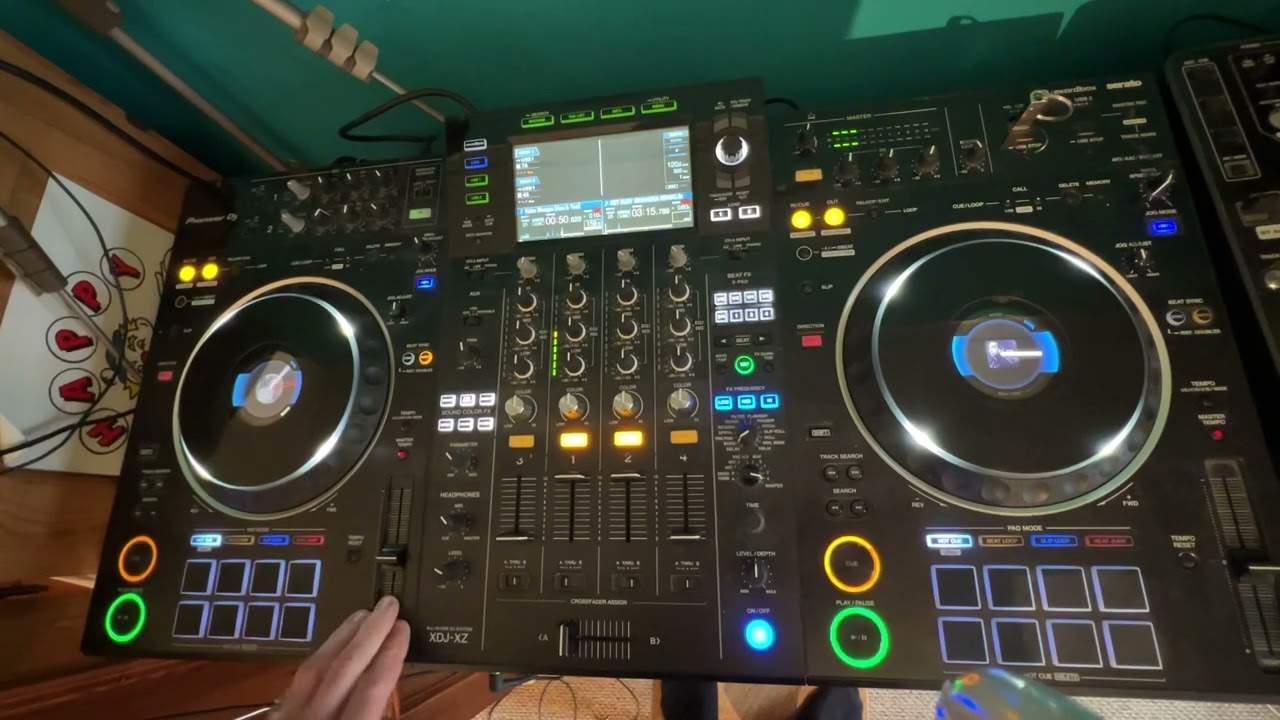
Right guys, this is hopefully a very simple demonstration and a beginner tutorial on what I would class as a bass swap. Now before I go into great details, you do see a lot of DJs, you know, over a mix, what they're doing is they're slowly increasing the bass and messing around with the mid, the top and taking away the bass from the other side very slowly and so on. But if you follow a basic principle of timing and phrasing, there's no real need to do that. Because as soon as one bass line finishes, the other bass line starts. So if you think if you're overlapping bass lines, then okay, fine, so long as they sound in key, or they are in key, keys that match work well together. That's fair enough. But if you want to do just a very basic bass swap, then it's as simple as this. Your bass is out on one side, your bass is on
The other side, and then you do a simple transition like that. That's it. So one finishing finishes, one comes in. Now, before I give you a demonstration, as well, if you've got one bass line finishing and one starting, you may think, well, in that case, there's no need to use the bass because as one finishes, the other one starts. Well, there is, that's partly correct. But if you don't want to overpower the whole EQ and put too much sort of sound out there, then of course, by just taking the bass out on the one that doesn't have the bass line playing, and then as soon as the bass line starts on that side, put the bass up and take the other one out. What you're doing is you're compensating for the overlapping of the two beats working together. So the one's playing in the background, and the other one's playing as soon as the bass line comes in on the one you're bringing in.
2:01 Again, I'm not using headphones at the moment
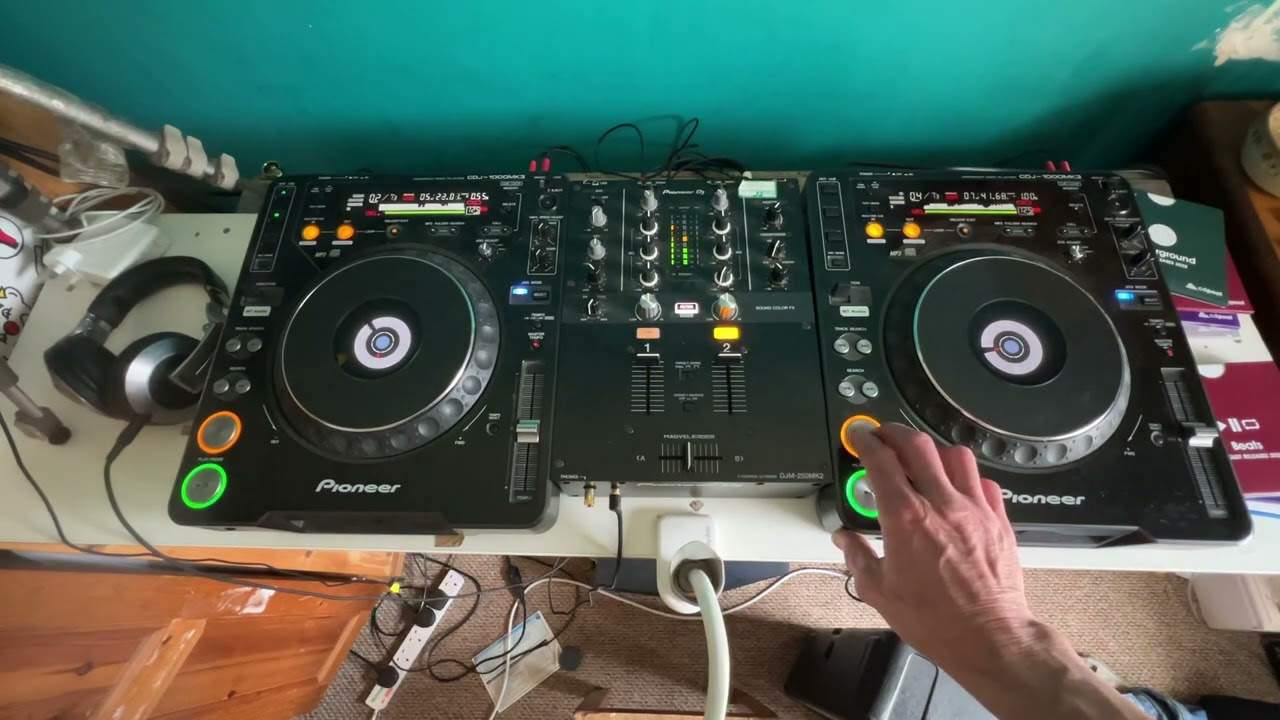
Turn the bass up, and exactly the same time, turn the bass out on the other side. And then hopefully you should have a more smoother kind of transition. So what I'm going to do here, I'm going to let this one play. And then as soon as the bass line starts, I'm going to start the other side. Again, I'm not using headphones at the moment. So if it does go slightly off, it's because I sort of want to concentrate more on this and what I'm doing, not how I'm having any sound in the ears, or you know, well, hopefully do. So that conga sound in the background is basically this side. If I turn that up, it's not that much difference. But then I could be overpowering the overall mix if it was coming through a big PA system. And again, the LEDs are slightly lower on the right hand side, because I've taken the bass out there. Okay, let's do exactly the same mix this time, not
Doing a bass swap. So again, I'm going to wait for the bass line on the left deck to come in, and then I will start the right deck. So a lot. The reason I'm doing that is I want to keep in phrase with the two tracks. And again, 99.99999% of the time dance music is in phrases of four bars, eight bars, sometimes 12, but generally four, eight, 1632. So let's leave the bass as it is. So you can hear that rolling bass line on the left deck, down really slightly. Bass line coming on the right. See to me that sounds messy. That sounds a lot clearer. All right, hope that's a help. Don't forget like and subscribe. Leave a comment as well practice and enjoy. Thank you
This transcript was produced automatically from the audio of the video and may contain mistakes.