 7:52
Scratching on a controller, CDJ or turntable
On YouTube this video is called Simple DJ Lesson on Scratching on a CDJ Controller or Vinyl Turntable
What this lesson teaches
A beginner lesson with a name attached to the move, which helps when you go looking for more.
The baby scratch
The simplest scratch there is: the record forward and back, in time, with the fader open throughout.
No crossfader work, no cutting, no clever timing. Just the sound going out and coming back, repeatedly and rhythmically.
It is the first recognisable scratch and it is in almost every more complicated one, because every named technique is a baby scratch with something added - the fader closing on the return, the hand pausing, two movements where there was one.
Taking the bass away
He pulls the bass out before starting, which is the same practice as the CDJ lesson - less rumble, and the scratch sits above the music rather than fighting it.
Worth noticing that this is also a musical decision. A scratch is a mid and high frequency event; leaving the bass in the scratching channel adds nothing you want and muddies the track underneath.
His caveat to the experts
He addresses scratch turntablists directly and expects them to be laughing. His response is the right one: these are beginner lessons, and the alternative framing is that they are the complete nutter.
His description of the skill he is not demonstrating is worth quoting for the tone of the series - scratching behind your back, with a pitchfork up your nose, dangling from a string.
Where to go next
Once the baby scratch is in time, the next additions in roughly the order most people learn them:
Closing the fader on the return, so only the forward motion is heard. That is the beginning of the cut.
Varying the speed of the forward push, using the three moves from lesson two.
Two forwards to one back, which starts producing rhythm rather than oscillation.
Each is a small addition to the same movement, which is why the baby scratch is worth doing until it is boring.
Contents of the video
0:00 This video is all about learning to scratch for the beginner
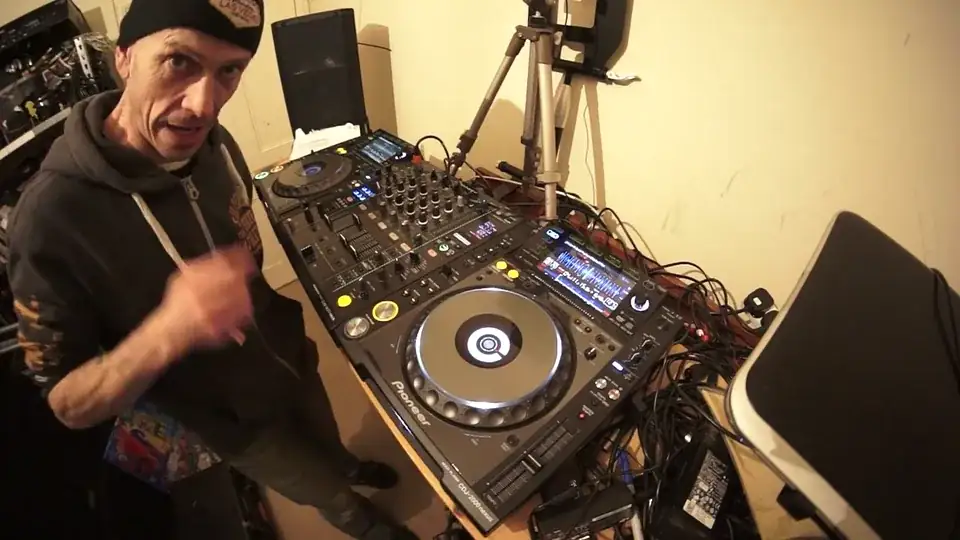
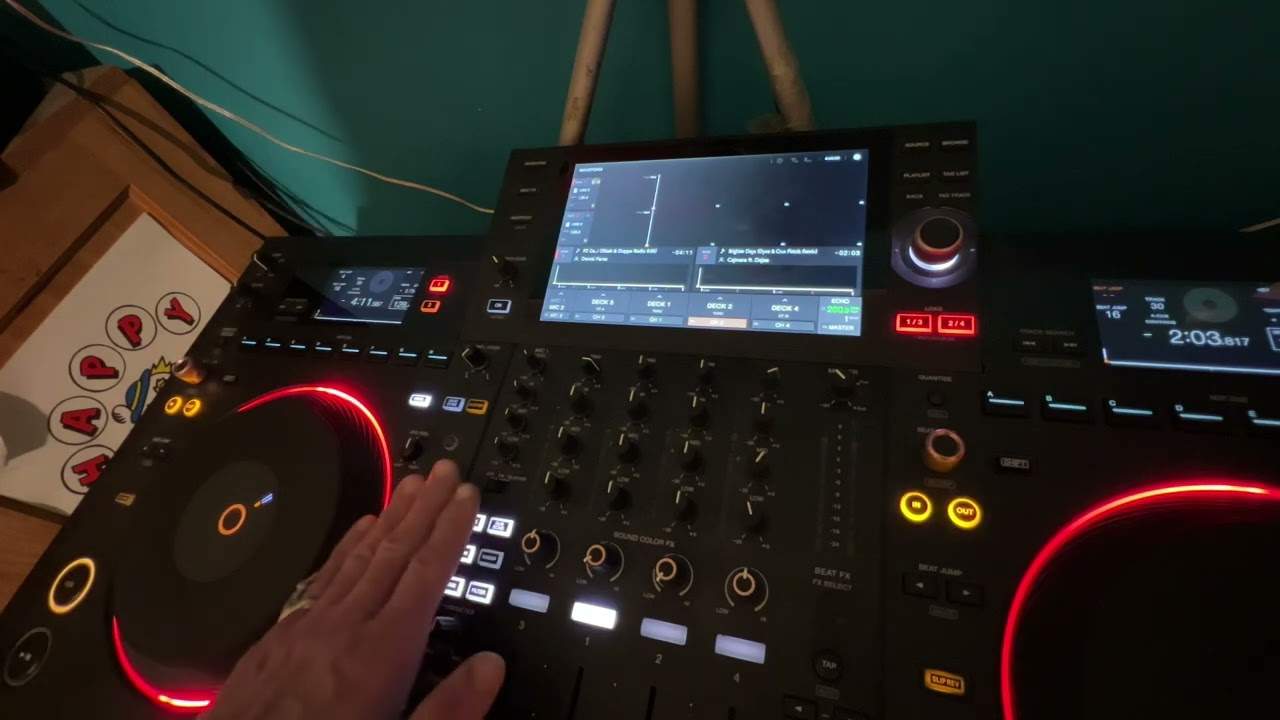
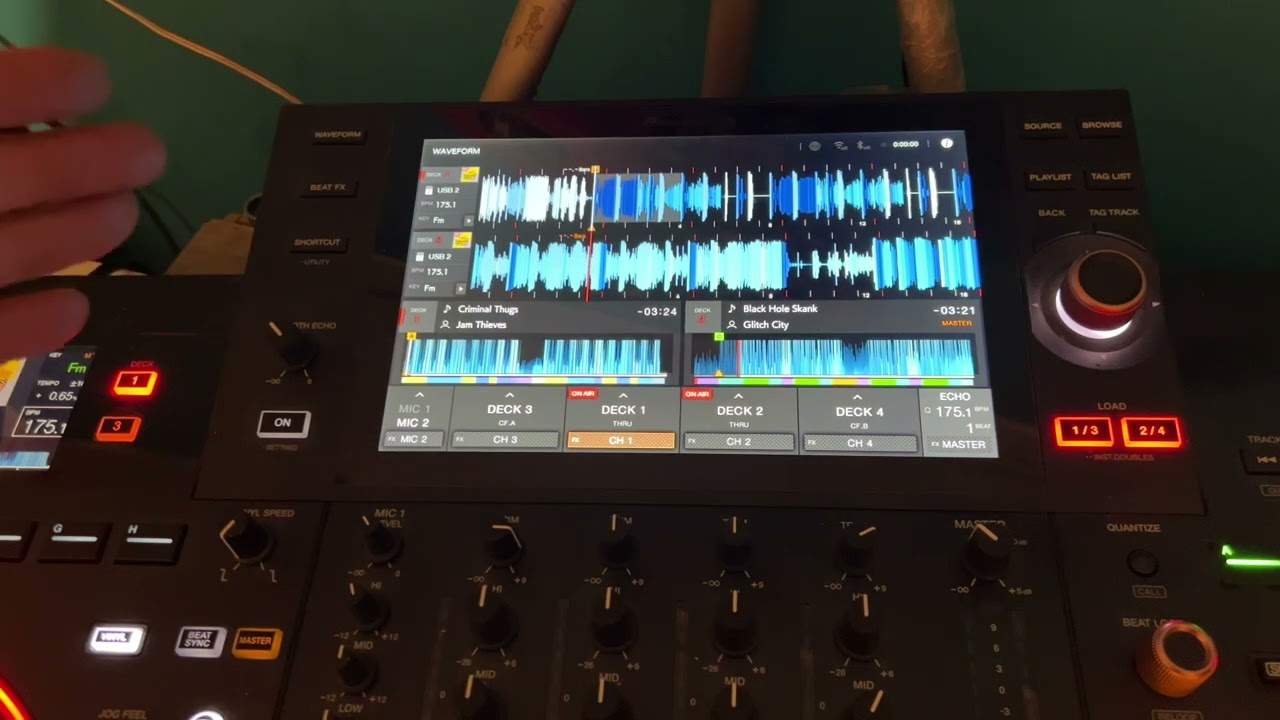
Alright guys, this video is all about learning to scratch for the beginner. But of course, we're on about turntables. Now in this video I'm using a track from Isolene Fontana. It's a track entitled I Get A Good Feeling. It's the original mix. So, scratching. I'll give you a demonstration first and then I will explain what I'm doing. Okay? Thank you. Right, so, play the tune. Okay, we're going to take the bass away.
1:46 Bass, platter backwards, scratch
Right, first of all, actually secondly for the scratch turntablists out there who are probably on their backs now laughing their heads off. Well if you are, two ways we can look at that. One is that yes this was so simple but the other way you can look at it is you're a complete nutter idiot because these are beginner DJ lessons. And what I was doing there is pretty much what you can call the baby scratch. It's like the beginnings, learning to scratch, not behind your back with a pitchfork up your nose while you're dangling from a string tied with one leg tied behind your back with a crocodile at your bollocks. I mean, you know, that skill. Crocodile, no. Okay, but this... This is the Baby Scratch. It's something that is simple for a lot of people, but for some it's very difficult. So what am I doing? I am pretty much moving the platter backwards and forwards in time with the track. That's a way of looking at it very simply, but it is slightly more intricate than that. Believe me, it is.
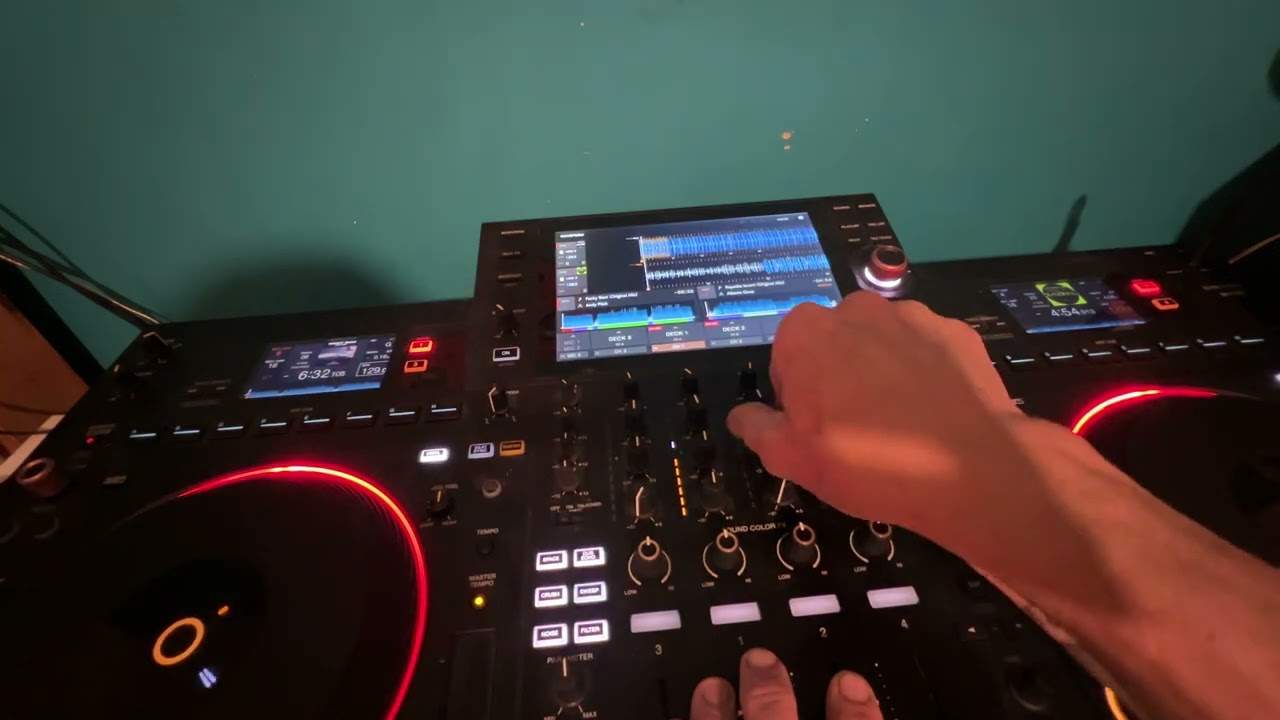
Now, first of all, what I did do is, I think it was first of all, I reduced the bass on the mixer. That's because with old school turntables, if you had the bass up at 12 o'clock or too high, while you're moving the platter backwards and forwards, you would get a very big rumbling sound. Now, potentially there are some scratch turntablers out there that have been doing this for six months or a year have gone, I never knew that. Well, you bloody well do know. will reduce the bass, so no rumble. Secondly, it's about timing. Now this may seem easy, just back and forwards, back and forwards, but try and do it in time with the track. It's not as easy as it looks. Not only is it not as easy as it looks, you've got to try and keep on point with the scratch that you're scratching.
5:19 For example B, C here and A, pretty much the same
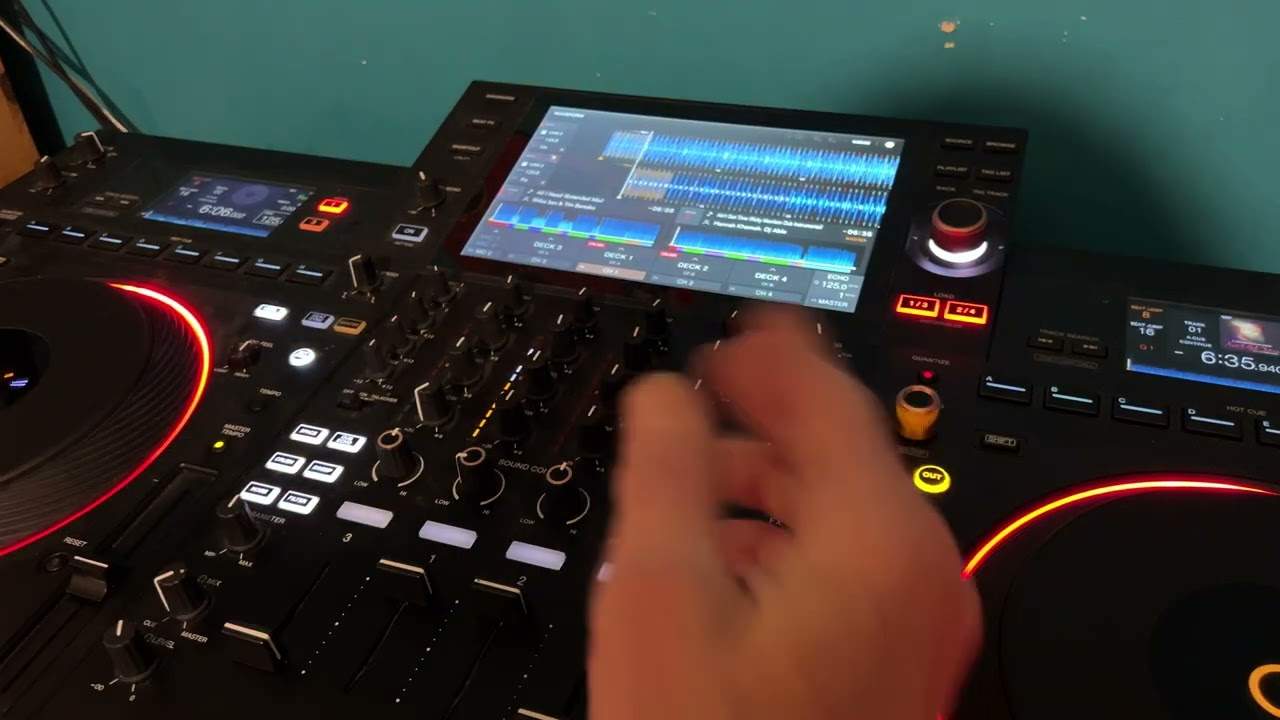
You follow? I'll give you another demonstration. All right, so I just set three cue points as well. Listen. All right, I'm going to look at you. I'm not going to look. My God, it's gone dark. Yeah, and so on. Now, the other tip is, I think it was B here. What I did, I set a cue point on the two and or the four. One, two, three, four. Not the bass kick, the high sound. The snare, because you get a better sound for scratching if you're going to use higher sounds, higher frequencies. You'll find a lot of scratch turntablers do not use the bass sound. Again, because you have to turn the bass down and if you're going to move the platter backwards and forwards, especially on a vinyl turntable... And the PA is quite loud, you're going to get a lot of rumble. It's highly likely that you probably won't even be able to scratch that because you'll get a lot of feedback. So what I try to do is set three cue points that were quite high sounding parts of the track. So for example B, C here and A, pretty much the same. Now the baby scratch or
Yeah, there could be a different term. It's about trying to move backwards and forwards in time. So you have the kick, one, two, three, four. What you're doing is one, two, three, four. So the movements are on the one, you're going forward, back, two, forward, back, three, forward, back, and four, back. One, two, three, four. One, two, three, four. I'll now do that with the track. And then, as you get better, you can double it. Or double that. Here we go. Right, so, it is simple, but it isn't. And in life, things are only as simple as they are to you. The more you practice, the better you get at it, the more simpler it becomes to you. To other people, it could be fricking frigging impossible. Hope that's been a help. By the way, if you want any more info on good turntablism skills, check out DJ Angelo on the DJ Tutor's Facebook page and I will finish off with practice and enjoy and see you at M... Ow. See you... I'm not going to do it again. Ah, see? Come on then. Come on. See you at MBLV...
In Vegas in March from the 14th to the 17th, Tropicana Hotel. I will be there promoting V-Moda and if you're interested in some of their headphones go and check them out. A big shout out to all the crew that'll be going there and Gene. Oi mate. You know what? Not a lot of people know that. Take it easy. It's a bit of an in joke. Practice and enjoy. Thank you.
This transcript was produced automatically from the audio of the video and may contain mistakes.