 7:01
The Fundamentals of RE-MIXING a Toon/ Song /Track
Contents of the video
0:00 They'll have a beat separate to the bass line
Alright folks, Jonathan here. Someone's asked me to do a bit of a talk on the fundamentals of remixing a track. Now first of all, every piece of music that you listen to, someone, somewhere down the line has made that. Someone has had an idea and thought, I know a good idea for maybe a beat, maybe a bassline, maybe a melody, maybe they've written a song and then made a track. Quite often what they will do is they will get that produced in a studio. Now what happens is this. They'll have a beat separate to the bass line. The bass line will be separate to the melody, the melody will be separate to the vocals. So if you imagine you've got all these different facets and you can chop and change and move certain facets in, certain facets out. So you could just have the beat and the bass line, then maybe you could take the bass line away, put the melody there. So what happens, if you think about it, let's imagine they've got a huge big program of the entire song. Now what they can do, they can pull that apart
Whenever they want to and however they want to during the mixing process. That's very important. Once that particular track is on a CD, then I'm sure there is certain software where you can take away certain facets but while that particular track is in the studio, the track they've got, they will be able to take bits away and add bits. Now, one person, let's say, or two people, they'll make a track. Now, they'll have their mind and their thoughts in making that track. They can make a remix perhaps, but sometimes, or more often than not, what they will do, they will then hand that track to another DJ, another producer, and then that other person will make their own remix of that track. In other words, a completely different entity. For example...
2:16 Imagine, let's say, imagine that this particular producer, the DJ, is
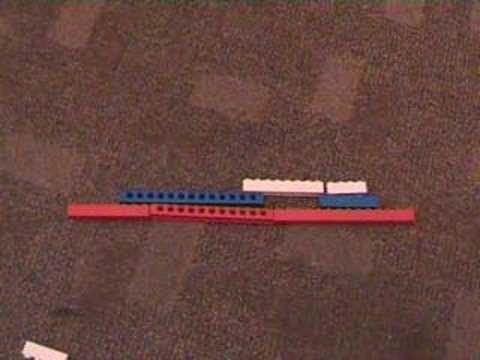
You hear, let's say, a soul track, very slow, very mellow, full of gospel, full of soul or whatever, and all of a sudden they'll think, why don't we make a drum and bass version of it? So what they will do, they will take that to a drum and bass DJ and then that DJ then will do an interpretation of that track in drum and bass. Likewise here with house, with techno, etc. Now what I'm going to do now is pause the camera and we'll have a look at some of my son's Lego. Okay, we've got a whole bunch of Lego here and I'm doing this on the fly. Okay, now imagine, let's say, imagine that this particular producer, the DJ, is making that track. Now all of a sudden what we've got, let's say the red is the beat. So we've got that beat as follows. And again, if you imagine that, and what I will do, I'll put underneath this video the actual videos whereby I'm using my son's Lego in the structure of dance music.
Each one of those dots is a bar. Now let's say, for example, we've got that beat chugging along quite nicely, like so. And again, bearing in mind this will only be a tiny section of this particular track. Let's say this guy is making, or this lady is making, this is a totally new track no one's ever heard. So they're putting all this together, there's the beat, and then maybe they're going to bring the bass line in here, like so. And maybe they'll stop the bass line for a while, bring it in there. And then maybe at some point along here they're going to start bringing the melody in, or maybe even this could be the vocals. Now what they will do is they'll carry on, follow this through right to the end. But then let's say after they've made it, they want to maybe tiny, they want to remix it, they want to change it around. Now because it's in the studio and they've got the original piece of music, they can change this because every single one of these...
We'll almost be a different separate recording and what they're able to do in the actual studio is separate, well when I say they're able to separate these parts of the music, they're already separated. When you hear them on the CD all of those pieces of music, the different facets are squished and put together but in the studio they are separate even though when you listen to them in the studio they're all together The remixer or the chap who's making the actual track can mess around with these. So let's say this is his first or her first idea of the track. Then what they can do, they can maybe, well we're going to maybe put the melody, the vocals here instead. And maybe they think, well you know, maybe we should continue the actual bass line all the way through. So beat bass line so they can do that. So there we go. So we've got now the basis of their track. Now let's say
Now, hypothetically now that is their track and they're happy with that and they really like it and they think yeah we like that track and this is just the beginning. What they'll do then is they will package this off to someone else and they'll say okay guys here's our track, this is what we've done see what you can do with it. Now the other DJs or the other producers will think that's cool but they have got different thoughts, different attitudes, they've got maybe Different ways of thinking about music. So what they will do, they'll add their own ideas. Now this is grey. It's a little bit different to the white there. But you've got red, blue, you've got, sorry, yeah, red, blue, white and you've got grey here. Now all of a sudden these new people coming along will add different sounds. The structure of the original piece of music is there.
5:32 Again, this is what happens with remixing tracks
But because they're different people, they've got different thoughts, they're going to start to add different sounds as follows like this. So again, this is what happens with remixing tracks. Now in a sense, a DJ as well can remix a track. How you can do that is if you've got two pieces of vinyl of the same track, what you can do is you can play one piece of vinyl, say on one turntable here. You can have the other turntable with the other piece of vinyl and then you can just chop from one to the other, like so. Exactly the same with a CDJ. You have one CD of one track and you copy the other CD and you're legally entitled to copy that CD if you've paid for it as a backup. So then you have the original here, you have your copy for your own personal use here and then what you can do, you can go from one to the other. So in other words, let's say you've got the beginning of the piece of music on the first CD
And then you could all of a sudden, you could go through to the middle of the same track on the second CDJ and you could bring the middle in almost as the beginning of this one is starting. So what you're doing is you're doing the original thing that possibly the remixer would have done. He would have made the original track and then he'd have thought let's swap the sounds around a little bit. So this really is the fundamentals of remixing a track. Now I hope this has been a help. Practice and enjoy.
This transcript was produced automatically from the audio of the video and may contain mistakes.