 5:29
The Pan Feature of the DJM-600 mixer. What does it do?
Contents of the video
0:00 Pause the camera and we'll have a look
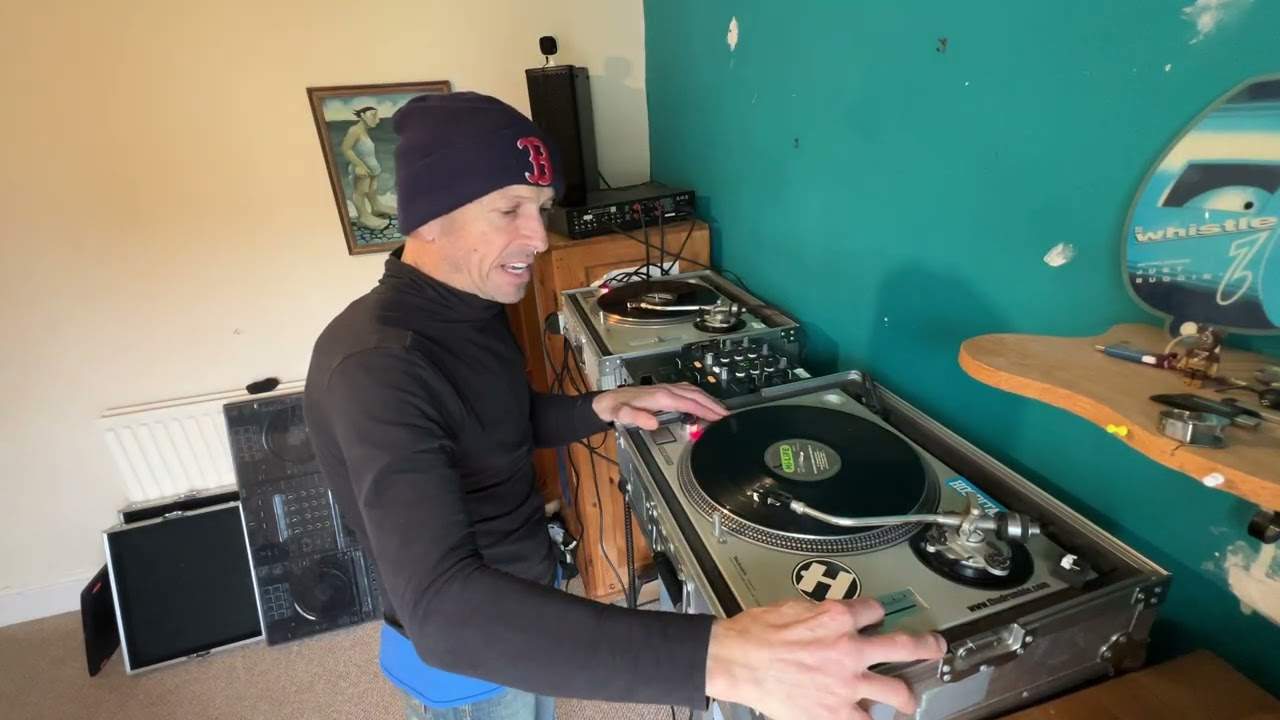
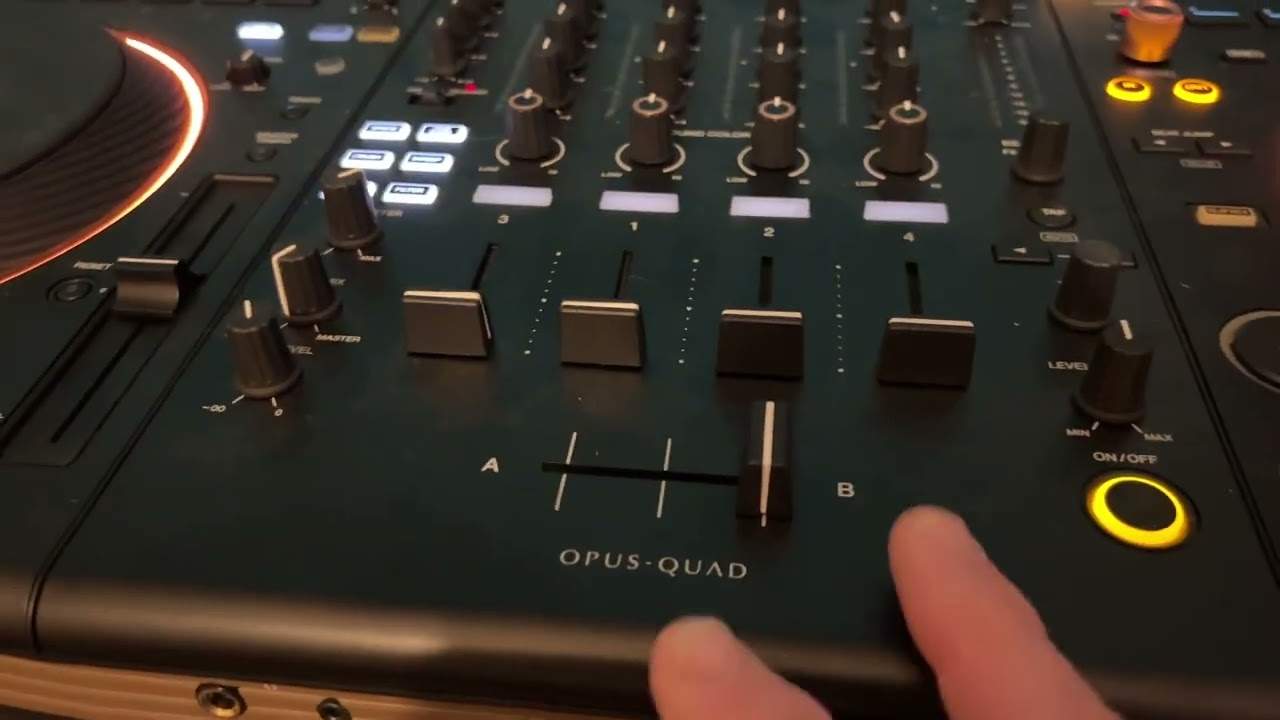
Alright folks, Jonathan here. Now in this video we're going to be looking at the pan feature of the DJM600 mixer. Now just to let you know, this is a saucepan. Pause the camera and we'll have a look. Right guys, most modern day mixers will have treble, mid and bass or high, mid and low. Now a lot of other mixers as well will have another dial here and you'll have underneath it Pan, now what that basically means is quite similar to one of these dials. I mean the bass here will increase if you move it clockwise and decrease the bass. Now it's sort of similar with the pan but what happens, the pan will actually increase and decrease the volume from one side of the speaker to the actual other side of the speaker system that you have. So in other words imagine now that this is the pan control here. If I move
This particular dial, clockwise, what happens is that all of the sound now will be coming, if I move it as far as it can go, all of the sound will be coming through the right hand speaker and nothing through the left. As I then start to move it anti-clockwise, what happens at this point at 12 o'clock, you'll have an equal amount of sound through that speaker and through that speaker, the right and left side. As I move it anti-clockwise now from the 12 o'clock position through to the actual 7 o'clock position, what happens is the sound from that speaker will slowly start to disappear on the right hand side and you'll start to only hear sound through the left hand speaker when we get to about the 7 o'clock position. OK, just pause a second. Now on this particular mixer with the effects we've got something called Pan.
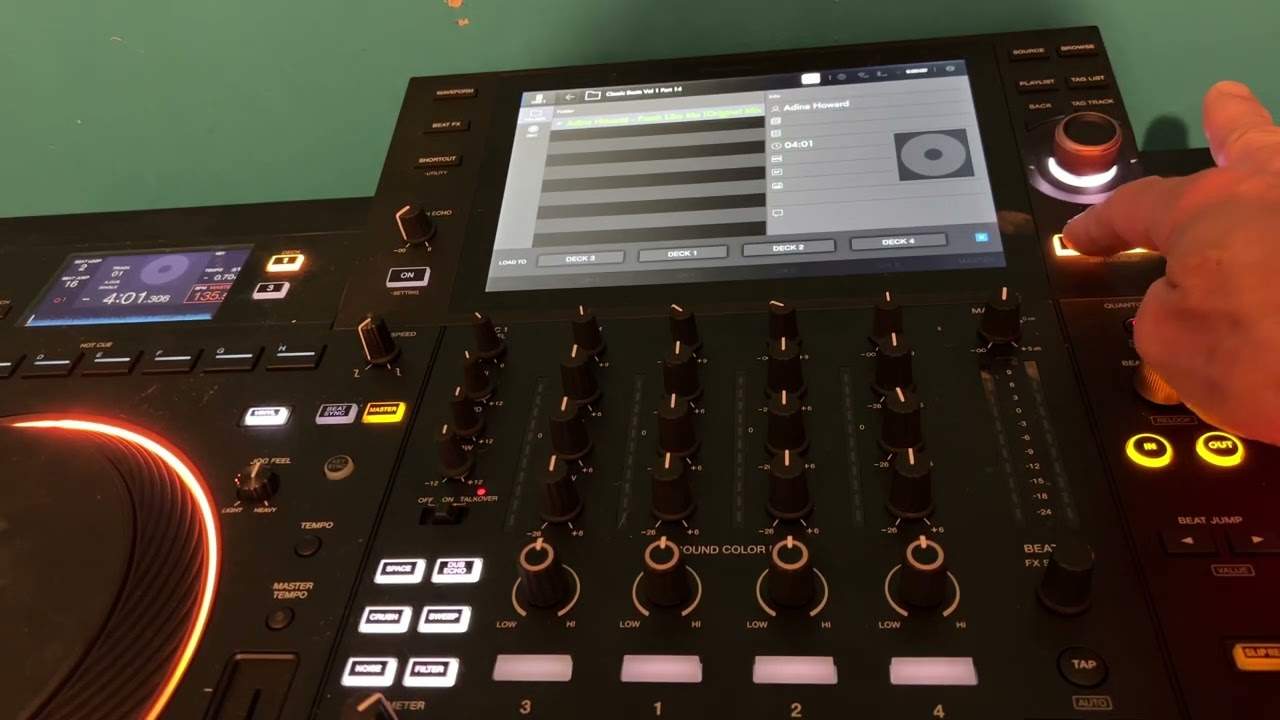
Now basically what you can do is as follows. Now without going into great detail, if you've looked at the other videos, by now you should know what that's for, what the level depth's for and the time and the channel select. So what I'm going to do now, I'm going to put a track on and we'll just have a quick listen. Now bearing in mind it is quite difficult to hear the proper effect of the pan because we haven't got proper stereo here. So let me just wang the actual tripod up a tan. Right there we go. So we'll put the tune on there. Here we go.
2:17 Speaker speaker, those dials, channel
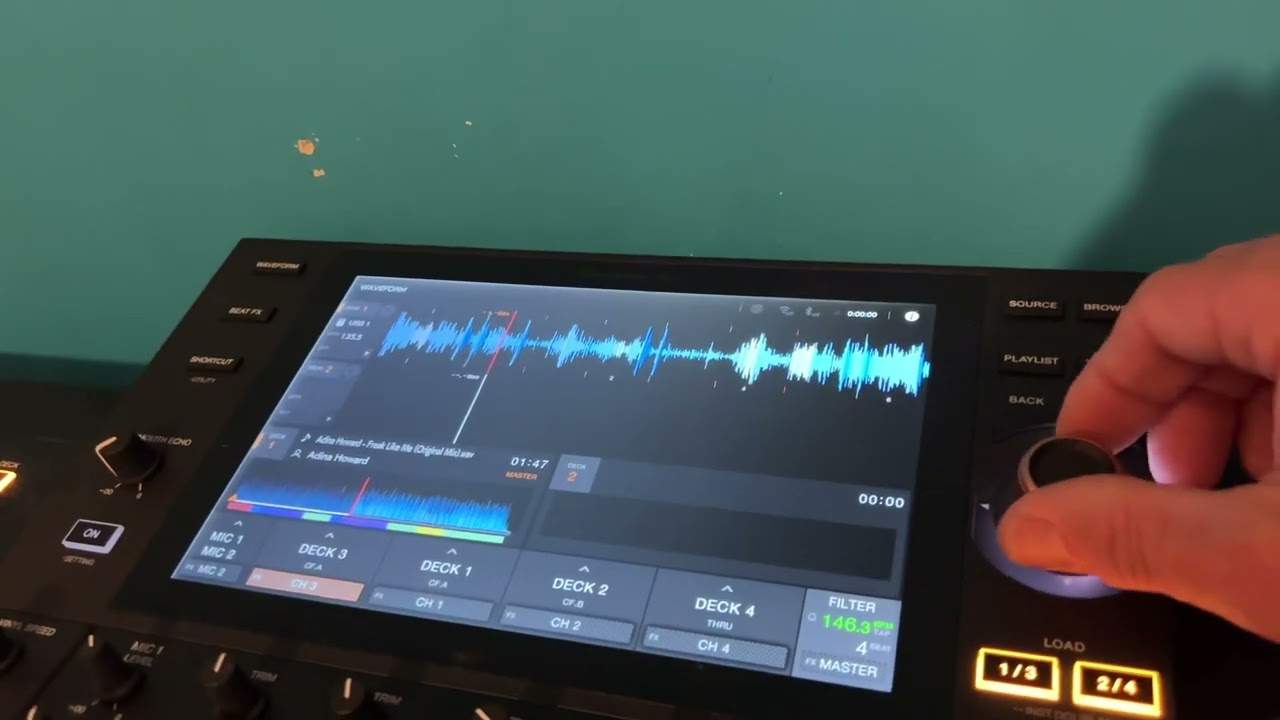
Now what I'm going to do now, I'm going to set this particular channel, channel 3, I've set the actual channel select to channel 3. We're on can and let's start it. Now what's actually happening is the sound, if I move the actual camera back, there's a speaker there and a speaker there. What's happening is the sound is moving from that speaker To that speaker, to that speaker, to that speaker. Now it's doing it by itself without me having to mess with one of those dials. Now if I'd have had one of those dials, I would be doing this back, forwards, back, forwards like that, okay? But utilising this mixer you don't have to do that, you can actually set it. Now if we get closer, now with regards your time perimeter what we can do...
3:12 It's that side, and now it's that side, and now it's over that side
We can actually increase the time it takes for the sound to travel from one side to the other. So the higher up the scale we go, the longer it will take for the sound to go from one side to the other side. Now it's that side, and now it's that side, and now it's over that side. And then as we decrease the perimeter, and you can see the numbers getting smaller and smaller, Or the numbers reducing, should I say, 465, 360. What's happening now is the sound is doing this. Bit dodgy, I know. Okay, but what we can do with this particular mixer is this. We can actually set it to the beat. Now if I have it here 1 over 1, what happens is the sound now is moving from one speaker to the other speaker in beat. So it's going, if I move the camera back again...
It's doing this. It's going bam, bam, bam, bam, bam, bam, bam, bam, like so. And then if I set that, say to a half, what's happening is it's moving bam, bam, bam, bam, bam, bam, bam, bam, like that. And then if I can set that now again to two over one, it will move again from that side to that side, to that side, to that side. And then if I set it to 4 over 1, then every 4 beats it will move from one side to the other. So again you can have a bit of fun using this. So in other words, instead of, you see some DJs, they'll move the pan and they'll do this. In essence, this mixer can actually do that for you, okay? So I hope it's been a little bit of a help, it's just a small insight. Thanks for watching, practice and enjoy. And the track you were listening to there was A2.
This transcript was produced automatically from the audio of the video and may contain mistakes.
Related videos
-
Complete Beginner DJ Lessons Tags Key BPM Etc
A more advanced lesson folded in early, and worth doing once rather than putting off, because everything it sets up gets used for years…
-
Complete Beginner DJ Mixing Lessons Video 19 Getting Your Kit Ready for an Easy Mix
A whole lesson on getting ready, which is the right call - the exercise in the next video only teaches anything if the two decks are…