 13:16
Three Turntable DJ Mixing Lesson Part 1 BY Ellaskins
Contents of the video
0:00 This is not how definitely you should do a three-deck mix or the pract
Alright, hopefully this is the first of many on tutorials on how to do a three-deck mix. Now, this is not how definitely you should do a three-deck mix or the practicing. This is another way or another explanation on how you can practice to become pretty good at working on three turntables. That's it. In other words, take it or bugger off. Right, so very quickly as well, if you're familiar, which you should be if you've been watching my videos on two turntables, doing a two-turntable mix does not mean to say that you're going to be using two turntables all the time. In fact, it's quite strange because if you've got three decks, then you can do a two-deck mix. If you've got four decks, then you can do a three-deck mix. How does that work out? What's he on about? Let me explain.
When you have just two turntables, you're playing one track and then you're playing another track. And then, of course, you're mixing in another track. So that transition in between the two tracks is the mix. But that can't really last forever if you're just using two decks because at some point you're going to have to stop one track and bring in the next track, which means that there's going to be a bit of a gap unless, of course, you use the technology that you've got in front of you and you can form some kind of continual two-deck mix. Right? So that is more for intermediate to probably even advance. And I don't even want to go into that at the moment. I don't want to baffle you with science, but it can be done.
2:13 Track one and track two
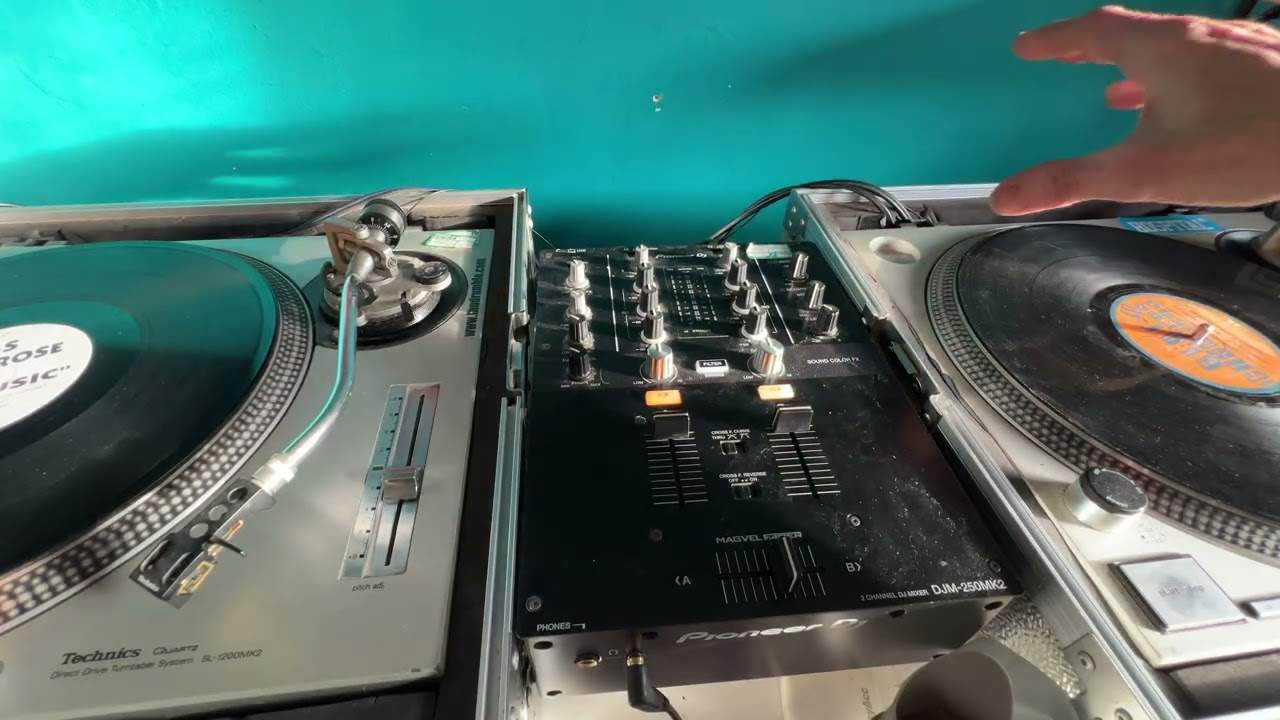
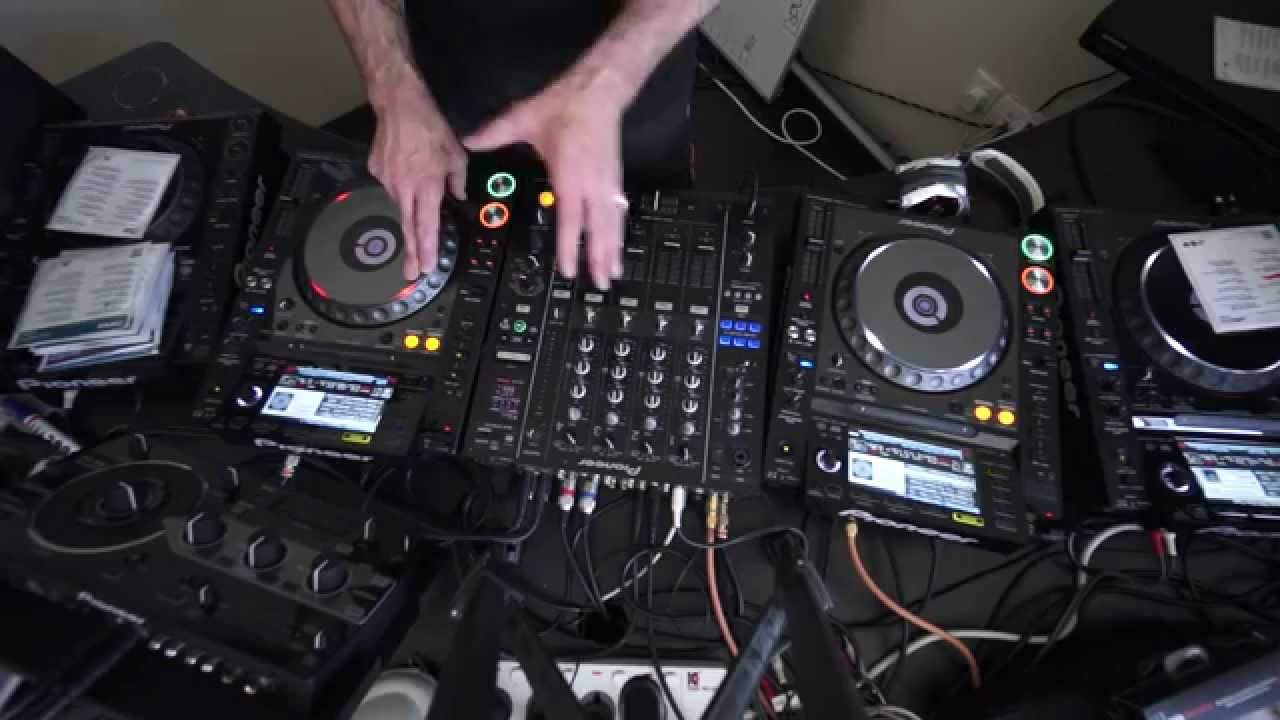
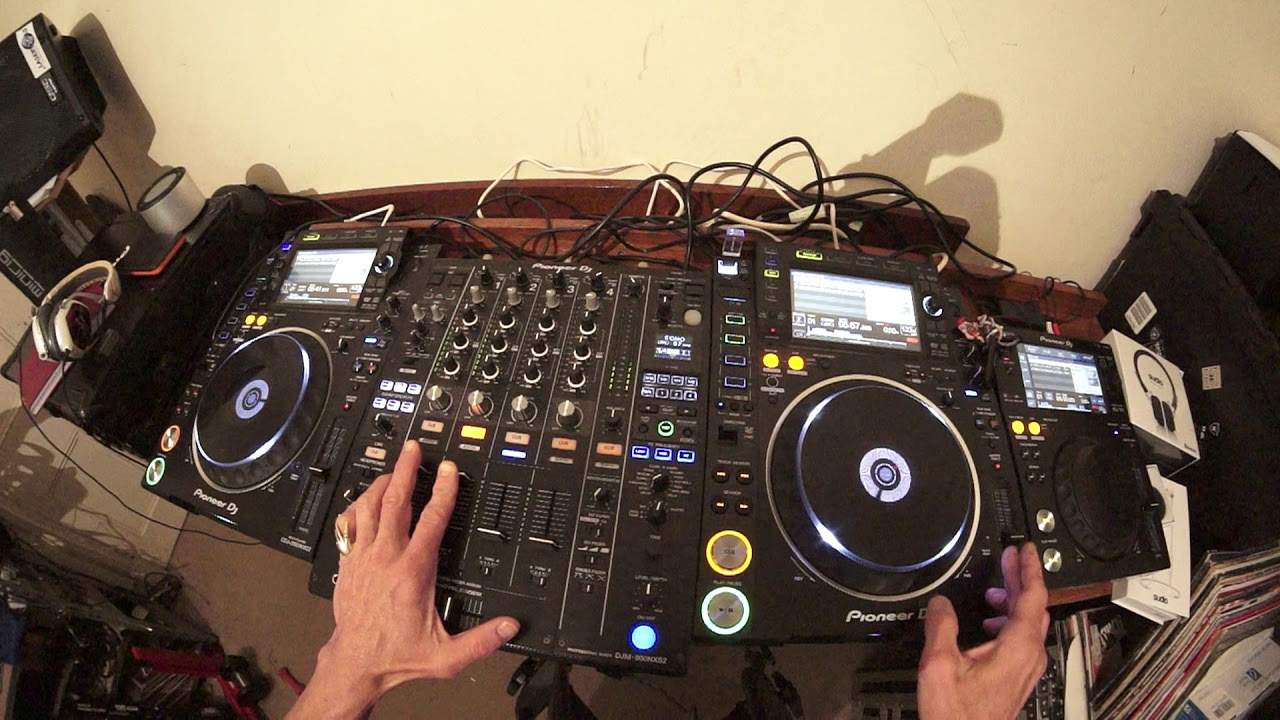
But if you've got three decks, then you can have two turntables working all the time. Period. It can be done. Let me explain. Let's imagine you've turned up, you've got your thumb drives, your sticky drives or whatever, or your vinyl turntable, vinyl or your CDs, whatever in it. Three decks, whether it be vinyl, CD controller, you can still do a three deck mix. So you turn up, you play one track, you start track one, you then mix in track two. You've got two tunes going together now. So maybe you play track one for like a minute. That's the buildup. And after, let's say four or five phrases, you bring in track two. Now, track one and track two. Now you've, you know, you practiced earlier on and you've got these two now working really well together for like a minute or so.
A minute or 16 bars, sorry, 16 bars, 32, 64 bars. And all of a sudden it's time to bring out track one. But prior to bringing out track one on your headphones, you get track three ready on your headphones. You're mixing track three in at the correct point where you need to bring track three in. You start bringing track three in now. Maybe at this point you've got three decks working, but you need to take deck one out because if you keep those three decks working at some point, one of them is going to stop anyway. So you take deck one out and now you have deck two and deck three working together, which now gives you the opportunity to get in the track number four on deck one. So as soon as you're ready to bring track four in by now, track two on deck two is starting to come to the end.
You beat matched deck one, which is track four. You bring that in and that is now playing on deck three, which is track three. I hope you get what I'm going to say. I'm going here. So now these two are playing at deck one, track four, deck three, track three. And now you're able to bring a fifth track in on deck number two and you get that beat matched, you're ready to bring it in and then you bring that in and maybe you take deck three out, which is track three. So now you've got track four on deck one, track five on deck two and so on. So that's pretty much what a three deck mix is. Even though most of the time you will have two tracks going, you do need a third deck to make sure you've got three tracks growing.
But again, if you are technically minded and you've got the correct equipment, you can have three decks all the time by using the correct features on your mixer. But I don't want to go into that because I don't want to baffle you with science. Deja vu. I've said that before. Right. So a good way of practicing how to use it. Three turntables is very simple and you're going to go, oh, I get it. It's the same track pitches in the same position. Okay, so the tune I'm using is Alex Lowe Farrow featuring JJ Farrow, a track entitled Real Love. This is the club mix, I believe, and there will be information in the description on this track. So what I've done, I have got all the pitches at the centre point now that should be common sense because what it means.
5:20 LEDs sort of flashing green
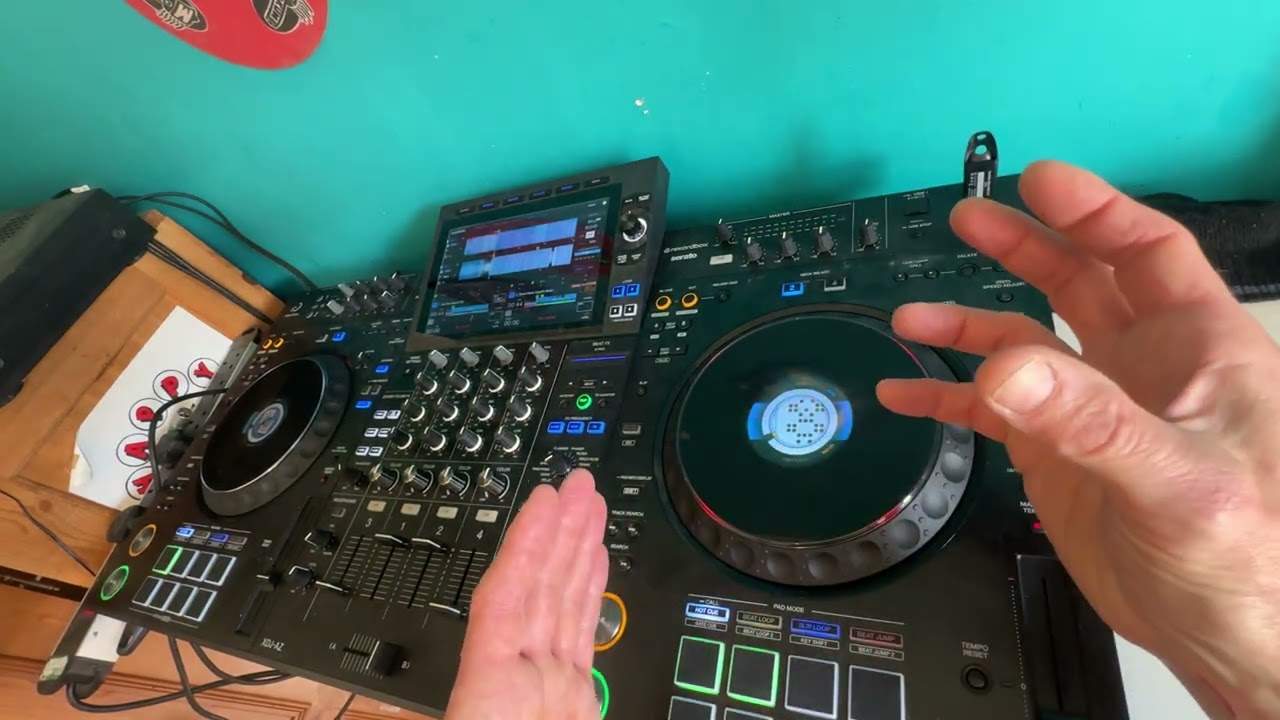
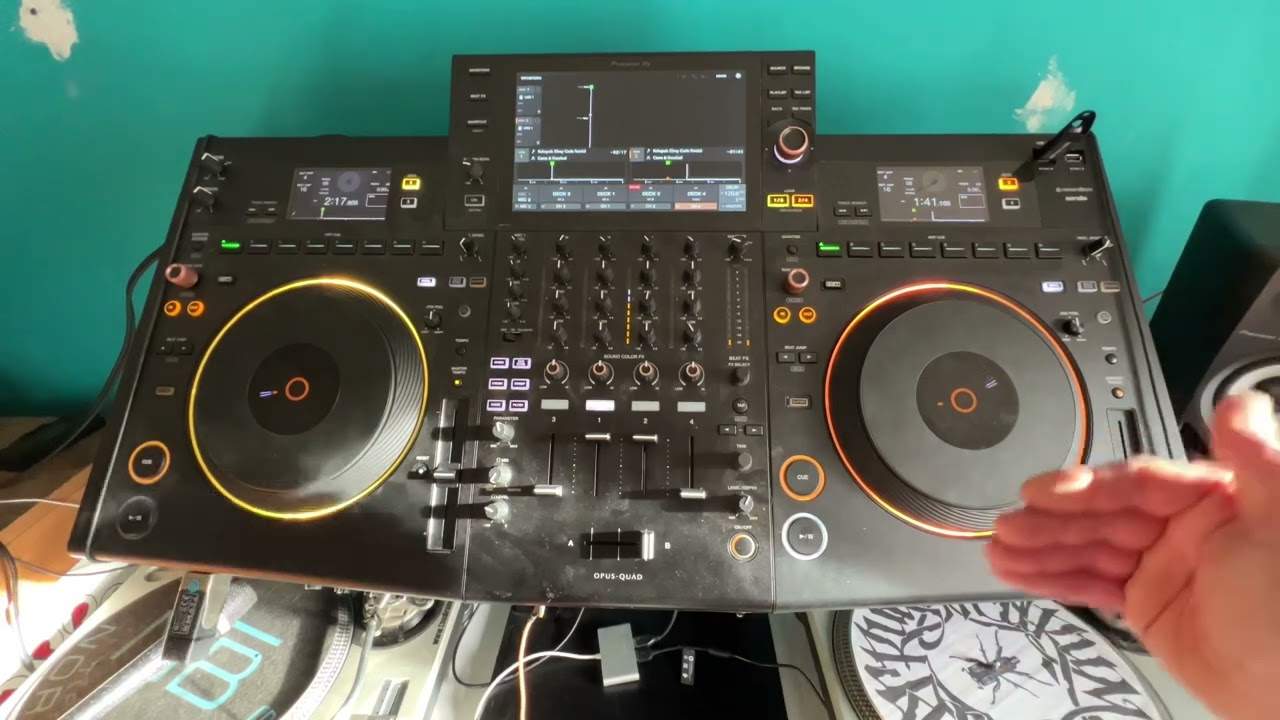
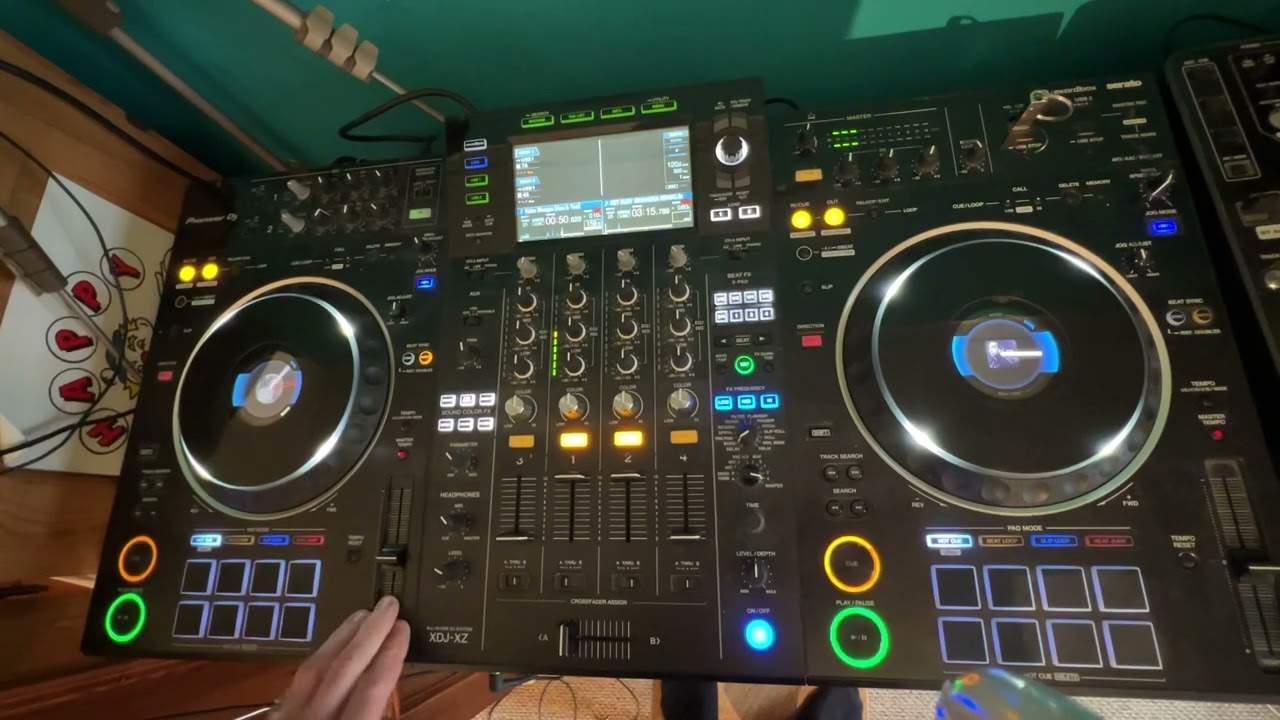
Now is you don't have to worry about beat batching. Same track. Also, what I'm going to do is I'm going to start to begin with just playing deck one, starting it off, counting four or eight bars or waiting until the next phrase. Starting deck two, waiting for the next phrase while the two are playing and then starting deck three and so on and so on. So this may seem quite laborious, but it is a good way of practicing. To do a three deck mix. Also, I'm just going to press play on all of them, but keep the volume down. Let's just speed them forward a little bit so they're all pretty much a third or so the way through. Make note now of the LEDs for the partially sighted. I will explain the LEDs sort of flashing green a tiny bit into amber.
Now, of course, if you are blind or partially especially if you're blind, you won't even be able to see the LEDs. But it's about the audio anyway, so it doesn't matter. In fact, I know a couple of DJs who are not very good with their sight and they're actually very good at DJing because their hearing has taken over from their sight and they're much more in tune with the music. Okay, so again, it's about the audio doing three decks or four decks you do not want to have it loud. The louder it gets, the more distorted it becomes. The less you are able to hear the finer parts of the track. So what I'm going to do is start deck one. I'm not going to use the headphones. Okay, so let's start deck one. Now all I'm going to do, I'm going to wait for the next phrase where the kick comes in
And I'm going to start deck two here. Now I've got these two working together, do exactly the same now with deck three. Now can you hear that phasing sound? That's what I'm listening for.
7:28 There's that phasing sound that tells me that they're in beat
Okay, now what I did there, that was the next phrase I said to hock you because I want to try and keep in time with the phrasing bringing in deck one, taking out deck three, bring deck three again. There's that phasing sound that tells me that they're in beat. So I've got deck one and deck three. They're already working now. Now at this point, if you become confident in just chopping from one deck to the other, not an actual quick chop but you know you're bringing one out and as soon as you bring one deck out, you're bringing the next one in then maybe start to use some effects.
Now at the moment I've got deck one and three working. I'm going to bring deck two in, in phrase. See it sounds a bit out of beat there.
9:46 Let's cue up deck three again
Let's cue up deck three again. Now for some people, this may look very simple but it is a great way of practicing the analogy. Here it is. It's like driving a car, taking your test. All right. When you first get into a car, you don't know what to do. You do not go 90 mile an hour. You'll crash. You take your time. You learn about all the instruments. That's what you're doing here. Okay, we've got deck two and deck three on now. So let's go. Let's go to deck one, maybe go to a cue point I've set. But again, I want to bring it in in phrase. Now I've got deck one and two at exactly the same position and I started deck three off right at the beginning. Bang straight into deck three. Okay, so the objective is very simple.
What you're trying to do is you're trying to keep in phrase now three deck mixing. Let's imagine. One turntable is, I don't know, easy. Let's say, I don't know, from a scale of one to ten. One deck mixing is like it isn't even there because you can't mix on one deck unless, of course, you've got some program. Yes, it can be done so long as you've got the correct program. Two deck mixing from one to ten. It's probably a seven or eight if you do it correctly. Three deck mixing from scale of one to ten is probably a 542. It is really, really difficult and it's not the sort of thing that you want to do as in, oh, I'm great on two decks. Let's just get a third one and impress people. No, you could end up falling flat on your ass because if you don't do it correctly,
It's going to sound terrible. Now this is relatively easy even though it's difficult but you imagine having three decks and mixing different tracks as well. Now with two turntables and two tracks, it's in time, in phrase and in key. You imagine. Having three tracks going, you've got to make sure that they're all in key. If they're not in key, it's not going to sound bad. It's going to sound absolutely terrible. All right. So there is so much more to think about. All right. So this is almost like the first video demonstration on three deck mixing. There will be a lot more very simple versions to begin with. Then we're getting slightly more intricate. Hope that's a help. Check out again the link in the description where you can get more
Info on the track from Karmic Power Records. Mr Lenny Fontana, thank you very much for letting me use your tracks. Practice and enjoy. Thank you.
This transcript was produced automatically from the audio of the video and may contain mistakes.